







Multispecialty Care May Expand Treatment Options for Ocular Inflammatory Disease
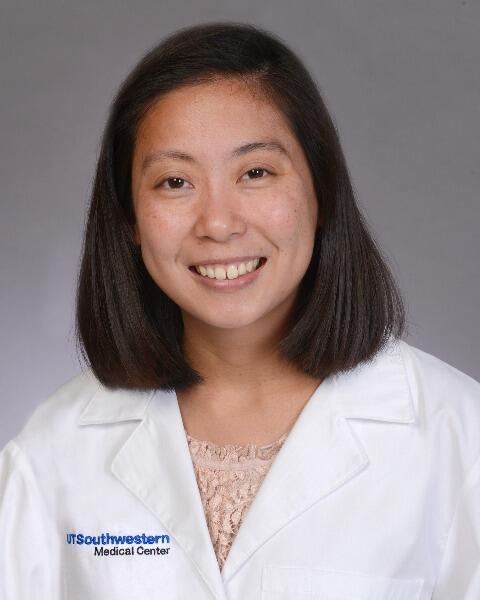
Uveitis and other ocular inflammatory diseases encompass a broad spectrum of conditions that may require corticosteroids, immunomodulatory therapy (IMT), and coordination across medical specialties, according to Jennifer Cao, MD, who discussed treatment strategies during her session “Ocular Manifestations of Dermatologic Disease: Treatment and Coordination,” presented at the Masterclasses in Dermatology NP/PA Institute.
Dr Cao reviewed the anatomical subtypes of uveitis and emphasized that ocular inflammatory disease can involve structures beyond the uvea. Conditions within this broader spectrum include scleritis, keratitis, optic neuritis, idiopathic orbital inflammation, autoimmune cicatrizing conjunctivitis, and ocular cicatricial pemphigoid.
“Uveitis and ocular inflammatory diseases are a wide spectrum of diseases,” Dr Cao emphasized.
Steroids play an important role in controlling ocular inflammation but may serve as a bridge to longer-term IMT in appropriate patients. Oral and periocular steroids may be used for severe anterior uveitis, resistant cases of anterior uveitis, posterior uveitis, cystoid macular edema, and in situations involving poor patient compliance.
Dr Cao also described a “stepladder” approach to IMT. Stepwise treatment algorithms for ocular inflammatory diseases align with approaches used in rheumatology and dermatology, creating opportunities for coordination among specialists when patients require systemic treatment.
Treatment decisions can be complicated by differences between ophthalmologic indications and those in other specialties. Uveitis indications for therapies are often off-label, and patients with uveitis or other ocular inflammatory diseases may require higher medication doses.
“Multi-subspecialty care can increase access to broader medication classes,” Dr Cao concluded.
Reference
Cao J. Ocular manifestations of dermatologic disease: treatment and coordination. Presented at: Masterclasses in Dermatology NP/PA Institute; October 17–18, 2026; Dallas, TX.
© 2026 HMP Global. All Rights Reserved.
Any views and opinions expressed are those of the author(s) and/or participants and do not necessarily reflect the views, policy, or position of the Dermatology Learning Network or HMP Global, their employees, and affiliates.
Related Content



Where Dermatology NPs and PAs Learn, Lead, and Level Up.
The Derm NP/PA is dedicated to educating and informing advanced practice providers on clinical topics and practical issues to support the profession and improve the quality of patient care across the spectrum of dermatology.
The Derm NP/PA is designed for advanced practice providers who specialize in dermatology to further their education and increase their knowledge to achieve better patient outcomes. Explore cutting-edge research, innovative treatment options, and new therapeutic methods while remaining focused on the fundamental principles and terminology associated with dermatology. Engage year-round with The Derm NP/PA to access clinical insights, interactive features, research news updates, accredited continuing-education programs, and more.




