









Lung Cancer Insights from ASCO 2026: What Every APP Needs to Know
Key Takeaways
- ASCO 2026 lung cancer data reinforce the importance of comprehensive biomarker testing as targeted therapies move into earlier disease settings and treatment decisions become increasingly biomarker driven.
- Oncology APPs play a central role in recognizing and managing acute and long-term toxicities from therapies such as lorlatinib, tarlatamab, and antibody-drug conjugates, particularly neurotoxicity, cytokine release syndrome, and interstitial lung disease.
- Rather than memorizing every new data point, APPs should focus on which findings change testing or treatment, what new monitoring is required, and how patients and caregivers should recognize and escalate potential toxicities.
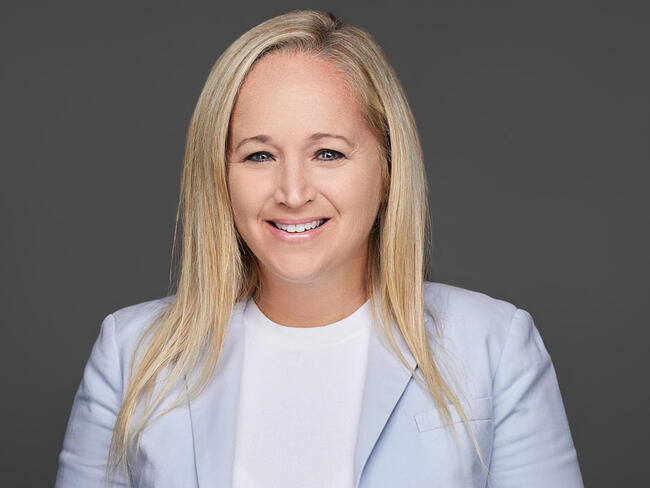
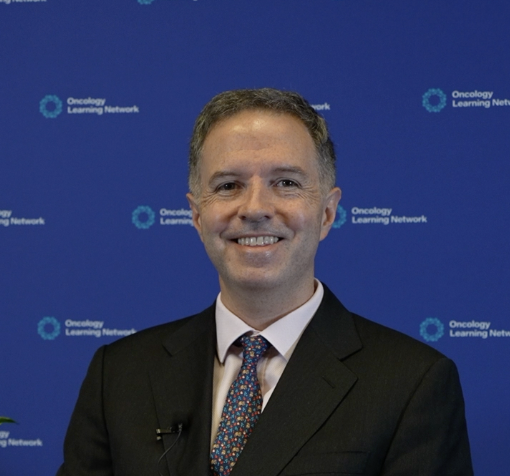
Narjust Florez, MD, thoracic medical oncologist at Dana-Farber Cancer Institute and assistant professor of medicine at Harvard Medical School, and Stephanie McDonald, MSN, FNP-BC, AOCNP, nurse practitioner at Dana-Farber Cancer Institute, discuss key lung cancer findings from the 2026 ASCO Annual Meeting and their implications for oncology APPs. They review long-term CROWN data supporting first-line lorlatinib in ALK-positive non-small cell lung cancer, CNS findings with tarlatamab in small cell lung cancer, and LIBRETTO-432 data evaluating adjuvant selpercatinib in RET fusion-positive non-small cell lung cancer. The discussion emphasizes comprehensive biomarker testing, patient and caregiver education, and proactive recognition and management of toxicities. As targeted therapies, antibody-drug conjugates, and T-cell engagers expand into new settings, Florez and McDonald emphasize that APPs will be essential to translating rapidly evolving evidence into safe, individualized care while supporting patients through increasingly complex treatment pathways.
Transcript
Stephanie McDonald, MSN, FNP-BC, AOCNP: Hi, I’m Stephanie McDonald. I’m a nurse practitioner at Dana-Farber in Boston, and I’m happy to be here today. Thanks for having me.
Narjust Florez, MD: It’s a pleasure to be with you as well. I’m Dr Narjust Florez, a thoracic medical oncologist at Dana-Farber Cancer Institute and assistant professor of medicine at Harvard Medical School. Today, we’re going to be looking at the 2026 ASCO data with the lens of our amazing APP team. Let’s start discussing some of the trials that were presented at ASCO and how this will change practice.
Let’s start chronologically from the oldest trial to the newest one. The oldest trial is the update of the CROWN data. The CROWN trial is a first-line trial that compares lorlatinib versus crizotinib, which was the standard of care when the trial was designed over 10, 12 years ago, for patients with ALK fusion-positive non-small cell lung cancer, which is 1% to 4%.
The CROWN data show first that lorlatinib is the superior TKI, not only in ALK but any other mutation-driven non-small cell lung cancer, with the longest progression-free survival. We still don’t have overall survival. Fifty-five percent of the patients in CROWN are still receiving lorlatinib and are still progression-free at 7 years, something that we haven’t seen ever before.
And now the bar is higher than ever. The follow-up is 83 months, and what we can see here is that the progression-free survival for crizotinib already reached 9.1 months versus the progression-free survival for lorlatinib that still has not been reached. Still, the majority of patients remain in the lorlatinib arm without progression at 7 years.
One of the things that continues to be very surprising, and I think it would be very beneficial for our APPs, is the CNS control. Lorlatinib has superior CNS control compared to any other ALK inhibitor. There were no CNS progressions in the lorlatinib arm.
One of the things that I think is new—and Stephanie, I will ask your points in a second—is the adverse events for lorlatinib. This is a new line of side effects that we’re not used to. To name a few, it could be the weight gain, which is cumulative. Every year is more weight. Lower extremity edema. Hyperlipidemia, which tends to happen in 2 weeks. But I think the CNS adverse events are the ones where people are a little bit more afraid.
What we learned from CROWN, the 7-year follow-up, is that after 24 months, we don’t see any new adverse events. How has the APP been managing patients with lorlatinib? Because you and I have patients with lorlatinib for years with these new side effects.
McDonald: Yeah, I think these patients really are on therapies and may be on therapies for years. And I think we as APPs really need to understand how to manage these toxicities over time. It’s just as important as when somebody presents with an acute toxicity.
With lorlatinib specifically, you’re seeing that hyperlipidemia, you said the weight gain, but the cognitive changes and the mood changes can be distressing, not just for the family. The patient might not be the one who is always picking it up, especially if they are confused. It’s really important to have family and caregiver support to be able to help pick up on these subtle changes, to be able to report them back to the care team.
Florez: Just to finish the conversation about CROWN, to anybody who’s listening, lorlatinib is the first-line agent preferred for many patients. We have seen more and more adoption of this agent, so I would recommend becoming very familiar with the side effects and also with the conversations, like Stephanie mentioned, with the family and their caregivers.
All right, it is my time to send the ball to your court. Let’s talk about DeLLphi-304 and small cell lung cancer. Why is this study important?
McDonald: DeLLphi-304 really was the pivotal trial that showed that tarlatamab improves overall survival compared to chemotherapy in the second line for small cell lung cancer.
There’s been a newer CNS analysis that was updated at ASCO that suggested that the benefit really extends to patients with brain metastases. And this becomes really important, particularly because brain mets are so common in small cell lung cancer. Again, it really demonstrated this meaningful intracranial activity with tarlatamab. It really adds to the discussion about where tarlatamab fits for patients with CNS disease.
For me, this really gets especially interesting from a neurotoxicity standpoint. Patients already have brain mets and now may develop new confusion or word-finding difficulties. They might have gait changes or cognitive changes. And when they’re on tarlatamab, we also know that one of the potential adverse events is ICANS, neurotoxicity. We really, as APPs, need to know patients’ baselines, and that becomes really important in caring for these patients. And caregivers are really going to be important here.
As tarlatamab becomes increasingly implemented, maybe in the outpatient setting, and we’re seeing these CNS effects, this is where we really need to be able to have good education for patients and clear escalation pathways. It’s more than just the data; it’s how we interpret the data to be able to successfully care for these patients.
Florez: Stephanie, as somebody who has treated so many patients with tarlatamab—and to everybody who’s listening to us, Stephanie is one of the APPs that probably has treated some of the most patients with this drug in the nation—as this is approved and is coming to the clinic, what will be your tips for any APP who is going to be following these patients? Tarlatamab is so new, and to me, it’s scary.
McDonald: It can be scary, but most of the events for the ICANS neurotoxicity are really low grade, maybe grade 1 or grade 2. The incidence is low, probably only about 6%. And it’s usually within the first 6 months of therapy that we may see that.
I would probably say most of the time, if somebody presents with cognitive changes, you really need to initiate a workup. It’s really important for APPs to educate patients and family members to call early so we can escalate the care to really diagnose these patients.
Really, ICANS is a diagnosis of exclusion, so you are bringing these patients into the hospital, getting neurology involved, getting some brain imaging, maybe a CT head and a brain MRI. We just as APPs need to know that we need to be escalating the care for these patients to rule out other causes of their symptoms. Because otherwise, the neurotoxicity can improve and resolve within a matter of days for most patients, and they can successfully get back on treatment.
Florez: I think that’s very important, that we’re getting to learn all of these agents and all of this.
McDonald: At ASCO 2026, they presented data on LIBRETTO-432, and I just want to know from you what you found to be most exciting about the information that was presented at ASCO, because we have had a patient on this study who did very well. It would be great to get your input as to what you found most beneficial from what you learned from this study.
Florez: I think LIBRETTO-432 is a randomized study of patients with early-stage RET-positive non-small cell lung cancer. The first key here is RET-positive non-small cell lung cancer. It is not considered to be one of the mandatory mutations to be tested for patients with resectable disease. But now, with the presentation of LIBRETTO-432 in the plenary session at ASCO, it suggests that we do have to do more expansive testing to catch these patients.
These patients, though, had resectable disease and were allowed to get adjuvant chemotherapy with any platinum-based drug. And then they were randomized to selpercatinib as the intervention or placebo. This was a double-blinded study, and patients received therapy for approximately 2 to 3 years.
Selpercatinib has been approved for RET-positive non-small cell lung cancer since 2020. It is not a new drug; it’s not an older drug. But what we saw is that, particularly for mutation-driven lung cancers, these patients have higher rates of disease recurrence after surgery compared to patients without mutation-driven lung cancer. We knew that these patients have high rates of disease, so the patients included were stage IB to stage IIIA.
And in early-stage trials, we talk about risk of recurrence or disease-free survival compared to metastatic trials, which talk about progression-free survival. Here, it’s disease-free survival.
And the intervention was extremely beneficial to the patients, with a hazard ratio of 0.17. It means there was an 83% reduction in the risk of a disease-free survival event in these patients who went on selpercatinib. At 2 years, 91.5% of the patients in the selpercatinib arm were disease-free compared to 61% in the placebo arm. We’re seeing how the curves actually start dividing very early.
Selpercatinib is one of the TKIs that’s actually better tolerated, and the main adverse events continue to be elevation of the liver enzymes. AST and ALT are the most common side effects. We also can see fatigue and some mild bone marrow suppression, but it’s very, very well tolerated. This has led to selpercatinib rapid review at the FDA. It’s not fully approved, but we’re expecting that will happen before the end of the year.
This leads to the next part of our conversation, Stephanie, which is biomarker testing. Just today, as an example of how Stephanie and I work as a team, we have a young woman who will repeat a biopsy, and she right away emailed me today, an hour ago. We’re not lying. It’s not like we’re making it up. “Did you request biomarker testing for this patient?”
What is the role, Stephanie, of APPs for biomarker testing? Because we’re talking about CROWN, we’re talking about LIBRETTO, but those 2 are not possible unless you have your biomarkers.
McDonald: Biomarker testing is so important. I think that is the biggest takeaway. And as we can see from this study, we need to be getting it early because that’s going to help plan treatments. Precision medicine is moving to earlier stages of disease.
Our role as APPs is to make sure that the testing has been done, that the patients understand and are educated on what biomarker testing is. And as APPs, we really need to understand the difference between the types of biomarker testing, the tissue testing and the liquid biopsy testing, and how they can be a complementary approach to care for these patients.
But our job really is to also reinforce the importance of the patients being able to wait for the results of the biomarker testing before we can move on to determine the best treatment for them. Because that is scary. You know from our patients, we have talked through this with many of our patients, that it is scary to wait when they get a diagnosis. They want to be moving on treatment quickly, but we need to figure out the best approach for them. And that means figuring out if there is a positive biomarker that’s driving the cancer that’ll be a more beneficial choice for them and for their care plan.
Florez: And I think the difference is between oral therapy and chemotherapy. I think to anybody listening to us, sometimes this concept of biomarker gene fusions can be very overwhelming to patients and family after a cancer diagnosis. Stephanie and I always reinforce the importance because you can be going into a once-a-day pill versus chemotherapy, which is not as specific and it has more side effects. And in this case, the bad reputation of chemotherapy kind of helps us, because chemotherapy has a bad reputation. When you explain the difference between an oral regimen and chemotherapy, I think patients get it easily.
And that’s a tip I think Stephanie can share with the people listening right now, that comparing chemotherapy versus an oral agent is a way to teach patients why this is important, why biomarker testing is important.
We do have two forms of biomarker testing. We have tissue, which is still the gold standard—no tissue, no issue—for testing, and this includes DNA and RNA testing. And we also have liquid biopsies, which is cell-free DNA. It’s a blood test. I do believe I order most of them combined because we have a lot of young patients who are coming from different states, and often trying to track the tissue can be hard. Liquid biopsy is easier. But if the liquid biopsy is negative, it doesn’t mean the patient doesn’t have the mutation. It just means that we know we’re not shedding the cancer in the blood. And we see that with patients who have mostly disease in the chest and mostly CNS disease only. There is not enough shedding from the malignancy to show up in the bloodstream.
Let’s go back to our ASCO conversation. Stephanie, as you see ASCO and all this data moving so fast, why should APPs prioritize, taking into account the amount of data that is coming in? You are a thoracic APP, but we do have APPs who see way more, like they see breast, prostate. And I think you did that earlier in your career. How can you prioritize so much data?
McDonald: I think it is very difficult. I think as there’s this rapidly expanding volume of data, I don’t think as APPs we need to be memorizing every abstract. I think we need to be able to know which data change testing or treatment and which patients they apply to and what are the new toxicities or monitoring that comes with them. I think ultimately we want to know, how does it affect our care of the patient? Does it change the testing? Does it change treatment selection or sequencing? Is there a new toxicity that I need to recognize and educate my patients to be able to recognize and to manage? How do we educate our patients to be able to monitor and call?
These are just really important things that we need to know. I just really don’t think that we need to know every number from every abstract. It’s just really ultimately, how does it affect the care for our patients and the quality of care for our patients?
Florez: I think something that’s also very important is we need to see this as a partnership. I think often what you and I do is that we do talk about the data and the thinking behind the regimens. And I think if we have any physician or anybody also listening to us, I think it’s very important to explain to every partner in care, not only APPs, but our nurses or schedulers, why this is needed, why this is important.
For example, we talk about the late effects of immunotherapy. We talk about why this patient got immunotherapy and why another patient did not get immunotherapy. I think having a conversation of the why behind the treatment selection tends to be the best way of teaching or the best way of talking about it. Because if the side effect comes back, you and I can talk about, well, is this treatment that important? Can we modify it? What else can we do? And more see everything as a team, more than everybody has to learn all the data.
Because I don’t know the numbers of most of these things. I do know CROWN because we have so many patients. And I know LIBRETTO-432 because I was one of the investigators. For the rest, I have to review for the conversation today.
I think the data is coming up. It’s coming fast. And what Stephanie said is very valid. As we talk about, ASCO happened rather quickly, like every year, a little bit exciting, a little bit traumatizing. But the story at ASCO—what other conference should APPs be paying attention to in lung cancer that may be coming up later this year?
McDonald: I think one of the biggest conferences on lung cancer is the World Conference on Lung Cancer, that’s taking place in South Korea. There are going to be a lot of abstracts that are going to be reviewed. There’s a lot of data that’s going to be discussed, and there’s going to be a lot of follow-up to different studies that are being done now. We need to stay tuned. We’re going to be learning more. There’s going to be practice-changing information that we’re going to be receiving at World Lung 2026 in September. Stay tuned.
Florez: Like Stephanie mentioned, there’s more data. ASCO solidified the role for lorlatinib in first line. We have now CNS data for tarlatamab for extensive-stage small cell lung cancer in second line. And also we have a new adjuvant treatment for patients with RET fusions after surgery.
That is our coverage for ASCO. But I think now, as part of our conversation, we’re talking about new treatments and new toxicities. And I want to really just take a little pause to talk about CRS and ICANS. These are common immune adverse events for these DLL3 bispecifics like tarlatamab.
Stephanie, how do you teach patients and their family members about these side effects? We can imagine the patient, day 1 tarlatamab, and you’re sending me to the hospital, and I’m so scared. How do you explain to them the side effects of these new therapies?
McDonald: You’re right. It is scary, but I do take the time to meet with the patients and their family members to go over what to expect.
The cytokine release syndrome typically is the most prevalent within the first 2 infusions of tarlatamab. About half the patients will have some form of that cytokine release the first time they get the treatment, a quarter of the patients the second time, but then the risk goes down to almost zero from the third infusion and beyond. If we can get the patients successfully through the first 2 treatments, then they do really well. And that’s why I reinforce to the patients that’s why they’re in the hospital. We’re watching them closely. They’re being monitored for fever, for elevation in their heart rate, for a drop in their oxygen.
I try to keep it really simple, but reinforce that that’s the reason why they’re coming into the hospital. That’s really difficult for patients, especially patients who travel from really far away, to have to come and spend a couple days, if not a little longer, in the hospital, too. But to reinforce that you can do this, we will get you through this, and it will get better.
Again, most of these, I try to reinforce, are very—most people will probably just have a fever and that’ll resolve. But some people might have more of a significant reaction, but it doesn’t necessarily mean that they won’t be eligible to continue on treatment. You just want to reinforce with these patients, once they go home, I still want them to be on the lookout for signs of cytokine release. I educate them on looking out for fever, looking out for chest pain or shortness of breath or palpitations.
And then as far as the neurotoxicity, I include the family. I make sure that they know how to do a basic neurologic evaluation. And we use the ICE score, which tests for several different items to check their cognition: handwriting, counting backwards from 100 to 0 by 10s. There’s a few other items on that list, but it’s very simple for the family to be involved. They want to feel like they can help advocate for their family member and watch for symptoms. And we want to make them privy that if the patient feels confused or the family feels like the patient is off, that they are able to give us a call and let us know what’s going on. And I reinforce that the sooner they call, the sooner that we can get them in and get this managed, because typically the management for most of these is steroids, and for the CRS, is the specialty medication tocilizumab.
But again, nothing for the APPs or the family to ultimately be afraid of. I just want them to take that information and to empower them to advocate when something might be going on at home.
Florez: And as we talk about new toxicity, I think we have to talk about antibody-drug conjugates. The first antibody-drug conjugate that was approved in lung cancer was trastuzumab deruxtecan, that you and I have given a lot of. And then later, we have datopotamab deruxtecan, which is another antibody-drug conjugate that is approved for EGFR. And now we’re seeing more and more antibody-drug conjugates, like sacituzumab. The initial trial was negative, but now the new version may get approved as the study continues.
But antibody-drug conjugates have these side effects that stay forever. As an APP, what has been your experience managing some of the side effects from the antibody-drug conjugates?
McDonald: I think that in general, people do pretty well. But I do think they have their own unique set of side effects, and not every ADC is created equally. I think they have pretty similar side effects, but they don’t always have the same ones. It definitely depends on the payload that’s associated with the antibody-drug conjugate. It’s important for us as APPs to really understand the mechanism of these drugs, so then we know more what to look out for for these side effects.
But in general, I will say that most people might have, depending on the agent, dry eyes. Sometimes in rare cases it can be more severe, but most of the time it’s pretty manageable with eye drops and having an ophthalmologist or an optometrist to be able to get a good baseline eye exam. It does not have to be one or the other, especially in the community setting where maybe access might be a little bit more difficult. But in general, dry eyes typically are less likely to be more severe, but that’s why we include ophthalmology to be able to look out for more urgent or severe ophthalmic side effects.
Mouth sores can be typically managed with steroid rinses, good oral hygiene. I encourage cryotherapy, which basically is ice chips, chewing during or sucking on during the infusion to decrease exposure.
And the other side effect really worth mentioning is ILD/pneumonitis. You really need to be—especially when there’s potential for some combo therapies that might be coming down the pike—we really just need to be assessing these patients when they’re calling and educating them about calling about chest pain, shortness of breath, a persistent cough.
We need to be putting our detective hats on, bringing these patients into clinic, and rule out signs of pneumonitis/ILD because, right, we have lung patients. They have COPD. They can get a pulmonary embolism. They can come and be diagnosed and have malignant effusions or be susceptible to infection. It’s very important to educate patients to be calling so we can rule out all of the causes of potential lung side effects.
Florez: I think with so many drugs, I think we also have to empower people to look up side effects. I think it’s nearly impossible for you to learn and know all the side effects, especially the rare ones. We have been using these agents for a long time. We always even get surprised. We had a patient with type 1 diabetes and immunotherapy. You always read about that until it happens to you.
I think we love talking about rare side effects, but the most common side effects will continue to be fatigue, skin rash, diarrhea, and ALT and AST, when in doubt. I think that’s very important, taking into account all the massive data that’s coming up.
However, the progress doesn’t stop today. We continue to develop new drugs. You and I continue to move patients into clinical trials. What do you think, in the next 12 to 24 months, will be something that APPs should be on the lookout for with new approvals?
McDonald: I think that we’re going to see even more biomarker-driven treatments. I think these ADCs and the T-cell engagers are going to be moving to earlier stages of disease.
And I think we’re going to be, especially for the T-cell engagers, I actually think we’re going to be seeing more outpatient management. We’re already seeing that on clinical trials.
And more patients living for years on therapies that require long-term toxicity management. I think more precision medicine, more biomarkers, more targeted therapies, and we need to be testing or having an understanding that these patients are likely going to be testing earlier.
And there are just going to be some more complicated sequencing, wouldn’t you say? I think it’s just going to be more—we’re going to have to be more precise in our care as their targets get more precise.
Florez: I think what we’re seeing more and more is combination regimens for first line. I think we’re coming to a point, and now we’re trying to do 3-, 4-drug regimens. I think that’s very important for small cell because around 50% of patients don’t make it to second line. A lot of patients don’t make it to tarlatamab. I think tarlatamab eventually is going to move to first line in a form of combination.
I think for the ADCs, what we hope to see in the future is better biomarkers. We still don’t know who really would benefit from the TROP2 ADC, who would benefit from the other ones.
And talking about biomarkers, we talk about genomic biomarkers, but you and I, for example, have expanded more IHC biomarkers that at the time of progression will be very important.
Stephanie and I do HER2 IHC because there is a tumor-agnostic approval for trastuzumab deruxtecan for HER2 IHC 3+. It’s a very common resistance mechanism in EGFR.
We’re also testing by IHC MTAP. We have a lot of trials, and we do have very successful stories of patients who have gone on MTAP trials.
And finally, in IHC, the forgotten c-MET. For telisotuzumab vedotin, I think telisotuzumab vedotin is forgotten because it got approved at the time that all the other things happened. But this is also a very valid option, particularly for nonsquamous disease, with 30% of those patients potentially positive. But 50% of the cells need to have the uptake of the dye in the IHC for telisotuzumab vedotin, which is a very common mechanism, actually, in younger patients and patients with ALK, RET, and ROS1 fusions. Be looking for c-MET at the time of progression.
The last question, my friend, is if an oncology APP could take only 3 things from ASCO 2026 back to their lung cancer clinic, what would you want those 3 things to be?
McDonald: All right. I think that the 3 things would be to not miss biomarkers. Make sure the right testing happened, make sure you know the results, and make sure somebody’s acted on them.
I would say you should know the drug that you’re going to be giving these patients and know what you can’t miss. What are the major toxicities? What questions should we be asking as APPs to get the most information from our patients so we can help them with toxicities? And what requires early intervention so we can keep these patients successfully on treatment with good quality of life?
And I would say the third thing is think about what happens when the patient leaves clinic. Do they understand what to watch out for? Does the caregiver know what to watch out for? Do they know who to call and when to call? Education is key for these patients. What happens after 8 or over the weekend? We want to make sure these patients have a clear plan for escalation so we can take care of them to the best of our ability.
Florez: I think those are very good points. If I have something to add, I think it will be to be very mindful of long-term toxicity, like you mentioned. And if a patient brings a toxicity to clinic to you, it means it’s important enough for them to bring it up.
Toxicities are changing now. Over time, they can appear out of the blue. And the data is moving fast, but often there’s a lag between data presentation and approval. We talk about some of these agents. Tarlatamab is approved, but LIBRETTO-432 is still pending. Lorlatinib is approved, but there’s always a little lag between data and approval. That’s why we have to be very careful. We don’t bring false hope to clinic when the drug is still not available.
As we close this segment, I think our message is that we are a team. I think of Stephanie as the right side of my brain, which is the good side. And working together, in which there is no hierarchy, but every thought, every idea is taken into consideration. And we go together to ASCO, we go together to World Conference, because the best patient care is the care that is provided as a team.
And I can tell you, I suffer when this woman goes on vacation, which she deserves the vacation. But having this relationship improves so much patient care. Our APPs are an essential part of patient care. I don’t think I can do my job without them.
It has been my pleasure to be the infiltrator MD in the APP discussion, and hope to see you soon, maybe after World Conference when we’re discussing some of that data.
Thank you so much. Thank you, Stephanie.
McDonald: Thank you. Take care. It’s a pleasure.
© 2026 HMP Global. All Rights Reserved.
Any views and opinions expressed are those of the author(s) and/or participants and do not necessarily reflect the views, policy, or position of LL&M, Oncology Learning Network or HMP Global, their employees, and affiliates.
Related Content

The APP Institute is a new offering from the Oncology Learning Network that provides microburst education to oncology advanced practitioners. The platform offers year-round digital non-accredited learning modules through animated short videos, multimedia interviews with key opinion leaders, interactive content to test your knowledge, and more!




