Recognizing the Right Time to Consider CAR T-Cell Therapy in Myeloma
Summary
In this peer-to-peer discussion, Caitlin Costello, MD, and Sam Shenoy, NP, explore how evolving treatment goals, risk stratification, and early clinical signals can help identify patients with myeloma who may benefit from earlier consideration of CAR T-cell therapy. The conversation highlights the important role APPs and nurses play in recognizing suboptimal response, early relapse, and changes in a patient’s clinical course.
Transcript
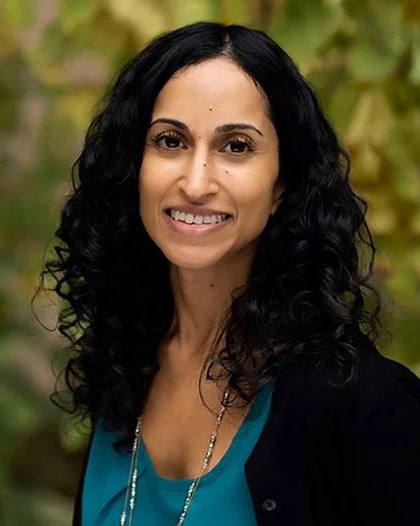
Samantha Shenoy: Hi, everyone. My name is Samantha Shenoy, and I'm a nurse practitioner at UCSF Medical Center in San Francisco. I've been working in the multiple myeloma space for about 17 years now. And a big part of what I do is take care of patients receiving immunotherapy, such as CAR T-cell therapy and bispecific antibody therapy. And as many of you know, the field has changed tremendously in the last several years, and expectations for what treatments should achieve have risen, which has real implications for when we consider more intensive or novel approaches.
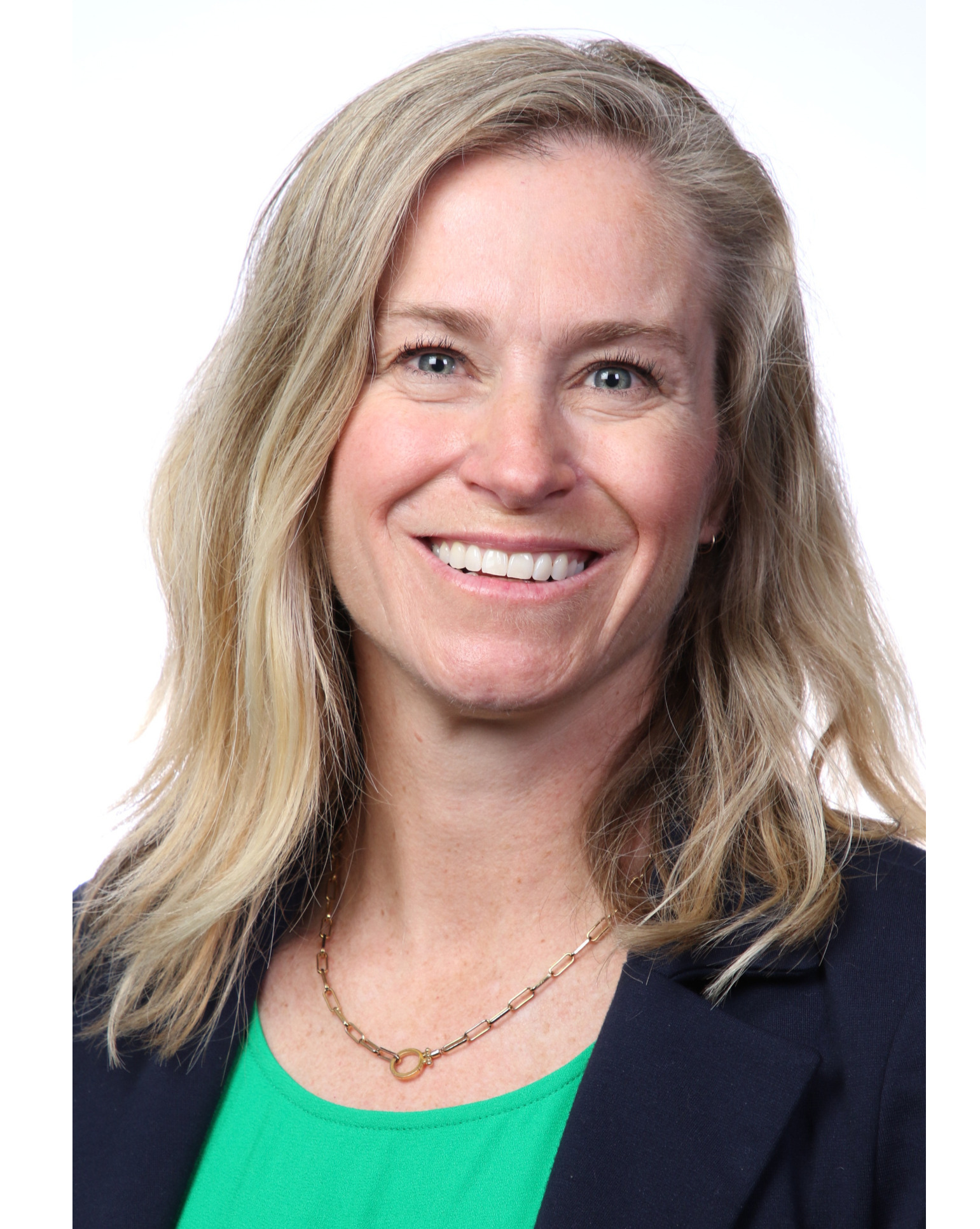
Caitlin Costello: Thanks, Sam. And my name is Caitlin Costello. I am a clinical professor of medicine at the University of California, San Diego, and the director of the myeloma program here. One of the most critical parts of CAR T-cell therapy is what we call brain-to-vein time, the time that someone thinks about CAR-T being a good option for a patient, to the time that it actually takes to put the CAR-T in that patient. Now this is a process in and of itself, and recognition of that patient is a critical first step. We also want to think outside the box a little bit about who the right candidate is, whether that's someone with high-risk disease, someone who has not responded to prior lines of therapy, or someone who is relapsing far sooner than expected. We want to make sure we identify those patients as soon as we can.
Samantha Shenoy: Yeah, I agree. And from where I sit, the gap between "This patient might be a candidate" and "The patient is being evaluated" is where things can really fall apart, and it takes many forms. People may not be clear about who owns the next step with this patient. It might be a patient who's not logistically ready. Many things need to be in place before patients can receive CAR-T. This could include incomplete documentation or a team that isn't sure what the treatment center actually needs before a patient is referred for CAR-T. So, today we're going to talk about how we can close that gap.
Caitlin Costello: And you're right; that gap really sometimes feels enormous. And that the importance of having a true team approach across the institution, but also between the community and the academic institutions, is just so critical. We really have a narrow window in which these patients may have a disease that's progressing quickly. We may have a good performance status now, but we worry about how it might change. And, as you mentioned, there are many logistical barriers that must be overcome through a strong multidisciplinary approach. So, we need to think very carefully with our partners to say, "Who is the person who's doing the initial eligibility evaluation? Who is initiating that workup? What is the bridging therapy we are going to do?" And all of that has to happen in the context of identifying the patient, confirming eligibility, making sure it's the right thing, the right treatment for the right time for the right patient, and doing it so that we are always preserving our next lines of therapy as sequencing of therapies for multiple myeloma has become increasingly critical when we're imagining what our future lines of therapy will look like.
Samantha Shenoy: Yeah, absolutely. And one thing that I've seen repeatedly is that by the time a referral is initiated reactively, because the patient is clearly progressing and their options are running out, the logistics alone can take weeks, so workup, insurance authorization, and travel planning. And so, when patients are referred earlier, those steps can occur within a much narrower window, which matters to the patient and the family. So when thinking about referral readiness, it's not always a formal decision. So, when thinking about referral readiness, it's not always a formal decision point; way we hoped, a patient who comes back sooner than expected, or a note in the chart that says, "Consider cellular therapy at next relapse." So the signals that I look for are a patient with high, known risk features who is approaching or at second relapse, or a patient with early progression after transplant or frontline therapy, where the disease trajectory is telling us something about biology. Or we have those patients who are functionally still doing well, so their performance status is intact, and their organ function is reasonable, but their disease is clearly getting worse. And we also work so closely with the family, and they might be the ones to ask if there's anything else possible for their loved ones. So when I see those signals, my job isn't to make referral decisions; it's to make sure the conversation happens.
Caitlin Costello: And your point is so well taken there. I mean, you as the APP are oftentimes the person at the frontline who's seeing these kinds of month-by-month changes and are going to be probably the one who's going to highlight to me, the doc, to say, "Hey, something's happening here. We really need to think about what is up next for this patient." And so if there are approaches, like you mentioned, about tumor boards, care team huddles, whatever it may be, it's a way that we can identify these patients, bring it up for multidisciplinary discussion, and do it on a timeline that allows for the decision to be made before it becomes urgent.
Samantha Shenoy: Yeah, absolutely. There are several things every treatment center needs before a patient is actually seen and evaluated, so every center is different. It has its own intake process, and requirements vary. So what I'm describing here is just a general framework, not a universal standard. So that said, there are categories of information that consistently matter, and that take time to gather if you wait. And so, some important things to include in the documentation are disease history and prior therapy. So, dates of diagnosis, lines of therapy, agents received, best responses, and the date and nature of the last progression. So this is the clinical story that the treatment needs to help contextualize the patient, and this is really important for everything. I see patients on clinical trials, and we're always looking at the lines of therapy, so documentation is so important. In addition, we want to know about cytogenetics, FISH data, and molecular data, ideally from the diagnosis and the most recent relapse. As Caitlin mentioned, we've spoken about how high-risk markers influence candidacy discussions and treatment planning, so that's really important to know. Also, we will want to know about the performance status and functional assessment. So we need a current ECOG score or Karnofsky score, and any recent documentation of organ function, such as renal, hepatic, or cardiac, because these are often eligibility-relevant. In addition, we need to think about insurance. Pre-authorization for a CAR-T therapy evaluation visit or for the therapy itself can take time, so initiating the process early can prevent delays later. And lastly, patient and caregiver logistics are so important. So CAR T-cell therapy typically requires time at or near a treatment center. And so, understanding the patient support system, travel capacity, and caregiver availability early in the planning conversation shapes the conversation. So those are all really important things to think about when we're thinking about a patient who may be a candidate for CAR-T.
Caitlin Costello: Sam, you've brought up some great points that will help me with my initial and eventual evaluation of CAR-T for a patient. I thought maybe I'd highlight the cytogenetics and the FISH piece you brought up, since they can be so critical to our decision-making process. So if there's any way to ensure that the most recent FISH results are documented and accessible for the evaluation, it would help me immensely.
Samantha Shenoy: Great. One thing I also wanted to talk about was some common barriers we see when thinking about patients who are CAR-T candidates. And so I think especially when we're working with different community centers, for example, we are a treatment center here at UCSF, but oftentimes there can be ownership ambiguity. So no one is sure whether it's the community oncologist, the APP, or the cellular therapy coordinator who's supposed to initiate the conversation with the treatment center. So in that uncertainty, it just may not happen. And in practices where this works well, there's usually a designated person or role whose job is to watch for potential CAR-T therapy candidates and ensure the conversation happens at the right time.
Caitlin Costello: And from a clinical standpoint, the thing I notice most commonly being a barrier is just delayed recognition, understanding who that patient may be, and that they're flagged at that time of first relapse. And instead of waiting for their fourth or fifth line, we want to have that conversation with the patient as soon as possible. That buys us more time to think through other timelines that can be challenging, such as insurance authorization and different payer requirements. That can sometimes take more time than we anticipate, so having that early recognition, thought, and conversation is immensely helpful.
Samantha Shenoy: I totally agree. And also, patient and family readiness is often underestimated as a barrier. CAR T-cell therapy requires a significant commitment, so time away from home, caregiver support, and potential for serious toxicity. And patients who haven't been prepared for that conversation can become hesitant at exactly the moment when speed matters. So this just, again, highlights the importance of introducing the concept of CAR T-cell therapy early because it helps to give patients and families time to process, to ask questions, to make any logistical preparations for work, et cetera, and that's a conversation that APPs and nurses are really well positioned to have.
Caitlin Costello: I wanted to highlight one other part about this relationship with the patient and the community, and the academic center, or the CAR T-cell center, is the importance of shared care coordination. What we understand is that this can be a process: the doctor thinking about it, the patient being recognized as a potential candidate, and the whole process through to the end of CAR-T really takes some time. And so there's careful coordination that has to happen as a bit of a shared care model, where the community team still maintains a very important role as we are preparing for that CAR-T and supporting them through up until their CAR-T and being prepared to support them when they return from this complex process. And so, clear, proactive communication between the referring team and the CAR T-cell center really reduces the chance of things falling through the cracks at the various transition points.
Samantha Shenoy: I totally agree with you, Caitlin. In my experience, the shared care relationship works best when there's a named point of contact between both sides. So when we get a new patient here, I ask for their cell phone number or email, and I keep their email in a folder so I can contact them easily. And so I think if you have someone at both the referring practice and the treatment center who communicates with each other, it can make a huge difference. So it doesn't need this elaborate infrastructure. It's actually quite simple. It just requires a relationship and a shared understanding of who is responsible for what. And this is where treatment care coordinators can play a very important role here. So making sure that the treatment care coordinators are looped in early and have the information they need is one of the highest-value things a practice can do.
Caitlin Costello: Great. So, a couple of takeaways I heard today are referral readiness, the importance of the timeline, and being prepared to anticipate what's coming and what may create barriers, so we can get our patients to CAR T-cells as soon as they need it.
Samantha Shenoy: And I think another takeaway here is that the barriers to timely evaluation are real. It's a real thing, but most of them can be anticipated and addressed, especially if we're addressing them early on. And so, when we have clarity about ownership, good documentation, early engagement with insurance, and patient preparation, these are all things that help make it a good experience for everybody, and it's the best way to get our patients in a timely manner who really need this important treatment. So thank you so much for being with us today, and it was lovely being with you today, Caitlin, as well.
Caitlin Costello: Thanks, Sam. Me too.
References
Beaupierre A, Lundberg R, Marrero L, Jain M, Wang T, Alencar MC. Management across settings: an ambulatory and community perspective for patients undergoing CAR T-cell therapy in multiple care settings. Clin J Oncol Nurs. 2019;23(2):27-34.
Kumar SK, Rajkumar V, Kyle RA, et al. Multiple myeloma. Nat Rev Dis Primers. 2017;3:17046. doi:10.1038/nrdp.2017.46.
Kumar SK, Therneau TM, Gertz MA, et al. Clinical course of patients with relapsed multiple myeloma. Mayo Clin Proc. 2004;79(7):867-874. doi:10.4065/79.7.867.
Lahuerta JJ, Paiva B, Vidriales MB, et al. Depth of response in multiple myeloma: a pooled analysis of three PETHEMA/GEM clinical trials. J Clin Oncol. 2017;35(25):2900-2910. doi:10.1200/JCO.2016.69.2517.
Mikhael JR, Dingli D, Roy V, et al; Mayo Clinic. Management of newly diagnosed symptomatic multiple myeloma: updated Mayo Stratification of Myeloma and Risk-Adapted Therapy (mSMART) consensus guidelines 2013. Mayo Clin Proc. 2013;88(4):360-376. doi:10.1016/j.mayocp.2013.01.019.
Munshi NC, Avet-Loiseau H, Anderson KC, et al. A large meta-analysis establishes the role of MRD negativity in long-term survival outcomes in patients with multiple myeloma. Blood Adv. 2020;4(23):5988-5999. doi:10.1182/bloodadvances.2020002827.
National Comprehensive Cancer Network. NCCN Clinical Practice Guidelines in Oncology: Multiple Myeloma. Version 5.2026. https://www.nccn.org/guidelines/guidelines-detail?category=1&id=1445 Accessed 2026.
Rajkumar SV. Multiple myeloma: 2020 update on diagnosis, risk-stratification and management. Am J Hematol. 2020;95(5):548-567. doi:10.1002/ajh.25791.
Rajkumar SV, Kumar S. Multiple myeloma: diagnosis and treatment. Mayo Clin Proc. 2016;91(1):101-119. doi:10.1016/j.mayocp.2015.11.007.
© 2026 HMP Global. All Rights Reserved.
The views and opinions expressed by the presenter(s) do not necessarily reflect the views and opinions of Oncology Learning Network, HMP Global, or its employees and affiliates.