Closing the Gap Between CAR T-Cell Therapy Recognition and Referral in Multiple Myeloma
Summary
Samantha Shenoy, NP, and Caitlin Costello, MD, discuss how oncology care teams can close the gap between recognizing a patient with multiple myeloma as a potential candidate for CAR T-cell therapy and getting that patient into evaluation. The episode highlights referral readiness, documentation, shared-care coordination, and common barriers that can delay timely evaluation.
Transcript
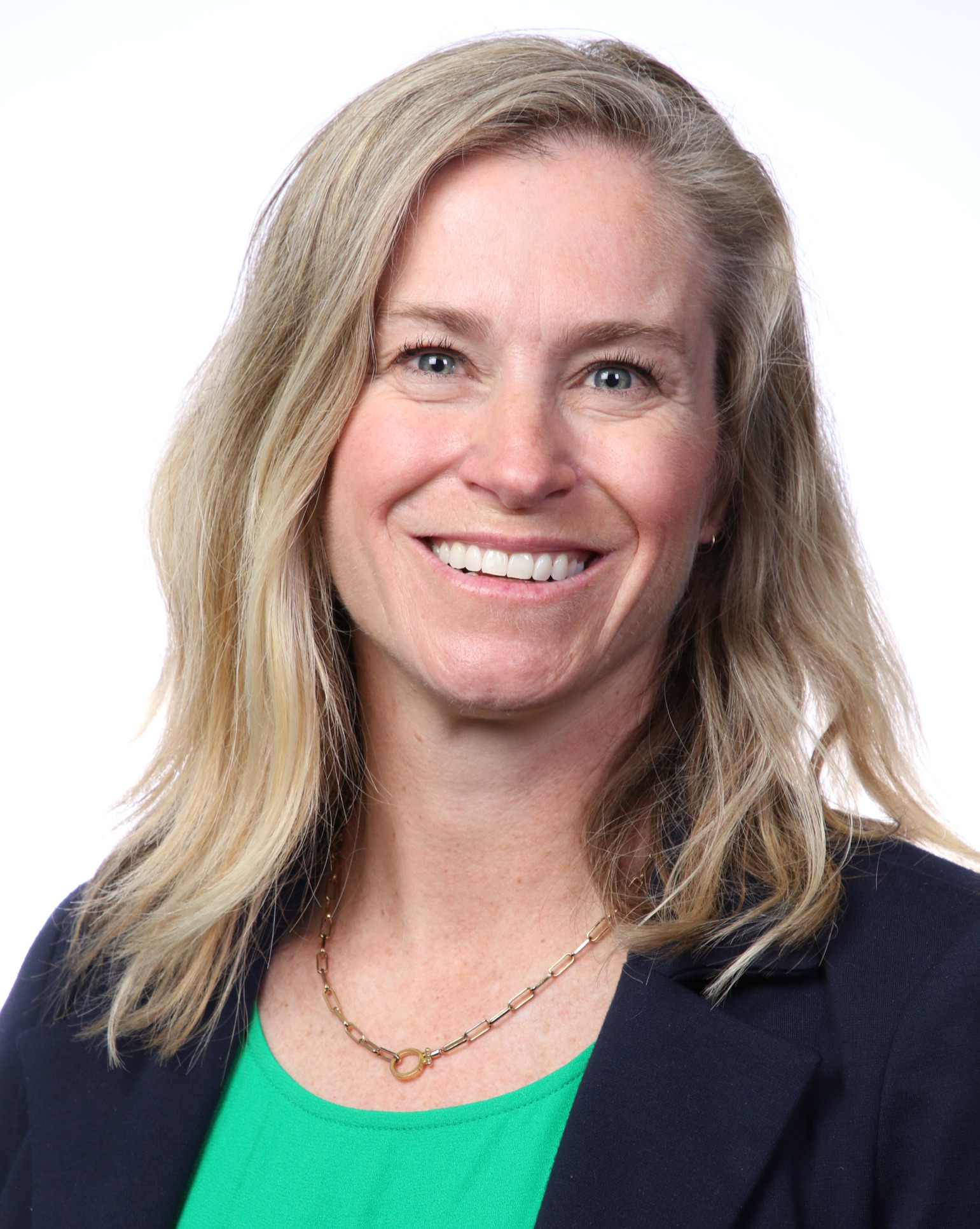
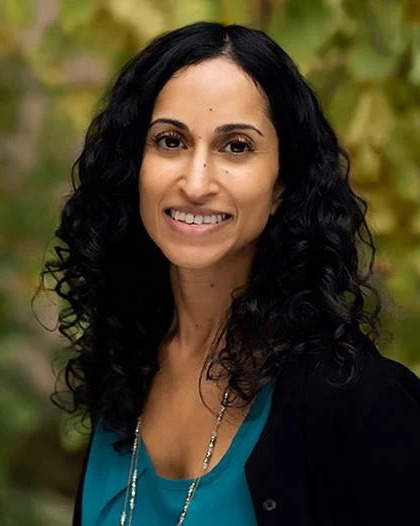
Moderator: Welcome to Oncology Learning Network. I'm Jenny Lamberts. In this episode, we explore what needs to happen after you've identified a patient with myeloma whose clinical course warrants a broader conversation about cellular therapy. The answer involves referral readiness, documentation, shared care coordination, and a few common barriers that can delay evaluation if the care team isn't prepared for them. Joining us for this discussion are Samantha Shenoy, Nurse Practitioner at UC San Francisco Medical Center, and Caitlin Costello, Clinical Professor of Medicine and Director of the Myeloma Program at UC San Diego. Together, they walk through the practical steps that close the gap between identifying a patient as a potential CAR T-cell therapy candidate and getting that patient to evaluation. Our focus is on applying evidence-informed referral-timing principles and shared care coordination strategies to support the timely evaluation of patients who may be candidates for cellular therapy.
Caitlin Costello: One of the most critical parts of CAR T-cell therapy is what we call brain-to-vein time. The time from when someone thinks CAR-T is a good option for a patient to when it actually takes to put the CAR-T in that patient. Now, this is a process in and of itself, and recognition of that patient is a critical first step. We also want to think outside the box a little bit, about who the right candidate is, whether that's someone with high-risk disease, someone who has not responded to prior lines of therapy, or someone who is relapsing far sooner than expected. We want to make sure we identify those patients as soon as we can.
Samantha Shenoy: Yeah, I totally agree. And from where I sit, the gap between this patient, who might be a candidate, and the patient who is being evaluated is where things can really fall apart. And this comes in many forms; people may not be clear about who owns the next step with this patient. It might be a patient who's not logistically ready. Many things need to be in place before patients can receive CAR-T. It could be incomplete documentation or a team that isn't sure what the treatment center actually needs before referring a patient for CAR-T. So, today we're going to talk about how we can close that gap.
Moderator: Caitlin, can you expand on the clinical stakes of that gap and why the timing of evaluation matters beyond logistics?
Caitlin Costello: The importance of having a true team approach across the institution, but also between the community and the academic institutions, is just so critical. We really have a narrow window in which these patients may have a disease that's progressing quickly; we may have a good performance status now, but we worry about how that may change. And, as you mentioned, there are many logistical barriers that must be overcome through a strong multidisciplinary approach. So, we need to think very carefully with our partners to say, “Who is the person who's doing the initial eligibility evaluation? Who is initiating that workup? What is the bridging therapy we are going to do?” And all of that has to happen in the context of identifying the patient, confirming eligibility, making sure it's the right thing, the right treatment for the right time for the right patient. And doing so to always preserve our next lines of therapy, as the sequencing of therapies for multiple myeloma has become increasingly critical.
Moderator: Samantha, what do you observe in your practice? And what does it mean for the patient and family when a referral waits?
Samantha Shenoy: Yeah, absolutely. And one thing that I've seen repeatedly is that by the time a referral is initiated reactively, because the patient's clearly progressing and their options are running out, the logistics alone can take weeks, so workup, insurance authorization, and travel planning. And so, when patients are referred earlier, those steps can occur within a much narrower window. And that matters to the patient and to the family.
Moderator: Can you both describe what referral readiness actually looks like in daily practice? What signals can the care team watch for?
Samantha Shenoy: So, when thinking about referral readiness, it's not always a formal decision point, so it often starts with something smaller. So, a response assessment that doesn't look the way we hoped, a patient who comes back sooner than expected, or a note in the chart that says consider cellular therapy at the next relapse. So the signals that I look for are a patient with high known risk features who is approaching or at second relapse, or a patient with early progression after transplant or frontline therapy, where the disease trajectory is telling us something about biology. Or we have those patients who are functionally still doing well, so their performance status is intact, and their organ function is reasonable, but their disease is clearly getting worse. And we also work so closely with the family, and they might be the ones to ask, "Is there anything else that's possible for their loved ones?" So when I see those signals, my job isn't to make referral decisions; it's to make sure the conversation happens.
Caitlin Costello: You, as the APP, are oftentimes the person at the frontline who's seeing these month-by-month changes and are going to be probably the one who's going to highlight to me, the doc, to say, "Hey, something's happening here, we really need to think about what is up next for this patient." And so if there are approaches, like you mentioned, about tumor boards, care team huddles, whatever it may be, it is a way that we can identify these patients, bring them up for multidisciplinary discussion, and do it on a timeline that allows for the decision to be made before it becomes urgent.
Moderator: Once the flag is raised, the next practical question is: What should be ready before a treatment center evaluation? Samantha, can you walk us through?
Samantha Shenoy: Yeah, absolutely. And there are several things that every treatment center needs before the patient is actually seen and evaluated. And so every center is different; it has its own intake process, and requirements vary. So what I'm describing here is just a general framework, not a universal standard. So that said, there are categories of information that consistently matter, and that take time to gather if you wait. And so, some important things to include in documentation are anything related to disease history and prior therapy, such as dates of diagnosis, lines of therapy, agents received, best responses, and the date and nature of the last progression. So this is the clinical story that the treatment needs to help contextualize the patient. And this is really important for everything. I see patients on clinical trials, and we're always looking at the lines of therapy, so documentation is so important. In addition, we want to know about cytogenetics, FISH data, and molecular data, ideally from the diagnosis and the most recent relapse. As Caitlin mentioned and we've discussed, high-risk markers influence candidacy discussions and treatment planning, so that's really important to know. Also, we will need information on performance status and functional assessment, so we need a current ECOG or Karnofsky score. Any recent documentation about organ functions, such as renal, hepatic, or cardiac, is often eligibility-relevant. In addition, we need to think about insurance. So pre-authorization for a CAR-T therapy evaluation visit or for the therapy itself can take time. So initiating that process early on can prevent delays later. And lastly, patient and caregiver logistics are so important. So CAR T-cell therapy typically requires time at or near a treatment center. And so, understanding the patient support system, travel capacity, and caregiver availability early in the planning conversation shapes the conversation. So those are all really important things to think about when we're thinking about a patient who may be a candidate for CAR-T.
Caitlin Costello: The cytogenetics and the FISH piece that you brought up, as that can be so critical to our decision-making process. So if there's any way to ensure that the most recent FISH results are documented and accessible for the evaluation, it would help me immensely.
Moderator: Even with a prepared care team, real-world barriers can delay evaluation. How can care teams anticipate these barriers?
Samantha Shenoy: Some common barriers that are seen when we're thinking about patients who are CAR-T candidates, and so I think especially when we're working with different community centers, for example, we are a treatment center here at UCSF, but oftentimes there can be ownership ambiguity. So no one's sure whether it's the community oncologist, the APP, or the cellular therapy coordinator who's supposed to initiate the conversation with the treatment center. So in that uncertainty, it just may not happen. And in practices where this works well, there's usually a designated person or role whose job is to watch for potential CAR-T therapy candidates and ensure the conversation happens at the right time.
Caitlin Costello: And from a clinical standpoint, the thing I notice most commonly being a barrier is just delayed recognition. Understanding who that patient may be and that they're flagged at that time of first relapse. And instead of waiting for their fourth or fifth line, we want to have that conversation with the patient as soon as possible. That buys us more time to think through other timelines that can be challenging, such as insurance authorization and different payor requirements. That can sometimes take more time than we anticipate. So having that early recognition, thought, and conversation is immensely helpful.
Samantha Shenoy: I totally agree. And also, patient and family readiness is often underestimated as a barrier. CAR T-cell therapy requires a significant commitment, so time away from home, caregiver support, and potential for serious toxicity. And patients who haven't been prepared for that conversation can become hesitant at exactly the moment when speed matters. So this just, again, highlights the importance of introducing the concept of CAR T-cell therapy early, because it gives patients and families time to process, ask questions, and make any logistical preparations for work, et cetera. And that's a conversation that APPs and nurses are really well positioned to have.
Moderator: How do the referring team and the treatment centers stay connected throughout the process?
Caitlin Costello: I wanted to highlight one other part about this relationship with the patient and the community and the academic center, or the CAR T-cell center, is the importance of shared care coordination. What we understand is that this can be a process in which the doctor first considers it, and then the patient is recognized as a potential candidate. And the whole process, from the start of CAR-T to the end, really takes some time. And so there's careful coordination that has to happen as a bit of a shared care model. Where the community team still maintains a very important role as we prepare for that CAR-T, support them through up until their CAR-T, and are prepared to support them when they return from this complex process. And so, clear, proactive communication between the referring team and the CAR T-cell center really reduces the chance of things falling through the cracks at the various transition points.
Samantha Shenoy: Yeah, I totally agree with you, Caitlin. In my experience, the shared care relationship works best when there's a named point of contact between both sides. So when we get a new patient here, I often ask for their cell phone number or email, and I keep their email in a folder so I can readily contact them. And so I think if you have someone at both the referring practice and the treatment center who communicates with each other, it can make a huge difference. So it doesn't need this elaborate infrastructure; it's actually quite simple. It just requires a relationship and a shared understanding of who is responsible for what. And this is where treatment care coordinators can play a very important role here. So, making sure that the treatment care coordinators are looped in early and have the information they need is one of the highest-value actions a practice can take.
Moderator: Two themes stand out from this discussion. First, referral readiness is a team activity, not a single decision. Knowing what to watch for, what to have ready, and who to contact can meaningfully reduce the time between recognition and evaluation. Second, the barriers to timely evaluation are real, but most of them can be anticipated. Ownership clarity, documentation readiness, early engagement with insurance, and patient preparation are all things a proactive care team can address before the moment of urgency arrives. This content is brought to you by Oncology Learning Network. For more expert perspectives and educational resources, visit oncologylearningnetwork.com.
References
- Beaupierre A, Lundberg R, Marrero L, Jain M, Wang T, Alencar MC. Management across settings: an ambulatory and community perspective for patients undergoing CAR T-cell therapy in multiple care settings. Clin J Oncol Nurs. 2019;23(2):27-34.
- Berdeja JG, Madduri D, Usmani SZ, et al. Ciltacabtagene autoleucel, a B-cell maturation antigen-directed chimeric antigen receptor T-cell therapy in patients with relapsed or refractory multiple myeloma (CARTITUDE-1): a phase 1b/2 open-label study. Lancet. 2021;398(10297):314-324. doi:10.1016/S0140-6736(21)00933-8.
- Kumar SK, Rajkumar V, Kyle RA, et al. Multiple myeloma. Nat Rev Dis Primers. 2017;3:17046. doi:10.1038/nrdp.2017.46.
- Majhail NS, Mau LW, Chitphakdithai P, et al. National survey of hematopoietic cell transplantation center personnel, infrastructure, and models of care delivery. Biol Blood Marrow Transplant. 2012;18(8):1219-1227. doi:10.1016/j.bbmt.2012.01.008.
- Martin T, Usmani SZ, Berdeja JG, et al. Ciltacabtagene autoleucel, an anti-B-cell maturation antigen chimeric antigen receptor T-cell therapy, for relapsed/refractory multiple myeloma: CARTITUDE-1 2-year follow-up. J Clin Oncol. 2023;41(6):1265-1274. doi:10.1200/JCO.22.00842.
- Rajkumar SV. Multiple myeloma: 2020 update on diagnosis, risk-stratification and management. Am J Hematol. 2020;95(5):548-567. doi:10.1002/ajh.25791.
- Turtle CJ, Hanafi LA, Berger C, et al. CD19 CAR-T cells of defined CD4+:CD8+ composition in adult B cell ALL patients. J Clin Invest. 2016;126(6):2123-2138. doi:10.1172/JCI85309.
© 2026 HMP Global. All Rights Reserved.
The views and opinions expressed by the presenter(s) do not necessarily reflect the views and opinions of Oncology Learning Network, HMP Global, or its employees and affiliates.