


Individualizing Initial Antidepressant Selection for Major Depressive Disorder
Because antidepressant efficacy is often more similar than different across medications, it can be difficult for clinicians to narrow down which treatment may be most appropriate for a patient with major depressive disorder (MDD).
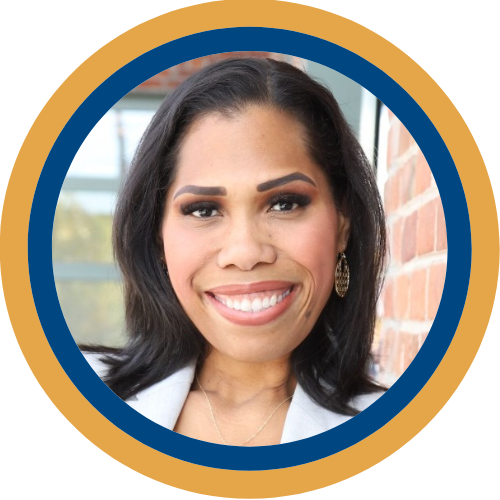
In this video, Desiree Matthews, PMHNP-BC, Steering Committee, Psych Congress, offers a framework for choosing an initial antidepressant agent for MDD. Matthews details several factors, from medical comorbidities to medication half-life, to help clinicians best align treatment selection with patient needs and preferences.
Key Takeaways for Clinical Practice:
- Because antidepressant efficacy is often more similar than different, initial selection should prioritize drug-drug interactions, half-life, tolerability, and patient-specific needs.
- A longer half-life may be preferred for patients who do not consistently take medication, while agents with fewer drug-drug interactions may be appropriate for older adults taking multiple medications or patients with medical comorbidities.
- Initial treatment should be tailored to patient preferences by considering side effects such as sexual dysfunction or weight gain and aligning medication choice with individual treatment goals.
Read the Transcript:
Desiree Matthews, PMHNP-BC: Hi, my name is Desiree Matthews and I'm a board-certified psychiatric nurse practitioner. I'm the founder and clinical director at Different MHP, a telepsychiatry company located in Charlotte, North Carolina.
Psych Congress NP Institute: What factors should guide initial antidepressant selection in MDD treatment?
Matthews: When you consider starting an antidepressant medication, if we feel like right now is the right time to start a treatment, one of the biggest questions we get is, how do we pick the first one? How do we pick the right one for the right client?
When we consider our different antidepressants in terms of efficacy, a lot of times they're more alike than they are different, so the big considerations I have are drug-to-drug interactions, the half-life of medications, and the overall tolerability, and matching that up to what the client needs.
For instance, if it's a client that doesn't always take their medications all the time, I would probably choose an antidepressant that has a longer half-life. If a client is older, if they're on multiple medications and have other medical comorbidities, I'm going to probably pick a medication that has the least amount of drug-to-drug interactions.
It's about knowing the medication, but also knowing your patient and what they need, as well as tolerability.
If someone tells me that their deal-breaker side effect is sexual dysfunction or weight gain, I'm going to do my best to pick an initial medication with the least risk of those side effects as possible. So, tailoring the treatment to the client [is important] because there needs to be a match between medication as well as the patient, and hopefully we align on preference and efficacy.
Again, my name is Desiree Matthews and thank you so much for joining me. I hope a few of these things were helpful in your day-to-day clinical practice.
Desiree Matthews, MSN, PMHNP-BC, is a board-certified psychiatric nurse practitioner and the founder of Different Mental Health Program, a multi-state telepsychiatry practice providing integrative, patient-centered psychiatric care. Her clinical work centers on the evaluation and treatment of schizophrenia and other psychotic disorders, mood disorders, ADHD, and the identification and management of drug-induced movement disorders.
Ms Matthews is particularly interested in early intervention and longitudinal treatment planning for serious mental illness, with an emphasis on functional recovery and relapse prevention. Her professional interests include long-acting injectable antipsychotics, emerging pharmacologic treatments, and the responsible use of telehealth to expand access while maintaining high standards of care. In addition to her clinical practice, she is actively involved in clinician education and regularly presents on psychiatric treatment planning, practice sustainability, and navigating the evolving mental health care landscape.
© 2026 HMP Global. All Rights Reserved.
Any views and opinions expressed above are those of the author(s) and do not necessarily reflect the views, policy, or position of the Psych Congress Network or HMP Global, their employees, and affiliates.
Related Content





Advance Your Expertise & Gain Confidence in Your Approach at NP Institute!
Nurse Practitioners play a vital role in mental healthcare, and specialized education is key to creating the best patient outcomes. Join us at NP Institute for an in-depth, practical learning experience designed to cover everything you’ve wanted to know but have been afraid to ask.
Why Attend?
- Expert-Led Education – Learn from world-class leaders in psychiatry
- Deep Dive into Psychopharmacology – Master essential principles, treatments, and medications
- Practical & Actionable – Gain confidence in your approach to manage complex cases
- Tailored for NPs – Networking opportunities with like-minded professionals and education designed to fit your unique role in mental healthcare
Join us to expand your knowledge and enhance patient care!




