


Key Considerations for Prescribing ADHD Stimulants via Telehealth
As telehealth continues to change the way mental health care is delivered, it is important for clinicians to understand the evolving clinical and regulatory considerations associated with virtual stimulant prescribing for attention-deficit/hyperactivity disorder (ADHD).
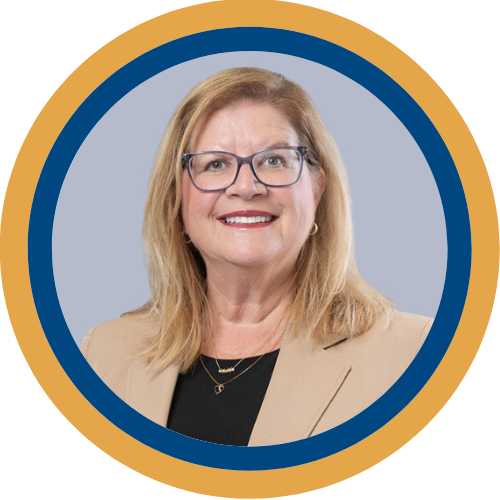
In this video, Psych Congress Steering Committee member Amber Hoberg, PMHNP-BC, discusses key factors that clinicians should keep in mind when prescribing stimulant treatment via telehealth. Hoberg emphasizes the importance of staying informed on local and federal telepsychiatry regulations, making an accurate diagnosis, and taking precautionary steps to ensure patients are appropriately prescribed these agents in a virtual setting.
For more expert insights, visit the ADHD Learning Library.
Key Takeaways for Clinical Practice:
- Federal regulations currently permit virtual ADHD stimulant prescribing through December 2026, but clinicians must also comply with stricter state requirements that may mandate initial or recurring in-person visits during telepsychiatry care.
- Clinicians should use evidence-based ADHD screening tools, rating scales, or comprehensive testing to verify and document the diagnosis before prescribing stimulant medications in virtual settings.
- Research suggests that some patients aged 25–35 years may have higher stimulant misuse risk, which supports use of Prescription Monitoring Program (PMP) review, urine drug screening, EKG coordination, and monitoring for “doctor shopping” to maintain continuity of care.
Read the Transcript:
Amber Hoberg, PMHNP-BC: Hi, I'm Amber Hoberg. I'm a psychiatric mental health nurse practitioner. I come from San Antonio, Texas. I work for Morningstar Family Medicine and Baptist Health System.
Psych Congress NP Institute: What key clinical and regulatory considerations should clinicians keep in mind when prescribing stimulant medications for ADHD virtually, particularly given concerns about misuse, diversion, and evolving policies?
Hoberg: Prescribing stimulants in the virtual setting is an ever-evolving field. We do know through the end of this year, through December of 2026, that our federal regulations are stating that it is open for us to be able to do these things on telepsychiatry. The issue is that we also have to pay attention to our state regulations. Because even though federal says we can do these things, states can often impose stricter [rules] on our licenses.
Those are things you do want to keep in check because sometimes, even though federal says it's open, state may say, “Well you have to see the person in person for the first visit or every 3 months you have to have an in-person visit with that telepsychiatry.
States can often supersede what you get with those federal regulations, so making sure you stay on top of that is very important.
Also, make sure that you are really making sure that the diagnosis of ADHD is there before prescribing stimulants to patients. Really utilizing some type of evidence-based [method], whether that's through screening or through scales. I use a testing system that really looks at every aspect of ADHD. Just having something to verify and back up your diagnoses, because that's always very important as well, there may come a time where you have to be able to defend that you made that diagnosis and that you prescribed that stimulant.
So, having that scale or the ability to really say, “Hey, I went above and beyond, I made that diagnosis and that this was relevant for their treatment,” is also something you need to keep of utmost attention.
Another thing you have to be concerned about is that in research, we see that patients that are usually between that 25 and 35 age range, sometimes they tend to misuse stimulants in some of these arenas—I’m not saying all patients do this, but making sure you have some type of further screening for those patients where maybe you get that gut reaction like, “Hmm, something's not setting well here,” or maybe you're not feeling like they're doing things for the right reason, you know, making sure to have things in place. If I need to send them for a urine drug screen, where would I do that? If I need to send them for an EKG, [it’s helpful] having that partnership with a primary care to be able to get that done.
The other thing I also encourage is really looking at your Prescription Monitoring Program (PMP) review for your states. If the patient says, “Hey, I've been on this medication, I've been at this dose,” going and verifying that that is accurate or making sure that they're not “doctor shopping,” going from one provider to another provider. This is a good way to ensure continuity of care.
Amber Hoberg, PMHNP-BC, is a dedicated Psychiatric Mental Health Nurse Practitioner (PMHNP-BC) with extensive experience spanning various clinical settings and populations. She holds a master’s degree in advanced practice nursing, specializing in Family Psychiatric Mental Health, obtained from the University of Texas Health Science Center at San Antonio in 2010. Her career is marked by a commitment to providing evidence-based, individualized psychiatric care to patients across the lifespan, including children/adolescents, adults, and geriatric populations. Her diverse clinical background includes roles at Northeast/Downtown Baptist Hospital in San Antonio, where she manages acute psychiatric care in an inpatient setting, working closely with psychiatrists and medical staff to deliver comprehensive treatment plans.
© 2026 HMP Global. All Rights Reserved.
Any views and opinions expressed above are those of the author(s) and do not necessarily reflect the views, policy, or position of the Psych Congress Network or HMP Global, their employees, and affiliates.
Related Content





Advance Your Expertise & Gain Confidence in Your Approach at NP Institute!
Nurse Practitioners play a vital role in mental healthcare, and specialized education is key to creating the best patient outcomes. Join us at NP Institute for an in-depth, practical learning experience designed to cover everything you’ve wanted to know but have been afraid to ask.
Why Attend?
- Expert-Led Education – Learn from world-class leaders in psychiatry
- Deep Dive into Psychopharmacology – Master essential principles, treatments, and medications
- Practical & Actionable – Gain confidence in your approach to manage complex cases
- Tailored for NPs – Networking opportunities with like-minded professionals and education designed to fit your unique role in mental healthcare
Join us to expand your knowledge and enhance patient care!




