InVera Medical Reports 12-Month Results From Pilot Trial of InVera Infusion Device Showing Vein Closure on 90% of Patients, Statistically Significant Quality of Life Improvements, and Excellent Safety
Novel Non-Thermal Procedure for Chronic Venous Disease Designed to Effectively Eliminate Need for Painful Injections Required for Thermal Ablation
Novel Non-Thermal Procedure for Chronic Venous Disease Designed to Effectively Eliminate Need for Painful Injections Required for Thermal Ablation
Galway, Ireland – InVera Medical, a medical device company focused on advancing minimally-invasive technologies for chronic venous disease, announced 12-month results from its pilot clinical study of the InVera Infusion Device designed to treat Chronic Venous Disease (CVD). The results, presented by Dr. Lowell Kabnick, Past President of the American Venous Forum (AVF) and head of InVera’s Medical Advisory Board (MAB), at the International Charing Cross Symposium in London, demonstrated statistically significant improvements in patient symptoms, high procedural efficacy, and an excellent safety profile.
Study Results
 The pilot study enrolled 10 patients with chronic venous disease (CEAP classification C2-C4) requiring ablation of the great saphenous vein (GSV) due to abnormal reflux, who were followed for one year. The study used a strict protocol which prohibited adjunctive procedures or tributary vein management to minimize confounding factors.
At 12 months post-procedure:
- 90% of patients demonstrated closure of GSV segments based on duplex ultrasound criteria assessment.
- The vein ultrasound response remained stable in these patients between 6-month and 12-month follow-up, indicating durable vein closure following the procedure.
- One patient experienced vein recanalization at eight weeks.
- Patients showed statistically significant improvements across multiple measures.
- Patient-reported symptoms, measured with the HASTI (Heaviness, Achiness, Swelling, Throbbing and Itching) questionnaire, improved by 74%, from a baseline mean of 7.0 to 1.8 at 12 months (p=0.03).
- Clinical evaluation using the revised Venous Clinical Severity Score (rVCSS), improved by 38% from a baseline mean of 2.9 to 1.8 at 12 months (p=0.03).
- Throughout the 12-month follow-up period, there were no serious adverse events and no cases of deep vein thrombosis (DVT), a key safety concern in venous procedures.
- As the InVera device is non-thermal, there were no instances of complications associated with thermal ablation procedures, such as skin burns, nerve damage, or other thermal-related injuries.
- Technical procedural success, involving preparation of the inner vein lining and subsequent sclerosant delivery to sub-endothelial layers with the InVera Infusion Device, was achieved in all cases.
Expert Perspectives
“These 12-month results demonstrate consistent procedural performance and a favorable safety profile,” said Dr. Kabnick. “The durable response seen on ultrasound is particularly encouraging for a non-thermal technique. I am excited to present this data at the internationally renowned Charing Cross Symposium today and to be involved in the broader comparative studies planned to establish the InVera Infusion Device’s role in clinical practice.”
“The InVera Infusion Device takes an intuitive approach, making it easy to use and incorporate into clinical practice,” said Professor Imre Bihari, Principal Investigator of the InVera Infusion Device Pilot Study, Associate Professor at Semmelweis University, Hungary, and Advisory Board Member of the European College of Phlebology.“Patients were comfortable throughout the procedure and did not require tumescent anesthesia. I was delighted to see the strength of the long-term ultrasound outcomes, and I look forward to seeing the device progress into larger clinical studies.”
Regulatory Milestones
These clinical results follow two significant regulatory milestones for InVera Medical in the first quarter of 2026: FDA 510(k) clearance and CE Mark for the InVera Infusion Device. The company is now preparing for Limited Market Release in select US and European centers.
About the InVera Infusion Device
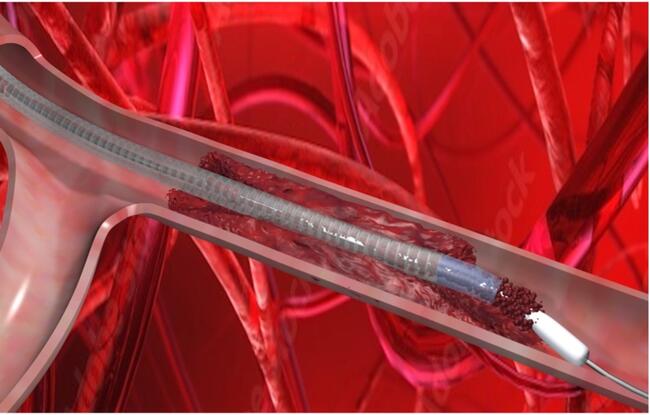
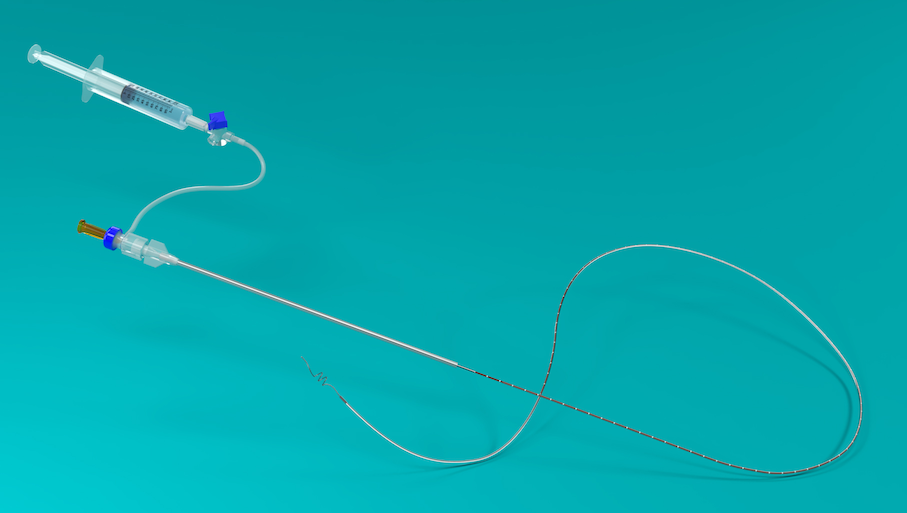
The InVera Infusion Device offers a new approach for physicians managing patients with Chronic Venous Disease. In contrast to existing thermal ablation which burns the vein wall to induce an inflammatory response, which requires painful anesthetic injections and presents a risk of nerve injury, InVera offers a non-thermal approach. The novel 5Fr catheter first creates thousands of micropores in the inner vessel wall, 2x the thickness of a human hair, allowing sclerosant to reach deeper cellular layers, a key factor for inducing permanent vessel closure and allowing blood to circulate in healthy veins. Because the InVera procedure is non-thermal, it avoids the many painful anesthetic injections necessary to control pain in high-temperature thermal ablation. It is also less invasive, requiring only a single injection of local anesthetic at the access site. Importantly, the ability of the InVera Infusion Device to consistently deliver sclerosant into the inner cellular layers of the vein wall presents a key improvement over sclerosant-only alternatives which are restricted to contact with only the surface cellular layers of the vein wall.
The InVera Infusion Device is authorized for use in the US and European Union in accordance with its approved indications.
About InVera Medical
InVera Medical, founded in 2018, creates catheter-based solutions for vein disease with a patient-focused and scientific approach to device innovation. For more information, visit www.inveramedical.com.
Find More:
Renal Denervation Topic Center
Cardiovascular Ambulatory Surgery Centers (ASCs) Topic Center
Grand Rounds With Morton Kern, MD
Peripheral Artery Disease Topic Center