


Tailoring ADHD Care by Developmental Stage
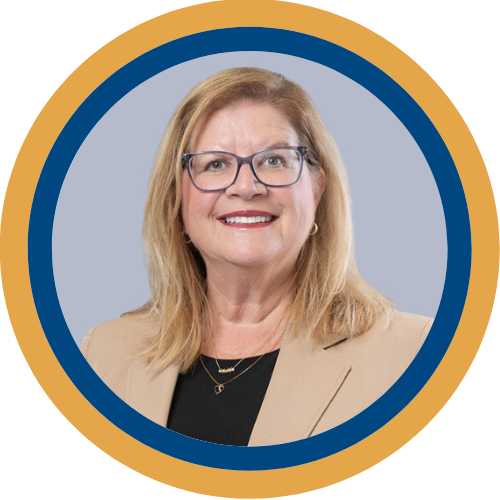
While often associated with children, attention-deficit/hyperactivity disorder (ADHD) impacts patients of all ages. In this video, Psych Congress Elevate 2026 New & Emerging Voice Taylor Crews, PMHNP-BC, discusses her approach to assessing and treating ADHD across the lifespan. Crews emphasizes the importance of thoroughly investigating ADHD symptoms in both pediatric and adult patients, highlights the utility of lifestyle interventions in treatment, and reviews key medication considerations for patients in different developmental stages.
For more expert insights, visit the ADHD Learning Library.
Key Takeaways for Clinical Practice:
- ADHD assessment should be considered at any age because symptoms can persist across the lifespan, and evaluating children, adolescents, and adults may help patients obtain needed answers, diagnostic clarification, and appropriate care.
- For ADHD treatment, lifestyle, behavioral, and skill-coaching strategies may be impactful treatment options across ages, but particularly in children.
- Medication considerations may carry greater weight in adolescents because of driving, substance-use exposure, and self-esteem risks, while adults may benefit from a shared informed-consent approach to treatment selection.
Read the Transcript:
Taylor Crews, PMHNP-BC: Hi, I'm Taylor Crews. I'm coming to you from Charleston, South Carolina with Sweetgrass Psychiatry. I work in private practice currently, but I have worked across a broad range of patient populations, starting in inpatient care, then community mental health, long-term care, and now landing in private practice.
I am also passionate about getting mental health information out to our patients and communities, and I run a social media platform called Noble Mind Collective.
Psych Congress NP Institute: Why is it important for clinicians to adopt a lifespan perspective when assessing for ADHD? How does that shift influence patient outcomes across different stages of development?
Crews: I think we have pretty clear and strong evidence that ADHD symptoms do persist across the entire lifespan. It may be more commonly [noticed] in children, but we certainly cannot ignore the rest of our patients, especially adults who are coming to us.
I also don't think that we want to be left behind when it comes to these patients coming to us and trying to get answers and assessments that they may very well need. We can also offer more information or alternative diagnoses that the patient may have not realized or understood that they have instead of ADHD.
But if they can come to us first, we could be a really great resource to help them find that information.
As far as outcomes, if you have the right diagnosis because of doing a full comprehensive assessment and knowing all about these comorbidities that can be common with ADHD, then we can also find the right treatment. So, finding the right diagnosis first can set people up better for success and less likely to experience negative side effects or problems with the treatment you may choose.
PCNPI: How does your approach differ when initiating pharmacologic treatment for patients across developmental stages?
Crews: It is honestly true for all age ranges that I come from a more lifestyle intervention and coaching approach in my practice. So, I will present this as a first-line treatment for all ages.
However, in children, I think that it is even more important to allow children and parents to know that they don't necessarily have to begin with medications depending on the severity of the symptoms they're experiencing or the impact that it's having on their lives. I want to make sure that patients and families are empowered to include behavioral and skill coaching strategies as far as the treatments that are available. I really feel passionately that that might be something that's not always fully talked about when we talk about treatment options for ADHD.
For adolescents, I think that I might put a bit of a heavier weight into medications just because there could be higher vulnerabilities and risks in this population—when it comes to driving being high risk, substance use exposure, and their self-esteem really building in this age group. If you're seeing maybe signs that those impacts are going to be risks for your patients, medications might be worth it in this particular population, maybe a little bit more compared to the other age groups.
For adults, I like to give an informed-consent approach. I like to present all of the treatment options that are available for ADHD, inform my patients of what the risk and benefits are for each category of treatment options, and then we decide together. That’s how I approach the adults because they do have more involvement and autonomy in the treatment planning.
Thank you for joining me today. I hope that this helps you to gain confidence in understanding ADHD and being a very strong resource for your patients so that we continue to help as many people as we can.
Taylor Crews, PMHNP-BC, is a psychiatric nurse practitioner specializing in the treatment of a broad range of mental health conditions and complex psychosocial challenges. Her nursing background provides her with a unique and valuable practice style rooted in compassion and understanding. Throughout her psychiatric nursing career, Taylor has pursued opportunities in diverse practice settings and across the lifespan. Her professional experience includes providing psychiatric care in community settings, outpatient clinics, inpatient hospitals, and long-term care facilities. She utilizes training in multiple treatment modalities, including group and individual psychotherapy, trauma-focused therapy, crisis intervention, psychoeducation, and advanced medication management.
In total, Taylor has 14 years of experience as a psychiatric nurse practitioner. She has been actively involved in community outreach as a board member for the Lowcountry Mental Health Conference and as a speaker for community and provider education. As the founder of Noble Mind Solutions, Taylor uses both her practice and social media platforms to break down mental health stigma and create a supportive space for mindful living.
© 2026 HMP Global. All Rights Reserved.
Any views and opinions expressed above are those of the author(s) and do not necessarily reflect the views, policy, or position of the Psych Congress Network or HMP Global, their employees, and affiliates.
Related Content




Advance Your Expertise & Gain Confidence in Your Approach at NP Institute!
Nurse Practitioners play a vital role in mental healthcare, and specialized education is key to creating the best patient outcomes. Join us at NP Institute for an in-depth, practical learning experience designed to cover everything you’ve wanted to know but have been afraid to ask.
Why Attend?
- Expert-Led Education – Learn from world-class leaders in psychiatry
- Deep Dive into Psychopharmacology – Master essential principles, treatments, and medications
- Practical & Actionable – Gain confidence in your approach to manage complex cases
- Tailored for NPs – Networking opportunities with like-minded professionals and education designed to fit your unique role in mental healthcare
Join us to expand your knowledge and enhance patient care!




