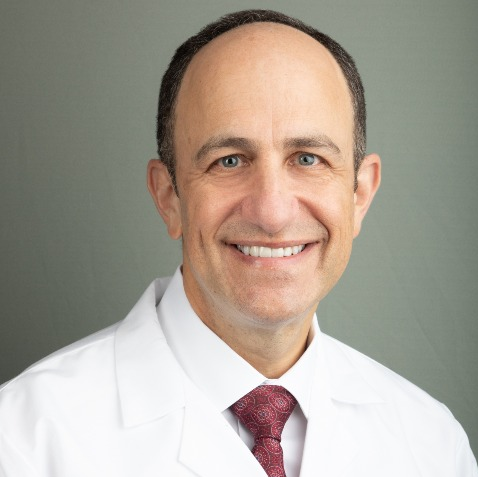
David Rubin, MD, on Positioning Therapies and Improving Outcomes in Ulcerative Colitis
Dr Rubin presents the key takeaways from his lecture on positioning therapies for ulcerative colitis to optimize outcomes, which he delivered at the ACG Postgraduate Course in Nashville.
David T. Rubin, MD, is the Joseph B. Kirsner Professor of Medicine, chief of Gastroenterology, Hepatology and Nutrition, and director of the Inflammatory Bowel Disease Center at University of Chicago Medicine.
Clinical Practice Summary
Ulcerative Colitis: Positioning Therapies to Improve Patient Outcomes
- Ulcerative colitis management should prioritize sustained quality of life, bowel healing, steroid-free remission, and affordable care while avoiding hospitalization and disability. Assess rectal bleeding, stool frequency, urgency, hemoglobin, inflammatory markers, calprotectin, endoscopy, and intestinal ultrasound.
- Moderately to severely active ulcerative colitis warrants therapies demonstrated effective for that severity. Limit corticosteroids to a single bridge toward maintenance therapy, or consider avoiding them.
- Therapy selection should account for extraintestinal manifestations, comorbidities, albumin, inflammatory burden, and insurance access. Recognize mental health challenges and inadequate insurance as factors associated with worse outcomes.
Transcript
Speaker 1:
Hi, it's David Rubin from the University of Chicago. I'm at the American College of Gastroenterology meeting in Nashville, Tennessee, and I was able to present at this meeting during the postgraduate course an update on the management of ulcerative colitis. And specifically, I was tasked to discuss positioning therapies and improving outcomes. So during my presentation, I shared with the audience what are the preferred outcomes in patients with inflammatory bowel disease and specific to my topic, ulcerative colitis.
And of course, we started with quality of life. Everything should be about quality of life when we're treating people who are suffering and recognizing that that's our ultimate goal is something we have to keep in mind. So what we want is, of course, a high level of quality of life, and we want it to be sustained, which means uninterrupted. In order to achieve that, the other outcome of interest, of course, is we would like the bowel to be healed and to avoid corticosteroids and to avoid such things as hospitalization, emergency department visits, and disability.
And I included as a preferred outcome that the healthcare is affordable. And we recognize that individuals with IBD can't afford their own care, and we recognize that society can't afford the cost of healthcare, and specific to our field, the cost of many of our therapies. So those are high bars, but we have made some successful advances in ulcerative colitis that I then went on to highlight.
I emphasized to the audience that in order to take care of patients and then choose therapies properly, you needed to start with understanding how sick the patient was. I reviewed the updated ACG activity index that we put in the guidelines for managing ulcerative colitis in adults and emphasized how we've updated that, not just to include symptoms of rectal bleeding and stool frequency, but we continue to include a measure of urgency. Bowel urgency is a very important symptom.
And then of course are the standard measures of hemoglobin and inflammatory markers, and then measures of mucosal inflammation, which include, of course, calprotectin, endoscopy, and in the 2025 guidelines, we added intestinal ultrasound to acknowledge that that is also a way to measure the amount of inflammation in the bowel.
To focus on prognosis, I made a few points, and one of them was first of all, to recognize that patients with moderately to severely active ulcerative colitis should receive therapies that we know work for moderately to severely active ulcerative colitis. That's an obvious point to be made, but it's actually not done enough by our colleagues, meaning we have therapies that work in people who have these conditions and we should be using them and not relying on steroids and not settle for patients being actively inflamed and undertreated. I emphasized avoiding errors of omission.
When I went on from there, I emphasized a few other things which had to do with recognizing the factors that predict patients who are at higher risk for poor outcomes, including the patient with ulcerative colitis who has extraintestinal manifestations, who has coexisting mental health challenges, and the patient who might have other problems that are related, such as being uninsured or underinsured, all of which have been associated with worse outcomes and a higher risk for ending up in the hospital or having surgery. And by acknowledging and recognizing who those individuals are, we should be able to triage and then select specific therapies that are going to address those problems.
When I went on to discuss how you actually pick therapies, I started by emphasizing the importance of using steroids in a very limited fashion or completely avoiding them. And I said that steroids should be a one and done approach to a patient, meaning if you use them once, that should only be as a bridge to get them to something else that's going to maintain them in steroid-free remission or consider avoiding them entirely. And I shared some of the evidence that our newer therapies work within days, certainly within a couple weeks, most of our therapies are achieving symptomatic improvement in most patients. And I shared that in most of our phase 3 trials, we have a majority of patients who are not on steroids when they enter the trial. And therefore there's a predominant amount of evidence to support that these therapies work well and I would suggest may even work better when you don't confound everything with corticosteroids.
I then emphasized the importance of treating the whole patient. That means thinking about their extraintestinal manifestations or comorbid illnesses. If they have skin inflammation, whether it's a history of psoriasis or whether they've had erythema nodosum or pyoderma, you might lean towards an interleukin-23 strategy. And if they have joint inflammation or just joint pain, whether they have a peripheral or axial spondyloarthropathy or whether they just have pain associated with their bowel problem, you might lean more towards an anti-TNF or a Janus kinase inhibitor strategy. And then we went on to talk a little bit more about pharmacodynamics—the patient with a low serum albumin or with a higher burden of inflammation, more extensive bowel, more severe endoscopic findings—they may benefit from a small molecule strategy, not a monoclonal antibody strategy, at least something to think about because we don't deal with the same problem of proteins leaking through that inflamed gut.
And we talked a bit about that and I ended by emphasizing it doesn't matter how good you are at thinking about all these therapies, now you have to get them for your patient. And I provided some suggestions about access issues in terms of what you tell the patient in terms of here's what we're going to try to get you and here's how we're going to do it if it doesn't go through. I talked about how the patient should be ready to accept calls from their insurance company and from our pharmacy or the third party that's going to help them get their medicine. And I also provided some information about how to appeal, including the suggestion of using AI to help you with your appeal letters as long as they're appropriately customized. And I gave a QR code link to the list of insurance commissioners by state where you can ask for a third party independent review of a denial when you though a therapy was otherwise indicated for your patient.
So I went through all this with the audience and I hope that they found it helpful and I hope this brief summary for you has been helpful as well. And I know that the lecture was recorded and I'm sure you can find it if you'd like to learn more. Thank you.