Same-Day Relief: Ambulatory Surgery Center-Based Therapy for Chronic Venous Insufficiency
© 2026 HMP Global. All Rights Reserved.
Any views and opinions expressed are those of the author(s) and/or participants and do not necessarily reflect the views, policy, or position of Cath Lab Digest or HMP Global, their employees, and affiliates.
Images/courtesy Sorin Medical
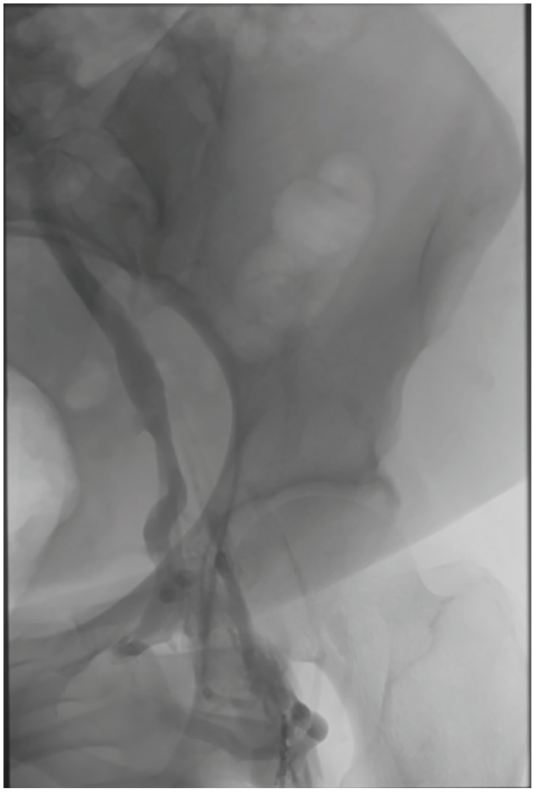
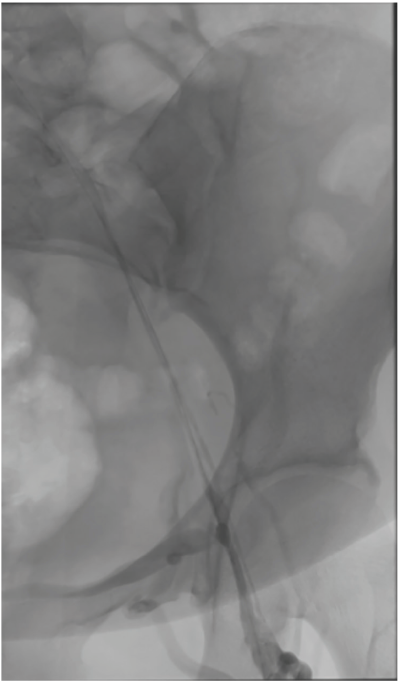
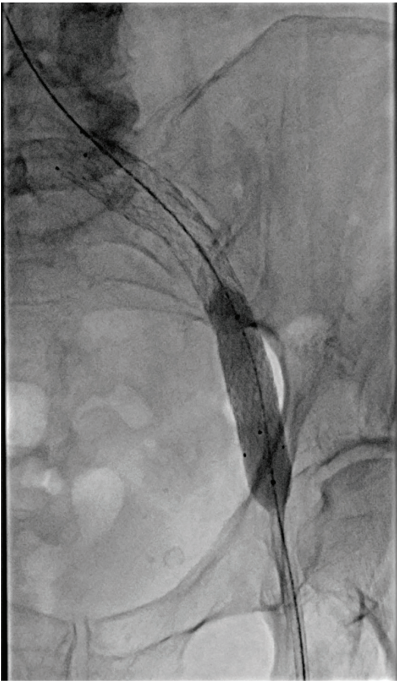
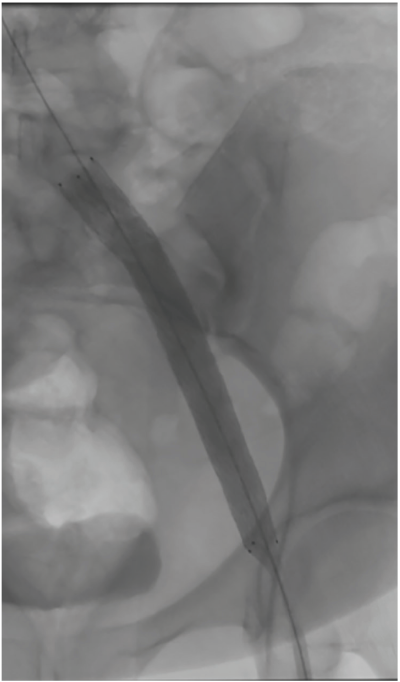
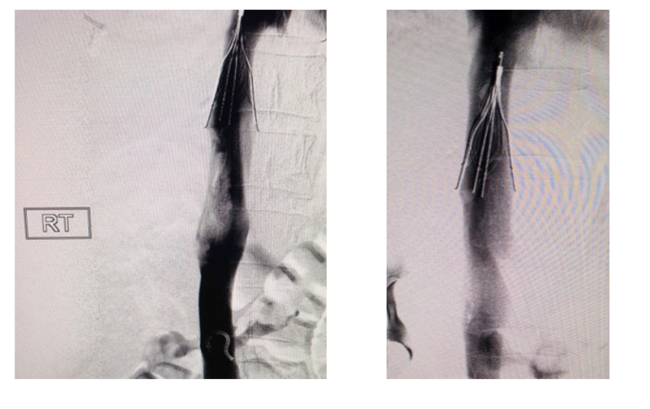
In this case, a 45-year-old female with CEAP 4 chronic venous insufficiency, history of left leg deep vein thrombosis (DVT), and inherited thrombophilia (Factor V Leiden and prothrombin G20210A) presented to an ambulatory surgery center (ASC) with worsening pain and edema despite anticoagulation, compression stockings, and leg elevation. Suspecting May-Thurner syndrome, clinicians ordered a venogram (Artis icono floor angiography system, Siemens Healthineers) that revealed total occlusion of the left common and external iliac veins with collateral formation (Figures A and B). The patient underwent percutaneous transluminal venoplasty and stent placement with a Venovo self-expanding stent (Becton, Dickinson and Company) via femoral vein access (Figures C and D). The procedure was well tolerated, and the patient was discharged the same day. At follow-up, she reported complete resolution of pain and edema, with improved limb function and quality of life.