CPR and an AED Saved His Life, Now He Advocates for Others to Have Same Access
Jennifer Davis went over to Hollidaysburg High School in Pennsylvania where her 10th grade son, Spencer, was at a routine football practice. She routinely parked her car and walked every day during his practice to get her exercise. But that day, she switched her route and walked past the practice, noting a player down.
“The head coach stopped me and said, ‘Jen, you need to go over there. That’s Spencer.’ He said he took a hit to the chest.”
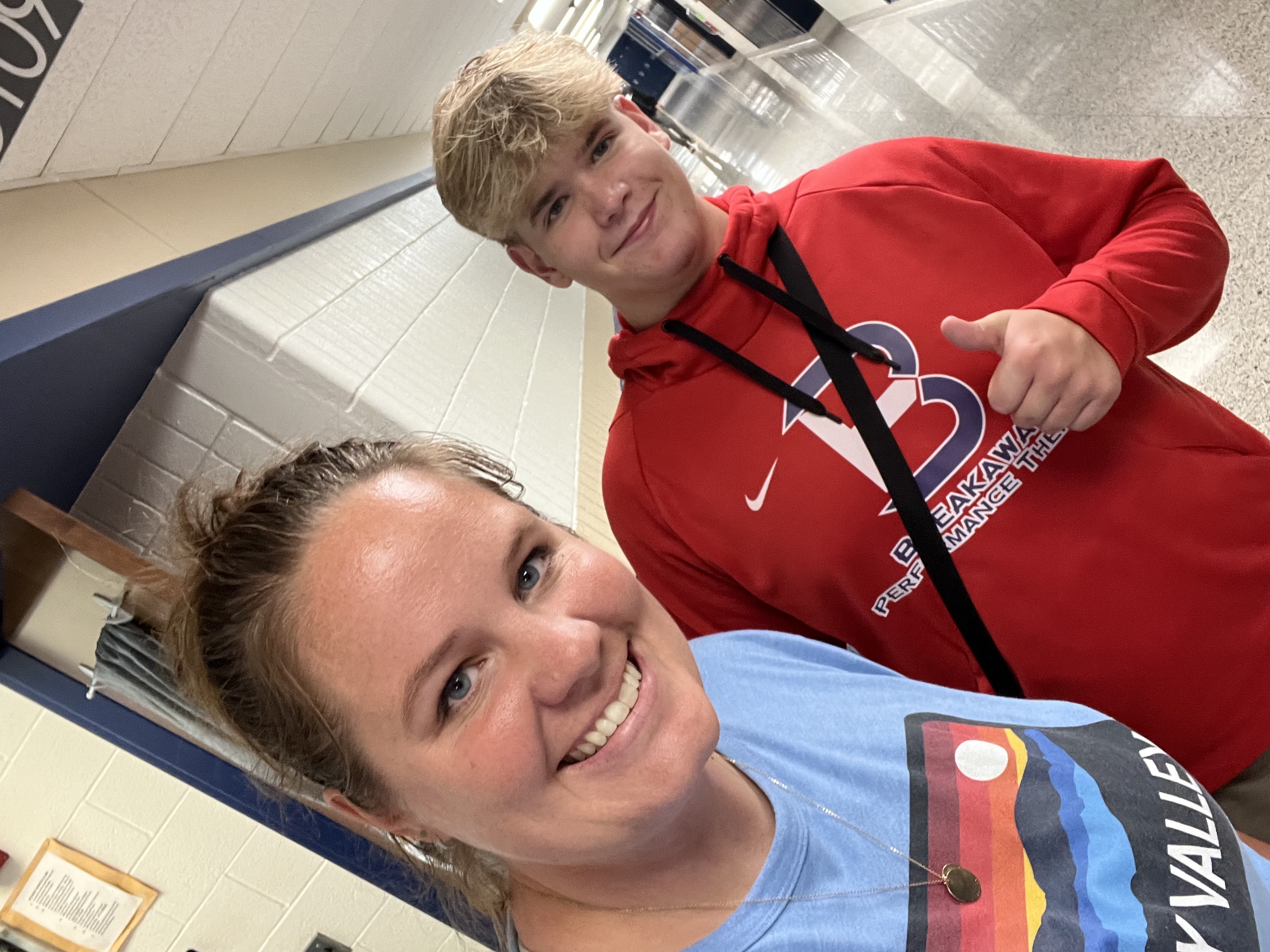
As Davis walked through the grass to the scene, she saw the coaches doing chest compressions on her son. She sprinted to his side, holding his head, telling him to hang on. The hit to the chest hadn’t been particularly hard or concerning. Spencer dropped back for a punt to block, and when his teammate was coming in, he took his shoulder and hit Spencer in the chest, Davis said.
When football coaches Rodney Chism and Joe Montrella walked over to check on Spencer after he collapsed, they found him unconscious. His breathing was irregular. His lips were turning blue. Spencer—who had no prior cardiac history or conditions nor a family history of sudden cardiac death—was going into sudden cardiac arrest (SCA).
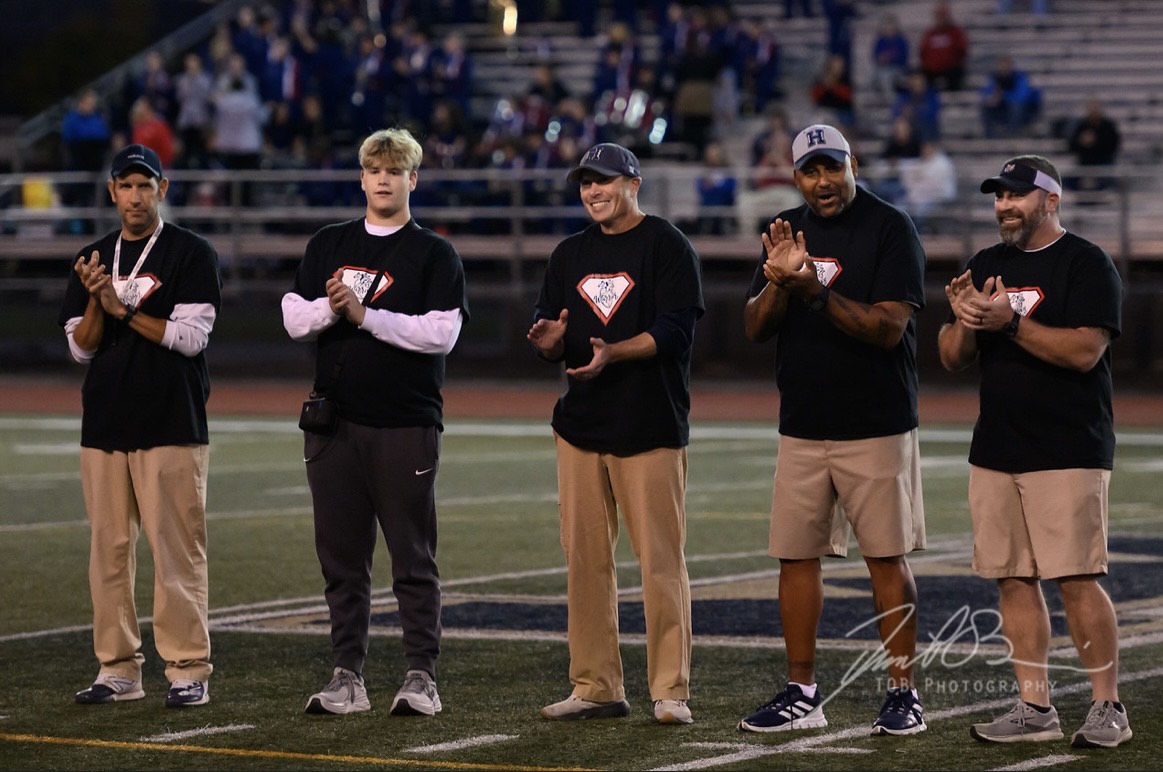
With the assistance of a teammate, coaches removed Spencer’s helmet. Chism and Montrella—neither of whom have medical backgrounds—agreed it was time to start CPR.
A call was placed to 9-1-1. Athletic trainer Amy Smearman, LAT, ATC, arrived after being summoned to the scene to check on Spencer’s breathing while Chism and Montrella continued CPR.
Coach Adam Walstrom, the senior high school vice principal, grabbed a ZOLL Automated External Defibrillator (AED) and they applied it to Spencer following the voice prompts. He required two shocks. The coaches continued CPR with the help of police who arrived until EMS came onto the scene and noted Spencer had a heartbeat and was stable.
Davis said Chism and Montrella had just been recertified in CPR the week before the incident. Montrella is the husband of Kristi Montrella, the cardiac nurse practitioner at the local hospital. He had asked her what he should do if one of his players went down on the field and she advised him to call 9-1-1, then call her on Facetime and start compressions, which in Spencer’s case he did.
“We live about a 20-minute drive from the hospital and by the time we got about halfway through, the paramedic that was working on Spencer in the ambulance yelled to the front where I was sitting with the driver and said that his vitals were stabilizing,” Davis said.
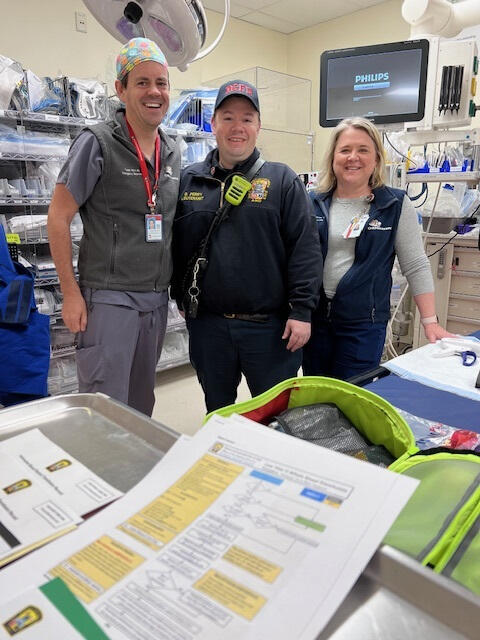
Upon arrival at Altoona UPMC, Dr. Adam Blescia and cardiology professionals Dr. George Jabbour and Kristi Montrella, with a group of emergency room professionals, received the ambulance. Spencer was transported to the trauma room where he began to interact with people.
“He kept apologizing for what happened,” Davis said. “He didn't even know what happened.”
While Spencer was getting a CT scan, his father and sister arrived at the hospital. They discovered much of Spencer’s pain was the result of the CPR. His ribs had been cracked, and he had deep pulmonary contusions.
“They told us it could take up to a year to heal,” Davis said, adding Spencer still gets a bit winded when running the bases playing baseball.
At the time of arrival to the hospital, Spencer had begun breathing with the help of oxygen. His vitals were improving due to the quality CPR given to him. He was transferred to UPMC Children’s Hospital in Pittsburgh.
A small bleed was found in the back of Spencer’s head in his brain, Davis said. “We were in the PICU for two days until he had come off the high flow oxygen. He had another brain MRI and miraculously, the small bleed that was there was gone.”
Medical personnel attributed that to Spencer wearing a helmet.
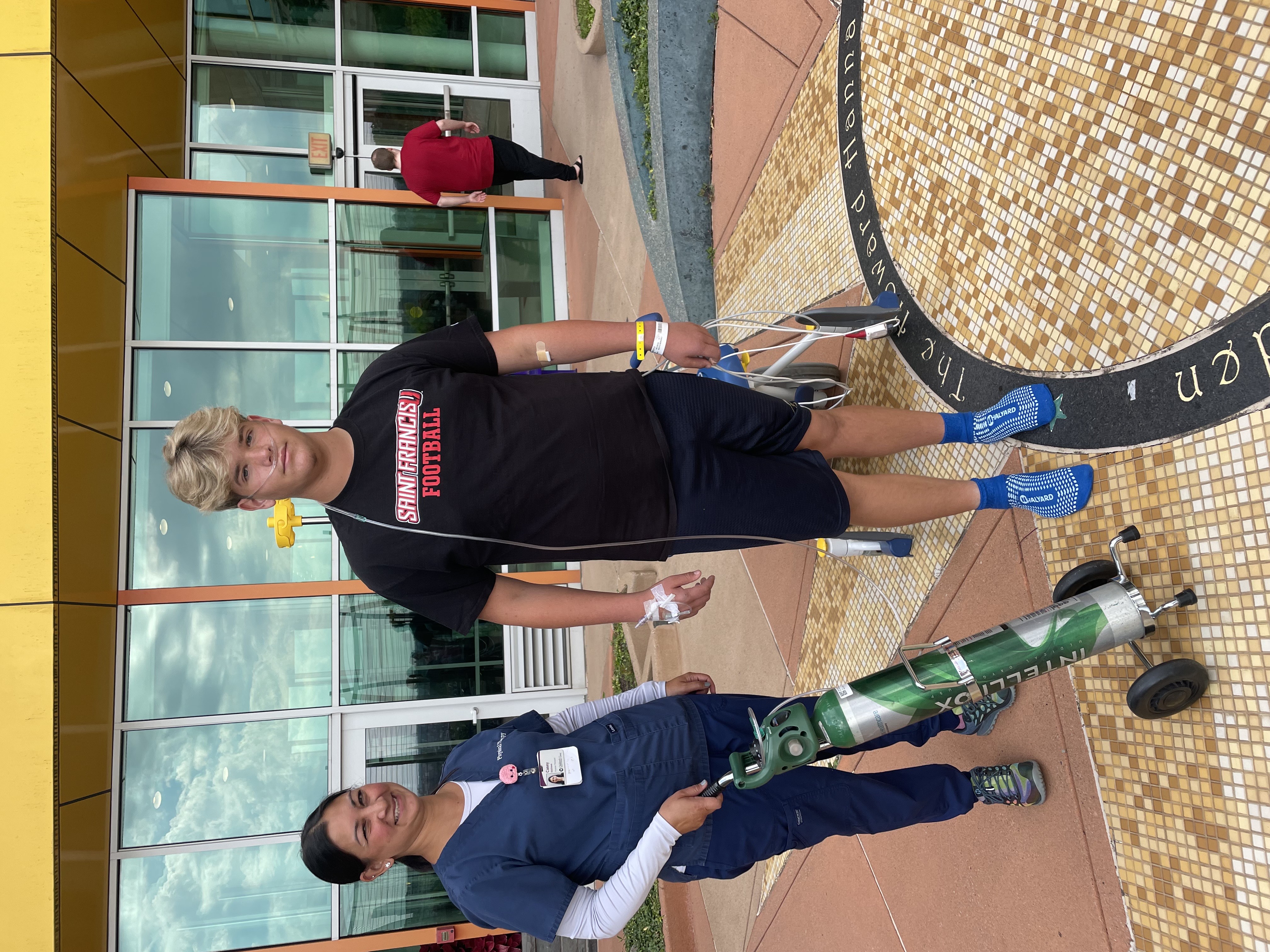
Spencer soon started walking and continued physical therapy. He was discharged with a LifeVest, a wearable cardioverter defibrillator, which he would wear for four weeks.
Ultimately, Spencer would be diagnosed with commotio cordis, the same rare condition NFL player Damar Hamlin suffered on national television on Jan. 2, 2023.
“They said his sudden cardiac arrest was due to the impact of the hit that he took during practice,” Davis said.
At UPMC Children’s Hospital in Pittsburgh, Davis and Spencer were standing overlooking the city of Pittsburgh, when Spencer appeared emotional.
“I asked him what was wrong, and he said, ‘Mom, why did this happen to me?’ I said, ‘Buddy, I have no idea. But we can do two things. We can dwell on this, or we can try to make changes. And he immediately said, ‘We need to make changes. If this ever happens to anybody else, we need to make sure they're just as prepared as my coaches were.’”
That day was the unofficial start of The Spencer Davis Foundation, for which Davis and her husband David serve as co-presidents. It officially became a nonprofit in January. Its mission is to educate, train, and provide AEDs to schools and organizations to ensure better outcomes.
According to the foundation, SCA is a leading cause of death in the U.S., affecting more than 350,000 people annually of which more than 23,000 are children.
SCA also is the No. 1 cause of deaths for student athletes, claiming more than 9,500 young lives annually, a driving factor for the need of those interacting with student athletes to get CPR and AED training.
The Sudden Cardiac Arrest Foundation’s latest statistics address sports-related SCA/SCD (sudden cardiac death).
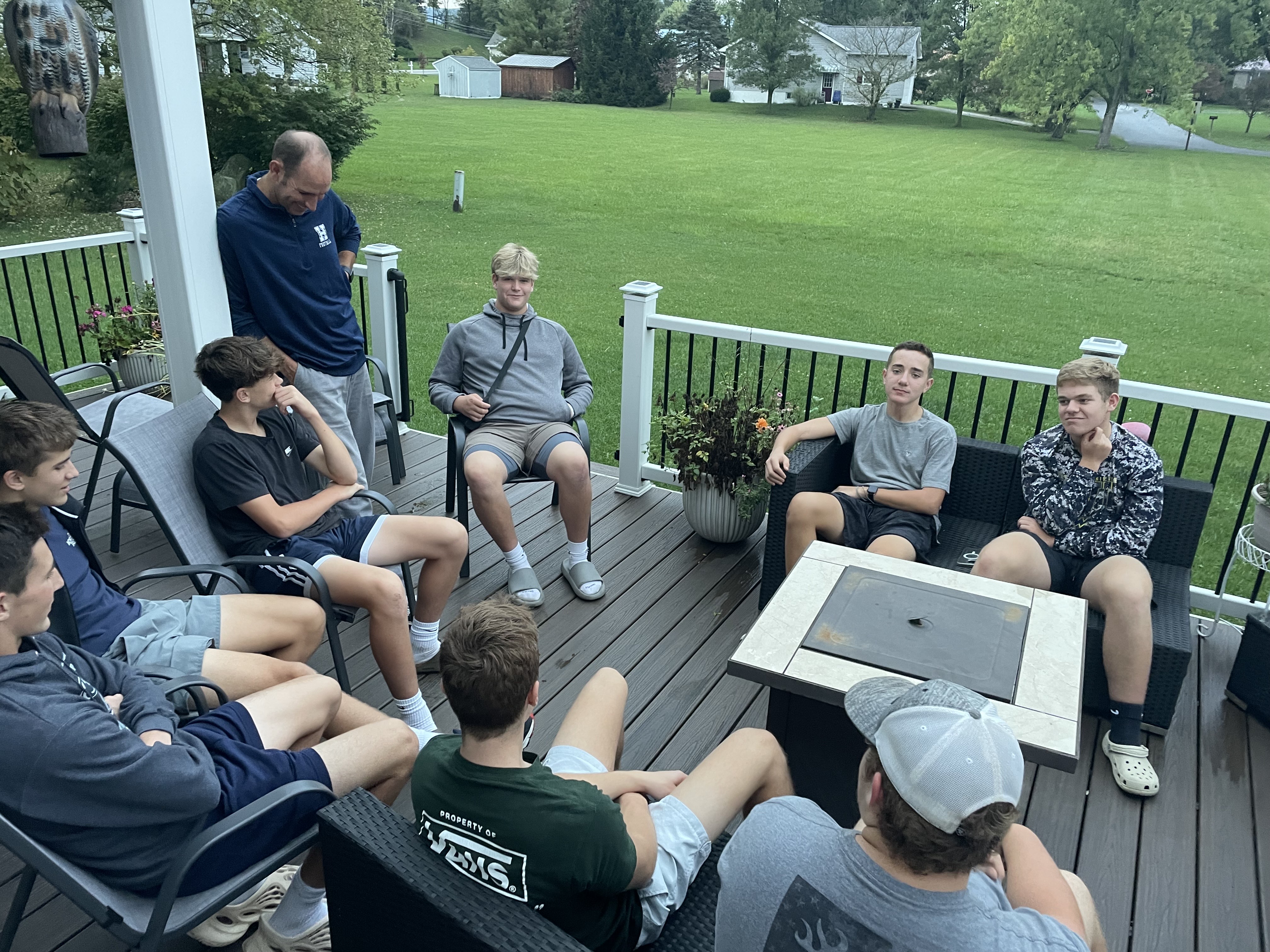
“We're finding out the state of Pennsylvania does not require CPR or AED training for coaches beyond their first two years of hire so they could be hired today and have two years to have any kind of CPR training and then be tenured for the district for 40 years and never have to take another class,” Davis said. “AEDs are not required at all sporting events.”
The Davis family went to Pennsylvania’s state capital of Harrisburg in early May to advocate for changes through Senate Bill 375.
“We’re pushing to have an AED at all practices and games for all athletic events and to have more trainings available to coaches and teachers working with these students and players,” said Davis. “We're also teaching hands-only CPR to every group that we can, including Little League teams and coaches.
“Different organizations have reached out. We had a community event where we taught hands-only CPR. We’re trying to take away the fear that if you touch an AED, you're going to get shocked. We've heard so many stories where there was an AED hanging on the wall and nobody wanted to touch it, and a person unfortunately would pass away because CPR wasn't enough.”
Davis said the foundation seeks to broaden its horizons beyond the state of Pennsylvania and has gone to Washington D.C. to share Spencer’s story. The foundation is working with ZOLL given that it was the ZOLL AED Plus that saved Spencer’s life and the LifeVest that sustained it.
Board members have now been certified to certify other people in CPR.
The foundation noted studies show using an AED in conjunction with CPR can significantly improve the chances of survival for a cardiac arrest victim.
“Minutes matter,” Davis said. “We say frequently that had the coaches not reacted as quickly as they did, I would hate to know what the outcome would have been.”
By being trained, individuals can quickly respond to a cardiac arrest situation and begin life-saving measures before professional medical help arrives, which is key because an ambulance may be hindered in arriving to the scene by traffic or the distance that it must travel to get to the call.
Davis noted that in Spencer’s specific situation, “they could have done CPR on him for hours, and without the shock to his heart, he would not have survived.”
AEDs are becoming increasingly available in public places. Modern AEDs are designed with voice prompts and simple instructions, making them relatively easy to operate even for nonmedical professionals.
The Spencer Davis Foundation has partnered with the Greg Moyer AED Fund to provide AEDs to organizations. In Greg Moyer’s case, he had been playing basketball and went into sudden cardiac arrest. No AED was available, and CPR wasn’t started for more than 10 minutes.
Each foundation has donated five AEDs to the Pennsylvania State Police.
“ZOLL has given the foundation a great deal where we're able to sell the AEDs at a discounted rate,” Davis said. “To this point, we’ve sold 11 of them and donated five in June.” The Spencer Davis Foundation pays $2,050 to $2400 for each unit depending on the model, Davis said.
The organization planned to donate an AED to the 2025 Pittsburgh Heart Walk sponsored by the American Heart Association. The Spencer Davis Foundation also slated a fundraiser for July 12 to raise money for more unit donations.
“Other companies sell them cheaper, but ZOLL has taken us under their wing,” Davis said. “Their products saved Spencer's life, so we've been promoting those. But I also tell people the best AED is the closest AED.”
The foundation also has partnered with other organizations to donate a LUCAS machine to UPMC Children’s Hospital in Pittsburgh.
Davis noted the NFL started the Smart Heart Sports Coalition to advocate for all 50 states to adopt evidence-based policies helping to prevent fatal outcomes from SCA among high school students.
Those policies include:
- Emergency action plans for each high school athletic venue that are widely distributed, posted, rehearsed, and updated annually.
- Clearly marked AEDs at each athletic venue or within one to three minutes of each venue where high school practices or competitions are held.
- CPR and AED education for coaches.
Discounted AEDs are available through the coalition, Davis said. Good Samaritan laws in all 50 states help provide protection for rescuers performing CPR or using an AED to save a life. Florida recently passed a law requiring all public and charter schools have at least one AED by July 1, 2027. The law also mandates staff and students receive AED training.
Davis noted it’s imperative for people to pair up with emergency medical professionals to ensure the best outcome. That entails knowing how to perform CPR and putting an AED on someone who needs it. The foundation had one of its trainings with its local EMS. AED voice prompts indicate when to do compressions harder, faster, or deeper, when to stop, and when a shock is advised. “We need to take the ignorance out of it, and working with your local EMS is imperative,” Davis said.
UPMC Children’s Hospital in Pittsburgh staff after reading the AED information told Davis to thank the coaches as they had performed CPR “perfectly” Davis said. While he has residual pulmonary contusions and his lungs and sternum are still healing, Spencer is now doing “great;” he participated in recreational basketball in the winter, is on five baseball teams, and is driving.
“Spencer is living proof that CPR works and AEDs are imperative,” Davis said. “I can’t express enough how important being trained is and knowing what you're doing.”