The EMS Role in Medication-Assisted Treatment
An increased role for EMS providers may help against the ongoing opioid crisis, said speakers at the Gathering of Eagles’ 2022 conference in Hollywood, Florida.
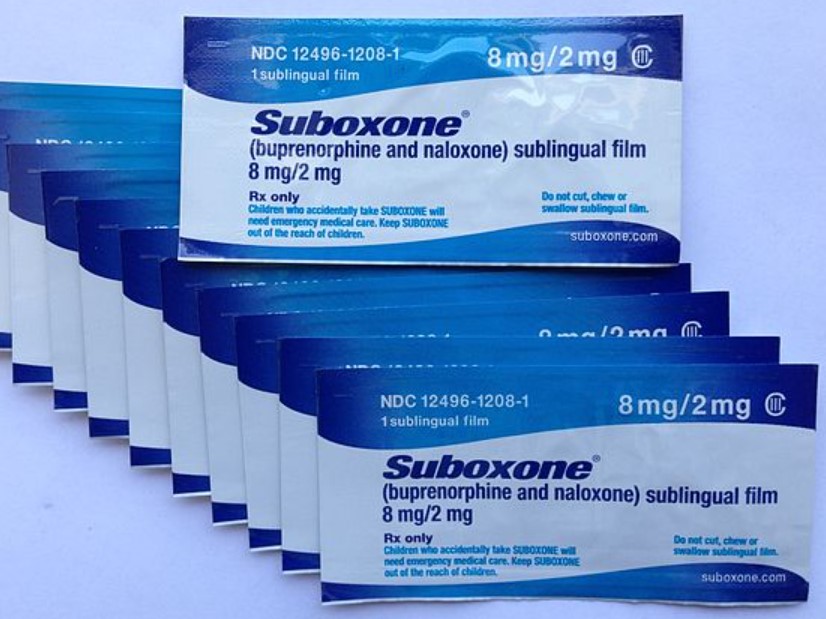
Medication-assisted treatment (MAT) is considered one of the most effective addiction treatment approaches for opioid use disorder (OUD). It combines medical, behavioral, and social counseling toward the goal of long-lasting positive results. The use of such MAT pharmaceutical options as methadone, buprenorphine, and generic forms of Suboxone has been a game-changer, experts note.
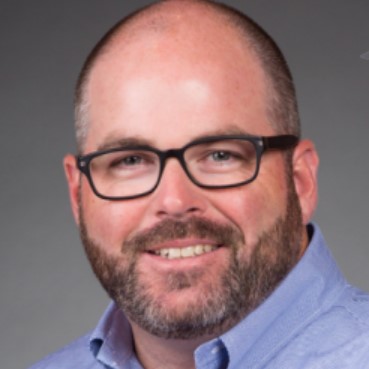
“When you put people through this program, they stop using (opioids),” said Angus M. Jameson, MD, MPH, EMS medical director for the state of Florida. “This is clearly a best practice.”
David Miramontes, MD, NREMT, medical director for the San Antonio Fire Department and assistant clinical professor at the University of Texas Health Science Center, showed an image of a brain to illustrate how high doses of opioids impact the brain chemistry and help drive OUD.
“It’s a crisis that’s gone bonkers, especially with the synthetics,” he said. “It’s cheaper to make fentanyl than grow heroin, so the cartels are figuring out they can get more bang for the buck by making it themselves.
“We know that just not taking drugs doesn't work. That’s why we have to treat it like hypertension and diabetes, with control medications over a period of time or a lifetime.”
In Texas paramedics assist those with opioid use issues and their families through treatment and peer support and use MAT as a harm-reduction approach to help treat withdrawal symptoms.
MAT—specifically using Suboxone—is “incredibly successful,” said Kenneth A. Scheppke, MD, medical director for the city of West Palm Beach and Palm Beach County Fire Rescue. His team has seen 75% of those treated not returning to the ER with another overdose.
“Why wait for the ER? How about it if we just refer people to opioid treatment for opioid use disorder right from the back of the truck?” he asked. “Our paramedics were getting consent from our patients right from the back of the truck, causing their information to be immediately electronically transferred to a treatment provider. A social worker or peer counselor follows up within 24–48 hours.
“We’ve referred 180 times, 170 unique individuals, had 90 successful contacts, and gotten 21 folks into therapy.”
The benefits of such an approach include decreases in overdose deaths, homelessness, crime, the use of 9-1-1 resources, and lower HIV and hepatitis B and C numbers as people get into primary care.
“It gets people back to work or school, and they become productive members of society,” said Miramontes.
Carol Brzozowski is a freelance journalist and former daily newspaper reporter in South Florida. Her work has been published in more than 200 media outlets.