Venice, Florida Mayor Retains EMS Ties
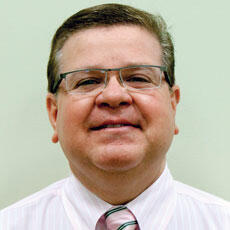
Venice, Florida’s mayor Nick Pachota begins his days at 5 a.m. answering city-related emails before heading to help manage the family restaurant business. At day’s end, he’ll grab dinner, let the dogs out and head to a local hospital where he is an EMS clinical instructor and his wife, Kate, works 12-hour nursing shifts.
“We’ll pass in the night,” Pachota said.
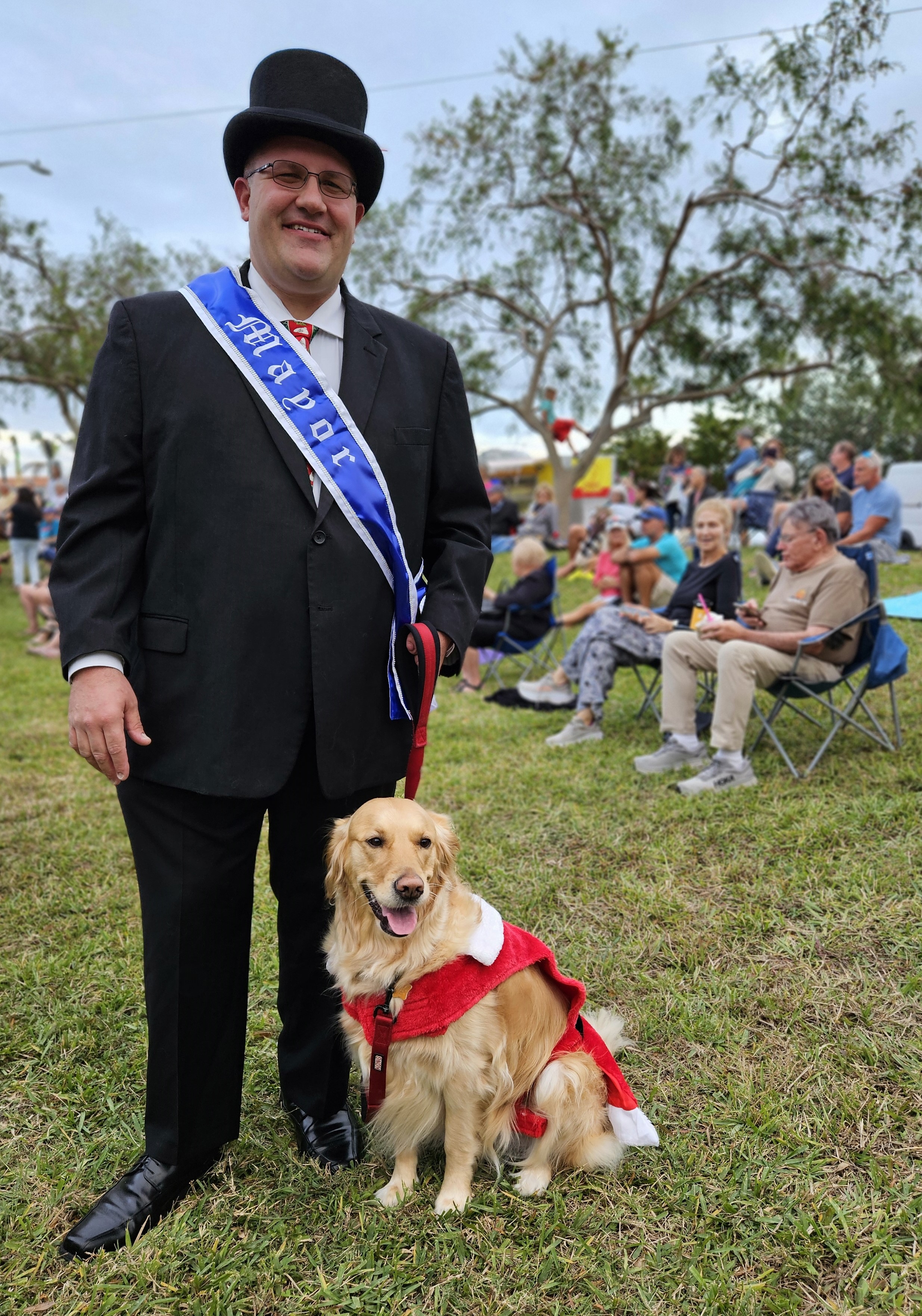
Pachota brings a unique perspective to city leadership with experience in emergency medicine, firefighting, and law enforcement.
His journey began at age 14 as a police Explorer. Though initially drawn to law enforcement, he found a stronger calling in emergency medicine after enrolling in an EMT program. Pachota figured emergency medicine aligned with the first responder profession that included law enforcement. The intense 12-week program entailed working nights three days a week and weekend clinicals. He loved it.
“I still loved law enforcement, but I felt I was making much more of a difference and impact as an EMT,” Pachota said.
Pachota’s emergency medicine career began in October 2002 when he served as an EMT and administrative officer for the U.S. Department of Homeland Security, providing high-quality medical care in disaster situations and austere conditions affecting large populations. Pachota was also picked up by the Orange County medical director's office to work in its special needs sheltering program.
“I got tasked to the Disaster Medical Assistance Teams (DMAT) under the Public Health Service,” Pachota said. “We were founding members of Homeland Security. It never existed at that time. They used us as their medical component to terrorism response.”
Although Pachota has been trained in bioterrorism response, he’s never had to use it.
He would go on to serve in various leadership roles for American Ambulance in Orlando, Orange County Government Emergency Management CERT, and Brevard County Fire Rescue. He has been a tactical medic/training officer for the University of Central Florida Police Department.
Pachota was a board member for Central Florida Disaster Services, an administrative officer/paramedic for the National Disaster Medical System, and a deputy commander for the State Medical Response Team 5 in Florida.
Since May 2008, Pachota has been the training director for Emergency Services Unlimited. He has served as the deputy team commander/paramedic/administrative officer for the U.S. Department of Health and Human Services.
Pachota has served as team commander/incident commander for the Central Florida Disaster Medical Coalition overseeing tactical team functions while deployed during disasters, training missions, and other special activities. He is the DMAT Florida 4 deputy team commander.
He has experienced several devastating hurricanes over the years. He treats every hurricane season by hoping for the best and preparing for the worst. He is involved in community education events and is heartened by neighborhoods whose residents help each other out, such as putting up shutters.
Pachota has been deployed to Hurricanes Charley, Frances, Ivan, Jeanne, Rita, Wilma, Matthew, former President Barack Obama’s inauguration, Superstorm Sandy, and Superbowl preparation. He says Hurricane Katrina was among the most taxing hurricane response.
Out of EMS, Into Private Sector—And Back
Pachota transistioned from public safety into the private sector to help run the family restaurant business. Pachota’s grandmother had Alzheimer's and he and his wife—whom he met in a hospital emergency room where he was teaching paramedic students—helped take care of her.
After six years of working in the restaurant business, Pachota missed doing something in the government sector. When he was younger, he enjoyed visiting the mayor’s office and serving on the Youth Advisory Board. When he became a young adult, the mayor suggested Pachota serve on a few city boards. Pachota thought he would pursue an elected office when he retired but decided to run for Venice’s city council in November 2019 and won his campaign.
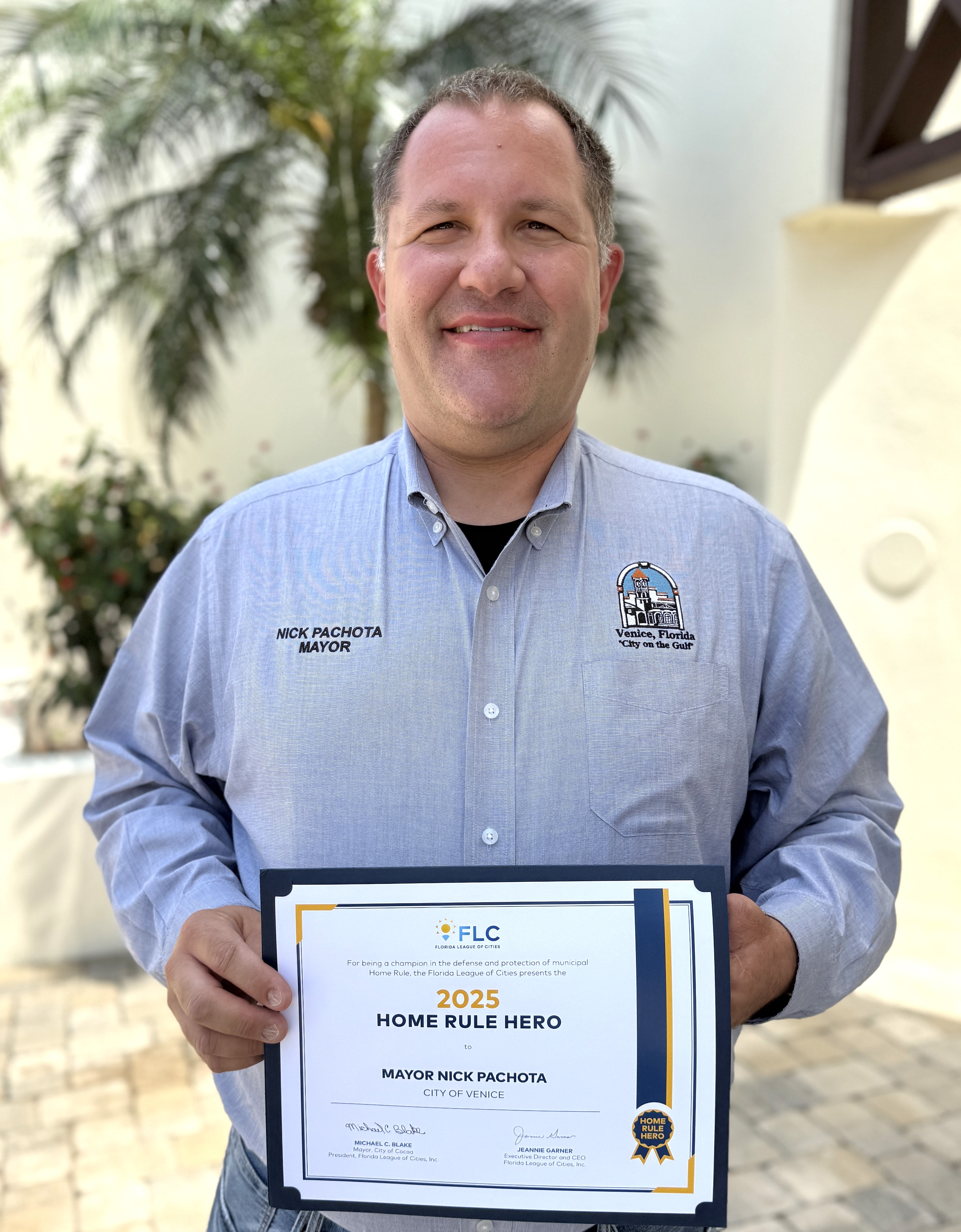
He served as vice mayor from November 2021 to November 2022. He was elected mayor in November 2022—the city’s first Millennial mayor. He aspires to a Florida House of Representatives seat.
Pachota continues to work for the family’s restaurant business, spearheading its affordable housing program for its workers.
“When we have disasters, I’m still a deputy commander for the DMAT team,” Pachota said.
Pachota said the most mentally taxing—and most rewarding —task of his career was being part of a team administering the COVID-19 vaccine statewide. He deployed for 363 days with a team of 50 to 60 people. There was a management team of 30 people with more than 1,000 responders, including paramedics, contract nurses, and National Guardsmen.
Initially, Pachota’s team was conducting containing and swabbing in nursing homes and long-term care facilities to help prevent outbreaks. The team transitioned to providing vaccinations in long term care facilities and then began operating in pop-up clinics statewide to offer the vaccine, ultimately administering 2.1 million doses.
“It was probably the highlight of my career,” he said. “I’m glad we're done with that and hoping we don't have to do that again.”
Bringing Experience to City Decisions
Pachota’s experience across fire, EMS, and law enforcement shapes his collaborative leadership style and public safety decisions whereas someone new to government work may not understand their role regarding decision making for first responders, he said.
“They think, ‘I should be at the forefront of what's going on’,” Pachota said. “The best thing you can do as an elected official is support the staff tasked with doing the job. They’re the ones who enact what we give them for policy. They're the ones doing the rescues. Having that understanding and the ability to support them makes us function so much better as a team in city government.
“It’s team-building. Even though these are elected officials of different mindsets from different walks of life, we still need to try to work together for the betterment of the city, understanding that chain of command and that ability to be in charge. I think the council looks to me a lot when it comes to making a lot of these public safety decisions.”
Pachota said in bargaining talks with police, fire, public works, and utilities, “obviously, I’m pro-firefighters, EMS, but at the same time I'm pro all employees getting what they deserve. We want people to work in a good, collaborative environment, but I'm charged by the taxpayers to not waste our money.”
Pachota recently took an emergency management course with other Venice and Sarasota County elected and government officials—despite having taught it himself—to lead by example.
Pachota told the group, “Let me tell you what being an elected official does to those who are operational. When you call us, you're impacting the response. We're focused, trying to get things done. It’s a very intense, high stress environment. When you start cherry picking what you want as an elected official for your community, it disrupts that response. There’s a much better way to handle this.”
Pachota draws on his EMS background to help residents understand how their tax dollars support EMS. He cited communication from Kevin Guthrie, Florida Division of Emergency Management executive director, at a public hurricane preparedness event in which Guthrie explained “you have gotten to this point in your lives where you think that the government is responsible for all of this, and it's not really the government's responsibility. You can help the government by being more prepared.”
Preparedness means less burden for the government to shoulder in the pre- and post-hurricane period.
Governments don’t always have the resources to handle everything, Pachota said.
“I equate it to triage,” he said. “As a paramedic, I always say the goal is to take the limited resources you have and do the greatest good you can with the limited stuff you have. I look at it the same way in government. There’s no way the city is going to provide enough sandbags in the middle of the storm to handle every single house. We can educate you. But you need to make sure you get all that stuff and that evacuation plan, so we don't have to worry about one more rescue."
Educating the Public on Operations
As an EMS educator, Pachota sees his job as educating the public on what the city is doing and what resources—such as shelter locations—are available when evacuation orders are made. Fire-rescue departments often have a ‘no-go’ period for ambulances based on wind speeds.
“The thought of not having access to EMS isn't in people's minds,” be it a hurricane or snowstorm, Pachota said. “It’s not because we don't want to. We're all sitting in the station waiting for this storm to pass so we can get out there and save you.”
In Venice, those over 65 comprise nearly 62% of the population. That can present some challenges, Pachota said. “We’re trying to condition people to leave–even if it’s close by–sooner rather than later to get comfortable, get situated. It’s less anxiety, less stress, less last minute of running to the store and getting things.”
Meeting Community Challenges
Pachota said there are some inherent challenges in establishing programs in his community: picking what to do, how to afford it, and tailoring it to the demographic.
Pachota noted many older residents are not technologically savvy, creating a challenge for telemedicine. Community paramedic programs are a valuable addition to EMS, said Pachota, who teaches classes on the subject. He hopes to establish such a program in Venice before he leaves his mayoral office.
The city’s older residents don’t necessarily need a hospital visit—just someone to check in, ensure they’re taking their medications, and catch potential issues early, he said. He is also supporting the local hospital system in ensuring they have what it needed for expansion to provide the community more resources.
Teaching the Next Generation
Pachota noted this is most likely the best time to be in EMS.
“If you think of where we've come since the ‘70s, there's so much technology,” he said, citing prehospital whole blood transfusion and telemedicine.
Pachota sees fewer EMS students now than when he was the program director/lead EMS faculty from 2009 to 2015 for Eastern Florida State College in Cocoa, Florida, running four campuses, and six EMT and two paramedic programs annually.
In his current teachings at Suncoast Technical College, there is one paramedic program and a few EMT programs. Pachota noted newer students don’t seem as aware of the industry. While some are following the family tradition to work as a first responder, others are making career shifts. Pachota sees his role as showing students the industry and letting them decide whether it’s for them or not.
Work Life Balance
To decompress from his busy schedule, Pachota rides a tractor through a five-acre blueberry and bee farm he and his wife started.
“As I’ve been getting deeper and deeper into politics, and especially being mayor, I've had to find a lot more coping techniques,” Pachota said.
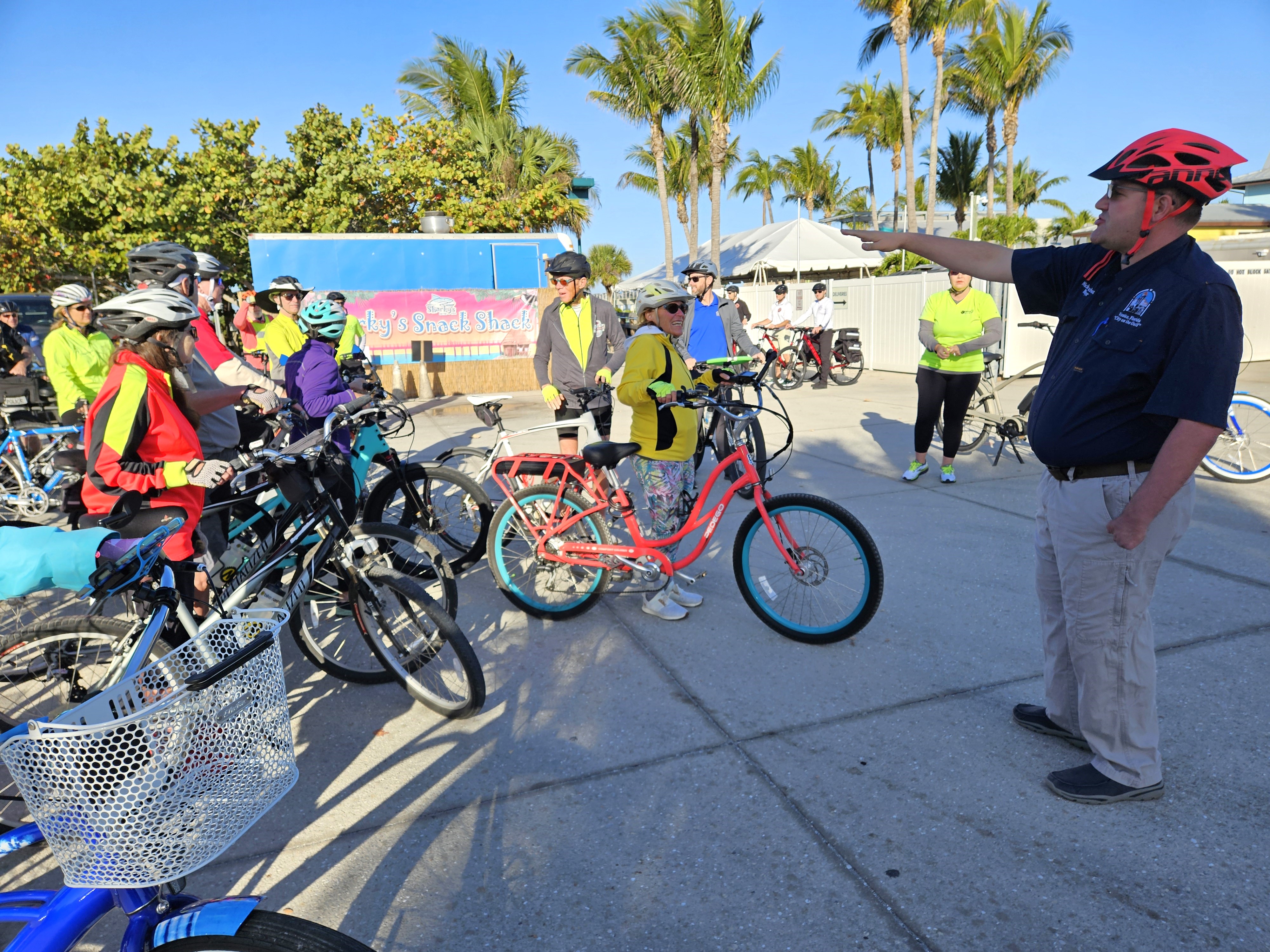
Pachota enjoys riding his bicycle and will occasionally host a bike ride for interested Venice residents. He also relishes spending time with his dogs and has a dog bed set up in his mayor’s office.
Pachota noted support from his family and the community.
“They know my love for what I do and the impact I'm trying to make,” he said. “It’s been challenging, but we've made it work.”