EMS World Q&A: Scott Gilmore, New Board Chair of National Registry
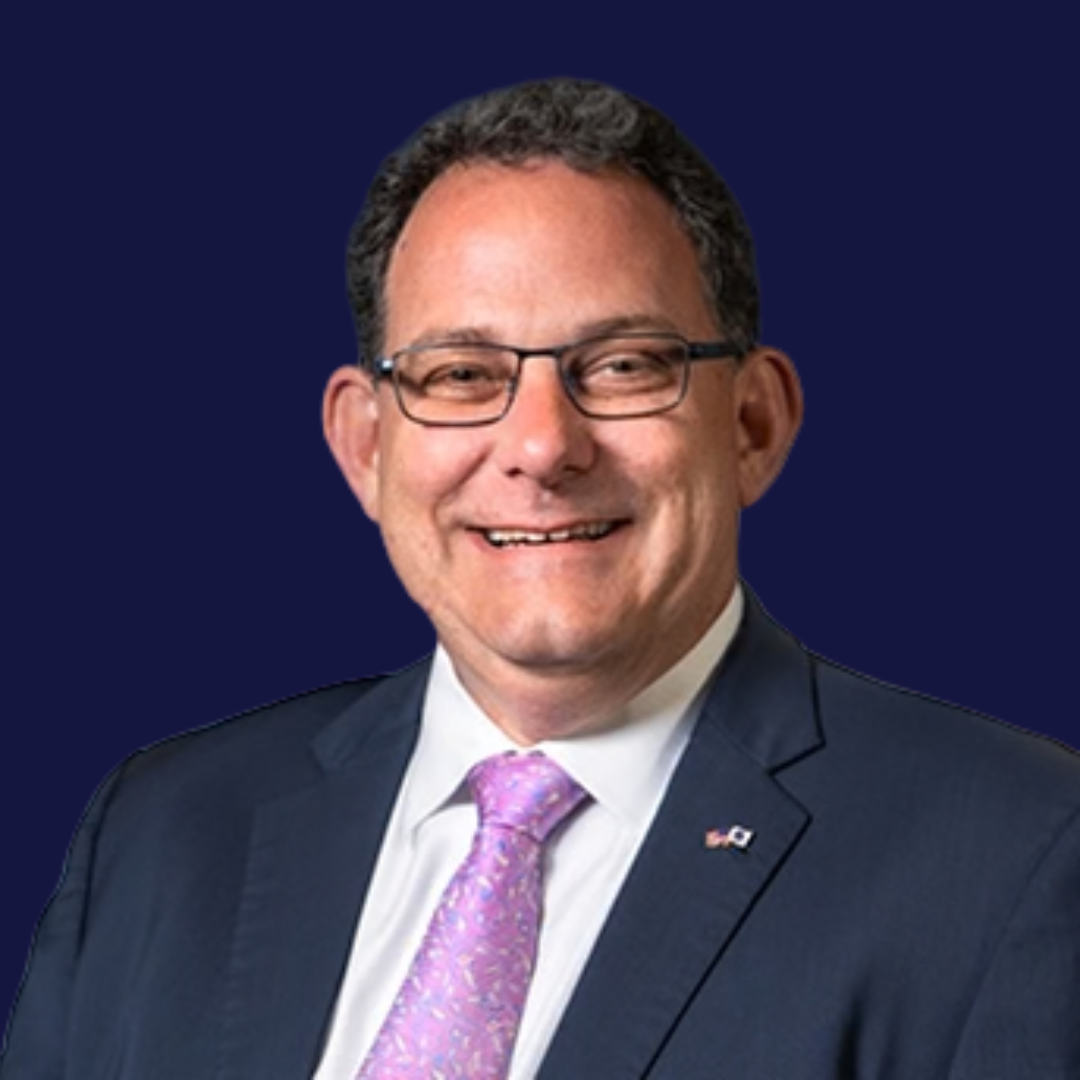
The National Registry of Emergency Medical Technicians (National Registry) and its Board of Directors announced March 12, 2026, that W. Scott Gilmore, MD, FACEP, FAEMS, has assumed the role of Board Chair. Gilmore began his term on Jan. 1, 2026, and will serve through Dec. 31, 2027.
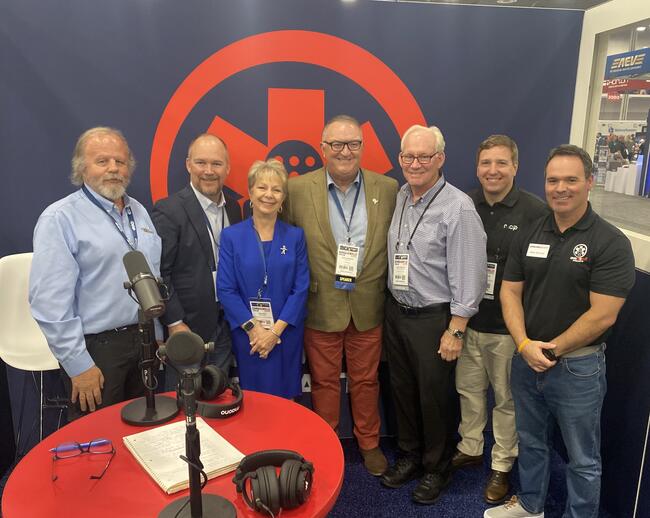
Gilmore is an emergency physician who works at a busy tertiary suburban hospital. In addition, he serves as medical director for the St. Louis Fire Department and is a frequent featured speaker at EMS World Expo.
In this exclusive for EMS World, Gilmore shares his background in EMS, describes some current challenges to the field and outlines his vision for the board moving forward.
EMS World: You’ve had a long and diverse career across EMS, from EMT to physician and medical director—what motivated you to take on the role of Board Chair of the National Registry at this point in your career?
Gilmore: To begin with, I firmly believe in the mission of the National Registry. I have seen the value of initial certification as well as continuing certification. This was one of my main motivators when I initially joined the Board of Directors. After serving on the Board for a period of time, I became more interested in taking a leadership role on the Board.
EMS World: The EMS profession is facing ongoing challenges, including workforce shortages, evolving clinical demands, and system pressures—what do you see as the most urgent issues right now, and how can the National Registry help address them?
Gilmore: There are many urgent issues that are facing EMS currently. Unfortunately, these cannot be tackled by one singular organization. It is going to require partnerships from across the industry. I feel that the National Registry is in a unique position to help foster these partnerships.
EMS World: You bring experience from frontline care, system leadership, and education—how do these perspectives shape your approach to leading the National Registry’s Board of Directors?
Gilmore: My previous experiences have helped me to understand that, as the nation’s certification organization, everything that the National Registry does must be placed in the appropriate context. However, as a leader, I understand the importance of collaboration and teamwork. I am fortunate to work with a gifted bunch of individuals on the Board of Directors. Because of the diversity of the Board, the EMS industry is well represented with differing perspectives.
EMS World: The National Registry is emphasizing modernization, including advancements in examinations, technology, and research—what specific changes or initiatives are you most excited to help drive during your term?
Gilmore: We are living in fascinating times. The rapid adoption of artificial intelligence (AI) is going to affect everything that we do in the future. Because of this, the National Registry, like every other organization, is currently determining how AI can help streamline the processes of the National Registry as well as understanding the limitations of AI. Because of this, I believe there will be rapid change within the industry. What used to take years will now be accelerated to just taking months.
EMS World: Looking ahead to the entirety of your tenure, what would success look like for you as Board Chair, and what lasting impact do you hope to have on the EMS profession and patient care?
Gilmore: What I would measure as success for my term as chair of the board would be the adoption of an agenda for continuing competence. Initial education has been well developed within the EMS industry over the last several decades. Unfortunately, the same does not hold true with continued competence. If you look back and review all of the historical documents that have been published over the years regarding EMS education, continued competence has always been a footnote.
Additionally, increasing partnerships within the industry is another goal of mine as Board Chair. EMS has been historically fragmented due to the different delivery models that exist. Because of this, EMS has not always had one voice, and this has led to a slowing of the development of not only the profession but also the industry. At the core, we all agree on about 80 to 90% of the issues facing the profession. We all need to come together to use this agreement to advance the profession as well as the industry.
Visit www.nremt.org for more information