Saving and Sharing Life: One Medic's Impact on Blood Donation
By Indianapolis EMS Public Affairs
On trauma runs, typically the focus is on immediate intervention tactics like the use of tourniquets, wound packing, and rapid transport. Behind these high-stakes moments lies another tactic—a quiet collective force that saves lives every day—blood donation and transfusion. For trauma patients, a blood transfusion can mean life or death. This truth about the impact of blood recently became personal for Bruce Tilson, a veteran medic with Indianapolis EMS (IEMS).
While celebrating 20 years of service with IEMS, Tilson reflects one of his proudest contributions to the organization: the advancement of the blood activation program. Tilson and his team are spearheading efforts to provide up to two units of blood at the point of injury. According to Indiana University EMS and IEMS fellow Patrick Sarette, MD, MPH, NRP, who is focused on gathering data for this program, since June 2025, this program has cut the time for transfusing blood into a patient at the hospital vs. on scene by nearly 20 minutes, leading to a 76% survival rate in penetrating trauma injuries that typically carry a high mortality rate. These transfusions reduced patients’ shock index by an average of 47% (average of 1.53 pre-transfusion reduced to average of 0.82 post-transfusion), and only 29% of patients needed additional blood from the trauma center.
Readiness starts with the supply of blood. IEMS has partnered with Eskenazi Health to keep blood-equipped medics stocked in case of an emergency. These specialized paramedics assess trauma patients carefully if they meet criteria for blood transfusion and obtain emergency consent from patients before blood is administered.
“The Eskenazi Health blood bank team has been critical in getting blood onto the streets where it can be delivered sooner to those who need it,” said Mark Liao, MD, medical director of IEMS.
The support even extends to other hospitals in the area. When blood is used in the field, no matter which local hospital the patient is taken to, the Eskenazi blood bank ensures that required records are appropriately transferred to the trauma center that received the patient. As of June 2025, the medics haven’t wasted or returned unusable any blood they were equipped with.
Unfortunately, blood can be a hard resource to come by. According to the American Red Cross, every two seconds someone in the U.S. needs blood or platelets, yet only about 3% of age-eligible people donate at least yearly.
“If there’s no blood, the program doesn’t work,” Tilson said. “If we transfuse blood in the field to our community, we should do our part to replenish the supply.”
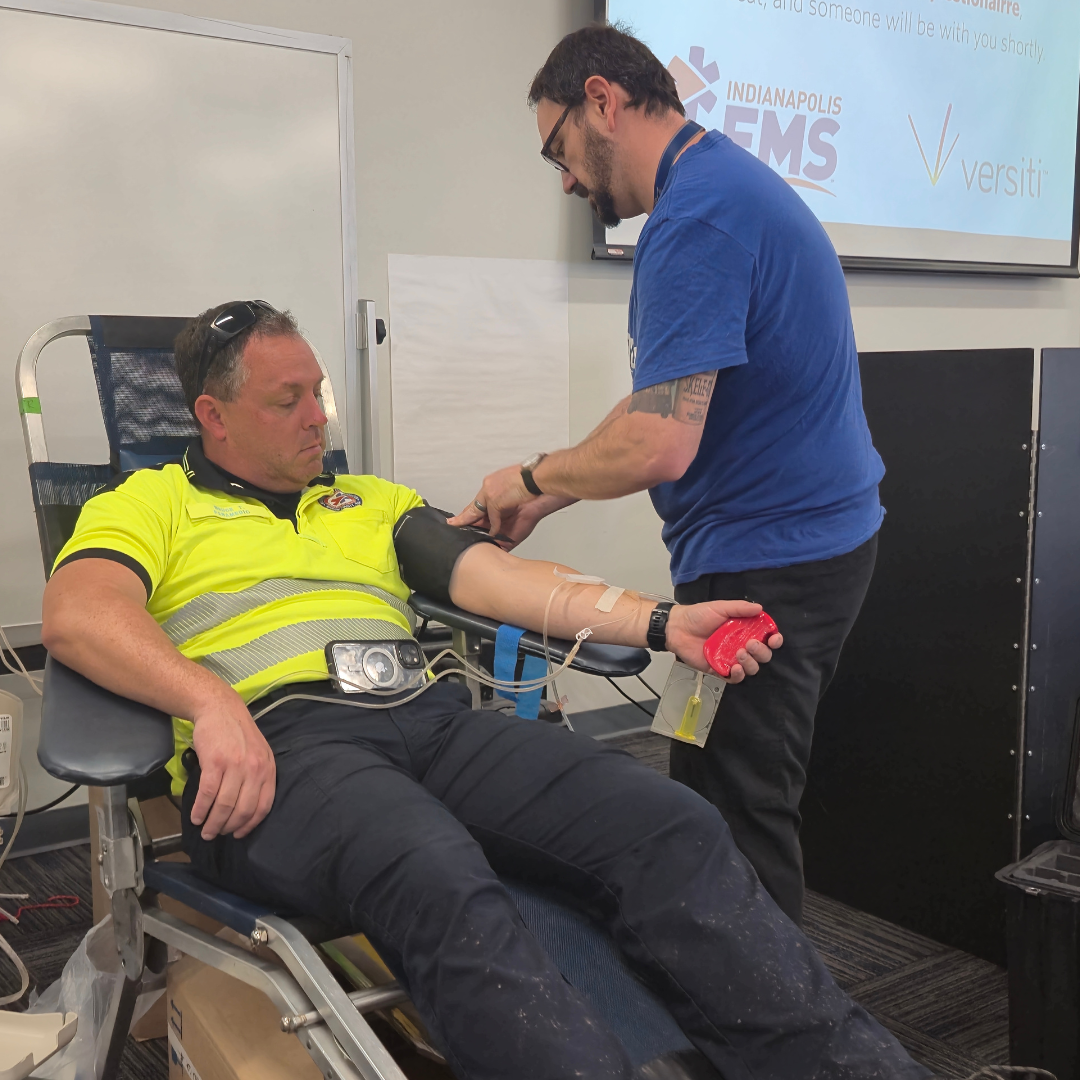
His recent decision to begin regularly donating reinforces the importance of this mission and his belief in the blood activation program’s success. “Blood donation costs nothing but the reward could be massive,” he said. “I know it can save a life, and it may even save mine in the field.”
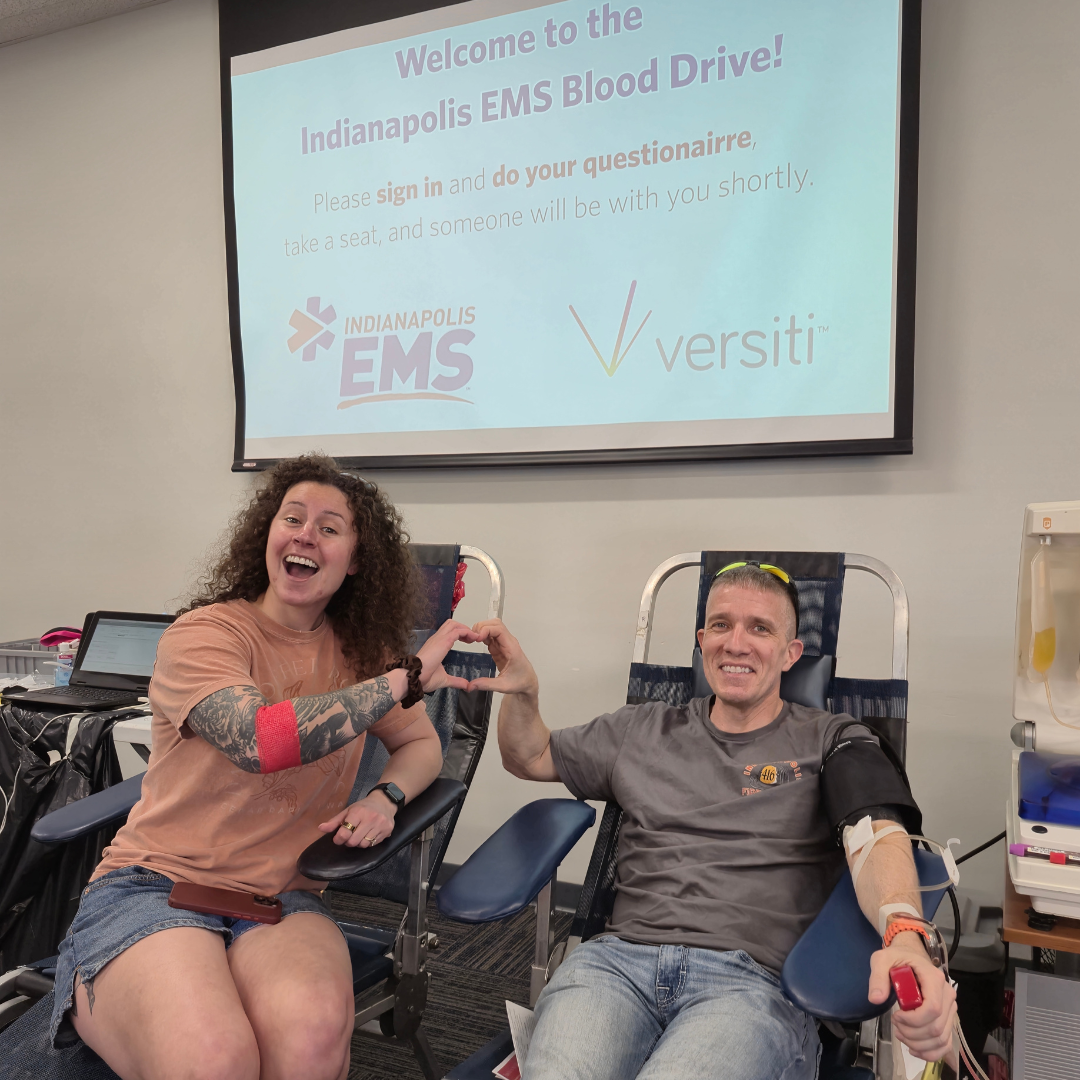
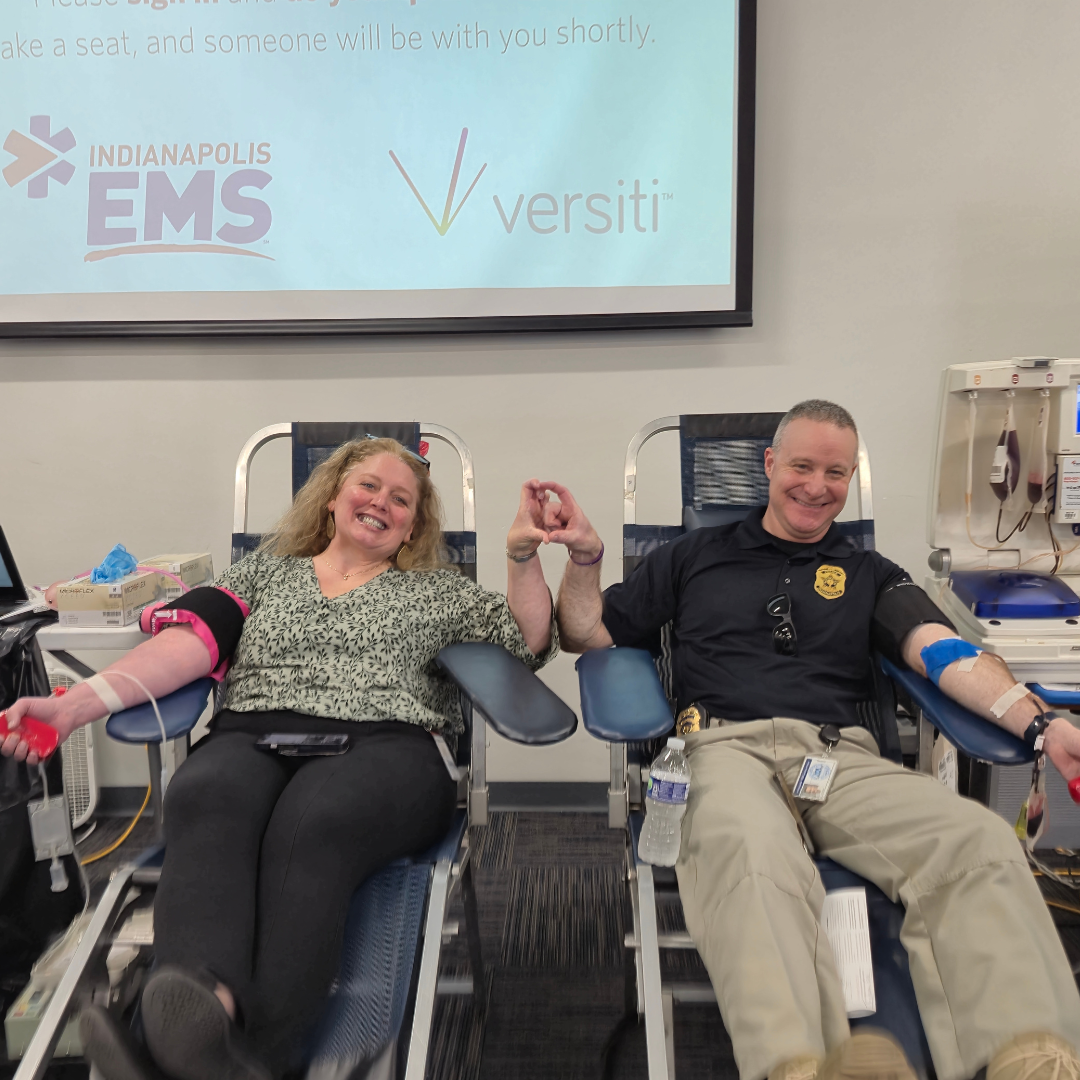
Inspired by this program and Tilson’s story, IEMS recently launched its inaugural community blood drive on March 6, 2026, to strengthen the bonds with those they serve and to help maintain a steady blood supply to Indianapolis residents. A total of 24 units were donated by local EMS, police, firefighters, and the public that is currently being used to save up to 72 lives in Indianapolis.
“It’s awesome knowing your blood can make that difference. This program can not only help with treatment, but it can also give hope,” Tilson said. IEMS hopes to hold annual drives in the future to better engage the community and support regular donations of this much-needed resource.
Provider or citizen, we all sometimes forget what an impact our donation can make. Take this as a reminder of the true impact of your blood on the lives of others and donate today!
Indianapolis EMS is the largest provider of emergency prehospital medical care in Indiana, responding to more than 140,000 9-1-1 calls each year. As a partnership between the City of Indianapolis, Indiana University School of Medicine, and Health and Hospital Corporation of Marion County, with Eskenazi Health as the supervising health system, IEMS strives to provide the best prehospital medical services to the community through the endless pursuit of excellence in patient-centered care, education, efficiency, efficacy, safety, and quality of service. To learn more about IEMS, visit indianapolisems.org.