Advancing Autism Care in Psychiatric Practice
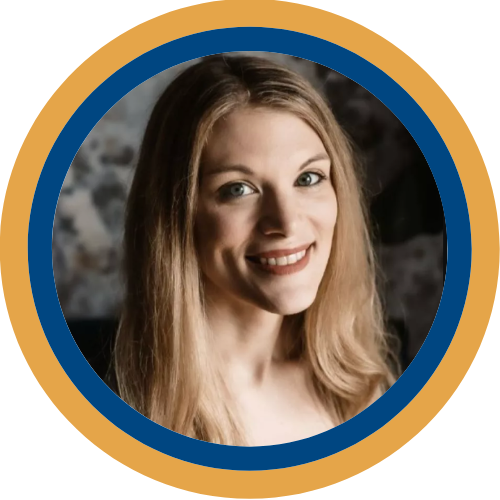
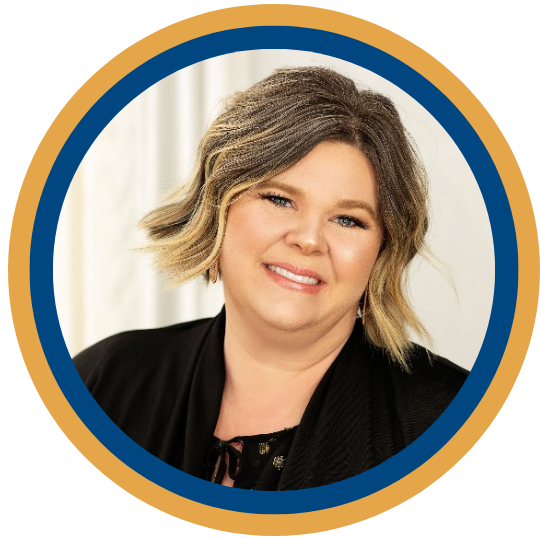
“Autism is not a ‘wait and see’ diagnosis,” says Veronica Ridpath, DO, Psych Congress Elevate faculty member.
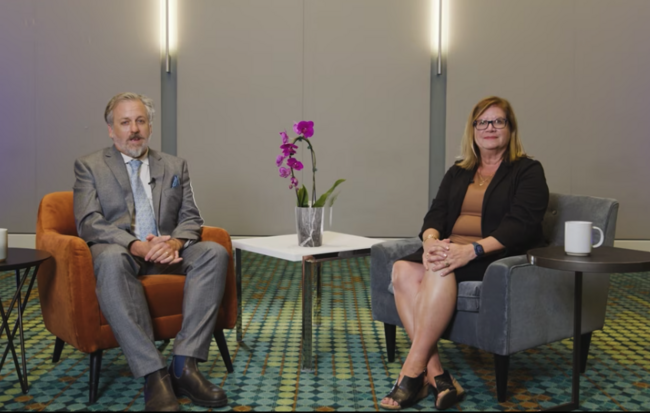
Ahead of her session at the 2026 Psych Congress Elevate, “Recognizing Autism in Children & Adults: A Practical Guide for General Psychiatry,” Psych Congress Network connected with Ridpath to discuss key considerations for diagnosing and supporting patients with autism spectrum disorder (ASD) in psychiatric practice. In this insightful Q&A, Ridpath underscores the value of accurate and timely diagnosis in both pediatric and adult patients. She also highlights the benefit of adaptive communication in building therapeutic alliance, the role that patient self-suspicion of autism may play in the diagnosis process, and the importance of individualizing treatment approaches across diverse ASD presentations.
Key Takeaways for Clinical Practice:
- Patients are often diagnosed with sensory processing disorder, generalized anxiety disorder (GAD), or expressive language disorder before autism spectrum disorder (ASD) is recognized, and clinicians should evaluate suspected ASD early to avoid missed intervention opportunities.
- Individualized accommodations, including alternative communication methods and telehealth adaptations, can improve communication and therapeutic alliance with autistic youth.
- Self-suspicion of autism should be taken seriously, and clinicians should reassess for ASD or attention-deficit/hyperactivity disorder (ADHD) when treatment response is suboptimal or diagnostic clarity is lacking.
Editor’s note: This interview has been lightly edited for clarity.
Psych Congress Network: Which psychiatric conditions are most commonly confused with ASD in pediatric patients, and what practical strategies can help clinicians ensure they are making an accurate diagnosis?
Veronica Ridpath, DO: Rarely are other psychiatric conditions confused with ASD—rather, patients often will get a myriad of symptomatic diagnoses in an attempt to not diagnose autism prematurely. So many patients who come to my practice have diagnoses of sensory processing disorder, generalized anxiety disorder (GAD), expressive language disorder etc. when the underlying diagnosis is autism spectrum.
I would encourage any clinician suspecting autism to fully explore this potential diagnosis as early as possible. The harms of missing the window for early identification and intervention drastically outweigh the risks of overdiagnosis. Autism is not a "wait and see" diagnosis.
PCN: What are some practical adaptations clinicians can make during psychiatric visits to improve communication and therapeutic alliance with autistic youth?
Ridpath: Be open to differing communication approaches, even if they might seem unorthodox. I have some patients where we communicate in thumbs up and thumbs down when they’re overwhelmed. Another who was seen by telehealth would screenshare a video game he played while we discussed his more distressing symptoms, as it was easier than making eye contact.
Above all, be curious. There is no one way that autism presents and no one accommodation that makes sense for everyone. Be observant to challenges as they arise and consider out-of-the-box solutions. Even if it’s not perfect, consideration and effort go a long way. When in doubt, ask your patient if there are any accommodations that would make them feel more comfortable.
PCN: What are some of the most common signs or patient histories that should prompt clinicians to consider an autism evaluation in adults who did not receive a diagnosis earlier in life?
Ridpath: A patient saying, “I think I’m autistic,” should always be taken seriously. With the advent of social media there has been an influx of information—both factually accurate and inaccurate. Patients may already have a suspicion that something is “different,” although they can’t put their finger on it.
My favorite question if I suspect autism is asking how many of their friends or family members have been diagnosed with autism spectrum or if anyone with autism has asked the patient if they have been diagnosed. If the patient is an adult with an autistic child, I may ask if they notice any familiar behaviors or quirks.
I would also recommend screening for neurodivergence if treatments aren’t working as expected. Lack of response to treatment should always warrant a revisiting of the diagnosis. Undiagnosed attention-deficit/hyperactivity disorder (ADHD) or autism spectrum disorder can explain suboptimal response to treatment.
PCN: Receiving an autism diagnosis later in life can be both validating and emotionally complex for patients and families. How do you recommend clinicians approach these diagnostic conversations in a patient-centered and supportive way?
Ridpath: The overwhelming majority of my patients who I have diagnosed later in life have voiced a sense of profound relief and understanding with the diagnosis. At the same time, there can be immense grief for the trauma they have experienced.
If we look at DSM criteria for ASD, many of the criteria more prominently emerge under times of distress. We cannot neglect the cumulative trauma of an invalidated experience and how that compounds over a lifetime. Some of my patients have benefited greatly from trauma-focused therapies like eye movement desensitization and reprocessing (EMDR) as they reprocess difficult experiences in life.
PCN: What do you think psychiatric clinicians still misunderstand most about ASD, and how do you hope sessions like yours help shift clinical practice?
Ridpath: There are 2 big misconceptions about diagnosis of autism, particularly late in life. The first is that if it were present in childhood, it would have already been identified. Our conception of how autism presents, particularly in women who tend to have better social and emotional adaptation, has drastically expanded. The "spectrum" of autism is not simply a linear graph of high or low support needs, but a complex web of strengths and challenges that varies significantly from patient to patient.
The second misconception is that pursuing diagnosis in adulthood does not matter because patients are outside the window of early intervention. Every patient who I have suspected has ASD has wanted diagnostic clarity—whether through formal neuropsychiatric testing or a more in-depth clinical evaluation. There is value in knowing and being able to make informed choices regarding formal or informal accommodations.
Clinicians should also be aware that autism spectrum disorder is incredibly heterogenous and our understanding of it is perpetually changing. If they can take away anything from our sessions, it is that the voice of patients with autism needs to be elevated in the discourse, and we desperately need to shift from a deficit model to a diversity model.
There is a metaphor used in the autism parent community about getting an initial diagnosis. Having a neurodivergent child is like getting ready for a once in a lifetime trip to Italy—except your plane stops in Iceland. It isn't what you expected, but if you spend all your time wishing you were in Italy, or trying to make Iceland more like Italy, you will miss all the joy and beauty of the experience. Psychiatry needs to catch up to the wisdom that patients and caregivers already know.
For more news and updates from Psych Congress Elevate, visit the meeting newsroom.
Veronica Ridpath, DO, is a true national leader in psychiatry, early adopter of innovative evidence-based treatments, and advocate for patient wellness. She is board certified in General Psychiatry and Addiction Medicine. She obtained her Doctor of Osteopathic Medicine from Edward Via College of Osteopathic Medicine, where she was a National Health Service Corp scholar.
A lifelong resident of the Carolinas, Dr Ridpath’s roots run deep for our local community. She has special interest in LGBT mental health and inclusion, improving primary care and psychiatry collaboration, and patient-centered care.
Dr Ridpath is a leader in psychiatry education, lectures at national psychiatry conferences, and serves as a mentor to medical students and residents. She is currently the Medical Director for Sweetgrass Psychiatry-Florence site and Medical Director for Crossroads Treatment Centers, Florence and Darlington sites. She also serves as Associate Clinical Professor, Department of Neuropsychiatry and Behavioral Science at the University of South Carolina-Columbia, and teaches medical students and residents in her clinic. She also collaborates and mentors residents within the McLeod Family Medicine Residency, which trains family medicine physicians to support one of the highest need areas of the state.
© 2026 HMP Global. All Rights Reserved.
Any views and opinions expressed above are those of the author(s) and do not necessarily reflect the views, policy, or position of the Psych Congress Network or HMP Global, their employees, and affiliates.