Strengthening Interdisciplinary Collaboration in Mental Health Treatment

For many psychiatric conditions, a combination of psychotherapy and psychopharmacology yields more robust treatment results than either modality alone. But how can psychiatric providers and psychotherapists ensure they are aligned on treatment progress and goals?
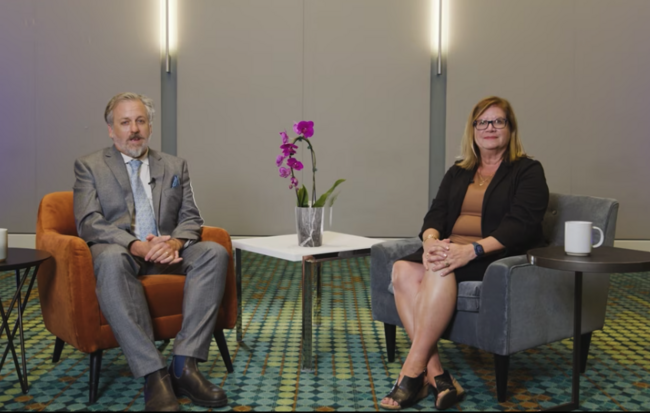
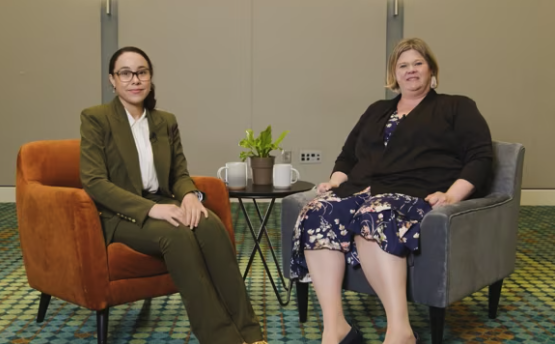
In this Q&A, B. Nilaja Green, PhD, a New & Emerging Voice at the 2026 Psych Congress Elevate, offers practical insights from her session, “Psychotherapy Meets Psychopharmacology: Enhancing Collaboration, Connection, and Compassion for Better Outcomes.” Green reviews common areas where communication may breakdown between psychotherapists and prescribing clinicians, describes the value of provider collaboration in coordinating care, and emphasizes the importance of prioritizing patient experience and input to optimize treatment outcomes.
Key Takeaways for Clinical Practice
- Common disconnects include limited communication between psychotherapists and prescribing clinicians, uncertainty about when communication should occur, and patients being used as intermediaries, which can lead to missed information and negatively affect patient experience and perception of care.
- Trust is strengthened through regular, clear, and respectful communication and documentation, whereas fragmentation can result from inconsistent communication, untrustworthy or incorrect information sharing, or reliance on patients to communicate between providers.
- A more unified therapeutic approach can be achieved through joint discussion of diagnosis, assessment methods, treatment plans, and patient-centered treatment goals, supported by self-reflective practice, peer consultation, mindfulness or journaling, and incorporation of client feedback.
Editor’s note: This interview has been edited for clarity.
Psych Congress Network: What are the most common disconnects between psychotherapists and prescribing clinicians that ultimately affect patient outcomes, and why is it important that mental health care professionals recognize those gaps?
B. Nilaja Green, PhD: Some of the most common disconnects between psychotherapists and prescribing clinicians that affect patient outcomes include:
- Prescribers and therapists not talking to each other as much as they could;
- Prescribers and therapists not always knowing when to talk with one another;
- And patients getting caught in the middle when care is not collaborative.
We need to close these gaps because best practice tells us that coordinated care is most effective for our clients. When providers don't collaborate, we may miss crucial pieces of information that impact care, as we rarely have the whole picture on our own.
Additionally, a lack of collaboration often leaves clients caught in the middle, especially if they have to coordinate communication between their providers, which can negatively impact their experience with and perception of their care.
PCN: What communication habits tend to strengthen interdisciplinary trust, and conversely, what behaviors unintentionally create tension or fragmentation between psychotherapy and medication providers?
Green: Helpful communication patterns for ensuring smooth collaboration between psychotherapists and medication providers include regular communication, clarity about what is being communicated either verbally or through documentation, and communication that is respectful of the other professional's expertise.
Tension and fragmentation can occur when communication is inconsistent, untrustworthy or incorrect information is shared, or the patient is used to communicate between providers.
PCN: Patients sometimes receive mixed messages from different members of their care team. How can clinicians present a more unified therapeutic approach while still honoring differing professional perspectives?
Green: Clinicians can present a more unified therapeutic front by utilizing a collaborative approach where the diagnosis, assessment methods, and treatment plans are discussed by both medication and therapy providers. This collaborative treatment planning should also include conversations between providers and the patient to decide on treatment goals.
PCN: Your presentation also highlights the role of self-awareness and relational qualities in professional collaboration. How can mental health care providers become more aware of the assumptions or biases they may bring into interdisciplinary relationships?
Green: Mental health care providers can leverage intentional self-reflective practice, including regular peer consultation that allows them to be vulnerable in their personal evaluation, or intentional contemplative practices, including developing mindfulness or journaling techniques.
Further, engaging in deliberate practice with clients where the providers create an intentional plan, act on the plan, ask for feedback from the client, and then incorporate feedback into their treatment approach, can bolster awareness of how relational qualities may impact practice.
PCN: What key takeaway from your session would you like to highlight to our audience of practicing clinicians?
Green: While we must utilize our competence, we must also lean into compassion, courage, and curiosity with our clients, our colleagues, and ourselves.
By prioritizing collaborative care, we put these values into practice and we keep our clients’ needs at top of mind. The best way to practice is to keep it simple.
For more news and updates from Psych Congress Elevate, visit the meeting newsroom.
B. Nilaja Green, PhD, earned her B.A. in English and Psychology from Georgetown University and her doctorate in Clinical and Community Psychology from Georgia State University. She completed her internship and postdoctoral training at Yale University’s Department of Psychiatry. She also serves as an adjunct professor at Emory University’s Rollins School of Public Health and Georgia State University, holds leadership roles within nonprofit organizations, and has been featured in the Atlanta Journal-Constitution, Huffington Post, and Teen Vogue.
Dr Green writes, speaks, and engages at the intersections of individual psychological distress and sociocultural context. An Atlanta-based Licensed Clinical and Community Psychologist, she specializes in delivering culturally responsive trauma treatment to vulnerable populations, including military veterans, Black women, and members of the LGBTQ+ community, through her integrative practice, Standpoint Wellness. She's deeply engaged in community-level initiatives to facilitate conversations addressing race, class, history, and equity.
Dr Green regularly shares her work through podcasts and print media, striving to advance culturally relevant, holistic mental health practice. In service to the profession, she supervises clinicians, writes, and leads workshops that invite therapists to cultivate radical introspective practice and approach care with cultural humility. She also integrates a passion for creative writing and journaling into clinical work. She founded an award-winning community writing group for healers in the Atlanta area, from which she developed The Radical Introspection Method for therapists and trainees. She's also the creator of the Introspective Journal, an innovative tool designed to support therapist self-care, deepen self-awareness, and strengthen clinical practice.
© 2026 HMP Global. All Rights Reserved.
Any views and opinions expressed above are those of the author(s) and do not necessarily reflect the views, policy, or position of the Psych Congress Network or HMP Global, their employees, and affiliates.