Community Paramedic Response Units Reduce EMS Transports on Prince Edward Island
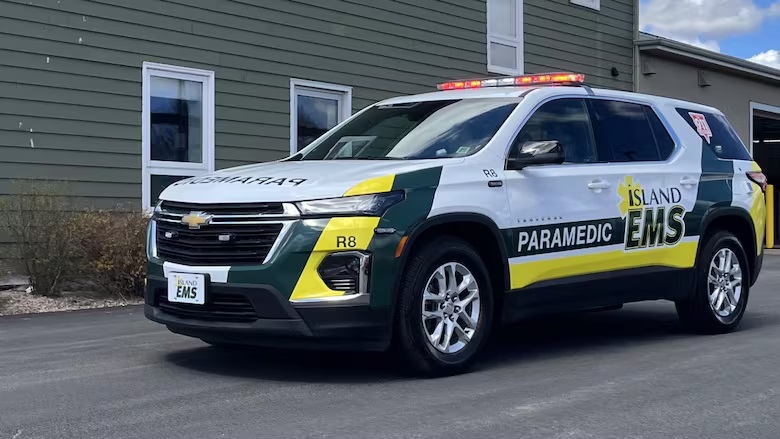
In a bid to reduce nonemergency EMS transports to the hospital, the Canadian province of Prince Edward Island (PEI) added community paramedic response units (CPRUs) to its Island EMS operations in May 2024. Each CPRU is staffed by advanced care community paramedics, who carry the essential medical tools needed to assess and treat patients in their homes.
Since that time, Island EMS CPRUs have responded to more than 1,000 low-urgency medical calls. This change in procedure has reduced the number of transports to PEI emergency departments (EDs), while providing more than 275 scheduled follow-up visits for low-urgency patients at home. Before PEI created CPRUs, Island EMS paramedics were required to take all patients who called 9-1-1 to the ED. Now, paramedics assess each patient first to determine whether a trip to the ED is necessary, or if the care they need can be provided in their living space.
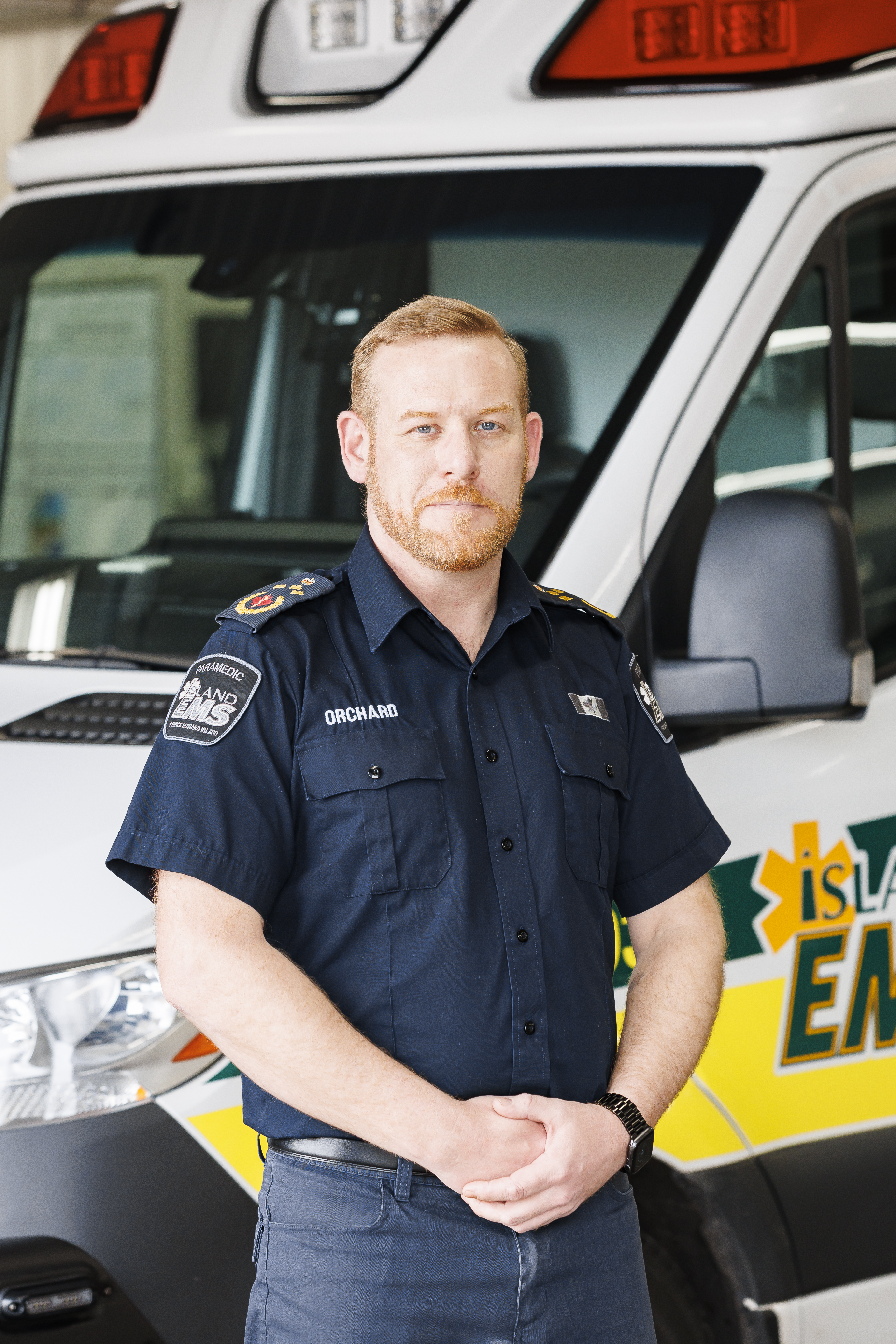
Paramedic Chief James Orchard is general manager at Island EMS and Medacom Atlantic, PEI’s PSAP. He has about 200 paramedics on his staff, who respond to about 25,000 calls annually across the island. “In recent years, we noticed an increasing trend in people calling us for nonemergency reasons,” Orchard said. “We also saw the percentage of callers that our paramedics visited who did not result in a transport to hospital rose from 30% to about 40% to 50%.”
Orchard attributes these trends to a growing shortage of family doctors in Canada. “An increasing number of Islanders are calling for primary care reasons because they don’t have a family physician,” he said. “That’s why we had to change our way of thinking, because we were tying up our 9-1-1 ambulances on these kinds of cases, making them unavailable for time-sensitive emergencies. That’s when it occurred to us: If we can just send one paramedic in a car to calls that are very likely not to be transported to EDs, while retaining teams of two highly trained paramedics and a transport-capable ambulance for life-threatening emergencies, this would address the problem. So, we did, and it has.”
To assess which cases are suited for CPRU responses, Medacom Atlantic call-takers triage every 9-1-1 EMS call as it comes in. If the caller’s response to a fixed set of questions indicates that they are a nonemergency case that still requires treatment, a CPRU paramedic will be assigned. This only happens after the caller is referred to the Island EMS Clinical Support Desk that is staffed by a paramedic, who assesses them further to ensure that a CPRU response is the best option for them. “As well, any patient that we do roll an ambulance to who does not end up being transported is eligible to receive a follow-up call from our Clinical Care Desk the next day,” Orchard said.
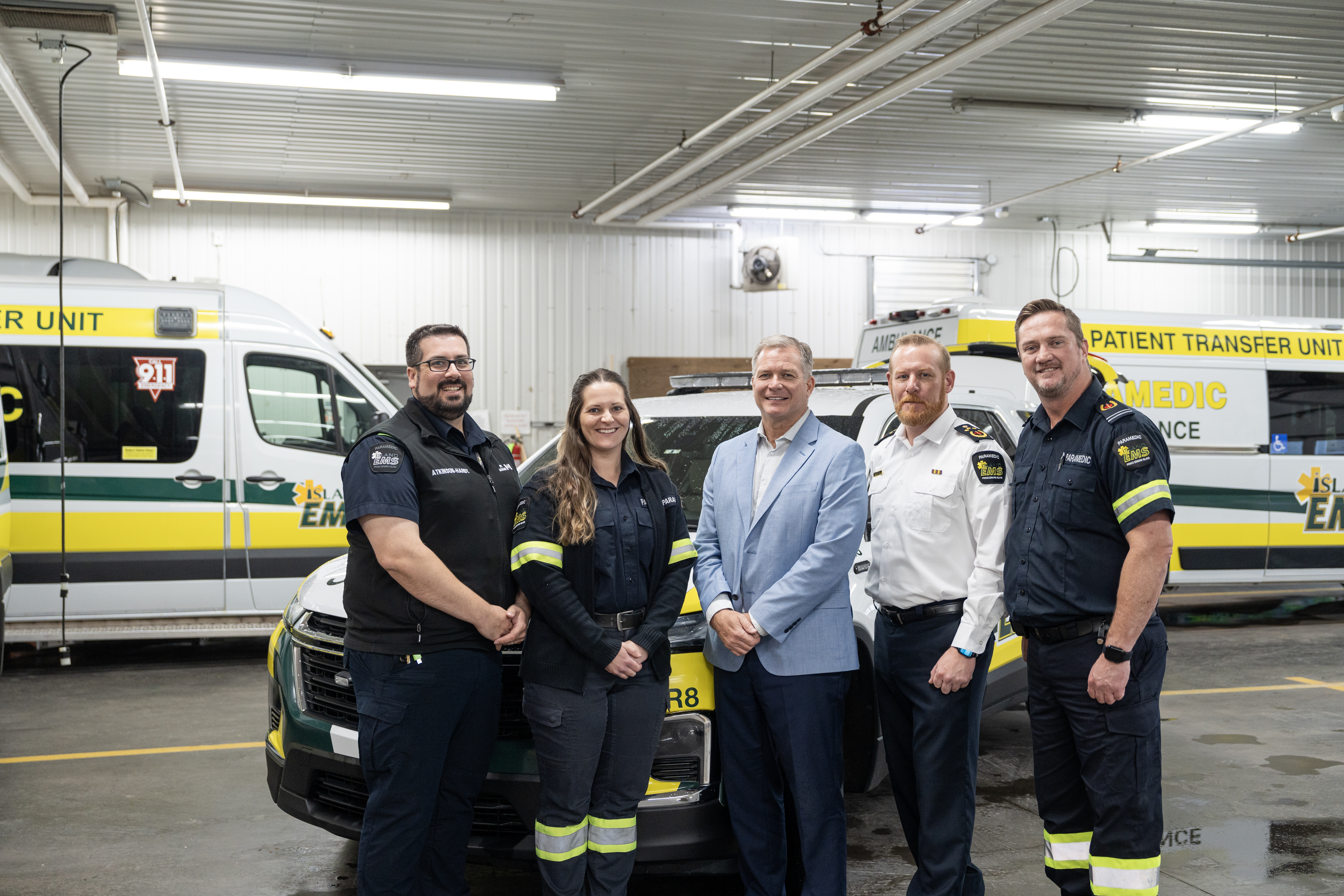
The success of PEI’s CPRU model was recently lauded by Mark McLane, PEI’s Minister of Health and Wellness. “This has been very beneficial for Islanders and has had a positive impact on our healthcare system,” he said. “Fewer people are ending up in the emergency department, which in turn creates more capacity for paramedics to respond to emergency situations in the community when needed.”
Orchard is similarly pleased with the results being achieved by his CPRUs, as are his staff. “Island EMS’ paramedics are seeing the benefit of our CPRUs firsthand, as are their patients,” he said. “Our people are now able to use their skills and training to care for patients in a number of appropriate ways, rather than just by transporting them to the ED. At a time when our hospitals are seriously overtaxed, reducing these transports by the hundreds is a big help to them as well as to our patients, EMS personnel, and resources. It’s a huge win for everyone!”