Exploring EMS: Training the Medics of the Future
By Yanna Davenport
EMS Explorers is a program under the Boy Scouts of America (BOA) that tutors students aged 15-20 years old in the nuances and skills needed for a successful EMS career. The program is divided into posts led by a local station. Each post is unique to their parent service of police, fire, or EMS. Explorers under the EMS division work closely with EMTs and paramedics at their local stations, who train them in basic life support, scene safety, bloodborne pathogens, CPR, and other skills. These skills are then applied to real-world situations when Explorers go on calls with medics for a shift and take on the role of first responders.
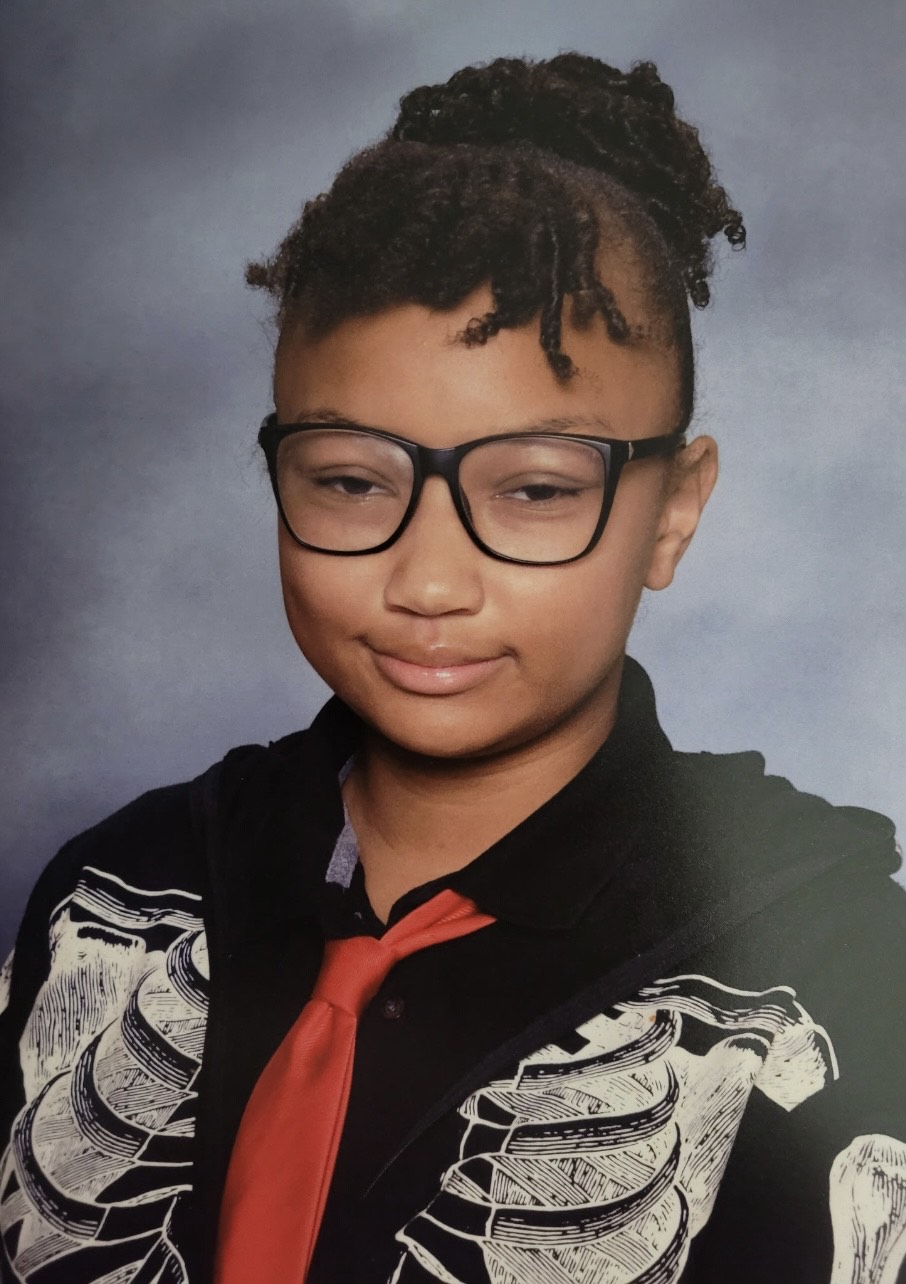 I've been an EMS Explorer under my local EMS station since December 2023 and have been doing monthly ride alongs with my local fire station since March 2024. The EMS Explorers program uses a combination of classroom and field education. Explorers meet in a classroom environment to study the methods and procedures used by medics, along with hands-on training on the ambulance. As of February 2025, I have been on more than 20 calls, ranging from lift assists to possible cardiac arrests. Like EMTs, I have a list of specified tasks I’m permitted to do involving the patient. I often take blood pressure and sugar readings, along with starting leads for reading cardiographs.
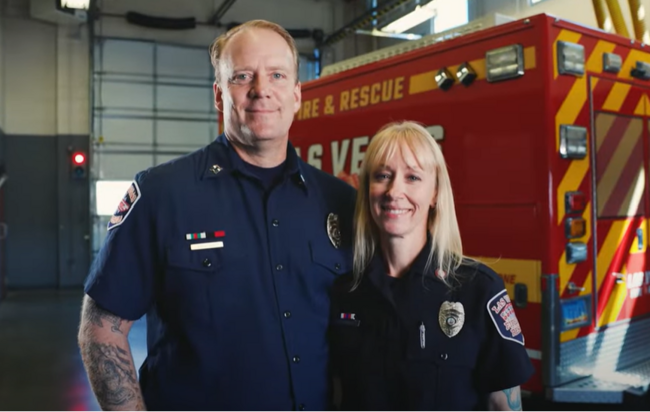
My father has been a paramedic and firefighter for more than 20 years, and I’ve always had a passion for paramedicine. EMS holds a special place in my heart, and learning about the technicalities of it has been a great experience. However, prior to joining the program, finding reputable sources to learn about paramedicine was extremely difficult. EMS can have a very steep learning curve for young people, especially with false information being spread on the internet. Learning from professionals with hands-on activities makes for a reputable first-hand source of first aid knowledge. Local Explorers posts allow young people to have a smoother transition from high school to college education by teaching basic and advanced skills at the high school level. Through my post, I’ve met many like-minded people my age and built professional relationships that will continue into my professional career.
Explorers' posts can be established at any police, fire, or EMS station in the country at any time. All posts need a department member to be a sponsor for the post and to register with the BOA. Each post needs funds to keep operations running, and many events can be used for fundraising to purchase uniforms for post members. Along with uniforms, all Explorers are given paperwork that details the encounters they may have on calls and safety instructions to show their legal guardians. Posts can recruit new members through public events, such as visiting schools and job fairs that spread the program’s message to eligible students.
As much as there is a need for safety knowledge, in-school subjects and courses also need to be tended to. To ensure the academic and behavioral capacity of post members, all students under their respective posts are to maintain a C average in school and have no disciplinary referrals. EMS Explorers are also trained in the use of personal protection and safety and must pass an assessment prior to going into the field. Outside of academics, the Explorers program educates thousands of young people aged 15-20. With more than 5,000 police, fire, and EMS Explorer posts across the nation, the Explorers program continues to grow with the support of their local and national communities.
Yanna Davenport has been an EMS Explorer at her local public safety department since 2023 and was previously a cadet in her school’s Air Force Junior ROTC.