Slovenia Invests in EMS by Advancing Helicopter Purchase, EU-Funded Projects
Slovenia has signed a contract worth around $37 million with Italian aircraft maker Leonardo to purchase two helicopters for the country’s EMS. At the same time, the country is advancing investments for healthcare system improvements and EMS-related projects. The funds for these projects are available as part of the €266.8 million ($311.6 million) aid package the Balkan state has secured from the European Union.
The helicopter deal was signed at Slovenia's Brnik Airport within the premises of the Air Support Unit in October 2025. The signing ceremony was attended by Slovenia’s Minister of the Interior Boštjan Poklukar and the country’s Minister of Health Valentina Prevolnik Rupel.
“This is one of the most important steps in the development of helicopter emergency medical service in Slovenia, a system that has been indispensable in saving lives for many years but has never before been equipped with dedicated helicopters. Now two rescue helicopters will be dedicated exclusively for helicopter emergency medical service,” the Interior Ministry said in a statement.
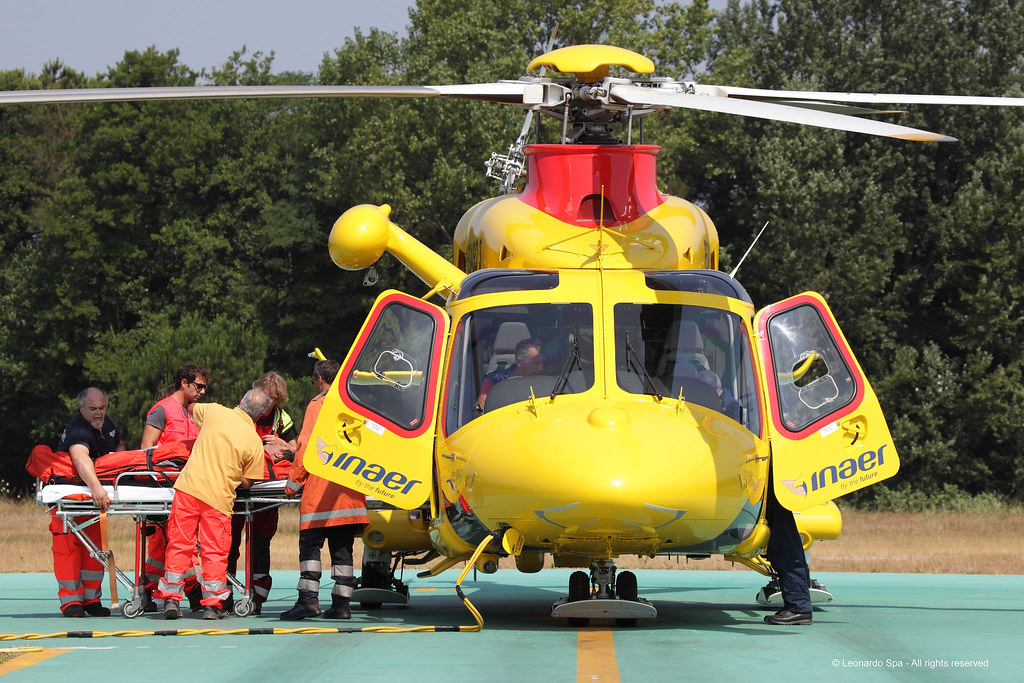
Through a tender-based bid process, Slovenia selected the Leonardo AW139 model, with the first helicopter scheduled to be delivered to the country in October 2027, and the second unit expected to be supplied in February 2028. A medium twin-engine helicopter, the AW139 is one of the most widely used aircraft in EMS fleets across Europe.
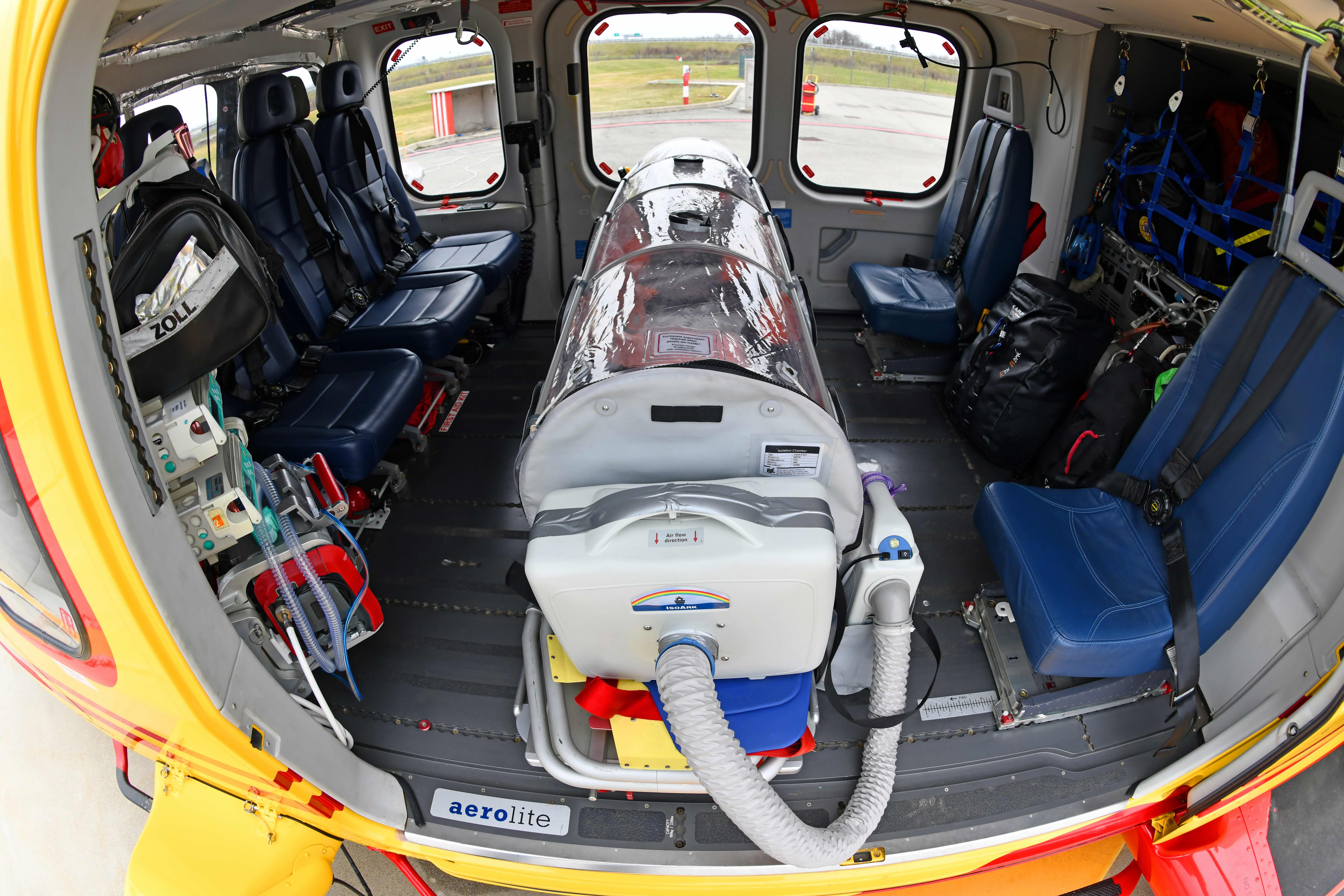
The helicopter can “accommodate up to five medical attendants and two stretchers longitudinally and transversally, along with a full suite of the most advanced life-support equipment, allowing complete access to the patient. The large sliding doors on each side enable easy stretcher loading, both on the ground and in flight,” according to Leonardo’s specs.
Slovenian EMS is part of the state-run healthcare system. Out-of-hospital EMS services are provided by 57 entities in 64 locations across the Balkan nation, a spokesperson for the Health Ministry told EMS World. Most Slovenia-based ambulances are owned by the state or local municipalities. Private contractors own ambulances they use to carry out their own patient transportation services.
Some of Slovenia’s EMS-focused investments in the pipeline include projects to purchase new ambulances, build a coordinated first-responder network, and ensure faster response times countrywide.
Funds obtained from the EU’s Recovery and Resilience Facility (RRF), which is designed to contribute to the recovery of Slovenia’s economy and help mitigate the continuing social impact of the COVID-19 pandemic, are playing a major role in financing the overhaul of the country’s EMS. The €266.8 million ($311.6 million) aid package bankrolled by Brussels includes funds for healthcare system improvements and resilience measures, including upgrades to the nation’s ambulance fleet and EMS equipment. EU funds from other sources are also used to support Slovenia’s EMS, with some €2.5 million in European Social Fund Plus funding for EMS obtained for a project to integrate the first responder system. The initiative was approved in May 2025.
In 2024, in a major EMS-related development, the Slovenian government introduced emergency doctor vehicles (EDVs) as one of its key actions to overhaul the functioning of Slovenia’s EMS.
“A new mobile unit—an emergency doctor's vehicle (EDV)—was introduced into field work. This change represents a major step towards more flexible, faster and professionally targeted intervention in emergency medical situations,” the nation’s Ministry of Health said in a statement.
By introducing the EDV, Slovenia’s authorities aimed to generate significant advantages for patients.
“Emergency doctors are no longer permanently assigned to the emergency ambulance team but operate from their own specially converted and fully equipped vehicles. The EDV has all the necessary medical equipment and medicines to perform even the most demanding medical interventions,” according to the Health Ministry. “In addition to the emergency doctor, the other member of the team is a registered nurse who acts as the driver of the vehicle and actively participates in performing demanding medical procedures together with the emergency doctor and the emergency rescue vehicle (ERV) team.”
About the Author
Jaroslaw Adamowski is a freelance writer based in Warsaw, Poland. He covers various developments related to European EMS across the continent.