After EMS: The Show Goes On
This article is part of an ongoing series from Mike Rubin. In this series, he’ll reflect on his career and share practical retirement advice for emergency medical personnel. Catch up on articles you missed.
With the passing of Randolph Mantooth, many EMS providers paused to remember the TV show he starred in. Emergency! was a transformative 1970s series that helped redefine prehospital care and influenced some viewers’ decisions to become paramedics.
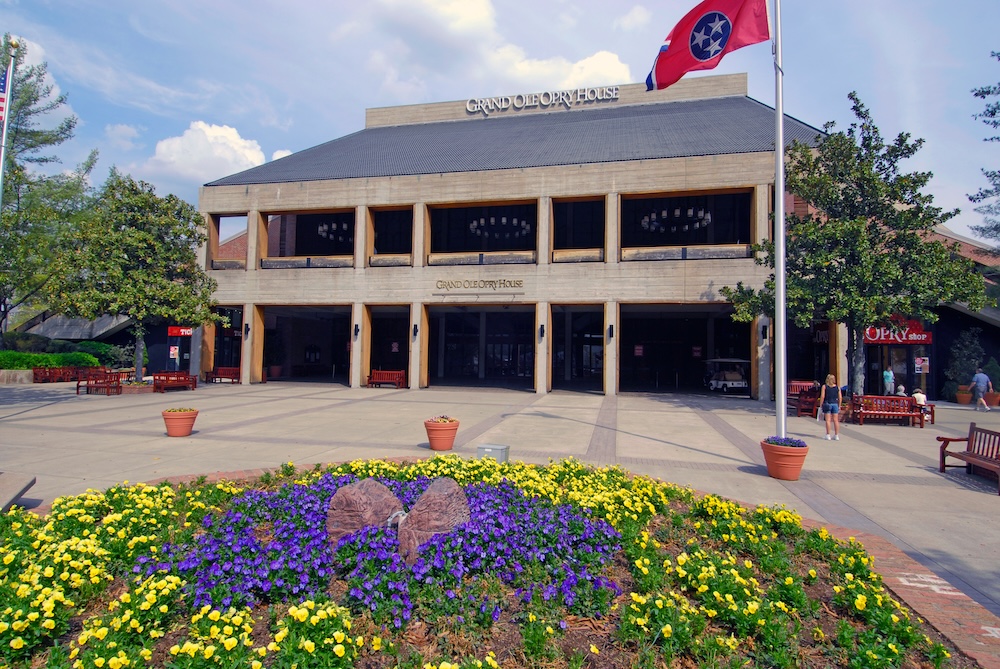
My path was different: I began with an engineering degree in 1974 and worked in the corporate world for 18 years before joining EMS. I watched Emergency! for its entertainment value, not for career advice. Never during the show’s six-year run did I imagine emulating Mantooth’s character, Johnny Gage. Yet there I was, 30 years later, working as a paramedic—not at Station 51 in Los Angeles, but at one of the South’s most unusual venues. I’m talking about Opryland, a hospitality and entertainment complex just north of Nashville, Tennessee. It paid less than a lemonade stand, but boy did we have fun. By “we” I mean medics, EMTs, singers, dancers, guitar pickers, fiddle players—anyone who enjoyed music for music’s sake and didn’t mind the occasional corporate reorganization or hundred-year flood.
Opryland was the ideal gig for paramedics on the back nine, like me. The best part was being in charge—clinically speaking—of whatever area I was working. Running calls alone were welcome tests of retained skills.
The Opryland of the 2000s had three main draws:
- The Grand Ole Opry, a country music mecca that’s over 100 years old.
- The General Jackson, a traditional riverboat with live entertainment and sit-down meals.
- The Opryland Resort and Convention Center: 2888 rooms surrounded by restaurants, shops, themed atria, and other attractions.
Also impressive, but in a more modest way, was the experienced in-house EMS staff that offered Opryland employees, entertainers, and guests free paramedic-level care throughout the property, seven days a week. Transport to medical facilities, when needed, was arranged through the Nashville Fire Department. Occasionally, lives were saved.
That doesn’t happen anymore. Opryland began phasing out their prehospital providers in 2012 and has none today. I’m not sure if the reason for that was financial or philosophical, but there was something special about on-site medical care customized for guests who wanted to continue enjoying themselves.
In retirement, I often think of Opryland and regret that my back gave out after only six years of employment. Here are some of my best memories:
Make it right.
That was the Opryland motto every employee had to embrace. From an EMS perspective, the idea was to treat patients as customers, with extra helpings of courtesy and flexibility bolstering state protocols. You knew it was working when you felt you were getting paid to be nice.
The show went on.
Opryland paramedics weren’t part of the entertainment, unless...

During an evening cruise aboard The General Jackson, a drunk, suicidal, Swedish ex-con tried to jump overboard. I stopped him, but he seemed likely to try again.
My patient and I both spoke enough German for me to learn a little about him. He loved country music and wanted to see the show. That wasn’t going to happen, so I suggested we make our own music. In his compromised state, he didn’t need much urging to sing his favorite song, a well-known duet by Johnny and June Carter Cash called “Jackson.” That kept him happy and compliant for the rest of the cruise.
Guess who sang June’s part?
Backstage with bags.
Some older performers needed a medic standing by in case illness interfered with their performance. That rarely happened, but we had to be ready and invisible to the audience. I’d stash my monitor, drug bag, and O2 in a darkened area backstage, then wait for something bad to happen. Only twice in my tenure did we pause a show for medical reasons. Most care was delivered right before or after a performance. If you’re a fan of country, you’d know some of my patients.
The “mother church” of country music.
There were actually two Grand Ole Opry locations: one at Opryland and the other at The Ryman Auditorium in downtown Nashville. The latter, also known as the “mother church” of country music, was the Opry’s winter home. The 134-year-old Ryman did resemble a church inside, with rows of wooden pews in semicircles around the stage.
My first shift featured Roy Clark, whose 1969 crossover hit, “Yesterday, When I Was Young,” got a lot of radio play when I was a teenager in Boston. It was amazing and weird to renew that connection 38 years later.
My last call at The Ryman was an elderly male cardiac arrest. He lived.
Free merch.
I’ve been interested in the music business since I bought my first 45 RPM record, “You’ve Lost That Lovin’ Feeling,” in 1964. With the help of several world-class studio musicians and a producer I knew from Opryland, I recorded a collection of EMS-themed tunes and sold it online. I have free CDs for the first five of you who ask.
Opryland EMS is gone, but the show goes on. If only we could say the same about Emergency! Imagine a relaunch with modern themes, old values, and a new cast. Perhaps their portrayal of multi-role paramedics would help motivate the rescuers of tomorrow, much as the original episodes inspired us. EMS wasn’t always easy for Johnny and Roy, but week after week, they made it right.
Mike’s Exit Poll #21: What’s the most unusual question you’ve been asked at a job interview?
“Who are you?”
When my prospective boss at a consumer products company led with that gem, I took it literally and reminded him who I was. Then I started having second thoughts about working for a guy who recruited me but didn’t seem to remember me.
“No, no—what are you?” he tried next.
Uhh…confused? I couldn’t tell where this was going. I just stared at the interviewer, trying to recall where I’d parked.
“I mean how you see yourself,” he said. “Who are you? What are you?”
How I saw myself had become less important than how he saw me: leaving in a hurry.
Mike Rubin is a retired paramedic and the author of Life Support, a collection of EMS stories. Contact Mike at mgr22@prodigy.net.