Invisible Systems: An EMS Perspective from Los Cabos, Mexico
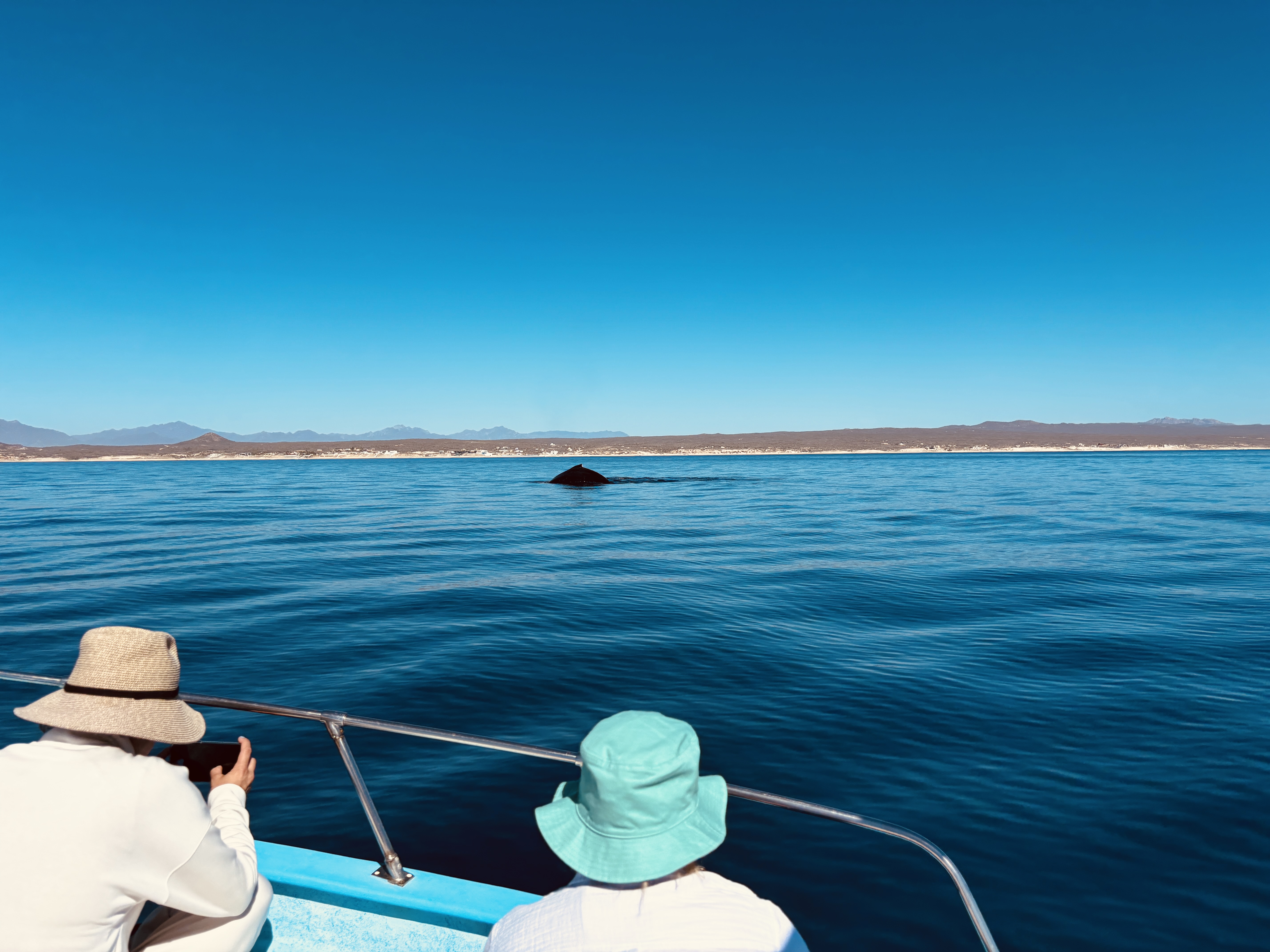
A whale surfaces just off the bow, slow and deliberate, its back breaking the water before slipping under again. Around us, sea lions move easily through the wake, darting in and out of view. Someone hands around dried mango and bananas as the boat drifts between sightings.
Out here, the world feels self-contained—water, sky, and motion. And then, almost without thinking, a different question settles in: If something happens out here, what does help look like?
At 59, traveling outside the United States for a press trip to Los Cabos, Mexico in March 2025, I found that question following me more often than I expected. Not as concern, exactly. More as awareness.
That’s the difference when you’ve spent years in EMS. You don’t just see places—you see the systems behind them, whether they’re visible or not. You notice distance, access, and how environments might function if something interrupts the moment.
From a U.S. perspective, there are some familiar elements. Like the United States, EMS in Mexico operates through a mix of public, private, hospital-based, volunteer, and nonprofit providers, including the Mexican Red Cross. National guidelines exist, but how they’re applied can vary widely by state and municipality. Where the systems differ is in how consistently those standards are applied and how integrated services are across regions. In practice, that means EMS can look and function differently depending on where you are.
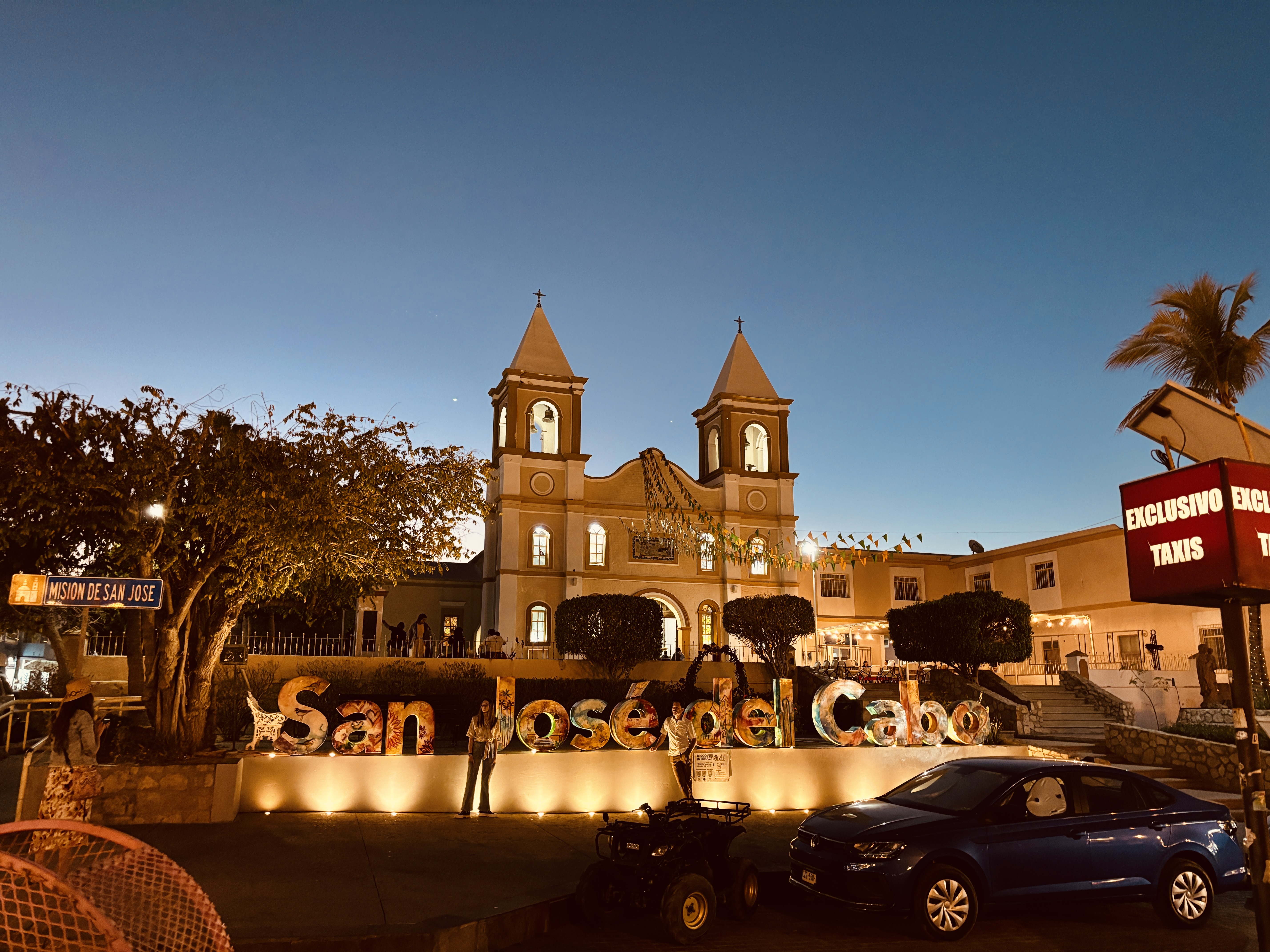
In Los Cabos, particularly in and around San José del Cabo, that variability often works in the traveler’s favor. Tourist corridors benefit from stronger coverage, with private and hospital-affiliated ambulance services, modern facilities, and resources positioned to meet the expectations of both visitors and residents. It’s capable within the region’s demands—far from absent—but it operates in ways that may feel less uniform than what U.S. providers are accustomed to.
Before the trip, I did what many experienced travelers do: I looked into what kind of care might be available. That research provides a baseline—but once you’re on the ground, what you understand is shaped far more by what you can observe … and what you can’t.
Our trip moved through a range of environments that, taken together, highlight how quickly a traveler can feel removed from visible infrastructure without ever truly being outside of it.
At Amet Nature Retreat, we spent time canoeing through a quiet lagoon, the water flat and reflective, bordered by low vegetation and open sky. Another day took us inland to the Sierra de la Laguna Biosphere Reserve, hiking through dry, rugged terrain that felt expansive in a way that’s hard to replicate elsewhere.
When we returned from the hike, a local woman had prepared lunch in an outdoor kitchen—fresh guacamole, salsa, and handmade tortillas and quesadillas with steak. It was simple, balanced, and noticeably different from what most travelers expect from a restaurant experience.

Moments like that make a place feel grounded and real. They also reinforce distance. Because in settings like that, you’re aware not just of where you are—but how far you are from a structured response, especially in more remote areas where resources may be limited and response depends heavily on what is locally available.
Out on the water again, we boarded a dive boat for Cabo Pulmo National Marine Park, moving between reefs alive with fish and shifting currents. Later, with a local outfitter, we returned to open water for an ocean safari—whales surfacing nearby as we drifted between sightings.
In each of these environments—lagoon, desert, offshore—the same question remained. Not urgent. Not intrusive. Just present.
If something happens here, what does the response look like? Throughout the trip, nothing did. There were no visible emergencies. No calls. No patient care scenes. No interaction with EMS in motion.
The only clear sign of the system came in a much more ordinary setting. On the way to one of our excursions, I noticed a Type II ambulance staged near a restaurant. It was clean, well-presented, and appeared to be equipped as you’d expect from a modern unit. There was no urgency around it—no active call, no movement—just a quiet presence positioned in a populated area.
It stood out precisely because it was the only time EMS became visible. In tourist corridors like Los Cabos, private and hospital-affiliated units often help bridge gaps, while aeromedical options are available—typically used for higher-acuity cases or interfacility transport. Yet response in remote settings still depends heavily on location, the specific provider, and how quickly the system is activated.
For most travelers, that’s the extent of their interaction with emergency services abroad: a glimpse. A parked unit. Something that suggests capability without ever demonstrating it.
For U.S.-based providers, that limited visibility stands in contrast to what we’re accustomed to at home. In many parts of the United States, EMS operates within a more structured system—often integrated with fire services, supported by centralized dispatch, and supplemented by aeromedical resources that may respond directly to scenes.
In Los Cabos, elements of that capability exist, but they function differently—less as a routinely visible part of frontline response and more as resources activated when needed.
Another difference travelers may not immediately consider is how care is accessed once you enter the system. In tourist areas like San José del Cabo, visitors are often directed toward private hospitals and ambulance services, which offer modern facilities and more familiar processes, while public hospitals primarily serve the local population. That distinction isn’t always obvious during a short visit, but it becomes relevant in how care is delivered and paid for. Travel insurance is commonly recommended for this reason—not because EMS or hospital care is unavailable, but because access to private services often depends on the ability to pay or provide coverage.
We spent time in more developed settings as well—staying at Hotel El Ganzo, visiting downtown areas, and eating at local restaurants, including a casual stop at Tacos and Beer near the water, and later at Acre Baja, where a more curated environment offers a different version of the same region.
In all these places, the experience was seamless. That’s the reality of most travel. Systems remain invisible because they aren’t needed. For travelers, that invisibility is reassuring. For EMS professionals, it leaves open questions.
We tend to evaluate systems based on how they perform under stress—but most people never see that. What they see instead is presence, readiness, and the assumption that help will arrive if needed. Travel doesn’t always confirm that assumption. But it does sharpen the questions.
We saw no medical emergencies on our trip. No calls, no transports, no direct interaction with the system beyond a single staged unit. But the question stayed with me throughout: What would it look like if someone needed help here? That’s not something you can fully answer from observation alone. But it’s something you begin to understand—not through what you see, but through what you learn to look for.
About the Author
John M. Dabbs, MPH, PM, is an EMS consultant and freelance writer covering EMS, travel, and complex systems.