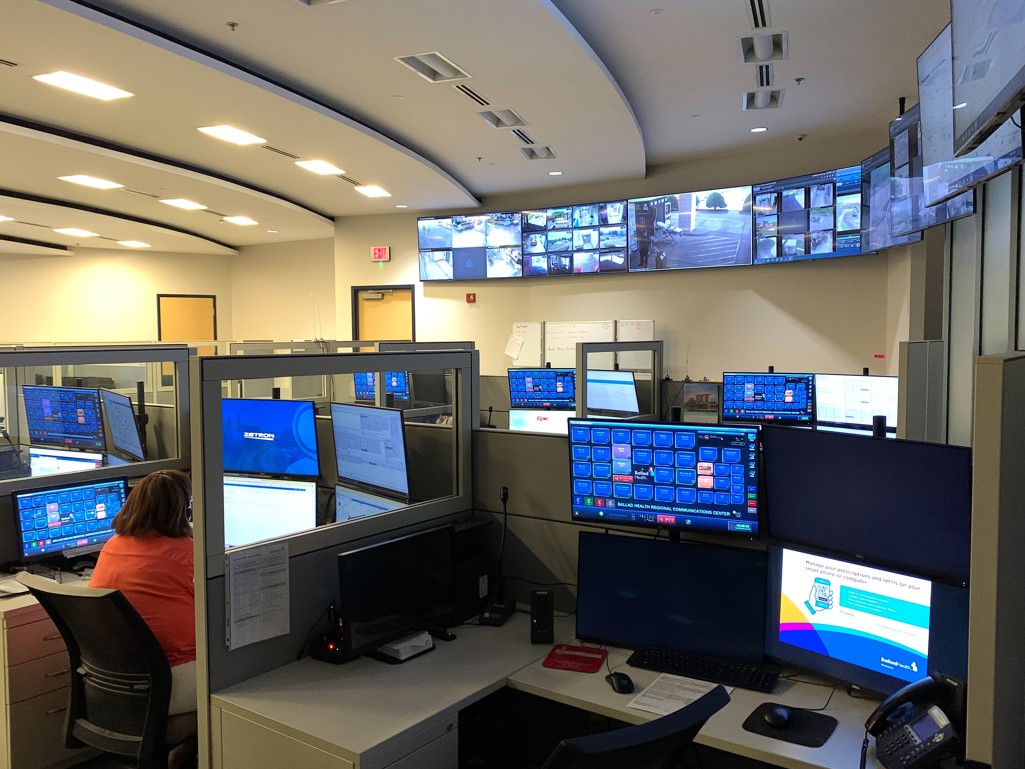
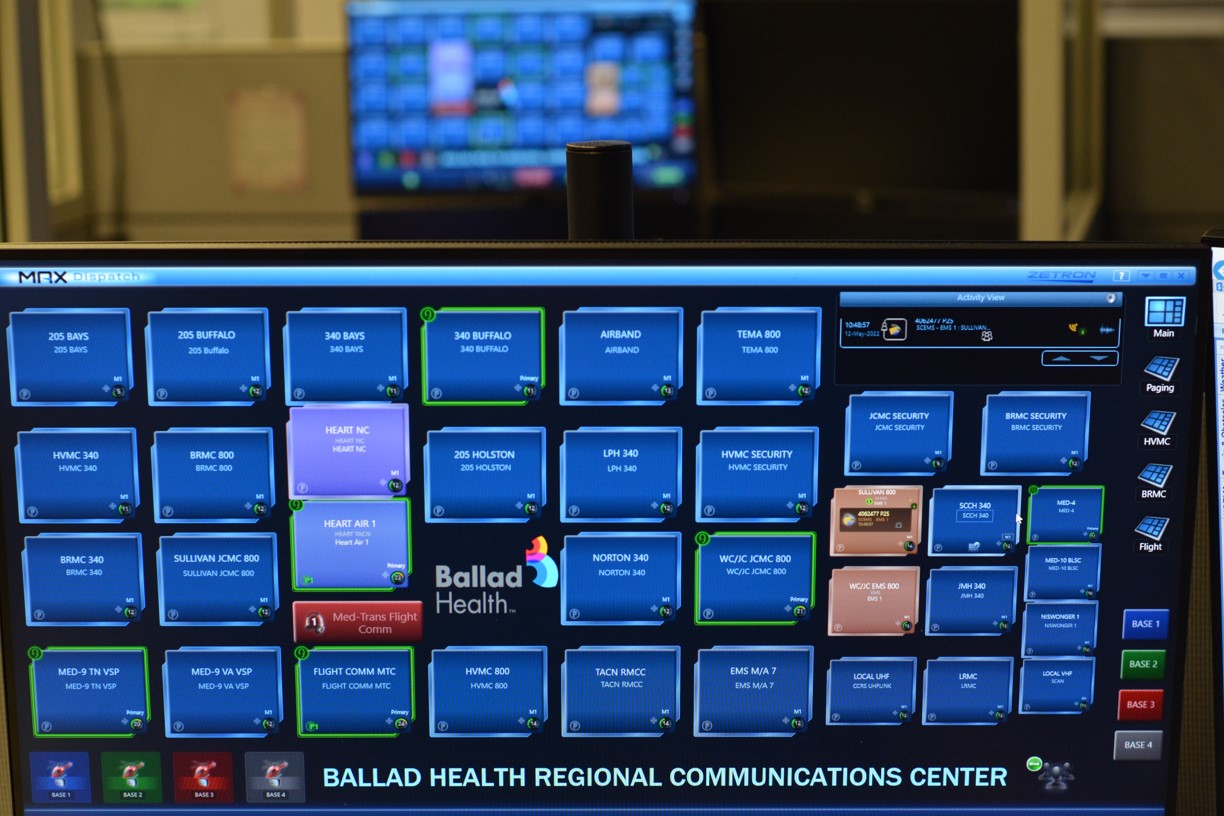
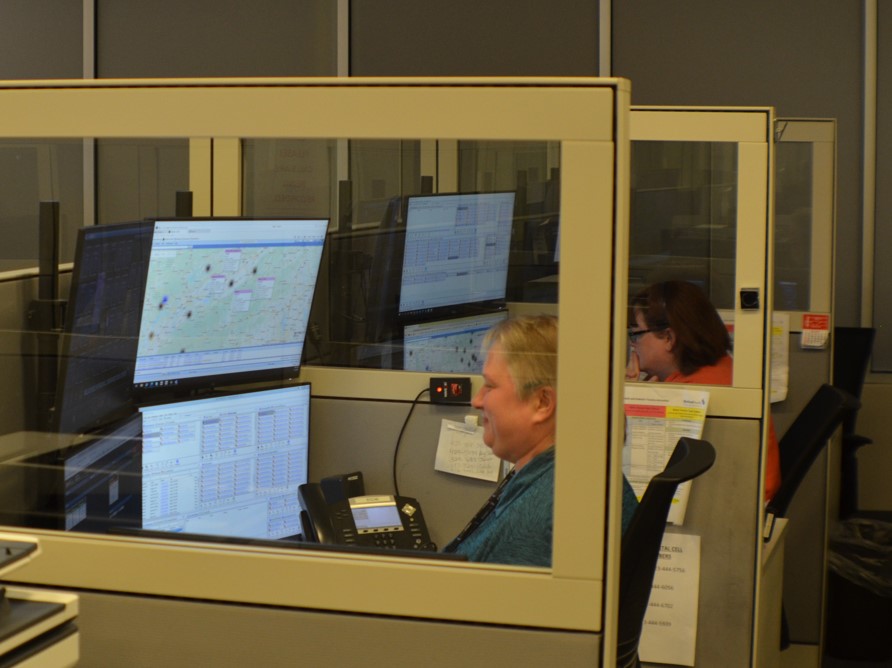
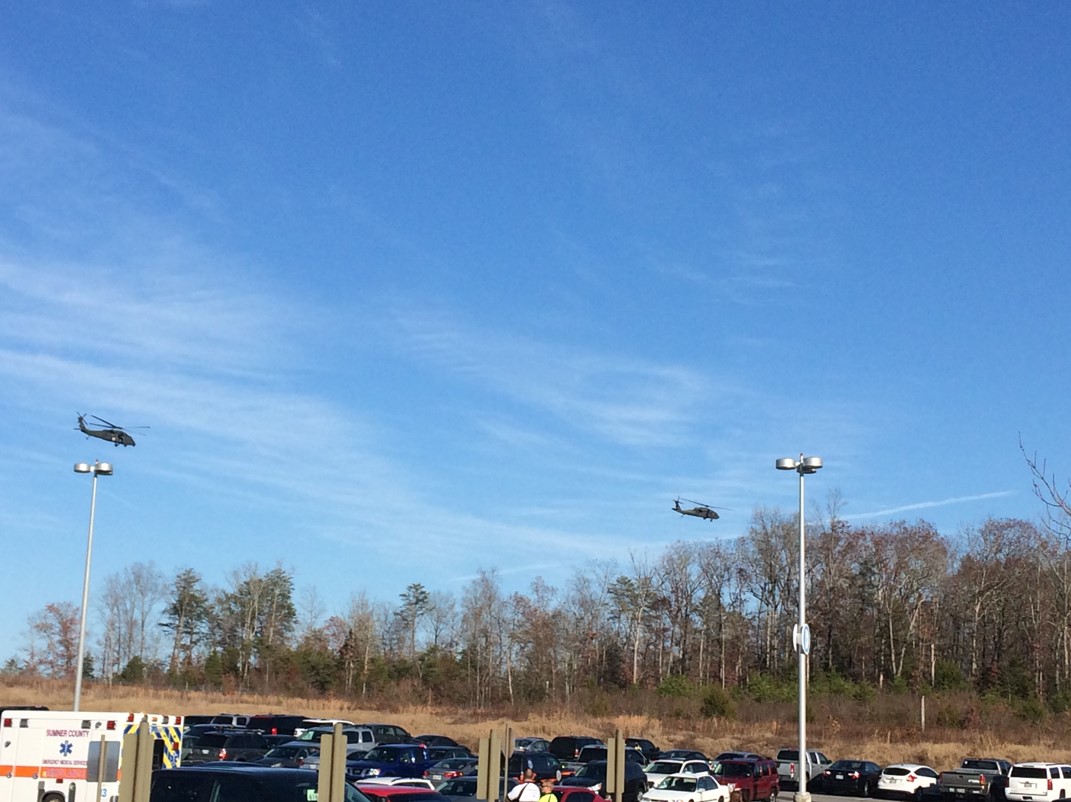
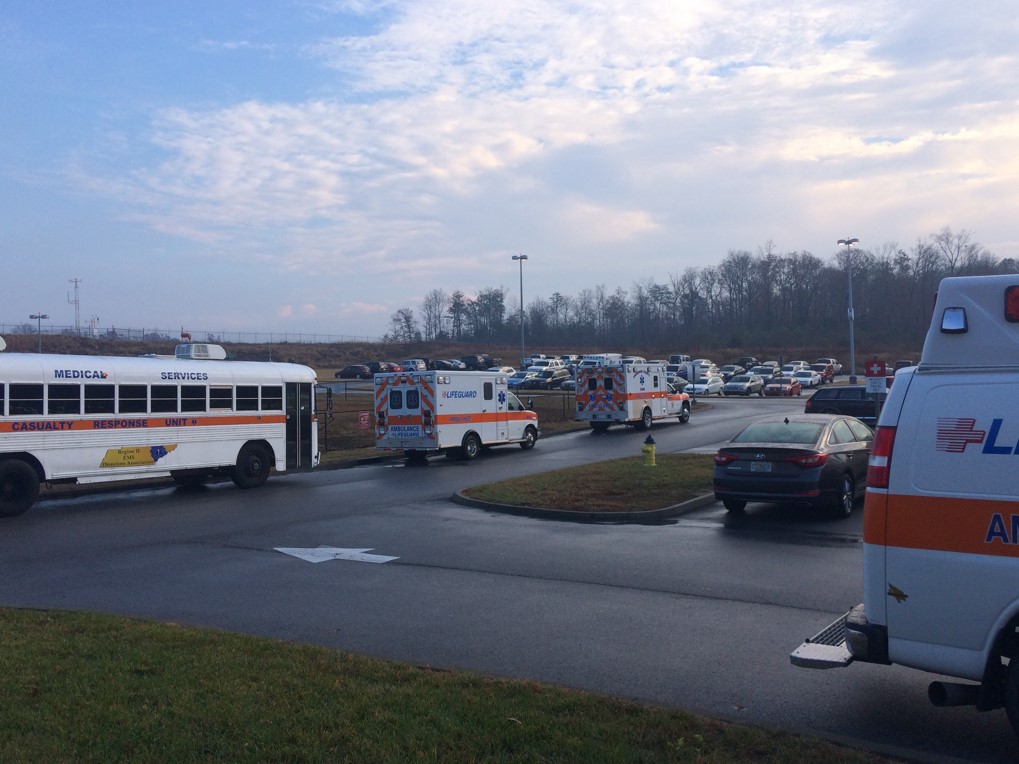
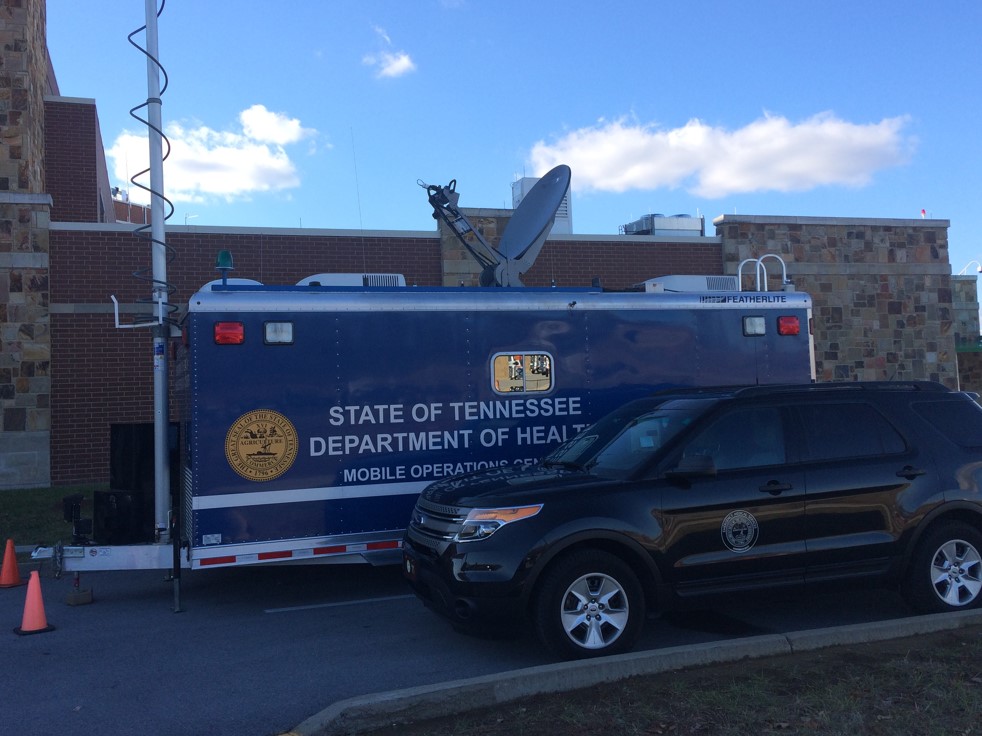
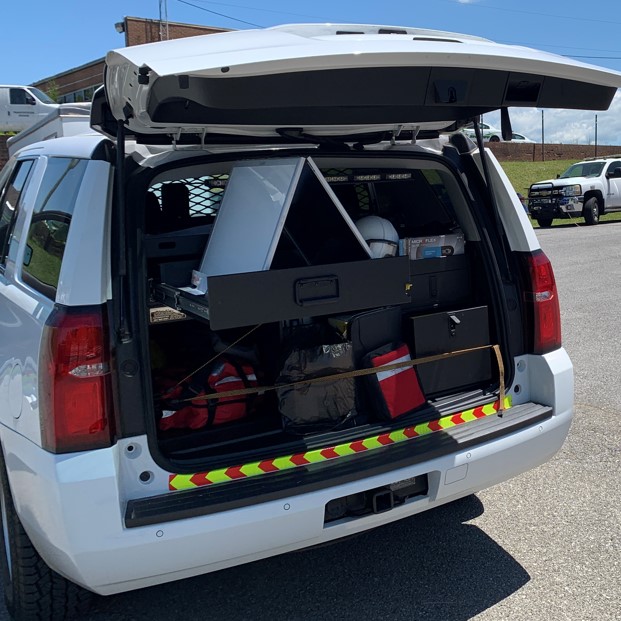
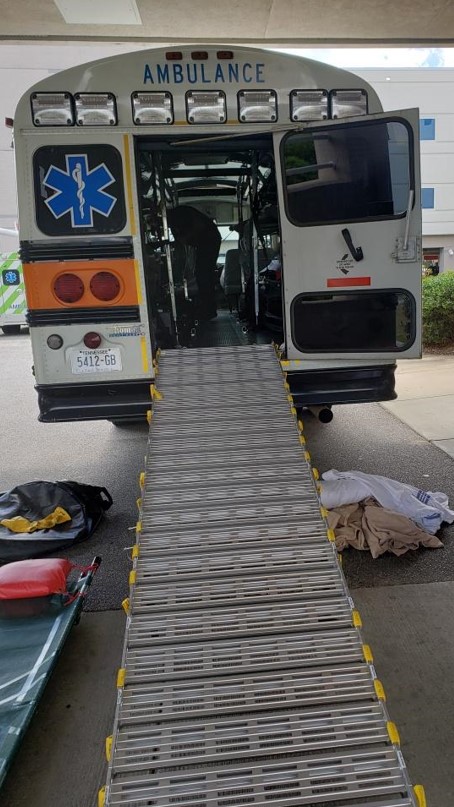
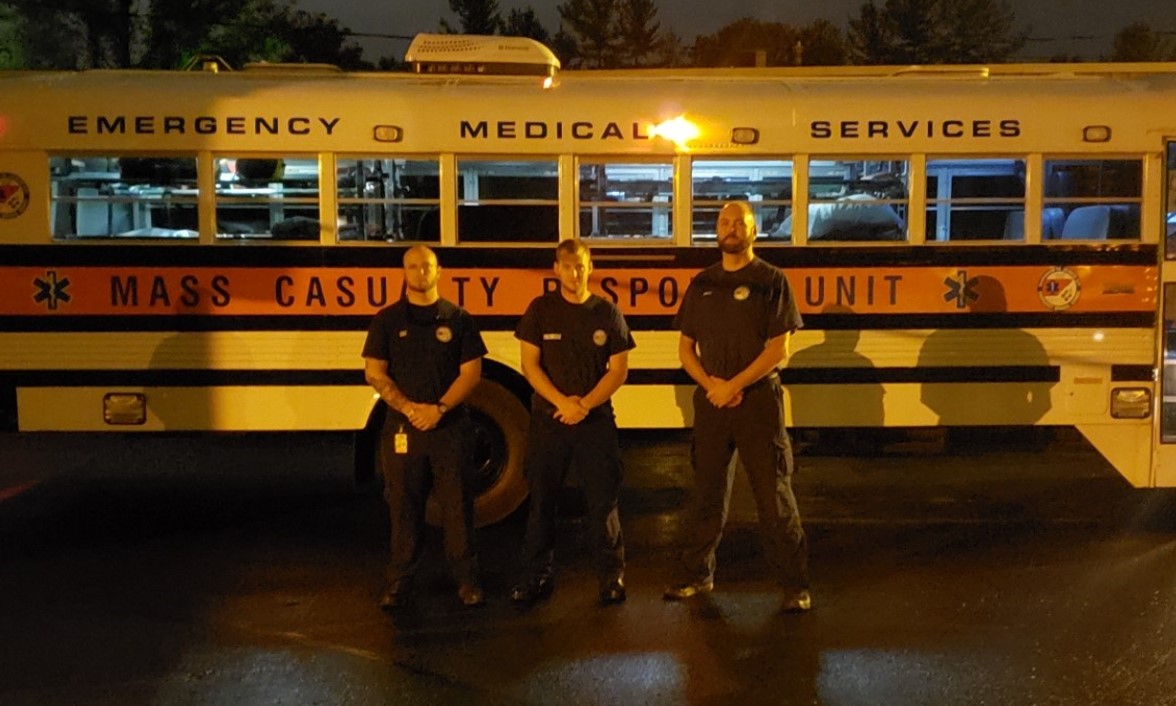
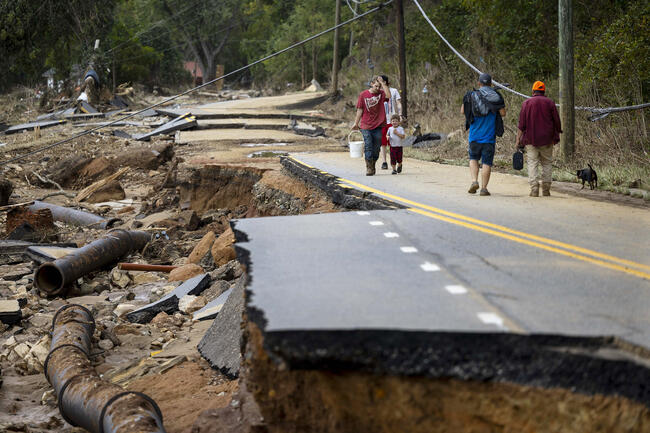
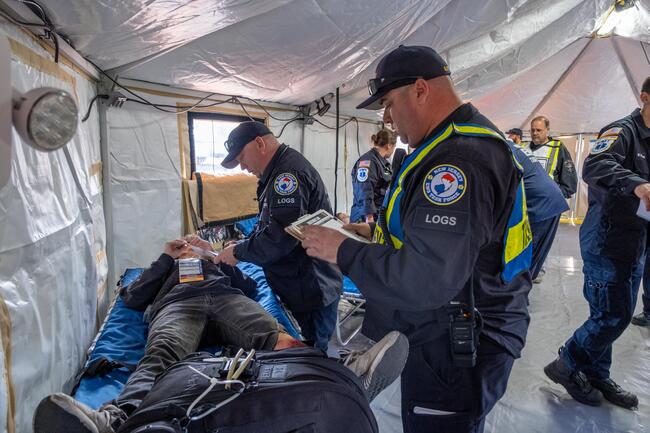
The Tennessee legislature passed Public Act Chapter 21 in 1977, establishing telecommunications resource coordination centers (RCCs) in each of the state's urban areas. (Photos: John M. Dabbs) The intent was to establish a statewide system of EMS phone and radio communications to help provide rapid EMS to the population. The RCCs would serve as gatekeepers on the airwaves.In the years after the 2001 attacks on the Pentagon and World Trade Center, the Department of Health’s new Emergency Preparedness division began partnering with the Office of EMS to expand the capabilities of RCCs. Many of the initial RCCs designated were 9-1-1 dispatch centers. State leaders quickly learned the additional duties being asked of the centers would overwhelm a 9-1-1 center if an event took place. They began to rethink the designations, and all but a few were moved into aeromedical dispatch centers. Tennessee has divided the state into 8 health care regions. The designated RMCCs in Tennessee are in Chattanooga, Columbia, Cookeville, Jackson, Johnson City, Knoxville, Memphis, and Nashville. RMCCs use the Tennessee Advanced Communications Network (TACN) to network with state partners to coordinate hospital and EMS assets in conjunction with public health.TACN buildouts have allowed county and municipal stakeholders to piggyback on the system at less cost than installing their own system.Supervisors and field personnel arriving at an MCI alert their RMCC when they realize a mutual aid response will be needed. The RMCC can activate the event notification in HRTS to simultaneously alert hospitals. Many RMCCs in the state have been tested in recent years due to widespread flooding and long-track tornadoes. They’ve all been up to the task.
The scenario was horrific: Midway through a concert performance by the popular group The Bascom 5 at Stockton University, a section of bleachers collapsed, injuring dozens of attendees. The good news is it wasn’t real.
The scenario was horrific: Midway through a concert performance by the popular group The Bascom 5 at Stockton University, a section of bleachers collapsed, injuring dozens of attendees. The good news is it wasn’t real.
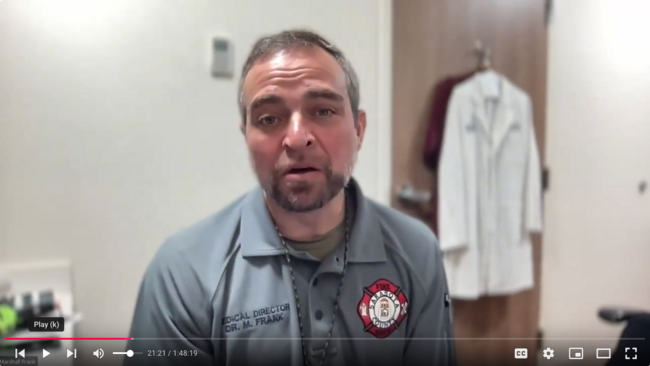
Marshall Frank on protocols for severe hypertension during pregnancy; Robert Dunne on Detroit’s designation as a Heart Safe community; Aileen Marty on Eastern equine encephalitis; and more.
Marshall Frank on protocols for severe hypertension during pregnancy; Robert Dunne on Detroit’s designation as a Heart Safe community; Aileen Marty on Eastern equine encephalitis; and more.
The National EMS Quality Alliance (NEMSQA) was honored as this year’s prestigious Nicholas Rosecrans Award winner for their exceptional work on the Lights and Sirens Collaborative.
The National EMS Quality Alliance (NEMSQA) was honored as this year’s prestigious Nicholas Rosecrans Award winner for their exceptional work on the Lights and Sirens Collaborative.