Integrating Advanced Electrophysiology Into an Established Cardiovascular Ambulatory Surgical Center
© 2026 HMP Global. All Rights Reserved.
Any views and opinions expressed are those of the author(s) and/or participants and do not necessarily reflect the views, policy, or position of EP Lab Digest or HMP Global, their employees, and affiliates.
EP LAB DIGEST. 2026;26(10).
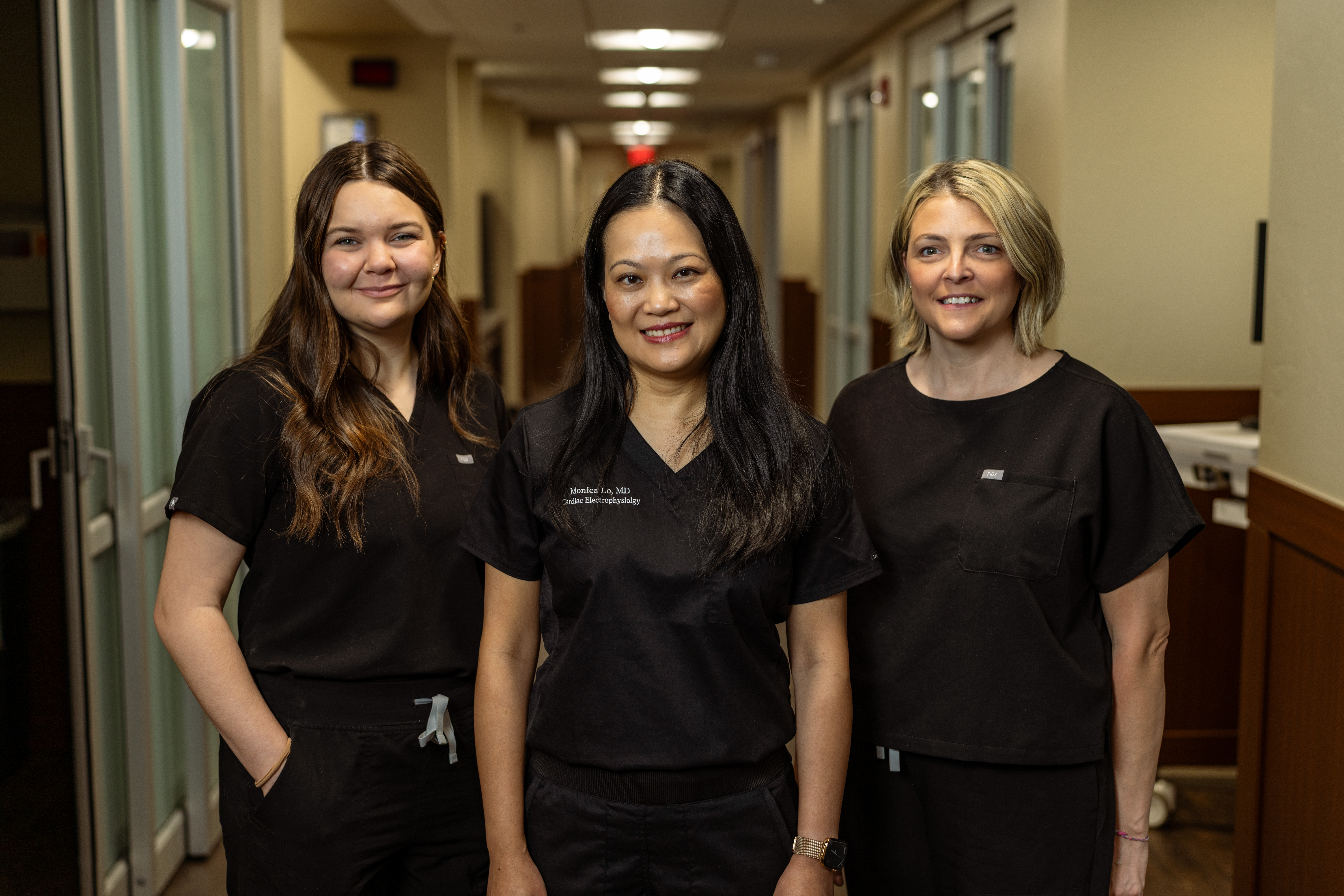
Monica Lo, MD, FHRS, FACC, Cardiac Electrophysiologist, and Amanda Stanley, RN, BSN, CNOR, Chief Operating Officer/Chief Nursing Officer
Oklahoma City, Oklahoma
Some cardiac electrophysiology (EP) procedures, such as device implantation, are already being performed in the ambulatory surgical center (ASC) setting. With approval of additional ablation codes from the Centers for Medicare & Medicaid Services, interest in expanding EP into the outpatient setting continues to grow. However, relatively few cardiovascular ASCs have successfully integrated a comprehensive EP program capable of performing advanced ablations, adopting emerging technologies, and caring for a broad spectrum of arrhythmia patients.
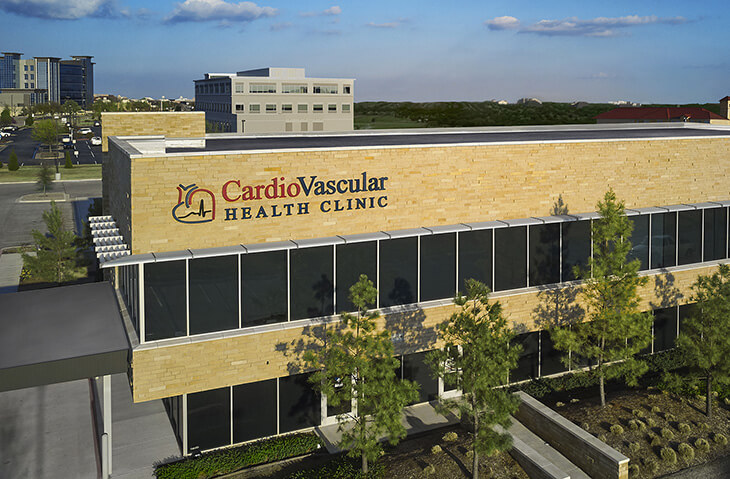
CardioVascular Health Clinic in Oklahoma City, Oklahoma, represents one example of how that expansion can occur. The clinic has evolved from a successful outpatient cardiovascular practice into an organization capable of performing atrial fibrillation (AF) ablations, supraventricular tachycardia (SVT) ablations, and other advanced EP procedures that historically have been performed primarily in hospital-based settings.
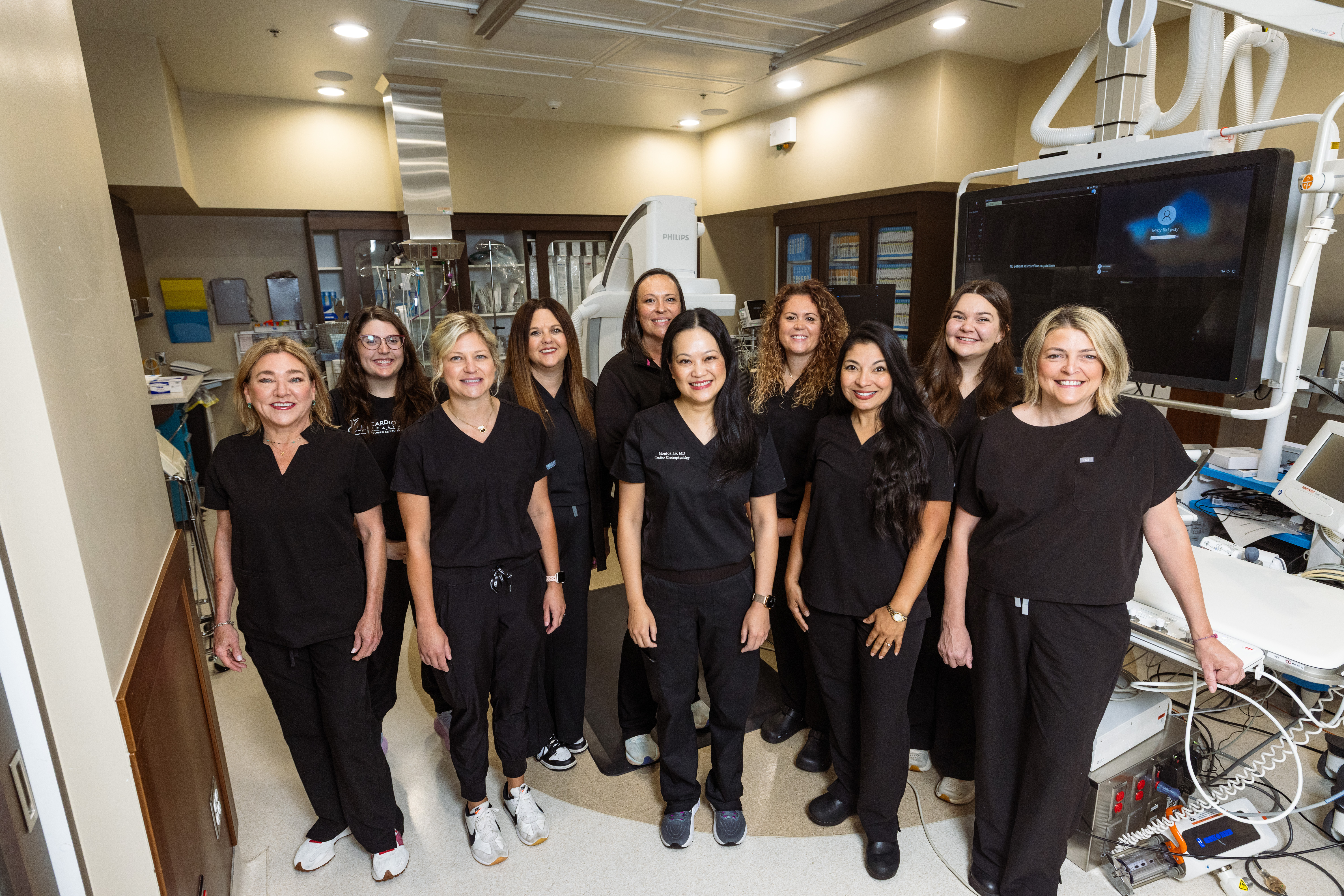
The program's growth has coincided with the addition of electrophysiologist Monica Lo, MD, FHRS, FACC, whose expertise in complex ablation, EP program development, and emerging technologies has expanded the clinic’s procedural capabilities.
For CardioVascular Health Clinic, the challenge has not been how to build an EP program from scratch, but how to successfully integrate EP into an established cardiovascular organization while maintaining the efficiency, safety, and patient experience that already defined the clinic's outpatient model.
Why EP Fits the CardioVascular Health Clinic Model
In many ways, EP aligns with the principles that have guided CardioVascular Health Clinic since its founding. Co-founders Jim Melton, DO, and Dwayne Schmidt, MD, built the organization around the belief that patients should have access to comprehensive vascular and cardiovascular care delivered through a coordinated, multidisciplinary model. As the clinic expanded its expertise in minimally invasive cardiovascular interventions, advanced imaging, vascular care, research, and outpatient procedures, EP became a natural next step in the continued evolution of the platform.
“The goal has always been to build a vascular and cardiovascular organization capable of providing patients with access to the full spectrum of care, with EP serving as an important part of that continuum,” notes Jim Melton, DO. Adding EP has been a natural extension of this philosophy, allowing the organization to provide better care to more patients.
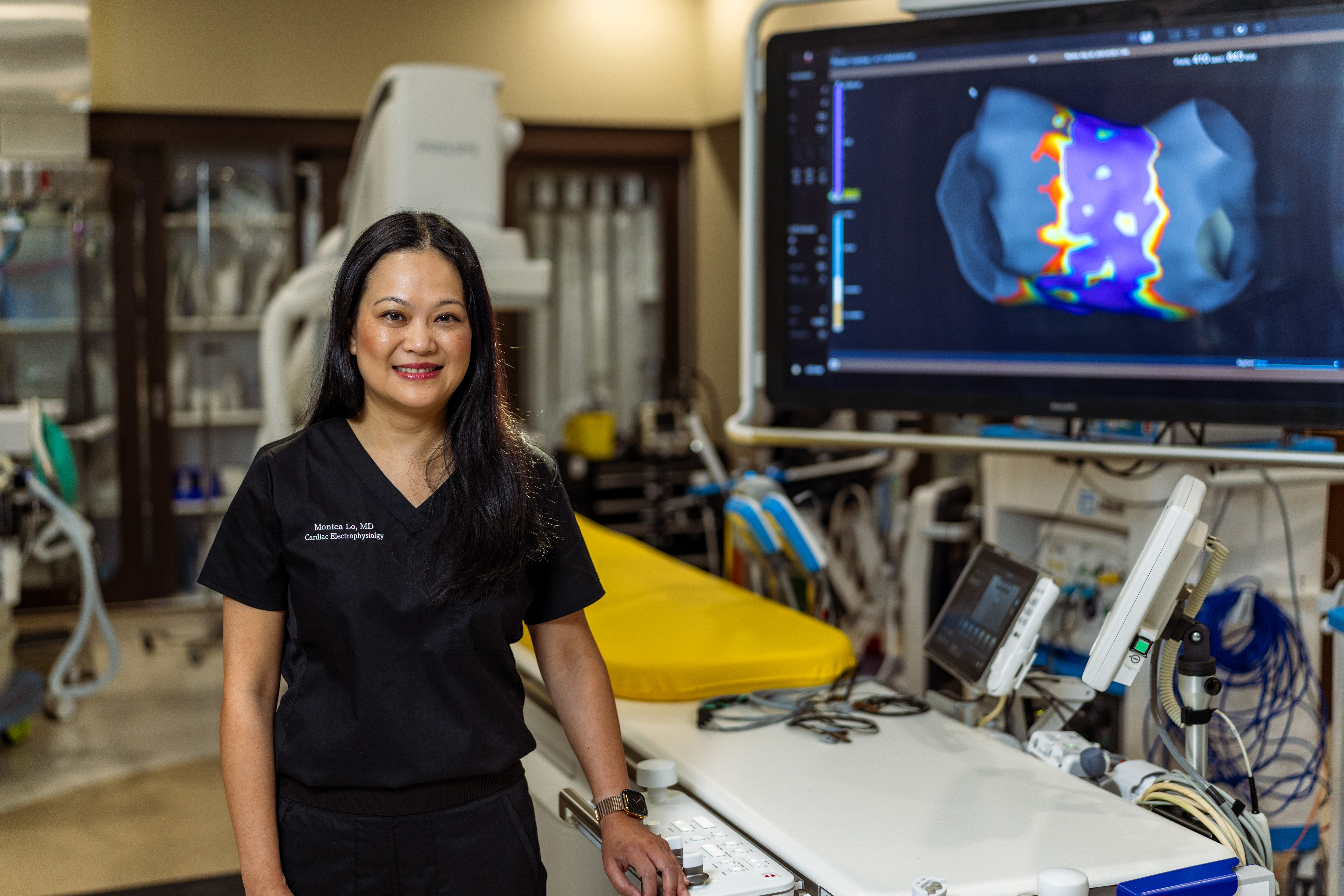
One of the biggest advantages CardioVascular Health Clinic brings to outpatient EP is that the organization was already performing many of the functions required to support complex EP procedures before introducing EP. The clinic's physicians and staff routinely manage cardiovascular patients undergoing catheter-based interventions, vascular procedures, advanced imaging, and other minimally invasive therapies. As a result, cath lab operations, anesthesia coordination, recovery pathways, quality protocols, and multidisciplinary physician collaboration were already well established. EP was therefore integrated into an environment that already understood outpatient cardiovascular intervention.
CardioVascular Health Clinic’s approach also differs from that of many organizations attempting to launch EP services independently. Rather than creating entirely new operational structures, the clinic leveraged existing procedural workflows, experienced staff, and established cardiovascular infrastructure.
Organizational culture has also played an important role. CardioVascular Health Clinic has long focused on minimally invasive therapies, reducing unnecessary hospitalization, and expanding access to advanced cardiovascular care in the outpatient setting—objectives that naturally align with EP. From an operational standpoint, adding has been less about creating a new service line and more about expanding the capabilities of an existing cardiovascular platform.
Electrophysiologists considering EP services in an ASC should first evaluate the model that best aligns with their experience, comfort level, resources, and goals. An electrophysiologist may build an ASC from the ground up, including designing the clinic and EP laboratory, or join an existing ASC owned by other physicians, private equity, a hospital, or a combination of stakeholders. Building an ASC requires entrepreneurial skills, including negotiating contracts with vendors and payers. Fiscal responsibility without sacrificing patient care is essential to expanding patient access and maintaining the ASC’s long-term viability. CardioVascular Health Clinic’s decade-long history, reputation for patient care and satisfaction, physician autonomy, and administration transparency attracted Dr Lo to move to Oklahoma City and join the ASC.
Bringing Advanced EP Expertise Into a Regional ASC
Infrastructure alone does not create an EP program, and physician expertise remains essential to sustainable success.
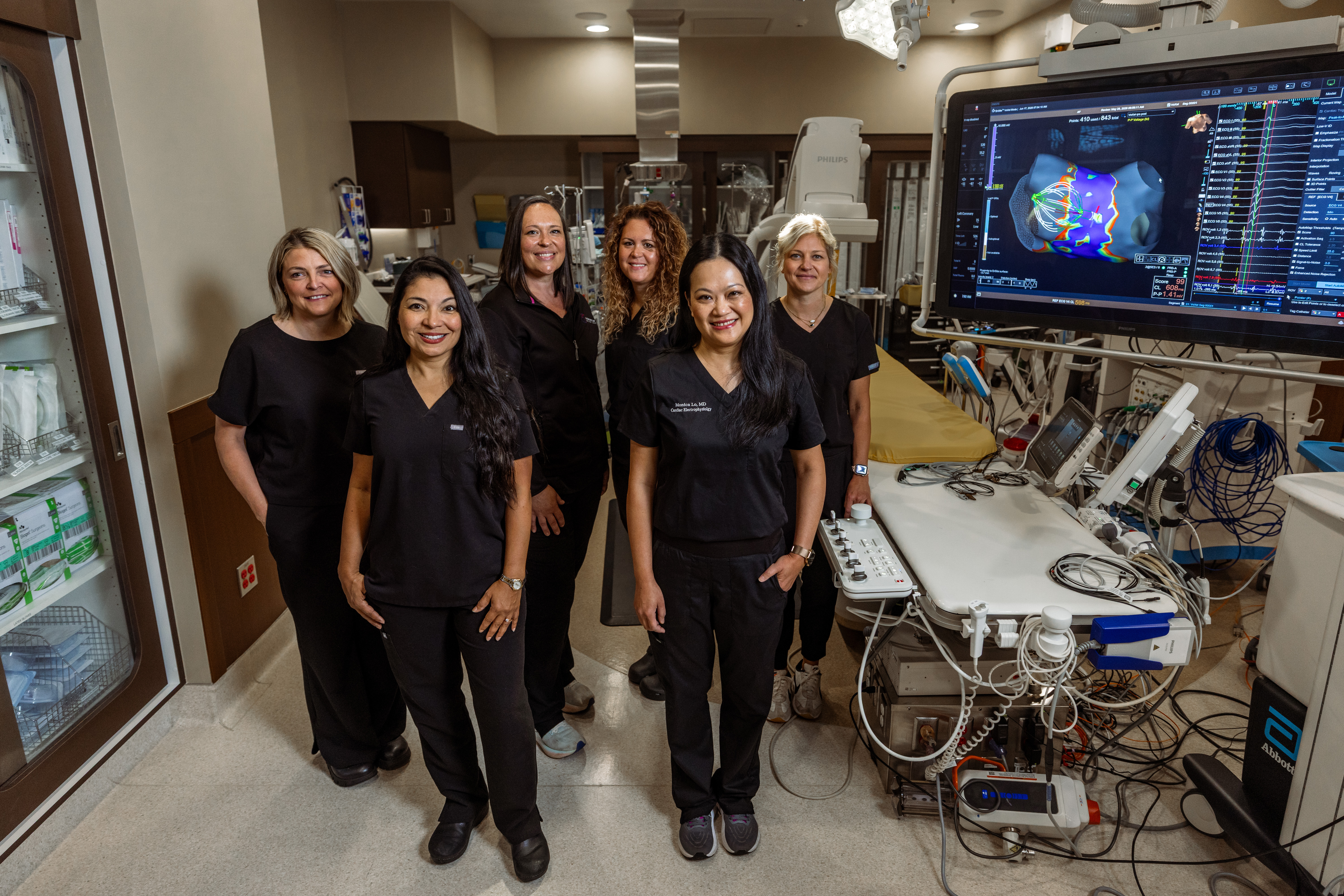
Dr Lo joined CardioVascular Health Clinic with extensive experience treating complex arrhythmias, performing advanced ablations, conducting research, and adopting emerging technologies in clinical practice. Following her EP fellowship at UT-Southwestern Medical Center in Dallas, she established a successful complex ablation program
Bringing that level of experience to an established cardiovascular ASC has accelerated the development of CardioVascular Health Clinic's EP program. Clinical protocols, procedural workflows, patient selection, staff education, and technology implementation have all benefited from her prior experience introducing advanced EP procedures into clinical practice. Within months of integrating EP services, the clinic began performing AF ablations, EP studies, and SVT ablations in the ASC environment. As procedural complexity and volume continue to increase, the combination of specialized EP expertise and existing cardiovascular infrastructure has enabled the program to expand its capabilities while maintaining the operational efficiency and multidisciplinary coordination already in place.
Although working in an ASC is an increasingly attractive option for electrophysiologists, physicians must consider whether they have the experience to manage anatomic variants and complications with fewer immediately available resources than in a hospital or academic setting. An electrophysiologist may be working alone, without the support of other experienced EP colleagues nearby. Procedural efficiency is also important in an ASC environment and often develops with experience.
Implementing Advanced Ablation Technologies in the ASC Setting
CardioVascular Health Clinic's existing cardiovascular infrastructure has also created an environment well suited for integrating advanced EP technologies into outpatient practice. Technology adoption follows the same philosophy used throughout the organization: new technologies are incorporated when they improve patient care and can be integrated seamlessly into existing workflows.
Pulsed field ablation (PFA) is one of the most significant examples. In 2026, CardioVascular Health Clinic performed the first PFA procedure in an Oklahoma ASC. This milestone represented more than the introduction of a new technology; it demonstrated how advanced EP procedures can be successfully integrated into an outpatient cardiovascular practice when supported by the appropriate expertise, infrastructure, and patient selection.
The clinic currently utilizes the Volt PFA platform (Abbott) as part of its EP program. Beyond consistent lesion delivery, the platform has operational implications that are particularly relevant in the ASC environment. Clinical experience has demonstrated stable catheter positioning and contact, along with effective, reliable mapping using moderate or deep sedation—important for ASCs that do not have full-time anesthesia support. This provides additional flexibility in procedural planning while supporting patient comfort and workflow efficiency.
Equipment and vendor selection are critical decisions, weighing costs without compromising efficacy and patient outcomes, local clinical support, physician familiarity, and anesthesia availability. Because reimbursement in an ASC differs from hospital reimbursement, product cost will likely drive vendor selection in order for ASCs to stay viable.
For CardioVascular Health Clinic, the successful integration of technologies such as PFA has been less about acquiring new equipment and more about incorporating those technologies into an existing framework centered on cardiovascular care, patient comfort and safety, procedural efficiency, and multidisciplinary collaboration.
Patient Selection and Procedural Support
As procedural capabilities expand, patient selection remains one of the most important components of the program. CardioVascular Health Clinic does not approach EP with the goal of moving every case into the ASC setting. Rather, the focus is on identifying patients who can safely benefit from outpatient treatment while maintaining access to hospital-based care when appropriate—a process well supported by the clinic’s multidisciplinary structure.
At CardioVascular Health Clinic, EP operates within a broader cardiovascular organization that includes interventional cardiology, vascular specialists, imaging services, anesthesia support, procedural nursing teams, and established recovery pathways. Together, these resources provide flexibility when determining the most appropriate treatment strategy for each patient and expand the range of procedures that can be safely performed in the ASC setting.
Some outpatient programs are limited by available support services or procedural resources, but CardioVascular Health Clinic's established cardiovascular infrastructure allows physicians to focus on selecting the most appropriate treatment for each patient rather than being constrained by facility capabilities. This flexibility has become increasingly important as newer technologies and more advanced ablation procedures continue to move into the outpatient setting.
Patient selection considerations include the potential for an extended length of stay, oxygen requirements, significant left ventricular dysfunction, and characteristics of the arrhythmia (paroxysmal, persistent, longstanding persistent, or previously ablated AF). Same-day discharge is the norm in an ASC, making appropriate patient selection essential. Operator experience, available equipment, and ancillary support also determine the type of cases an ASC can safely manage. Ultimately, patient safety, procedural efficacy and efficiency, and cost consciousness without compromising quality of care all contribute to the success of an ASC. Careful preprocedural planning and a consistent workflow are equally important.
Expanding Access to Advanced Arrhythmia Care
One of the most significant outcomes of the EP program at CardioVascular Health Clinic has been expanded access to advanced EP services across Oklahoma. Many patients who historically traveled to larger hospital systems or academic medical centers for advanced arrhythmia care now have access to a growing range of EP procedures closer to home in a cardiovascular ASC setting. This is particularly meaningful in a state where geographic distance can create barriers to specialty care. Additionally, the clinic’s active participation in leading research provides patients with access to some of the most cutting-edge technologies available.
The program also benefits from being part of a larger cardiovascular organization. Patients receiving EP care often have concurrent cardiovascular conditions that require coordination among multiple specialists. Housing those services within a single organization allows CardioVascular Health Clinic to simplify communication, improve continuity, and streamline care.
Lessons Learned
CardioVascular Health Clinic's experience suggests that successful outpatient EP programs are not defined solely by technology, reimbursement, or procedural volume. Instead, the clinic’s growth has been driven by a combination of organizational, clinical, and operational strengths, including:
- Existing cardiovascular ASC infrastructure
- Experienced procedural teams
- Multidisciplinary physician collaboration
- Academic-level EP expertise
- Patient-centered care
- Cost consciousness without compromising patient safety or procedural effectiveness
- Careful patient selection
- A culture centered on minimally invasive cardiovascular intervention
- A willingness to adopt new technologies when supported by appropriate clinical and operational resources
Many discussions about EP in the ASC setting focus on the new capabilities required to build a successful program. CardioVascular Health Clinic's experience highlights a different perspective: in many cases, the organizations best positioned to expand into EP may already possess much of the infrastructure, expertise, and culture needed to support it. “EP was added to complement existing services and provide patients with a more comprehensive cardiovascular care experience,” comments Dr Schmidt.
At CardioVascular Health Clinic, EP has become a natural extension of an established outpatient cardiovascular platform. The result is a program that continues to expand its procedural capabilities, adopt emerging technologies, and improve access to advanced arrhythmia care throughout Oklahoma.
Disclosures: The authors have completed and returned the ICMJE Form for Disclosure of Potential Conflicts of Interest. Dr Lo reports consulting fees from Abbott for participation on an advisory board: payment or honoraria from Abbott for lectures, presentations, speakers’ bureaus, manuscript writing, or educational events; and a leadership role for the Heart Rhythm Society for a physician FMV committee. Amanda Stanley, RN, BSN, CNOR, has no conflicts of interest to report.