Clinicians Prepared for Evolving Psychedelic Landscape at Psych Congress Elevate
Key Clinical Summary
- Federal efforts to accelerate US Food and Drug Administration (FDA) review of psychedelic-assisted therapies may lead to an FDA approval by late 2026 or early 2027, underscoring the need for clinicians to monitor regulatory developments and prepare for implementation.
- Regulatory changes affecting psychedelic access do not eliminate unregulated use, and clinicians should be prepared to care for patients who obtain these substances through both regulated and unregulated pathways.
- A 2023 survey found that only slightly more than half of patients disclosed psychedelic use to psychiatric clinicians, highlighting the importance of nonjudgmental communication, harm-reduction counseling, informed consent, and education about potential medication interactions and adverse experiences.
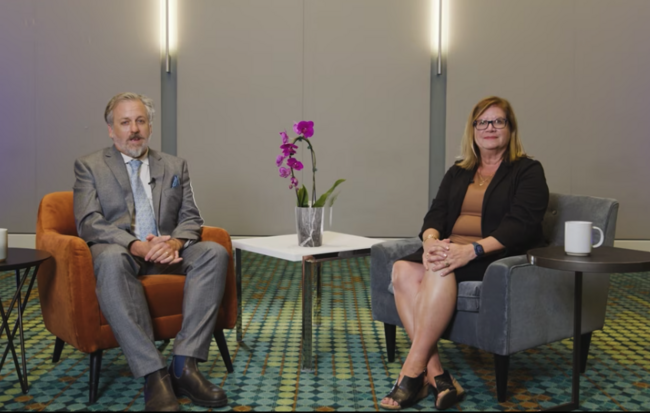
“Increasingly, psychedelics are going to come into your life,” Charles Raison, MD, Steering Committee, Psych Congress, told attendees Friday morning at the 10th annual Psych Congress Elevate in Las Vegas. In an interactive session, Raison and Andrew Penn, MS, CNS, ANP, PMHNP, Steering Committee, Psych Congress, answered audience questions on how federal efforts to accelerate US Food and Drug Administration (FDA) review of psychedelic-assisted therapies may shift treatment paradigms within psychiatric practice.
The conversation continued on Saturday morning, as Raison and Jennifer Tustison, DNP, PMHNP-BC, FNP-C, took the stage to present their session, “The Psychedelic Countdown: From Clinical Trials to Clinical Practice.” The discussion centered on practical strategies for treating patients within the evolving world of regulated and unregulated psychedelic use.
Regulatory Changes and Psychedelic Use
The federal government’s recent push to reduce drug review timelines for psychedelic therapies targeting major depression, posttraumatic stress disorder (PTSD), and treatment-resistant depression (TRD), means that there may be more widespread access to regulated psychedelic agents across the US.
However, “we know our patients are using these medicines in a variety of settings—some that are regulated, and some that are not,” said Dr Tustison.
After the 2023 rescheduling of MDMA in Australia, the clinicians noted, population level MDMA use increased. In Oregon, despite the establishment of a regulated psilocybin access program, approximately 90,000 individuals still accessed the drug through unregulated pathways over 12 months.
Because regulatory expansion of psychedelic access does not eliminate unregulated use, clinicians should be prepared to care for patients who obtain these substances through both regulated and unregulated pathways, Drs Raison and Tustison underscored.
Encouraging Open Communication
Providing quality care to patients who are either interested in or already accessing psychedelics through regulated or unregulated avenues begins by creating an environment in which patients feel comfortable sharing their psychedelic use with their providers, the clinicians shared.
“Even in the best-case scenario in a 2023 survey, only a little over half [of patients] disclosed psychedelic use to psychiatric clinicians,” Dr Tustison shared. Lacking awareness of patient substance use may increase the risk of medication interactions or leave adverse experiences unaddressed.
To encourage patient transparency, Dr Tustison emphasized that careful language decisions are paramount.
“When we use pejorative, shame-inducing terms like ‘illegal,’ or ‘illicit,’ we’re shutting the conversation down,” she said. Phrases like “non-prescribed” and “outside of medical settings,” however, may lead to more candid discussion from patients.
The presenters also cited research indicating that patients are more likely to disclose substance use on self-administered screenings, while the use of ambient scribes may increase self-censorship.
Harm-Reduction and Informed Consent
Rather than avoiding discussions on patient substance use or interest in psychedelic-assisted therapy, the faculty directed patients to an American Psychiatric Association (APA) resource document outlining recommended responses in clinical practice.
Guided by harm-reduction principles, highlights include engaging openly and transparently about current evidence and limitations supporting psychedelic agents in psychiatric practice, education about heightened vulnerability during the acute psychedelic experience, and the importance of patient preparation and informed consent prior to engaging with these substances.
Preparing for What Comes Next
“It is very likely, although it is not guaranteed, that there’ll be an FDA approval [of a psychedelic-assisted therapy] by the end of year, or in early 2027,” Dr Raison told the audience. Gaining experience with ketamine and esketamine, which reflect many of the anticipated practical considerations that may accompany psychedelic agents, attending psychedelic-specific training programs, and closely following FDA developments may help clinicians build the knowledge and skills needed as these therapies move closer to routine clinical care.
For more news and updates from Psych Congress Elevate, visit the meeting newsroom.
References
Penn A, Raison C. Psych Congress Elevate Expert Q&A Series: Psychedelics. Presented at Psych Congress Elevate; June 3-6, 2026. Las Vegas, Nevada.
Raison C, Tustison J. The Psychedelic Countdown: From Clinical Trials to Clinical Practice. Presented at Psych Congress Elevate; June 3-6, 2026. Las Vegas, Nevada.