Targeting Sleep to Improve Mental Health Outcomes
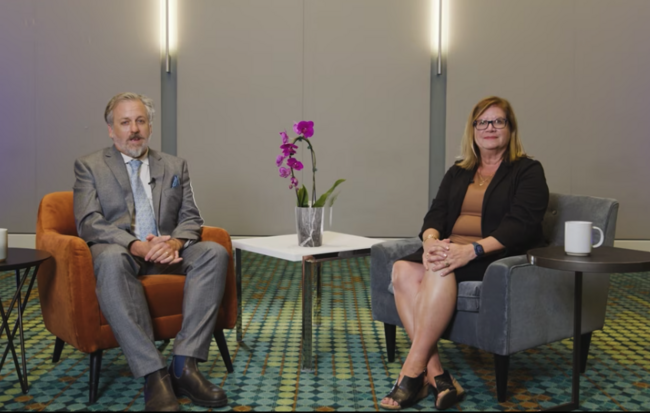
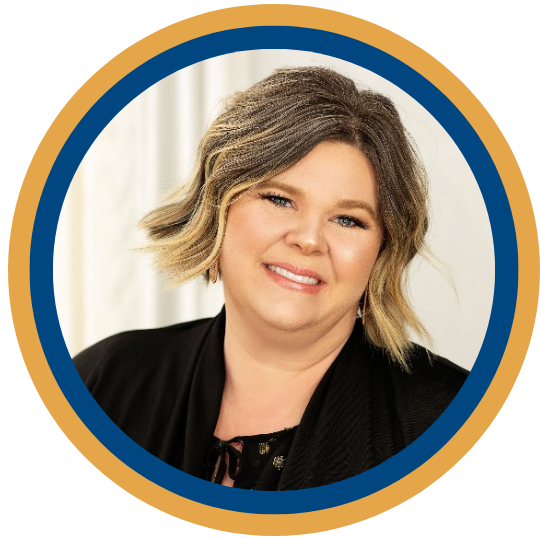
In this video, Psych Congress Steering Committee Partner Philip Gehrman, PhD, CBSM, FAASM, discusses how targeting sleep may improve outcomes for patients with co-occurring sleep and psychiatric disorders. Gehrman explores the impact that sleep may have on the course of psychiatric conditions and offers practical strategies that clinicians can immediately implement when patients present with sleep disturbances. He also shares his thoughts on how ongoing research in sleep medicine may lead to more comprehensive treatment approaches for these commonly co-occurring conditions.
For more expert insights, visit the Sleep Disorders Excellence Forum.
Key Takeaways for Clinical Practice:
- Depression with sleep disturbance is less likely to remit, remains more severe, and persistent sleep problems after remission increase relapse risk.
- Sleep problems magnify psychiatric symptoms (eg, anxiety) and comorbid conditions like chronic pain, worsening overall clinical burden.
- Immediate interventions: standardize sleep–wake schedules and use stimulus control (leave bed if unable to sleep, return when sleepy) to improve sleep onset and outcomes.
Read the Transcript:
Philip Gehrman, PhD, CBSM, FAASM: Hi, my name is Phil Gehrman. I'm a clinical psychologist and professor in the Department of Psychiatry at the University of Pennsylvania. My time is spent with a mixture of research primarily focused on insomnia and its relationship with psychiatric disorders, and then also clinical practice where I see patients in a sleep disorder center.
Psych Congress Network: How do untreated or unrecognized sleep-wake disorders typically affect the course of psychiatric conditions such as depression, anxiety, or bipolar disorder?
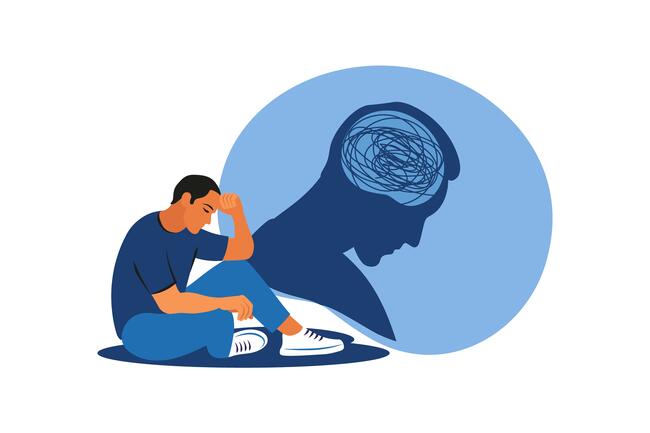
Gehrman: Some of the best data we have is in the context of depression and what we know is for people with depression that contains a sleep disturbance, their depression is less likely to remit. Oftentimes even with remission of depression the sleep problems continue, and that increases the risk for relapse. Their depression tends to be more severe.
The way I think about it is when you have sleeping problems, it magnifies your weak spots. If your problem is with anxiety, if you're also not sleeping well, that's going to magnify your anxiety. Even in the context of, say, chronic pain, pain tends to be worse when people also are not sleeping well than on its own, so [sleep disruption] really magnifies the other things that it accompanies.
PCN: From your experience, what are one or two practical interventions clinicians can apply right away to improve outcomes for patients struggling with both sleep and psychiatric symptoms?
Gehrman: My go-to lowest hanging fruit is one, get people on a regular schedule. Oftentimes people with psychiatric disorders tend to have more irregular bedtimes and wake-up times, so trying to just help people move towards a more consistent schedule can actually go a long way on its own. That’s one.
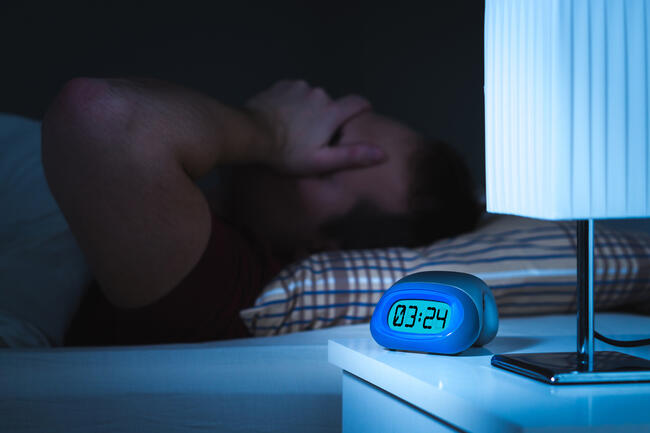
My second low-hanging fruit is a component of stimulus control, which is that usually if people can't sleep, they just lie there sometimes for hours, tossing and turning. They get more and more bothered by not sleeping well. They're trying harder and harder to sleep, and it actually just gets harder and harder to sleep.
I often recommend that if people get to that point where they've been laying there for a little while, sleep's just not happening, get up, take a break from trying to sleep, go do something relaxing, and then return to bed once you feel sleepy again. People often find they actually get back to sleep faster than if they had remained in bed, and you're substituting that really frustrating tossing and turning time with more relaxing activities.
PCN: Where do you see the most exciting opportunities for research or innovation in the intersection of sleep medicine and psychiatry over the next decade?
I think one of the things that we've known for a long time, I just feel like people are starting to really think about it a lot more, is the fact that a lot of the brain circuits that regulate sleep and wakefulness are the same brain circuits that regulate mood and that regulate anxiety. The underlying brain mechanisms of psychiatric disorders and of sleep and wakefulness are really the same. I think what's really exciting with that growing appreciation is seeing how we can leverage our understanding of sleep and wakefulness to improve mental health and vice versa.
One of the exciting developments in recent years in the field has really been investigation of the orexin system, which seems to serve a critical role for stabilizing our sleep and wakefulness. For several years, we've now had medications that target the orexin system in one direction that can treat insomnia. Now we're seeing rapid development of medications that work in the other direction for hypersomnia. It’s, I think, bringing together these different pieces of psychiatry and sleep medicine with insomnia and hypersomnia into a more comprehensive way of thinking about things.
Philip Gehrman, PhD, CBSM, FAASM, is a professor of psychology in the Department of Psychiatry of the University of Pennsylvania School of Medicine, and a clinical psychologist at the Philadelphia VA Medical Center. He directs the Sleep, Neurobiology and Psychopathology lab at Penn. He has an active research program exploring the mechanisms and treatment of sleep and circadian dysregulation in the context of mental health disorders. Dr Gehrman’s clinical specialization is on the delivery of cognitive behavioral and chronotherapeutic interventions for insomnia, circadian rhythm disorders, and other sleep disorders. The overarching goal of his work is to advance the understanding of the links between sleep and mental illness through translational research that spans biology to therapeutics.
© 2026 HMP Global. All Rights Reserved.
Any views and opinions expressed above are those of the author(s) and do not necessarily reflect the views, policy, or position of the Psych Congress Network or HMP Global, their employees, and affiliates.