CEO Spotlight: Eitan Machover of Wellsense
07/12/2013
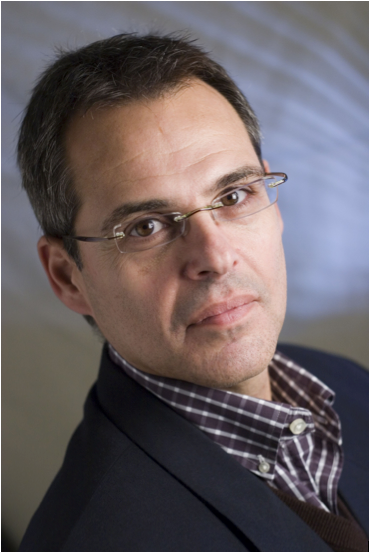 OWM: Please describe the education, training, and work experiences that prepared you for your current position as the CEO of Wellsense.
I spent 15 years with General Electric (GE), including 7 years with GE Healthcare. Most of my work was on the business development side, doing mergers and acquisitions. I moved to Israel in 1999 to integrate a couple of businesses GE had acquired there, and later that year I became the national executive, having overall responsibility for GE businesses in Israel. In 2003, I left GE to start MediTech Advisors, a medical device venture fund with two GE colleagues. We transitioned it into a second fund in 2006 with Ziegler Investments, a US Midwest Merchant Banking group. Right before joining Wellsense, I served as CEO of Ovalum Vascular, a medical device company that develops and produces technology designed for arterial conditions.
OWM: Why did you choose to lead this particular company?
I decided I wanted to go back into operations after Ziegler MediTech was fully invested. I started working with a number of entrepreneurs, including Ran Poliakine, the founder of Wellsense, who are invested in a number of medical device companies. Wellsense is one of the companies in that cluster that is in the more advanced stages, and I decided to join them to help build the strategy for the group. After I completed the go-to-market strategy for Wellsense, the board asked me to come on as CEO to implement it.
OWM: What do you like most about working there?
The opportunity to improve, and save, people’s lives by helping prevent the pain and suffering associated with the formation of pressure ulcers is extremely rewarding. Our technology provides caregivers with a more streamlined method to do their job, which will benefit all patients for whom they provide care. The company has truly remarkable innovative spirit, and there is an extremely bright future ahead of us with many opportunities to effect change in the wound industry. Wellsense already has received great feedback from users and key opinion leaders, which lets us know we are doing something significant and meaningful.
OWM: What makes you the most proud of Wellsense and your employees?
Pressure ulcers are an enormous burden, in terms of both human suffering and cost to the healthcare system. In a relatively short period of time, Wellsense has managed to bring a working pressure mapping system to the market that can help alleviate these issues. Our product allows caregivers to provide better care for their patients, which is greatly satisfying for us.
Our team is comprised of individuals with various areas of expertise, and each one contributes to the overall success of the company and product development. Everyone is highly involved and very dedicated and eager to constantly improve and enhance the M.A.P™ so it becomes the standard of care worldwide.
OWM: What are some of the company’s biggest accomplishments thus far?
Hundreds of M.A.P™ units have been placed in hospitals, nursing homes, and long-term acute care centers in the US. Thousands of patients and caregivers already have benefitted from this technology. We have received tremendous feedback from both nurses and physicians who have had experience with our technology.
The M.A.P™ effectiveness has been proven in a number of case studies. In one study, conducted over a 21-month period, not a single pressure ulcer was reported while using the M.A.P™. That’s in contrast to the ongoing rate of between 4% and 6% of all hospitalized patients developing pressure ulcers. According to a 6-month study, a facility saved an estimated $650,000 by avoiding nine hospital-acquired pressure ulcers from using the M.A.P™. Another facility had zero pressure ulcers occur over 6 months of M.A.P™ use, compared to 16 incidences without the aid of the system over the same time frame the year before.
OWM: What differentiates Wellsense from its competitors?
What we have developed is a unique way to provide affordable bedside pressure mapping. Pressure mapping has existed for a long time but as a one-time diagnostic solution for assessment. Essentially, patients would come in and get a one-time test and caregivers would decide what kind of surface is best for that particular patient. Because we were able to reduce the cost of the device significantly, we were able to go beyond a single point-in-time surface evaluation and develop a continuous bedside monitoring solution that can be deployed across entire facilities.
The creators of the M.A.P™ realized the key to reducing pressure ulcers lies with the caregivers, so it was important to ensure the product not only was affordable, but also something that would change the behavior in hospitals and help the nursing staff and caregivers do their jobs better. We believe if caregivers can better monitor pressure, they can reduce the risk of pressure ulcers, saving money for the healthcare system.
The M.A.P™ is also more dynamic than other available products. It was created with an individualized approach. One of the system’s best features is that we've built it with functions that can be personalized for the needs of each specific facility and each specific patient. Because we are enabling a number of services and analyses that can be wrapped around the M.A.P™, it is not just a medical device, but rather a total solution.
OWM: What is the biggest challenge you face working in the realm of wound care?
A major challenge is the general lack of knowledge when it comes to wound, as evidenced by the continued frequency of pressure ulcers, which are considered highly preventable. While this is a challenge, it is something we believe the M.A.P™ can help change. By providing caregivers an opportunity to learn and see first-hand how certain positioning affects pressure, we can significantly decrease pressure ulcer occurrences. Physicians and caregivers have commented that the system showed when subtle changes reduced pressure, and the changes often were not what their experience would have suggested. One of the greatest assets of our technology is its functionality as a learning tool that will help caregivers do their jobs better and more completely understand the nuances of pressure ulcer prevention.
OWM: In what direction would you say the industry is moving?
We’ve observed a trend in the US where more and more facilities are outsourcing their mobility services — ie, the need to turn patients every 2 hours in order to prevent pressure buildup — to third parties because the task is so time-consuming. Our technology is capable of closing the loop between the clinical service provider and the staff that will carry those services by providing real-time pressure distribution monitoring capabilities, all built into a single offering.
There is also a greater importance being placed on data analytics in the healthcare industry as a whole. The M.A.P™ is valuable in that it can provide feedback that can be used to measure delivery of care and also provide significant clinical insight into wound care in general, which has been an understudied area of healthcare, despite associated costs.
OWM: How does Wellsense remain competitive in the wound care field?
The M.A.P™ is much more than a device. It is an enabling technology that allows caregivers to continuously monitor pressure data, which is helpful with regard to the daunting task of preventing the formation of pressure ulcers. What we do is give eyes to the nursing staff so they can visualize the actual pressure level the patient creates on the surface and identify in advance the pressure points that carry risk.
The M.A.P™ has applications across the continuum of care, with potential for use starting in the operating room during extremely long surgeries, to acute care settings such as the ICU and spinal cord injury units, to long-term care settings including burn centers and rehab facilities, and even in the home. We also are developing a M.A.P™ that will be compatible with wheelchairs, which would target a major section of the population at risk for developing pressure ulcers.
Many people have the impression that pressure mapping is very expensive. That’s because some of the companies operating in this space before Wellsense have products that cost more than $10,000 per system. Due to the high costs, those products have been deployed only as a one-off skin assessment tool rather than as a continuous beside pressure monitor. Our innovative technology, design, and manufacturing methods allow us to offer a product at a fraction of the competition’s cost.
OWM: What is the company doing to give back as far as corporate social responsibility or sustainability efforts are concerned?
Wellsense has donated M.A.P™ to a range of individuals and institutions for both health-related and educational purposes. One example is the story of a young boy in Israel who collapsed while playing basketball and fell into a coma. His family was concerned about the boy’s risk for acquiring pressure ulcers, so we provided them with a M.A.P™ unit. We are pleased to note that the young boy has recovered and no longer needs our technology.
Our technology also has been donated to educational institutions such as Cleveland Clinic, Boston Medical Center, Texas State University, and others. Students and researchers have had the opportunity to learn about wound care by using our System in lab and classroom settings.
OWM: Please describe the education, training, and work experiences that prepared you for your current position as the CEO of Wellsense.
I spent 15 years with General Electric (GE), including 7 years with GE Healthcare. Most of my work was on the business development side, doing mergers and acquisitions. I moved to Israel in 1999 to integrate a couple of businesses GE had acquired there, and later that year I became the national executive, having overall responsibility for GE businesses in Israel. In 2003, I left GE to start MediTech Advisors, a medical device venture fund with two GE colleagues. We transitioned it into a second fund in 2006 with Ziegler Investments, a US Midwest Merchant Banking group. Right before joining Wellsense, I served as CEO of Ovalum Vascular, a medical device company that develops and produces technology designed for arterial conditions.
OWM: Why did you choose to lead this particular company?
I decided I wanted to go back into operations after Ziegler MediTech was fully invested. I started working with a number of entrepreneurs, including Ran Poliakine, the founder of Wellsense, who are invested in a number of medical device companies. Wellsense is one of the companies in that cluster that is in the more advanced stages, and I decided to join them to help build the strategy for the group. After I completed the go-to-market strategy for Wellsense, the board asked me to come on as CEO to implement it.
OWM: What do you like most about working there?
The opportunity to improve, and save, people’s lives by helping prevent the pain and suffering associated with the formation of pressure ulcers is extremely rewarding. Our technology provides caregivers with a more streamlined method to do their job, which will benefit all patients for whom they provide care. The company has truly remarkable innovative spirit, and there is an extremely bright future ahead of us with many opportunities to effect change in the wound industry. Wellsense already has received great feedback from users and key opinion leaders, which lets us know we are doing something significant and meaningful.
OWM: What makes you the most proud of Wellsense and your employees?
Pressure ulcers are an enormous burden, in terms of both human suffering and cost to the healthcare system. In a relatively short period of time, Wellsense has managed to bring a working pressure mapping system to the market that can help alleviate these issues. Our product allows caregivers to provide better care for their patients, which is greatly satisfying for us.
Our team is comprised of individuals with various areas of expertise, and each one contributes to the overall success of the company and product development. Everyone is highly involved and very dedicated and eager to constantly improve and enhance the M.A.P™ so it becomes the standard of care worldwide.
OWM: What are some of the company’s biggest accomplishments thus far?
Hundreds of M.A.P™ units have been placed in hospitals, nursing homes, and long-term acute care centers in the US. Thousands of patients and caregivers already have benefitted from this technology. We have received tremendous feedback from both nurses and physicians who have had experience with our technology.
The M.A.P™ effectiveness has been proven in a number of case studies. In one study, conducted over a 21-month period, not a single pressure ulcer was reported while using the M.A.P™. That’s in contrast to the ongoing rate of between 4% and 6% of all hospitalized patients developing pressure ulcers. According to a 6-month study, a facility saved an estimated $650,000 by avoiding nine hospital-acquired pressure ulcers from using the M.A.P™. Another facility had zero pressure ulcers occur over 6 months of M.A.P™ use, compared to 16 incidences without the aid of the system over the same time frame the year before.
OWM: What differentiates Wellsense from its competitors?
What we have developed is a unique way to provide affordable bedside pressure mapping. Pressure mapping has existed for a long time but as a one-time diagnostic solution for assessment. Essentially, patients would come in and get a one-time test and caregivers would decide what kind of surface is best for that particular patient. Because we were able to reduce the cost of the device significantly, we were able to go beyond a single point-in-time surface evaluation and develop a continuous bedside monitoring solution that can be deployed across entire facilities.
The creators of the M.A.P™ realized the key to reducing pressure ulcers lies with the caregivers, so it was important to ensure the product not only was affordable, but also something that would change the behavior in hospitals and help the nursing staff and caregivers do their jobs better. We believe if caregivers can better monitor pressure, they can reduce the risk of pressure ulcers, saving money for the healthcare system.
The M.A.P™ is also more dynamic than other available products. It was created with an individualized approach. One of the system’s best features is that we've built it with functions that can be personalized for the needs of each specific facility and each specific patient. Because we are enabling a number of services and analyses that can be wrapped around the M.A.P™, it is not just a medical device, but rather a total solution.
OWM: What is the biggest challenge you face working in the realm of wound care?
A major challenge is the general lack of knowledge when it comes to wound, as evidenced by the continued frequency of pressure ulcers, which are considered highly preventable. While this is a challenge, it is something we believe the M.A.P™ can help change. By providing caregivers an opportunity to learn and see first-hand how certain positioning affects pressure, we can significantly decrease pressure ulcer occurrences. Physicians and caregivers have commented that the system showed when subtle changes reduced pressure, and the changes often were not what their experience would have suggested. One of the greatest assets of our technology is its functionality as a learning tool that will help caregivers do their jobs better and more completely understand the nuances of pressure ulcer prevention.
OWM: In what direction would you say the industry is moving?
We’ve observed a trend in the US where more and more facilities are outsourcing their mobility services — ie, the need to turn patients every 2 hours in order to prevent pressure buildup — to third parties because the task is so time-consuming. Our technology is capable of closing the loop between the clinical service provider and the staff that will carry those services by providing real-time pressure distribution monitoring capabilities, all built into a single offering.
There is also a greater importance being placed on data analytics in the healthcare industry as a whole. The M.A.P™ is valuable in that it can provide feedback that can be used to measure delivery of care and also provide significant clinical insight into wound care in general, which has been an understudied area of healthcare, despite associated costs.
OWM: How does Wellsense remain competitive in the wound care field?
The M.A.P™ is much more than a device. It is an enabling technology that allows caregivers to continuously monitor pressure data, which is helpful with regard to the daunting task of preventing the formation of pressure ulcers. What we do is give eyes to the nursing staff so they can visualize the actual pressure level the patient creates on the surface and identify in advance the pressure points that carry risk.
The M.A.P™ has applications across the continuum of care, with potential for use starting in the operating room during extremely long surgeries, to acute care settings such as the ICU and spinal cord injury units, to long-term care settings including burn centers and rehab facilities, and even in the home. We also are developing a M.A.P™ that will be compatible with wheelchairs, which would target a major section of the population at risk for developing pressure ulcers.
Many people have the impression that pressure mapping is very expensive. That’s because some of the companies operating in this space before Wellsense have products that cost more than $10,000 per system. Due to the high costs, those products have been deployed only as a one-off skin assessment tool rather than as a continuous beside pressure monitor. Our innovative technology, design, and manufacturing methods allow us to offer a product at a fraction of the competition’s cost.
OWM: What is the company doing to give back as far as corporate social responsibility or sustainability efforts are concerned?
Wellsense has donated M.A.P™ to a range of individuals and institutions for both health-related and educational purposes. One example is the story of a young boy in Israel who collapsed while playing basketball and fell into a coma. His family was concerned about the boy’s risk for acquiring pressure ulcers, so we provided them with a M.A.P™ unit. We are pleased to note that the young boy has recovered and no longer needs our technology.
Our technology also has been donated to educational institutions such as Cleveland Clinic, Boston Medical Center, Texas State University, and others. Students and researchers have had the opportunity to learn about wound care by using our System in lab and classroom settings.