Peripheral Arterial Disease: Clinical Burden, Strategic Growth Considerations, and the Evolution of ASC-Based Peripheral Vascular Care
© 2026 HMP Global. All Rights Reserved.
Any views and opinions expressed are those of the author(s) and/or participants and do not necessarily reflect the views, policy, or position of Cath Lab Digest or HMP Global, their employees, and affiliates.
Amy Newell, Senior Vice President; Anneka Oliver, Accreditation Consultant, Corazon
Corazon offers program development for the Heart, Vascular, Neuroscience, Spine, Orthopedic, and Surgical service lines, and with services in Consulting, Recruitment, Interim Management, Accreditation, and Peer Review. 

To learn more, visit www.corazoninc.com or call (412) 364-8200.
To reach the authors, email amy.newell@corazoninc.com or anneka.oliver@corazoninc.com.
What is PAD? Why Does It Matter?
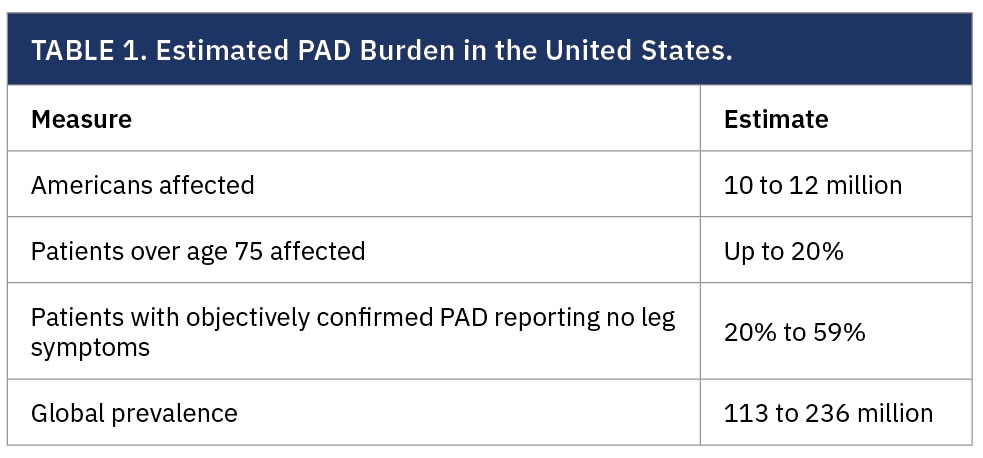
Peripheral arterial disease (PAD) is one of the most common yet unrecognized cardiovascular disorders affecting Americans today (Table 1). Characterized by the narrowing of peripheral arteries due to atherosclerosis, PAD reduces blood flow to extremities and significantly increases the risk of heart attack, stroke, disability, limb loss, and mortality. Current estimates suggest up to 10 to 12 million Americans are affected, with prevalence increasing dramatically among older adults and patients with diabetes, a history of smoking, hypertension, hyperlipidemia, chronic kidney disease, and known coronary artery disease. Importantly, many patients remain undiagnosed because symptoms can be subtle or entirely absent until disease progression becomes severe.
PAD presents both a critical clinical challenge and a significant strategic opportunity. Advances in minimally invasive endovascular treatment, combined with changing reimbursement models and patient preferences, have accelerated the transition of peripheral vascular interventions from hospital outpatient departments into ambulatory surgery centers (ASCs). Well-designed ASC vascular programs can provide high-quality care, improved patient satisfaction, lower healthcare costs, and attractive operating margins when supported by appropriate patient selection, market demand, quality oversight, and infrastructure planning.
This article will discuss the clinical realities of PAD, and the operational and financial considerations associated with ASC-based vascular programs, offering healthcare leaders a comprehensive view of the opportunities and challenges surrounding peripheral vascular service expansion.
Understanding Peripheral Arterial Disease
PAD is a progressive vascular condition that is a manifestation of systemic atherosclerotic disease and serves as an important marker of widespread cardiovascular risk. Patients diagnosed with PAD frequently have coexisting coronary artery disease (CAD) and cerebrovascular disease, making PAD both a limb-threatening and life-threatening condition.
The disease often progresses gradually. Early symptoms commonly include intermittent claudication, numbness or weakness, cold feet or toes, poor wound healing, skin discoloration, decreased pulses and hair loss on lower extremities. However, PAD may be clinically silent or present with atypical leg symptoms rather than classic claudication. Among patients with objectively confirmed PAD, 20%-59% report no leg symptoms, contributing to delayed diagnosis and undertreatment. In some patients, PAD can progress to chronic limb-threatening ischemia, with rest pain, nonhealing wounds, gangrene, tissue loss, and in some cases, lower-extremity amputation.
Who is at Risk?
PAD shares many of the same risk factors associated with coronary artery disease. Smoking remains one of the most significant modifiable risk factors, but yet many struggle without any support to quit smoking. Diabetes, hypertension, hyperlipidemia, chronic kidney disease, sedentary lifestyle, obesity, advanced age, and family history further contribute to disease risk.
The more vulnerable populations (Table 2) include:
• Adults older than 60 years
• Current and former smokers
• Individuals with diabetes
• Patients with hypertension
• Individuals with chronic kidney disease
• Patients with established coronary artery disease
These populations may be appropriate targets for community outreach and, when clinically indicated, targeted PAD screening or further evaluation. 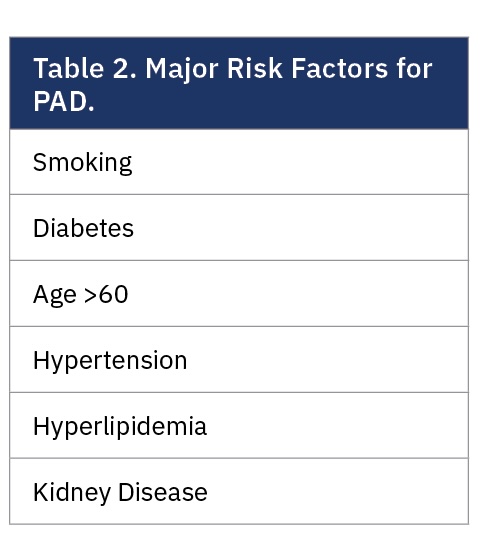 Such efforts may identify previously undiagnosed patients who could benefit from treatment and ongoing disease management. Early identification can be supported through risk assessment, patient education, and appropriate use of the ankle-brachial index in patients at increased risk.
How Do We Diagnose and Treat?
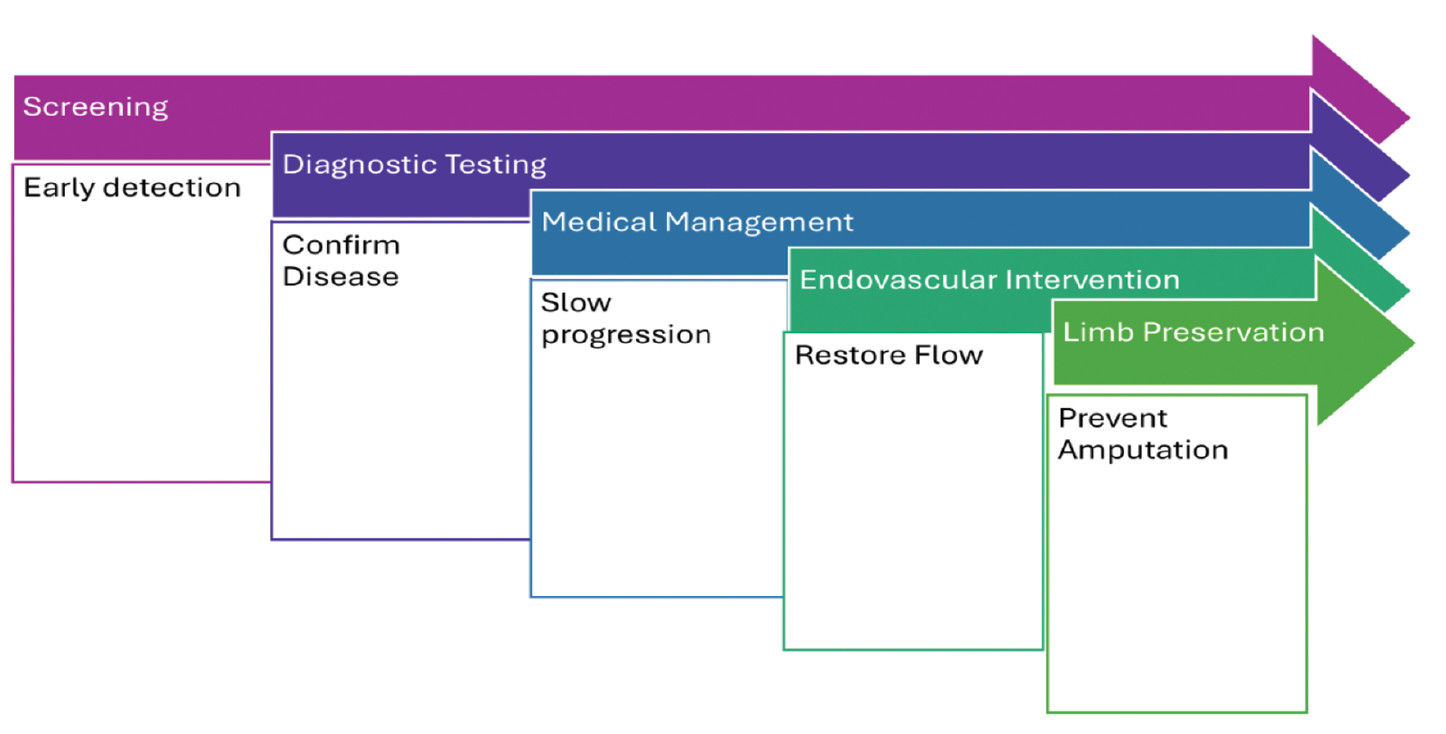
Early diagnosis is essential because many patients can avoid severe complications through appropriate medical management and lifestyle modification (Figure 1). The resting ankle-brachial index (ABI) is the primary initial diagnostic test for suspected PAD. Depending on the clinical scenario, additional evaluation may include vascular ultrasound, functional exercise testing, computed tomography (CT) angiography, or invasive peripheral angiography when further anatomic definition is needed, particularly when revascularization is being considered.
Once diagnosed, treatment typically begins with aggressive management of cardiovascular risk factors. Standard therapies include:
• Antiplatelet medications
• Statin therapy
• Blood pressure management
• Diabetes optimization
• Smoking cessation
• Structured exercise therapy
When symptoms remain functionally limiting despite guideline-directed medical therapy, including structured exercise, revascularization may be considered. In patients with chronic limb-threatening ischemia, revascularization is generally recommended when feasible to preserve the limb and promote wound healing. Endovascular options may include angioplasty, atherectomy, thrombectomy, drug-coated balloon therapy, and stent placement. These procedures can restore blood flow, relieve symptoms, promote wound healing, and preserve limbs.
The Shift Toward Ambulatory Surgery Centers…Well, It’s Here!
Historically, most peripheral vascular interventions were performed in hospitals. However, regulatory changes, technological progress, improved patient selection, and evolving reimbursement structures have contributed to a shift toward outpatient care settings, particularly ASCs. ASCs are increasingly viewed as ideal sites of care for appropriately selected, lower-risk vascular patients because they offer:
• Lower operational overhead
• Faster scheduling
• Streamlined workflow
• Enhanced physician efficiency
• Improved patient convenience and satisfaction
• Reduced healthcare expenses
Continued growth in ASC utilization is making vascular service expansion an attractive strategic consideration for providers and health systems alike.
Hospital vs. ASC: Comparing Sites of Care
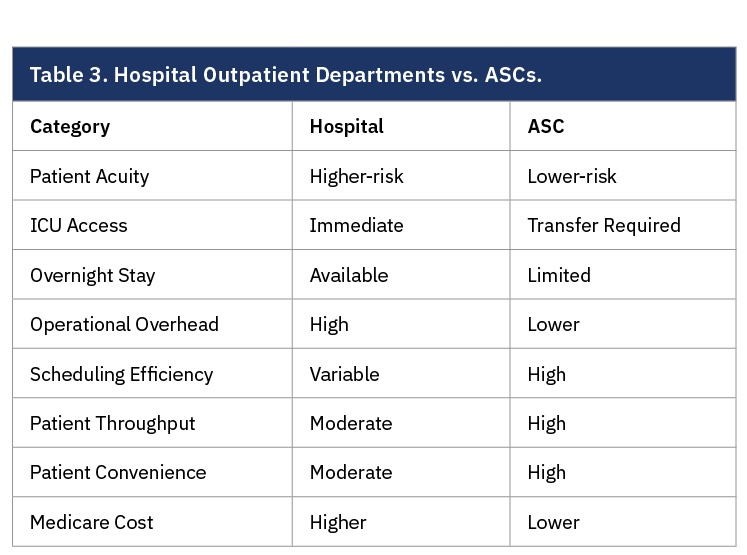
The decision regarding where to perform peripheral vascular interventions depends on patient complexity, procedural requirements, and organizational strategy (Table 3).
Financial Considerations for ASC-Based PAD Programs
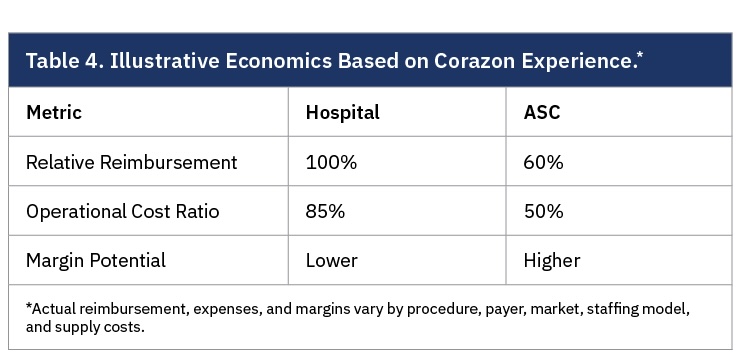
Although hospital reimbursement rates for many vascular procedures remain high, hospitals also carry substantially higher overhead expenses. In contrast, ASCs often operate with leaner staffing models, more efficient scheduling systems, and reduced facility costs (Table 4). As a result, ASC margins can exceed those of hospitals despite receiving lower overall reimbursement. One of the strongest drivers behind ASC growth is economics. Medicare and commercial payers continue to incentivize migration toward lower-cost sites of service while maintaining quality standards. Analyses have demonstrated substantial healthcare savings associated with ASC utilization.
Corazon’s experience shows that average direct costs for peripheral interventions range between $15,000 and $21,000 per case, while contribution margins may range from approximately $4,600 to $10,500, depending on patient complexity, reimbursement, and local market dynamics. Properly managed ASC programs can achieve favorable financial performance while simultaneously enhancing patient access and satisfaction.
Planning for PAD Program Expansion is Key for Those Hospitals and/or ASCs That Want to Strategically Grow
Developing a successful PAD program requires far more than purchasing equipment, building a suite or even recruiting physicians. Organizations must undertake a comprehensive strategic planning process that addresses market demand, competition, staffing, infrastructure, and long-term financial sustainability. It should be a process that involves a multidisciplinary approach, and at times can get messy or contentious before realizing the full impact and potential halo growth that can come from such an undertaking.
Market Analysis
Perhaps the most important first step is evaluating whether sufficient demand exists.
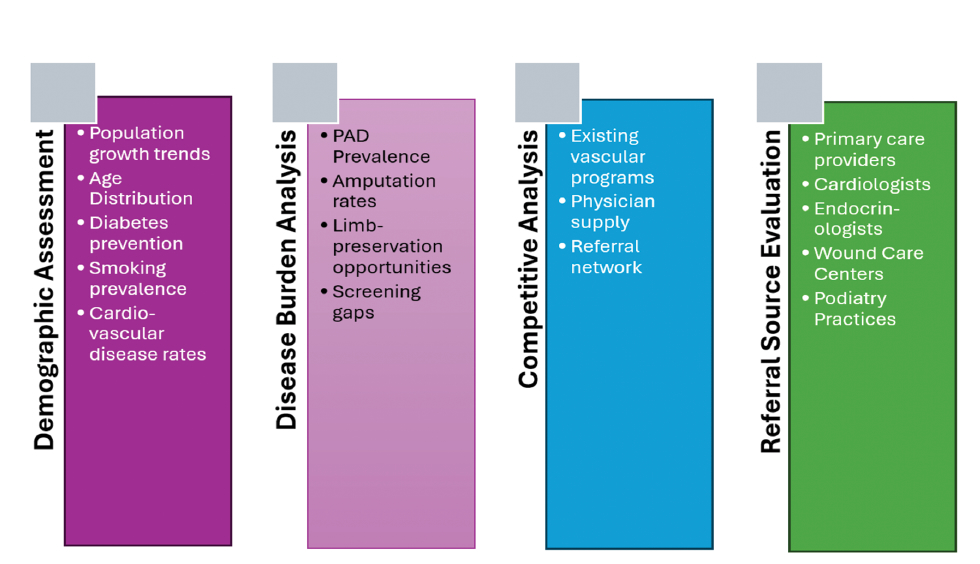
Key market analysis components (Figure 2) include:
• Demographic assessment
• Disease burden analysis
• Competitive analysis
• Referral source evaluation
Organizations that understand referral patterns and regional disease burden are considerably more likely to achieve sustainable growth and justify capital investment. Include your primary care base in the planning process, as they are usually the first stop that the patient makes.
Regulatory Environment
State regulations can substantially influence ASC development and expansion.
Important considerations include:
• Certificate-of-Need (CON) requirements
• ASC licensure requirements
• Medicare Covered Procedure List eligibility
• Building and safety regulations
• Inspection requirements
• Emergency preparedness standards
States vary significantly in how ASC development is regulated. A thorough legal and regulatory review should be completed before program implementation begins.
Facility and Capital Requirements
Building a peripheral vascular ASC requires significant capital planning and a savvy team who understands its more than just day-to-day operations.
Infrastructure Considerations
• New construction versus renovation
• Hospital proximity
• Procedure room configuration
• Future expansion capability
• Workflow optimization
• Regulatory compliance
Equipment Requirements
• Angiography systems
• Vascular ultrasound technology
• Imaging software
• Inventory management systems
• Procedure supplies and implants
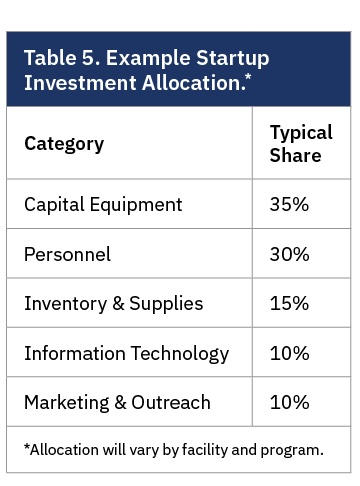
The investment can be significant (Table 5); a vascular laboratory can exceed $2 million. However, organizations can often reduce startup costs through investigating the purchase of refurbished imaging systems, enlisting in vendor consignment programs, staged expansion strategies, and ASC-specific purchasing agreements.
Workforce and Operational Planning
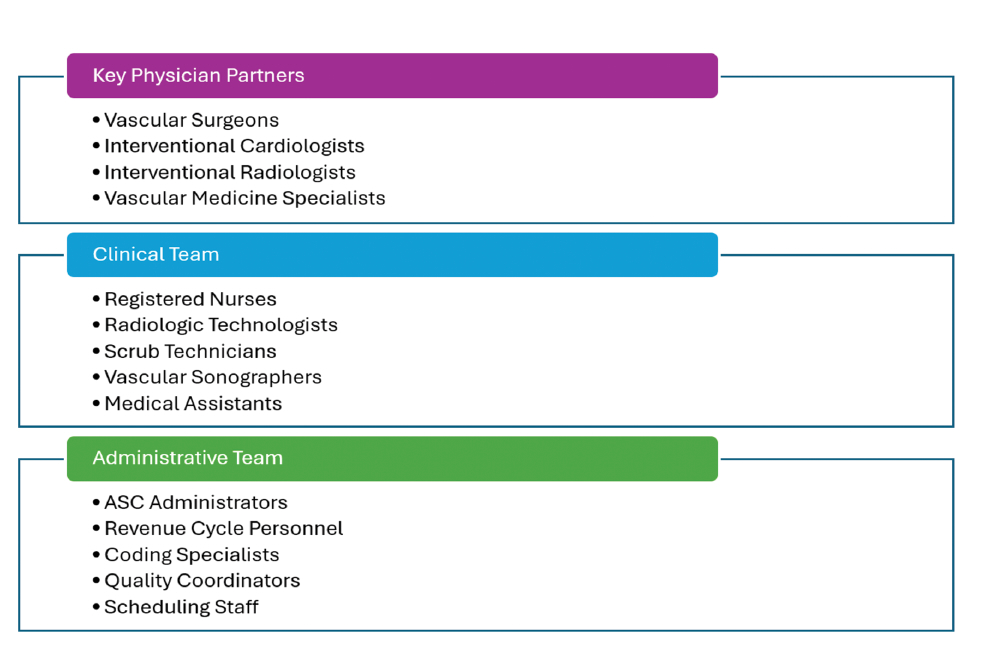
A successful vascular ASC depends heavily on physician engagement and operational excellence that will include, at minimum, consideration of the team members shown in Figure 3.
Organizations must establish clear governance structures, define emergency transfer agreements, implement quality reporting systems, and create clinical protocols that ensure consistency and safety. Accreditation programs and participation in registries such as the Vascular Quality Initiative (VQI) can help benchmark outcomes and demonstrate quality performance.
Quality and Patient Experience
Quality outcomes are ultimately the measure of any PAD program’s success. Leading organizations focus on:
• Limb preservation rates
• Procedural success rates
• Complication rates
• Patient satisfaction
• Readmission reduction
• Functional improvement
• Long-term cardiovascular risk management
One advantage frequently associated with ASCs is their ability to provide streamlined, patient-centered care experiences. Reduced waiting times, simplified scheduling, shorter stays, and physician-led environments often contribute to higher patient-satisfaction scores.
What Does the Future Look Like?
The long-term outlook for PAD services remains exceptionally strong. Demographic trends, increasing diabetes prevalence, an aging population, and growing awareness of vascular disease are expected to drive continued demand for screening, treatment, and intervention. Simultaneously, healthcare payment models are encouraging a trend toward lower-cost outpatient settings capable of delivering equivalent outcomes more efficiently.
ASC growth projections suggest meaningful expansion over the next decade, with peripheral vascular care positioned as one of the most attractive cardiovascular service-line opportunities. Healthcare organizations that align physicians, invest strategically, emphasize the use of quality benchmarks, and target underserved PAD populations will likely be best positioned to capitalize on this evolving market.
Conclusion
Peripheral arterial disease represents both a significant public health concern and a major strategic opportunity for healthcare organizations. Millions of Americans remain undiagnosed, creating ongoing demand for screening, education, preventative care, and intervention. As minimally invasive and endovascular technologies continue to advance, appropriately selected peripheral vascular procedures are increasingly being performed safely and efficiently within ambulatory surgery centers.
How will you prepare to address this demand? For providers and health systems, successful PAD program development requires careful market analysis, physician alignment, capital planning, quality oversight, regulatory compliance, and operational excellence. Organizations that integrate strong clinical programs with ASC-based procedural capabilities can improve patient outcomes, expand access to care, reduce healthcare expenditures, and create sustainable growth in an increasingly value-driven healthcare environment.
Sources
HD, Goodney PP, et al. 2024 ACC/AHA/AACVPR/APMA/ABC/SCAI/SVM/SVN/SVS/SIR/VESS Guideline for the Management of Lower Extremity Peripheral Artery Disease: A Report of the American College of Cardiology/American Heart Association Joint Committee on Clinical Practice Guidelines. J Am Coll Cardiol. 2024 Jun 18;83(24):2497-2604. doi:10.1016/j.jacc.2024.02.013
McDermott MM, Ho KJ, Alabi O, et al. Disparities in diagnosis, treatment, and outcomes of peripheral artery disease: JACC scientific statement. J Am Coll Cardiol. 2023 Dec 12;82(24):2312-2328. doi:10.1016/j.jacc.2023.09.830
Barnes GD. Health disparities in peripheral artery disease: key points. American College of Cardiology. July 28, 2023. Accessed September 24, 2026. https://www.acc.org/latest-in-cardiology/ten-points-to-remember/2023/07/28/14/44/health-disparities-in-pad
About peripheral arterial disease (PAD). Centers for Disease Control and Prevention. May 15, 2024. Accessed September 24, 2024. https://www.cdc.gov/heart-disease/about/peripheral-arterial-disease.html
Peripheral arterial disease fact sheet. Division for Heart Disease and Stroke Prevention. Centers for Disease Control and Prevention. Accessed September 24, 2026. http://medbox.iiab.me/modules/en-cdc/www.cdc.gov/dhdsp/data_statistics/fact_sheets/fs_pad.htm
Medicare savings from use of ambulatory surgery centers. Ambulatory Surgery Center Association. May 6, 2026. Accessed September 24, 2026. https://www.ascassociation.org/asca/about-ascs/savings/medicare-savings-from-use-of-ambulatory-surgery-centers
Related Content