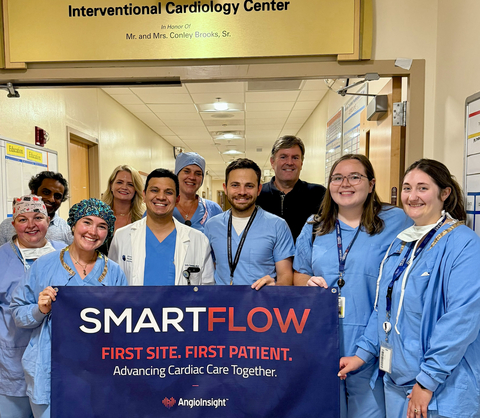
Arizona’s First Lead-Free Heart Procedure Completed at Banner Health
Dr. David Rizik champions Enhanced Radiation Protection Technology, opening field to future generations of diverse talent
Dr. David Rizik champions Enhanced Radiation Protection Technology, opening field to future generations of diverse talent
PHOENIX – David Rizik, MD, an interventional cardiologist at Banner – University Medicine Cardiology in Scottsdale, is pioneering a transformative advancement in procedural safety that will reshape the future of interventional cardiology. Through his leadership and advocacy, including work at the state legislative level, Dr. Rizik has brought Enhanced Radiation Protection Devices (ERPDs) to Arizona, making Banner – University Medical Center Phoenix the first and currently only program in the state approved for a lead-free variance during cardiac catheterization procedures.
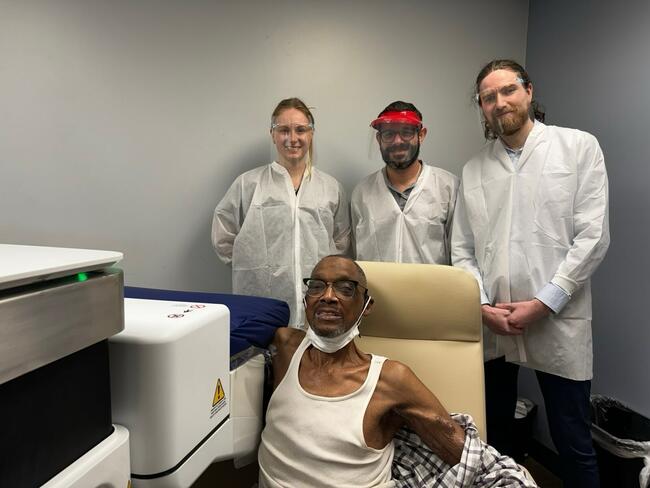
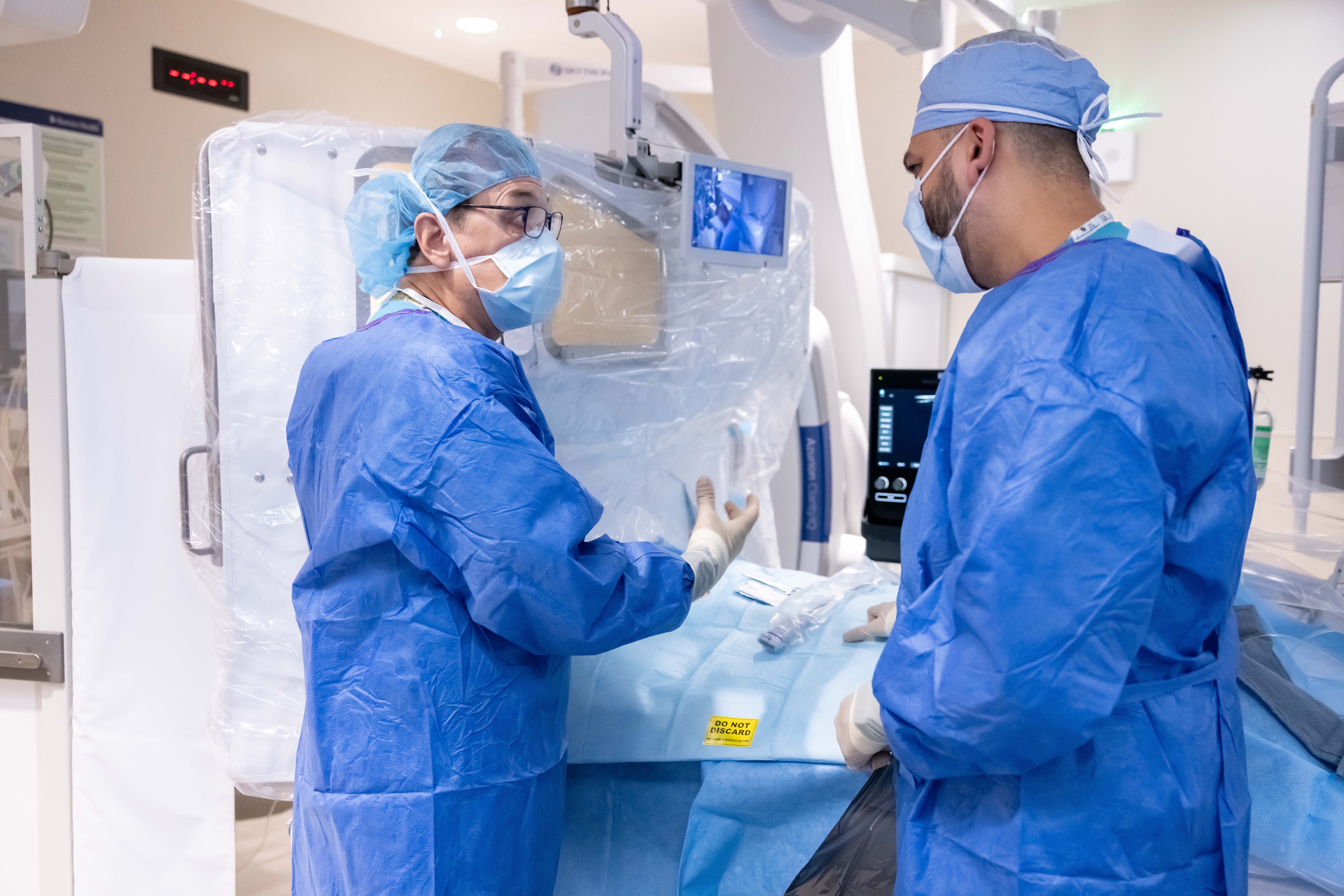 On June 1, Dr. Rizik and Dr. Paul Sorajja, director of interventional cardiology and structural heart at Banner, performed the first lead-free cardiac catheterization procedure in Arizona, a historic milestone that marks the beginning of a new era in physician and staff safety.
“For decades, interventional cardiologists and cath lab staff have relied on heavy lead aprons, weighing up to 20 pounds, to protect against radiation exposure during life-saving heart procedures,” said Dr. Sorajja. “While effective at shielding the torso, these aprons have caused widespread chronic spine, neurological, and orthopedic problems, forcing many cardiologists into early retirement with permanent disabilities. Traditional lead aprons also leave critical areas exposed, including the head, neck, face, and arms, contributing to higher rates of brain tumors among specialists and creating significant barriers to specialty diversity, particularly for women physicians during childbearing years.”
Dr. Rizik recognized that advancements in radiation reduction technology and the introduction of ERPDs could solve this longstanding problem. These innovative devices are large, fixed or mobile shields that surround the operator and patient to block radiation from multiple angles and provide full-body protection without requiring lead garments. Four large-scale clinical trials demonstrate that ERPDs reduce radiation exposure by more than 99%, bringing staff exposure to zero or near-zero levels in many cases.
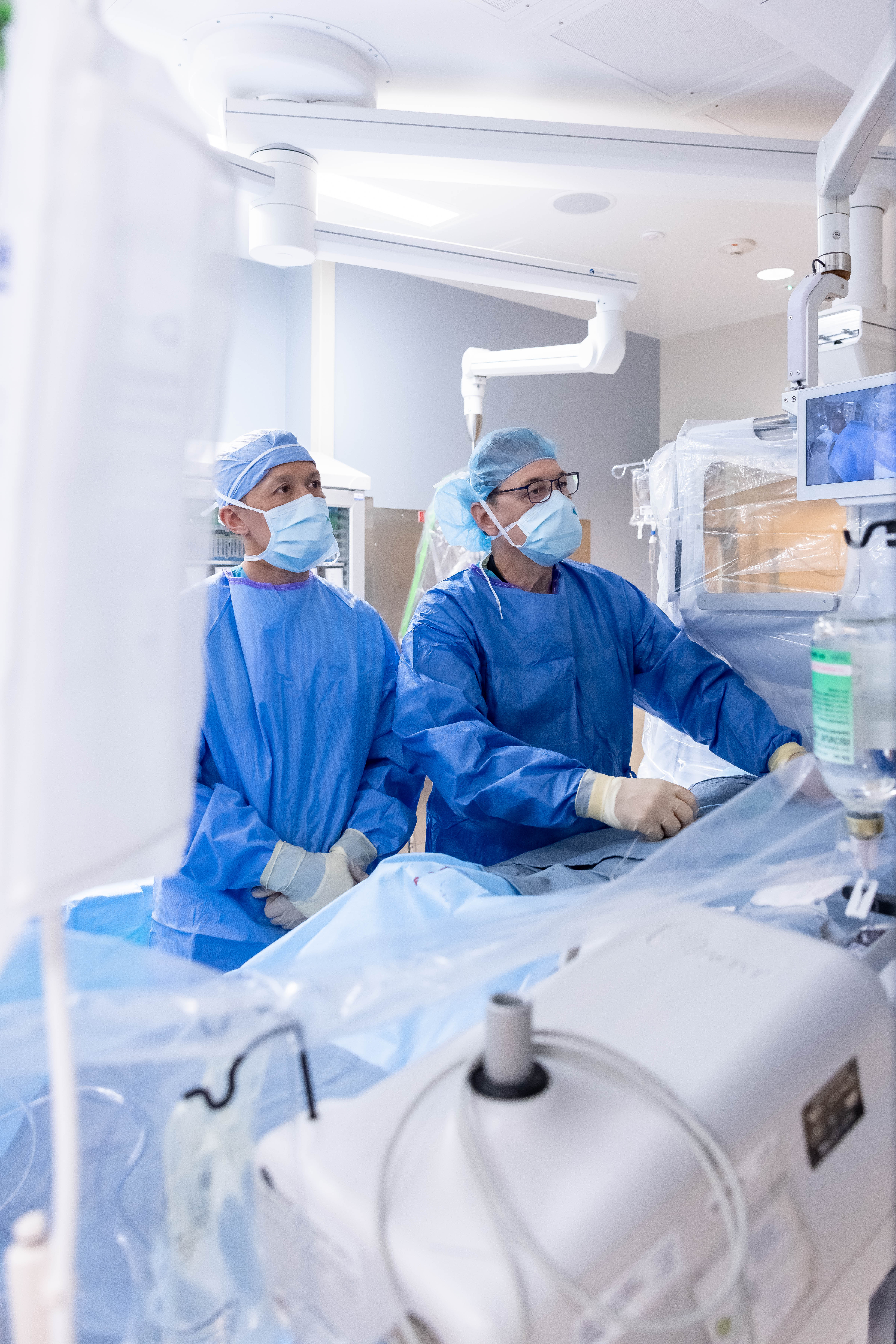 Dr. Rizik has been a national leader in advocating radiation protection innovation, working tirelessly to advance this technology at the highest levels to secure regulatory approval for lead-free procedures. His vision and persistence have positioned Banner Health at the forefront of procedural safety, setting a new standard that protects health care workers while ensuring patients continue to receive exceptional cardiac care.
"For 50 years, we've asked interventional cardiologists to sacrifice their own health to save their patients' lives," said Dr. Rizik. "These newer technologies finally allow us to protect our physicians and staff while delivering the same exceptional cardiac care our patients depend on. This isn't just about physician wellness; it's about ensuring we can attract the best and brightest talent to this specialty for generations to come."
In partnership with the state of Arizona, Banner's Cardiac Cath Lab has achieved a groundbreaking variance that eliminates the decades-old requirement for traditional lead aprons during cardiac catheterization procedures. This achievement represents a fundamental shift in how procedural safety is approached, removing the physical strain and long-term health consequences that have plagued the specialty while dramatically reducing radiation exposure for all cath lab personnel.
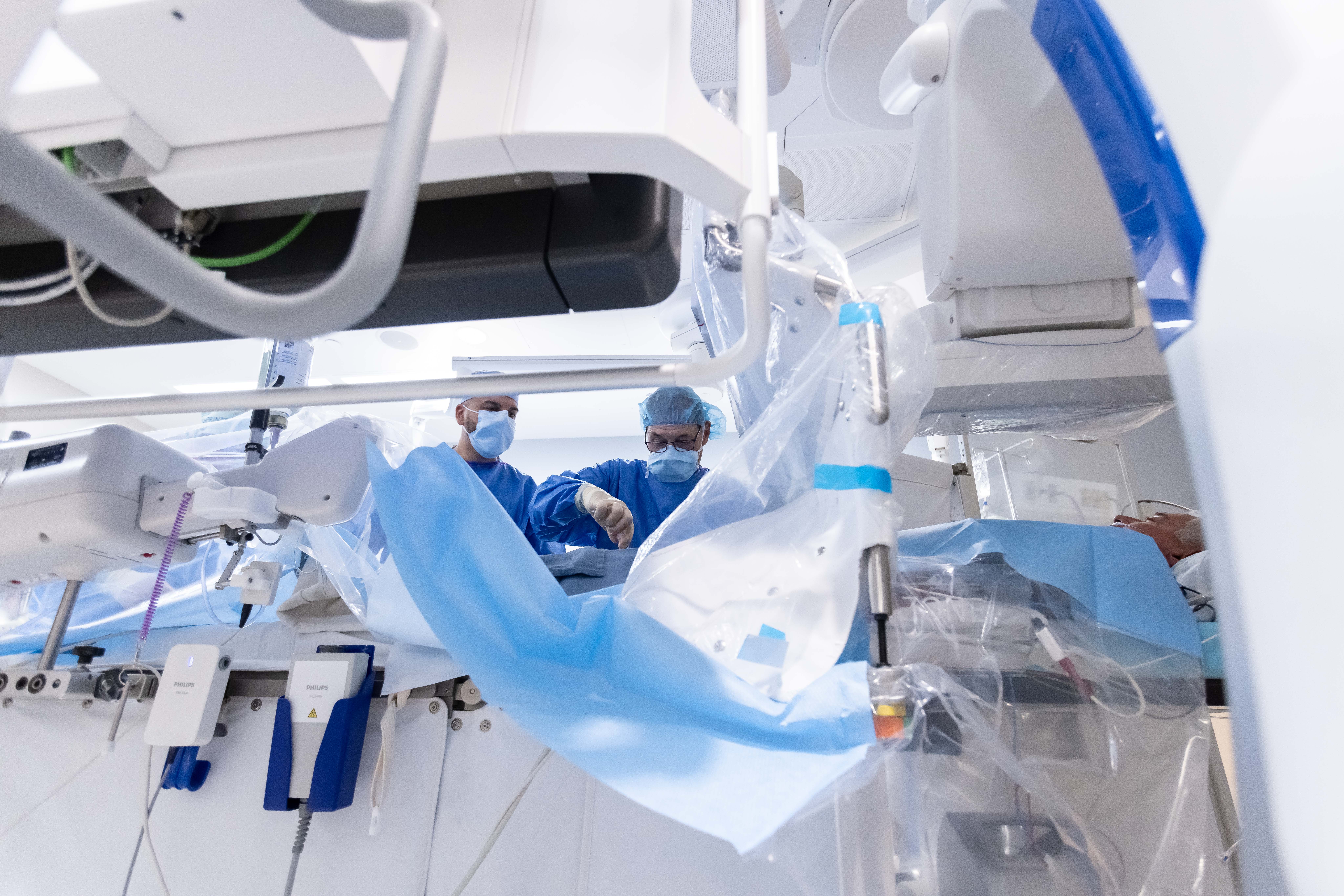 Dr. Rizik, along with Robert Burke, MD, cardiologist at Banner – University Medicine Cardiology Scottsdale, have published extensive research on these technologies in leading medical journals. Physicians at Banner – University Medical Center Phoenix are already using ERPDs in the vast majority of cases, demonstrating Banner Health's commitment to innovation and staff well-being. However, even with these devices, teams have still been required to wear full personal protective equipment, heavy lead aprons, until now.
This milestone not only protects current practitioners but also opens the field to future generations of diverse talent who may have previously been deterred by occupational health risks. By eliminating barriers related to physical strain and radiation exposure, Dr. Rizik's pioneering work is helping to ensure that interventional cardiology can attract and retain the best physicians, regardless of gender or physical considerations, for decades to come.
About Banner Health
As one of the nation's largest fully integrated nonprofit health systems, we are pioneering a sustainable care model that prioritizes prevention, manages chronic disease, and reduces health spending – succeeding when patients stay healthy, not when they get sick. We operate 33 hospitals and more than 400 sites across six states, delivering seamless care from primary to quaternary medicine, including health insurance, physician networks, world-renowned specialty services, and behavioral health. Accountable to the communities we serve, we reinvest every dollar into advancing care, research, and facilities, providing more than $1 billion each year in community benefit. Through our partnership with the University of Arizona, we drive clinical discoveries across more than 800 trials and train more than 1,300 residents and fellows annually. Headquartered in Arizona, we serve Arizona, California, Colorado, Nebraska, Nevada, and Wyoming. Our hospitals are consistently ranked among Arizona's top-performing by U.S. News & World Report. For more information, visit bannerhealth.com/about.
Find More:
Shockwave C2 Aero Partner Spotlight
Renal Denervation Topic Center
Cardiovascular Ambulatory Surgery Centers (ASCs) Topic Center
Grand Rounds With Morton Kern, MD
Peripheral Artery Disease Topic Center