Drones Deliver AEDs to Cardiac Arrest 9-1-1 Calls
When cardiac arrest occurs, time to treatment counts. The sooner automated external defibrillators (AEDs) can be sent to the scene, the better the chances for a positive outcome.
Unfortunately, more than 350,000 people suffer cardiac arrest each year in the United States, and fewer than 10% survive. One key reason: Most cardiac arrests occur at home, far from lifesaving equipment.
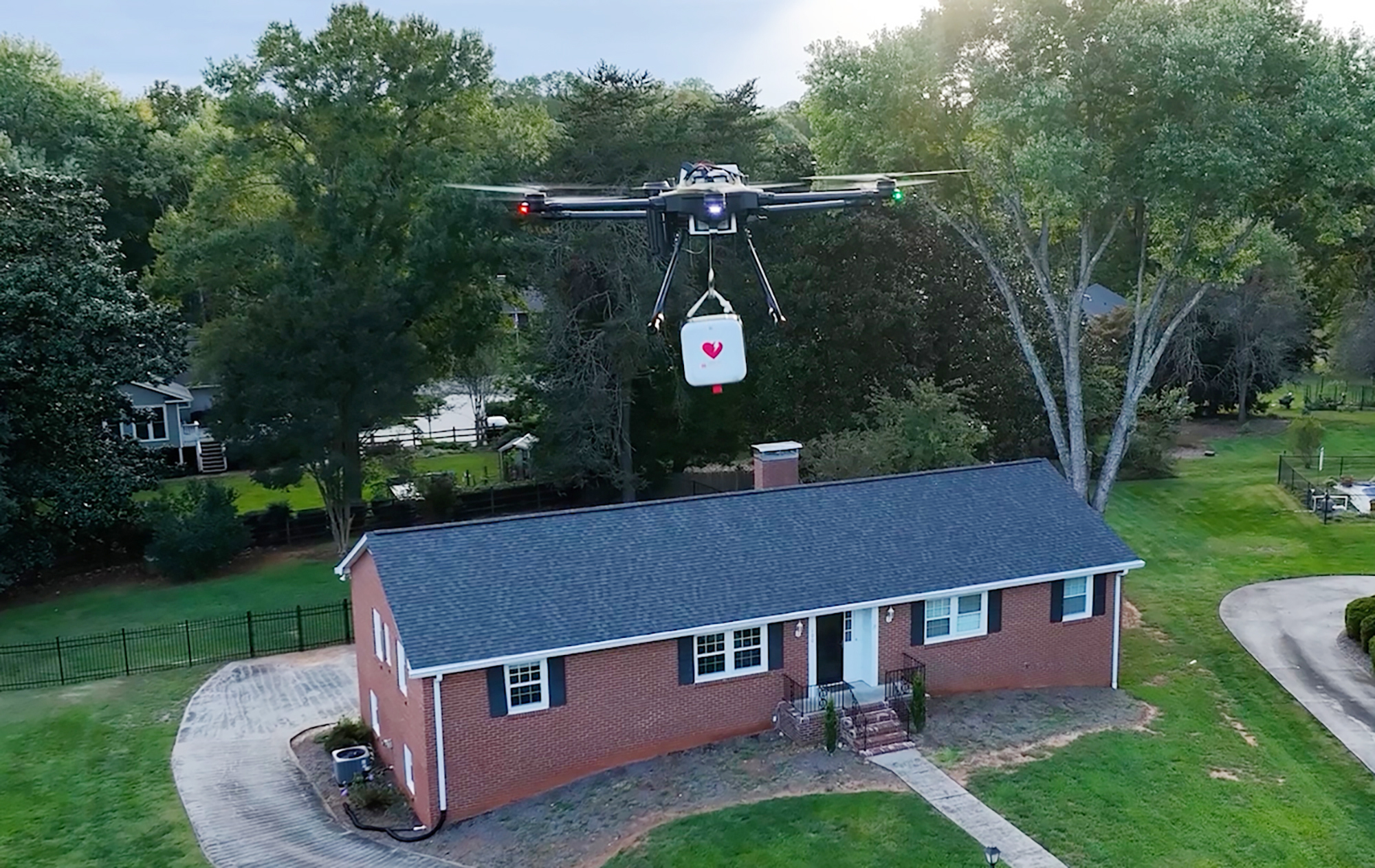
In a bid to change this situation, a coalition of researchers, public safety agencies, and community partners led by Duke Health and the Duke Clinical Research Institute is testing AED-toting drones to deliver help faster. In a clinical trial being staged in Forsyth County, North Carolina, and James City County, Virginia, drones carrying AEDs are being dispatched to locations of real 9-1-1 calls for cardiac arrest. The model depends not only on drone delivery, but also on 9-1-1 personnel telling bystanders or family members how to retrieve the AED and use it before EMS arrives.
The trial’s goal is to see whether the time-saving promise of this technology can deliver actual results.
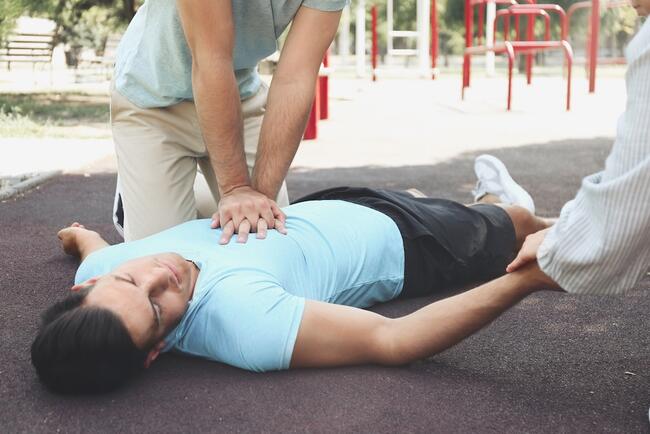
Research on early defibrillation suggests survival can rise dramatically—in some cases to 50%–70%—when defibrillation occurs within the first few minutes, particularly for patients with shockable rhythms. Unfortunately, land-based EMS typically takes 8-10 minutes to arrive. That’s why faster drones are an attractive option.

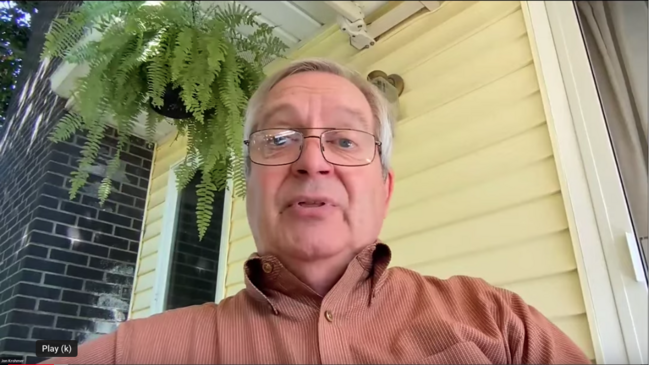
Dr. Monique Starks is the trial’s principal investigator and an associate professor at Duke University School of Medicine. “In Forsyth County, North Carolina, and James City, Virginia, we are using drones to deliver an AED to community members who experience out-of-hospital cardiac arrest after a 9-1-1 call,” she told EMS World. “Think of it as a third response: In addition to an ambulance and first responder vehicles, a drone is also sent. The idea is that a drone traveling 40 miles per hour unimpeded by traffic can arrive in a few minutes and ahead of a traditional responding vehicle.”
To test this theory, Duke Health is working with the Forsyth County Sheriff’s Office and Emergency Medical Services to conduct this study.
"The Sheriff’s Office is already able to fly drones beyond visual line of sight in Forsyth County through FAA public safety certifications,” said Starks. “We have added new large drones capable of carrying an AED and a winch system to lower it to the ground.”
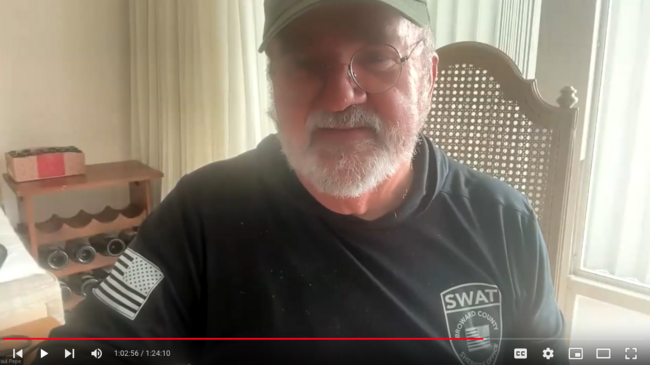
The Forsyth County Sheriff’s Office is a full-service sheriff’s office located in the fourth-largest county in North Carolina. “We have approximately 700 employees in both sworn and non-sworn positions,” said Capt. James Rae. “Our Drone Unit is delivering AEDs to patients within a four-mile radius of our bases covering. We currently have three bases with a plan for a fourth as our team and project continue to grow.”
“Our full-time drone pilots, who are assigned to our Real Time Intelligence Center, monitor Live911 allowing them to hear any emergency calls and obtain geographical coordinates for needed service,” Rae said. “When they hear a call for service that is identified immediately as a cardiac arrest or calls that potentially could lead to cardiac arrests, they immediately launch the drone. The drone is flown to the residence, where the pilot then finds the safest location to lower an AED with the winch system. Then, 9-1-1 telecommunicators provide the necessary instructions for a bystander or family member to come and retrieve the device and provide care to the patient.”
This clinical trial was launched in October 2025, and the goal is to eventually deploy five drone base networks to fully test its potential. So far, “we have extensively tested our drones, winching technology, and ability to fly in diverse geographies across the two regions,” said Starks. “We have tested the end-to-end delivery system extensively with more than 150 test flights involving all personnel. We are now responding to emergency medical calls in Forsyth County and have responded to more than a dozen suspected cardiac arrests.”
If the trial shows that drones can reliably get AEDs to bystanders ahead of traditional responders, it could give EMS systems another way to reach cardiac arrest patients quickly.
“Treating a cardiac arrest successfully depends on time—you only have 10 minutes to save a life,” Starks said. “When bystanders can start CPR and defibrillate within five minutes, survival can approach 50% for those with a shockable rhythm. When drones are stationed in the right places, we can get AEDs to the scene fast in a majority of cases.”