EMS Leaders Call for Additional Guidance, Regulation on Pediatric Stroke
The American Heart Association (AHA) recently announced expanded eligibility for advanced stroke therapies and new recommendations for diagnosing and treating stroke in children and adults in the 2026 Guideline for the Early Management of Patients With Acute Ischemic Stroke from the American Stroke Association (ASA), an AHA division.
The guidelines address EMS systems, prehospital assessment and management, and EMS destination management. The updated recommendations highlight how rapid diagnosis and imaging, extended time windows for stroke treatments, and coordinated care involving emergency services, hospitals, and health care teams can help improve survival and recovery.
The Need for Updated Guidance
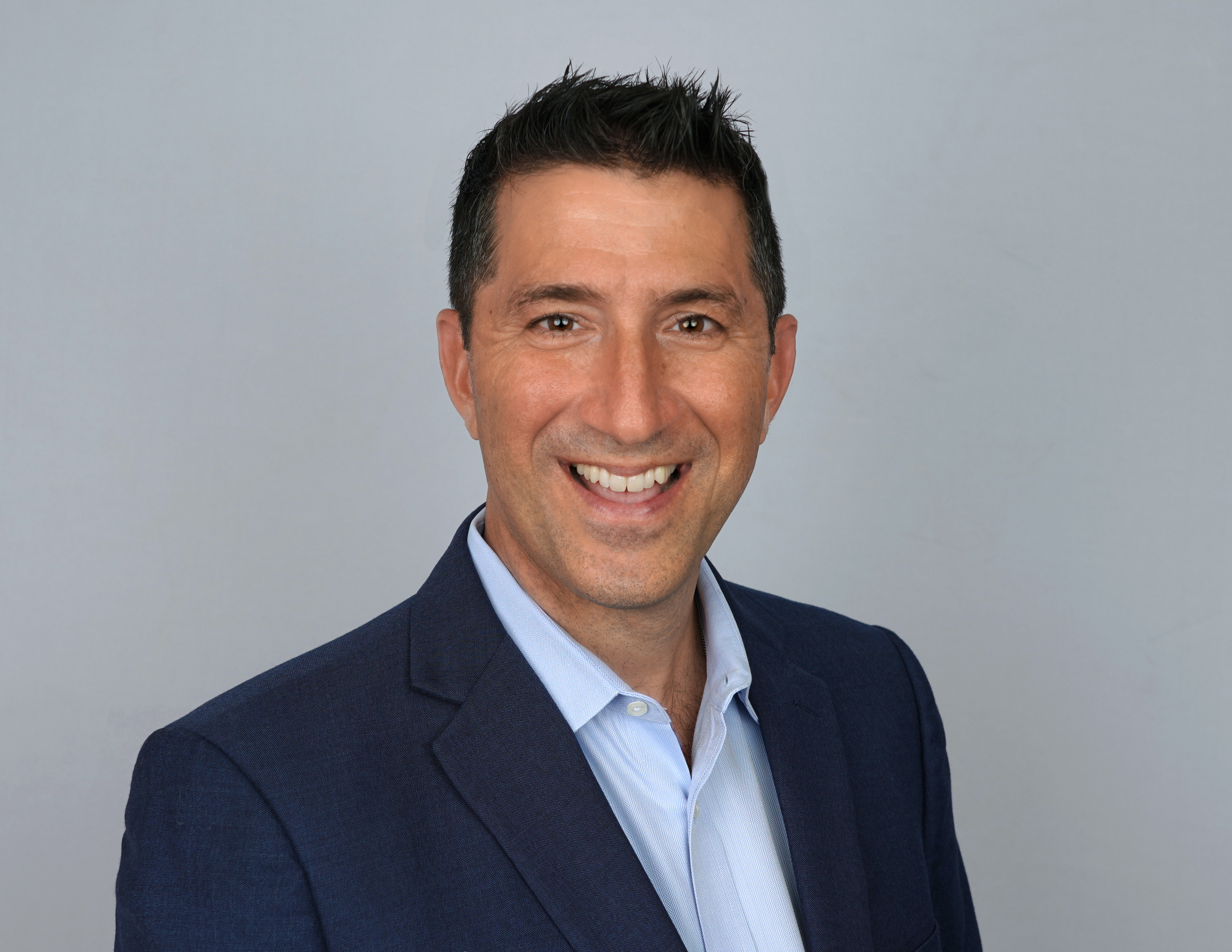
Peter Antevy, MD, Coral Springs-Parkland Fire Department chief medical officer and Florida NAEMSP chapter president, noted an incident that makes the case for updated pediatric recommendations.
About 10 years ago, a 16-year-old boy was having a stroke with a dense hemiplegia.
“He was adult-sized, with adult-sized vessels,” Antevy said. “EMS transported him to the nearest adult facility with a thrombectomy program.”
A CT scan confirmed the stroke, but because the boy wasn’t 18, doctors capable of taking care of adults wouldn’t take care of the boy, Antevy said.
A neurointerventionist in the room with the medics was able care for the boy but wasn’t credentialed at the hospital. The boy was put back in the ambulance, which transferred him 20 miles south while the doctor got into his car and followed the ambulance to a hospital where he was credentialed, said Antevy, adding the boy unfortunately passed away.
That case drove a policy change.
“All pediatric strokes in that system now go to a designated pediatric stroke facility, activated through the same alert process used for adult stroke,” he said. “The transport is longer, [but] it’s worth the drive.”
The AHA noted stroke is the fourth leading cause of death in the United States, with ischemic stroke the most common type. Each year, some 800,000 people in the U.S. have a stroke.
Updates Focus on Improving Survival
In regions with reasonable access to thrombectomy-capable stroke centers (TSCs), EMS should transport patients with suspected large vessel occlusion to the nearest TSC for immediate evaluation to reduce delays in diagnosis and treatment.
In regions without geographic access to TSCs, the guideline focuses on reducing door-in-door-out times at hospitals transferring patients to TSCs.
Other driving factors for improving survival and recovery include rapid diagnosis and imaging, clot-busting medications, and clot-removal procedures such as endovascular thrombectomy (EVT).
Hospitals are encouraged to use reporting systems such as the American Stroke Association’s Get With The Guidelines – Stroke to track treatment times and outcomes, expand telemedicine and imaging access, and establish transfer agreements linking primary and comprehensive stroke centers.
Evaluating Pediatric Stroke
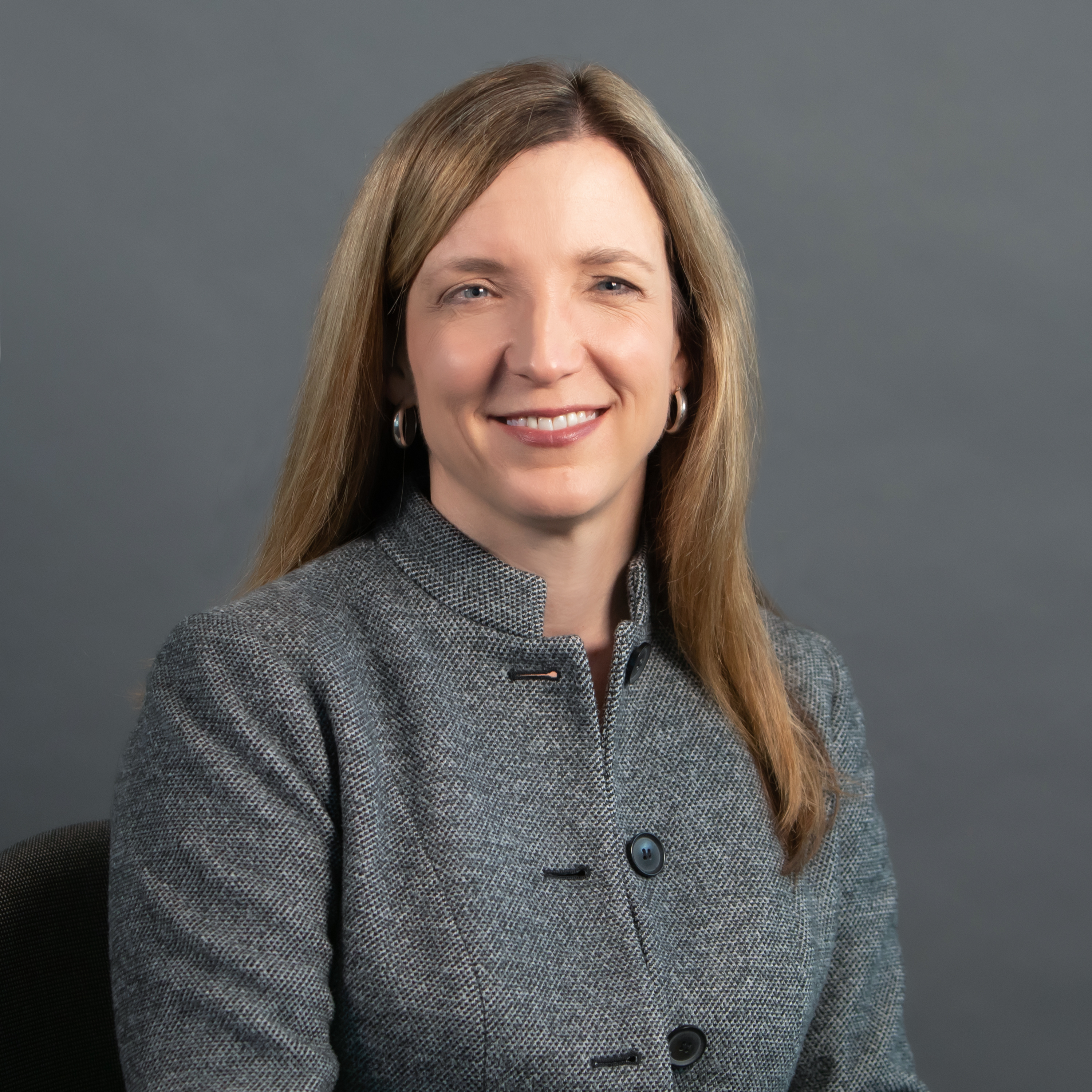
Dr. Lori Jordan, Vanderbilt University chair of pediatric neurology, noted that on average, strokes affect two per 100,000 children, therefore, people don’t think about it, “even though more than 60% of those kids will have lifelong deficits after their stroke. In some places, paramedics know about it, but in other places they won't have heard of it, or they'll see a couple cases in their whole career. One big importance of adding pediatric stroke to these guidelines has been it's now a requirement that hospitals educate triage nurses to think about it and hopefully that rolls down to EMS.”
Jordan serves on the board of directors for the International Pediatric Stroke Organization, which has a checklist for hospitals to determine whether they are pediatric stroke ready.
The AHA said that while rare, stroke can occur in infants, children, and teens, and prompt recognition is critical. Children can exhibit the same warning signs as adults described by the acronym FAST: Face Drooping; Arm Weakness; Speech Difficulty; Time to Call 9-1-1, among other warning signs.
The AHA noted currently available stroke screening tools were developed for adults, so they don’t accurately distinguish strokes in the pediatric population from mimics (conditions with similar symptoms) such as migraine, seizure, traumatic brain injury, or brain tumor.
One pediatric evaluation option, PedRACE, which stands for Pediatric Rapid Arterial Occlusion Evaluation, is supported by one study out of Spain for large vessel occlusion detection, Antevy said. The Pediatric NIH Stroke Scale is well validated but is built for neurologists and too long to run on a scene, he added.
“We need to have more, different, and better tools that have been validated in the United States in systems that look like ours,” he said.
State Regulations Leave Kids Out
Charles Sand, MD, FACEP, FACP, FAHA, Hillsborough Community College EMS Training Program, said in 2004 he led an effort for Florida to become the first state to pass a stroke act.
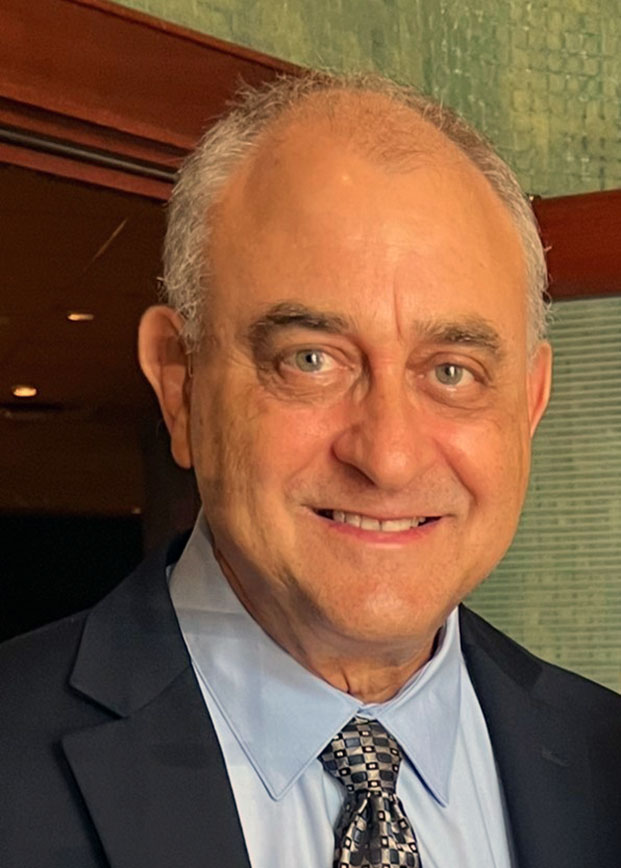
It took about a year to do so, he said, adding “we circumvented geopolitical barriers by forcing the hand of hospitals to do the right thing to get certified as stroke centers.”
“You can do all of the research in the world and be the expert in the world. At some point, the geopolitical barriers don't really care because it's about money and inconvenience to do these things,” Sand said. “It’s all about advocacy. Legislation is a key part to get what we want.”
Antevy noted the Florida law should extend to pediatric cases. Some children presenting with stroke don’t arrive at a hospital via the EMS system.
“Across all stroke, roughly 60% arrive by EMS and 40% by private vehicle,” said Antevy.
In other cases, parents will take their children to the pediatrician’s office, unaware of whether the symptoms are due to stroke or other chronic diseases, Antevy said. By age six, the vessels in the brain are the same size as the adult vessel, he said.
“If you’re a neurointerventionalist and these guidelines exist, while that person may not be credentialed to take care of a child under age 18, if it's an obvious stroke and the hospital is the only game in town, perhaps there needs to be a carve out,” he said.
“If you (the EMS team) do not have the ability to take that patient to a further location, you then have to start to make arrangements of where you’re going to take the kid first,” Antevy said. “It may be a local hospital with nothing except a CT scanner, but then we're going to figure out a way to get this kid from door-in to door-out in [a short] time frame instead of taking four to six hours.”
Waiting several hours to be transferred may mean it’s too late to perform certain procedures within the acceptable time window, Sand said, adding that could potentially set the stage for malpractice lawsuits. Electronic medical record incompatibility between hospitals in different systems is another challenge.
Jordan said that in Tennessee, where she is based, EMS agencies are pushing for local hospitals to be able to take pediatric stroke patients.
“It all starts with EMS, and if EMS recognizes it, then the whole downstream thing works pretty well,” she said.
Jordan was one of a team of authors writing about advancing hospital readiness for taking in pediatric stroke victims.
It Starts With EMS
Sand said there is a bell-shaped curve of doctors and EMS professionals who understand pediatric stroke. “The people on that bottom end for whatever reason are not going to recognize a pediatric stroke,” he said. “The best EMS providers I've seen are the ones who very politely give a subtle tip to the ER staff of nurses and doctors that this might be X, Y, Z, and then they get clued in. Pediatric stroke is the same way — it’s underrecognized by everybody. If we focus on EMS, we're going to make a huge difference in the ERs.”
Antevy added that “an EMS medical director or chief has to understand they can have that impact. Oftentimes when it comes to kids, they just abdicate their responsibility or they say whatever the hospital says we should do, but instead they should be pushing this document and saying, ‘There's a guideline now that says you need to either be ready for what I'm going to bring you or that you have to have a plan in place of what you're going to do and when and where you're going to take this kid, and who's going to take that kid, and you have a transfer agreement.”
Obstacles to Adoption
Antevy noted questions such as the number of incidents, the final destination for patients, and how long it took is the elephant in the room.
“We’re working on it at the Florida Stroke Registry, which pulls data from ‘Get With The Guidelines,’” he said. “When you go to a stroke facility with adult patients, they have to plug all that data into a database, which is only required for 18 years and older. For people under 18, it doesn’t exist.”
The definition of a "child" is another factor.
“The American Heart Association basically says you become an adult when you hit puberty. That can happen at ages 12 or 13, sometimes less, sometimes more,” Antevy said. “My protocols state you become an adult once you hit puberty. However, the hospital credentialing says 18 is their definition. That confuses a lot of people and causes a lot of harm to a lot of kids.”
Pre-notification is another elephant in the room, Sand pointed out.
“We need to educate EMS,” he said. “In adults, roughly 50% of strokes present as drive-in, non-EMS. In pediatrics, maybe 80% don't come in by EMS. That’s why we have to educate.”
Antevy noted rural areas face unique challenges in that if first responders aren’t fully cognizant of whether or not what a child is presenting is a stroke, they may airlift the child to a local hospital only to discover it wasn’t.
Sand said part of his team’s political advocacy goals in pediatric stroke is to educate everyone from EMS to hospital staff.
Antevy added education should also encompass parents, schools, pediatricians, and the staff answering the pediatrician's phone as to not lose time in the treatment process.
If voluntary progress stalls over the next two to three years, the next step is to legislate it, Sand said, adding he’s trying to obtain Congressional funding to do it.
A Success Story
A case in point for why the updated guidelines matter: Jordan said seven years ago, a young six-foot, six-inch basketball player did well following a thrombectomy after presenting with a left middle cerebral artery stroke.
“He couldn't move the right side of his body, and he couldn't speak,” she said. “He knew that something terrible was wrong with him, so he kept taking his left side and swinging at people over and over. People didn't realize that he didn't move his right side. They were trying to get out of the way of the left side because he was huge. He got a tox screen and a head CT before any neurologist saw him. The radiologist saw a giant clot on the head CT.”
That young man grew up to become a law enforcement officer.
Sand noted that “if we miss a kid in EMS, if we take them to the wrong place, how much is that going to cost society and anguish to the family and everybody else when we could have fixed the problem right from the start, and we didn't?”
“We got a kid that's now a police officer that could have been bedridden the rest of his life. That's the cost of missing this and not doing it right.”