EMS World Live + FAST 26 Launches With Practical Intubation Education
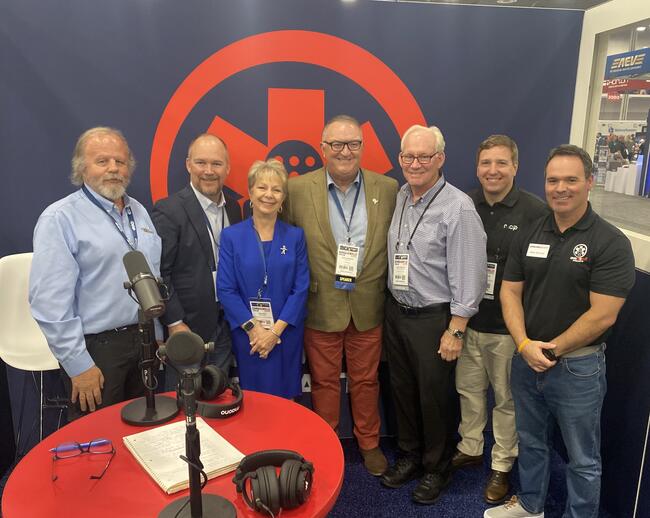
More than 900 EMS professionals gathered in Austin, Texas for the first annual EMS World Live + FAST conference. The conference kicked off Thursday, May 28 with a deep dive into intubation best practices.
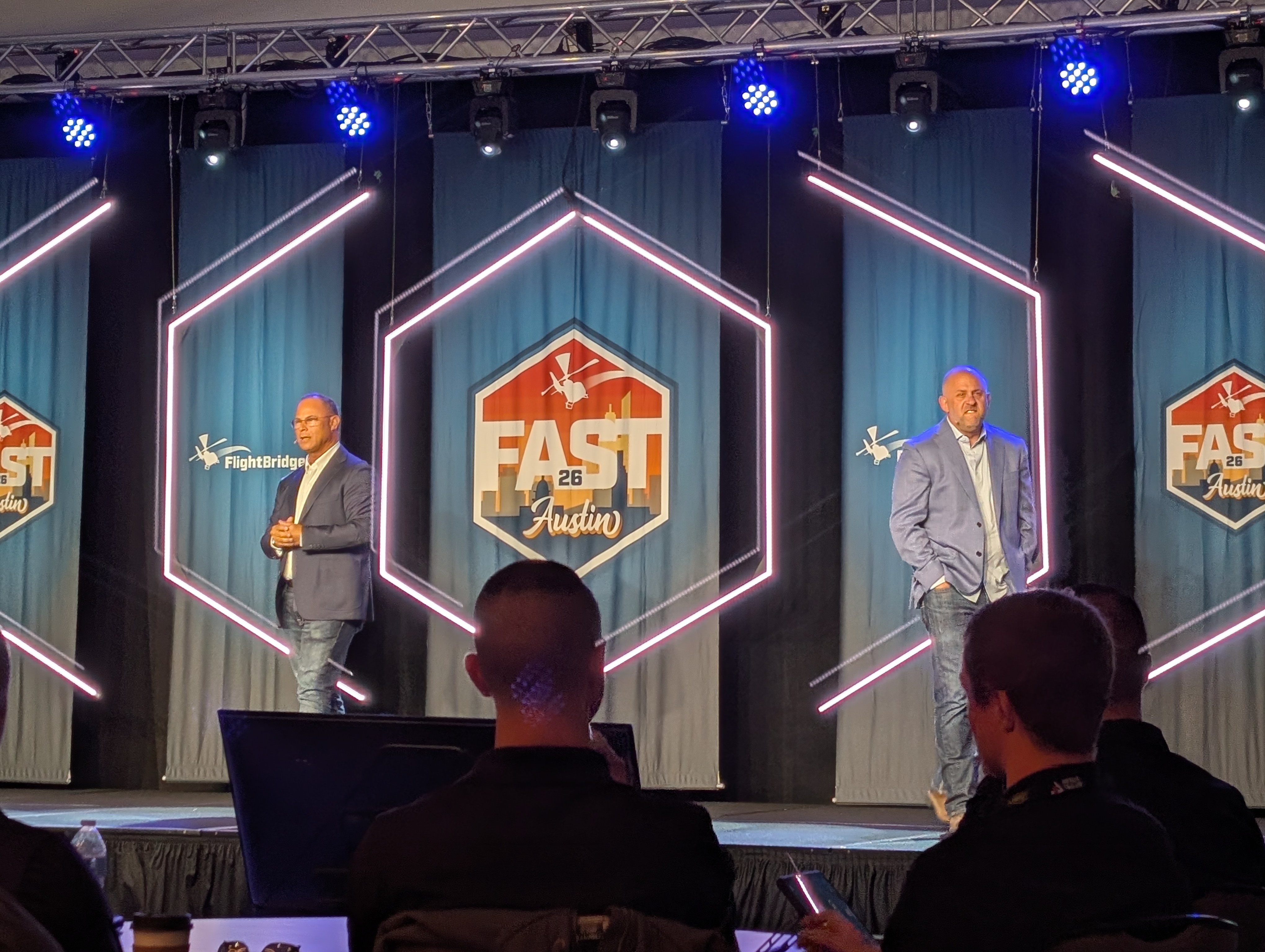
Joshua D. Hartman, MBA, NRP, Senior Vice President, Group Publisher, CardioVascular and Emergency and Mobile Medicine Divisions, HMP Global, EMS World’s parent company, and Eric Bauer, CEO of FlightBridgeED, welcomed attendees. Each encouraged the group to network and share stories to forge the connections that are critical to EMS.
"Share in the stories, share some drinks and food, and enjoy each other's company," Hartman said. "That's why we're here. We're here to learn. We're here to network, and we're so glad to have you here. So, welcome to Austin. Welcome to EMS World Live with FAST 26."
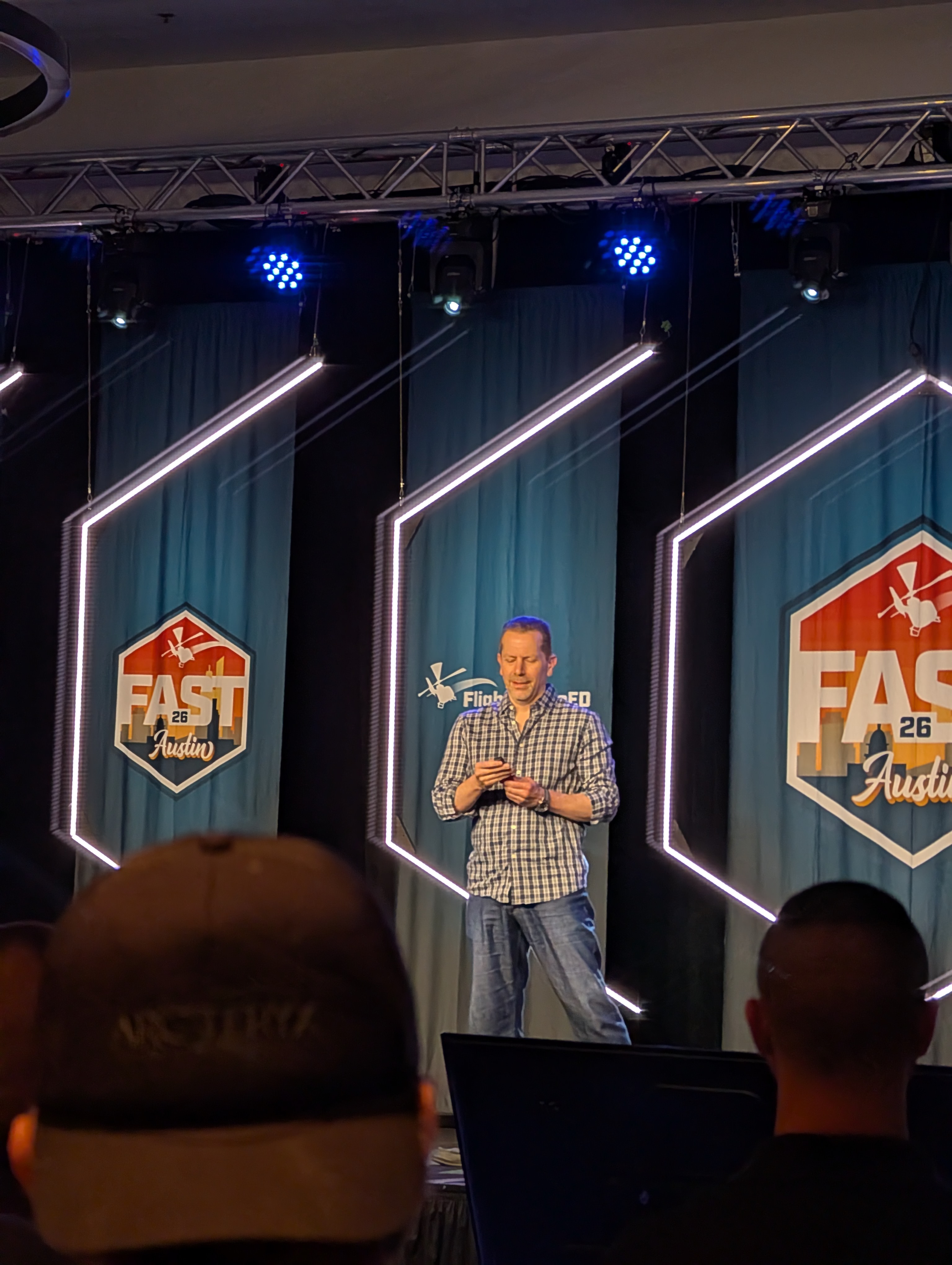
Scott D. Weingart, MD, FCCM, FUCEM, DipHTFU, Professor, Director of Clinical Education and Faculty Development at Nassau University Medical Center, and the host of the EMCrit podcast, served as the keynote speaker for a joint opening session. The session took a humorous but important look at the risks intubation poses to patients and why pre-oxigination and peri-intubation preparation are critical.
Weingart said one of the biggest risks of intubation isn’t hypoxemia, but shunt, where the lungs are filled with “gunk” that causes the alveoli to stick together. Weingart said the way to overcome shunt is through CPAP use, as this increases mean airway pressure (MAP). He then dove into a study on preoxygenation best practices. The study’s authors found significant improvement in patient condition when a nasal cannula and noninvasive mask were used together.
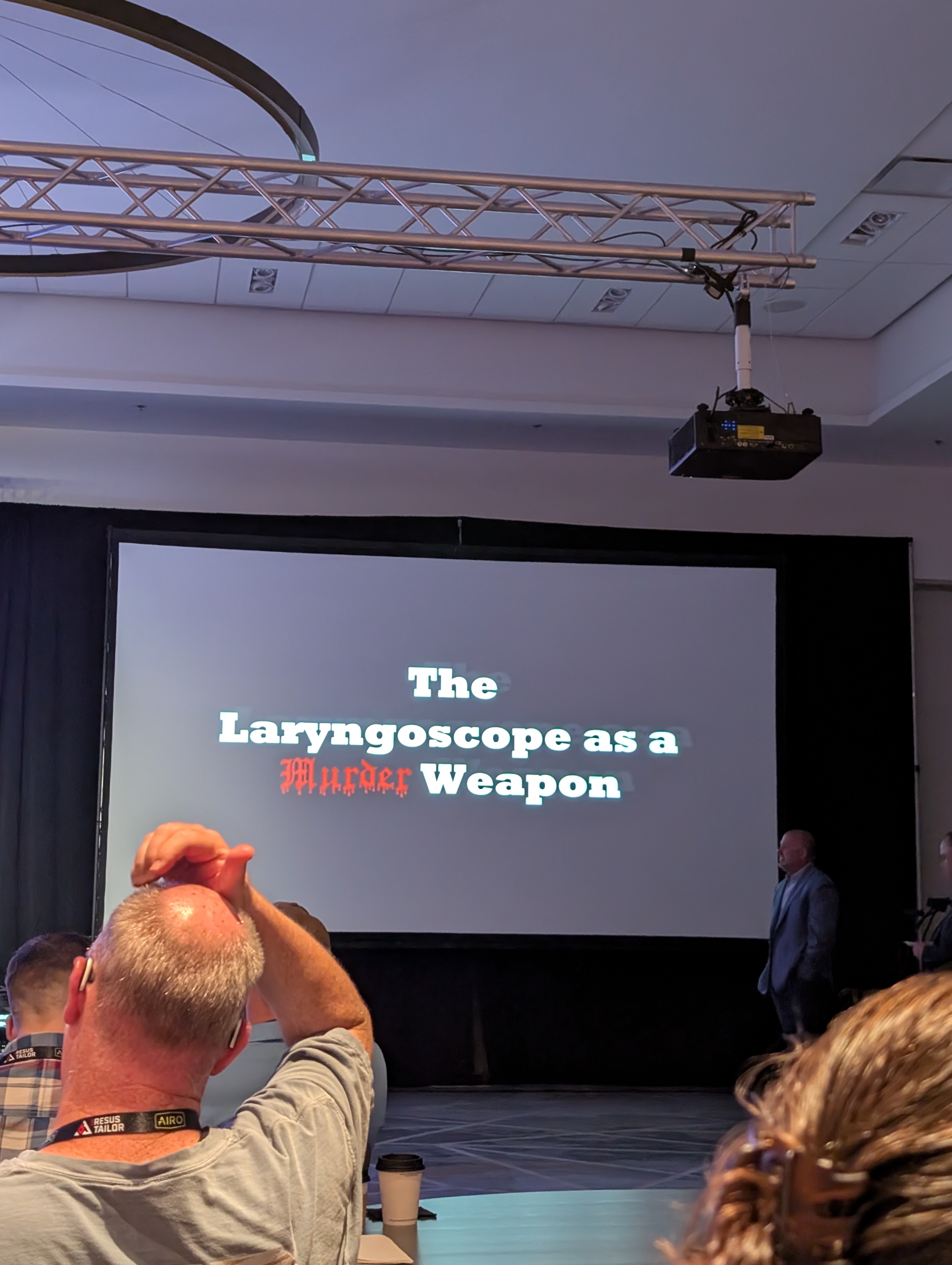 This method enabled providers to achieve positive pressure peroxidation (PPP), which Wiengart said is a gamechanger in peri-intubation care. He explained how to achieve PPP for different patients, including elderly and morbidly obese patients. This advice included the mix of medications to push and how to keep patients stable while preparing the laryngoscope.
“Every time you pick up a laryngoscope, you are taking your patients’ lives in your hands,” he told the crowd. “Peri-intubation deaths are preventable. You have to own it. This is the most vulnerable moment in the patient's clinical course. Do not let the laryngoscope be a murder weapon in the United States.”