One Second After: Pinnacle Kicks Off in San Diego
“The two most important days in your life are the day you were born, and the day you find out why.”
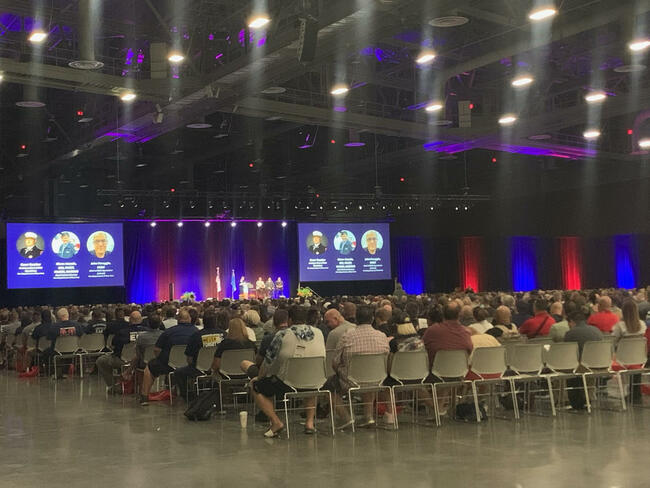
Tonya Mantooth, sister of Emergency! star and EMS icon Randy Mantooth, who passed away July 9, spoke these favorite words of her older brother during opening remarks of the Pinnacle EMS conference July 14, 2026 at the Sheraton San Diego Resort.
“We looked up to him. He looked out for us,” Tonya recalled of Randy’s three siblings, adding that Randy would return to the modest family home to sleep on the couch during filming breaks even as his celebrity status skyrocketed. “Family meant everything to him.”
But EMS was his second family, Tonya said, and was more than an acting role—it was his “why.”
“It wasn’t something he turned on when the cameras rolled,” Tonya said. “It was who he was.”
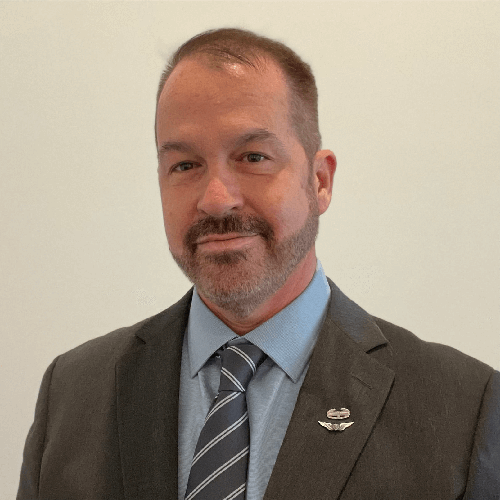
Following Tonya’s remarks, William Forstchen took the stage to deliver his opening keynote address, “One Second After: Preparedness, Leadership, and the Fragility of Modern Society.” Forstchen is a renowned historian, professor at Montreat College in North Carolina, and bestselling author of the One Second After series.
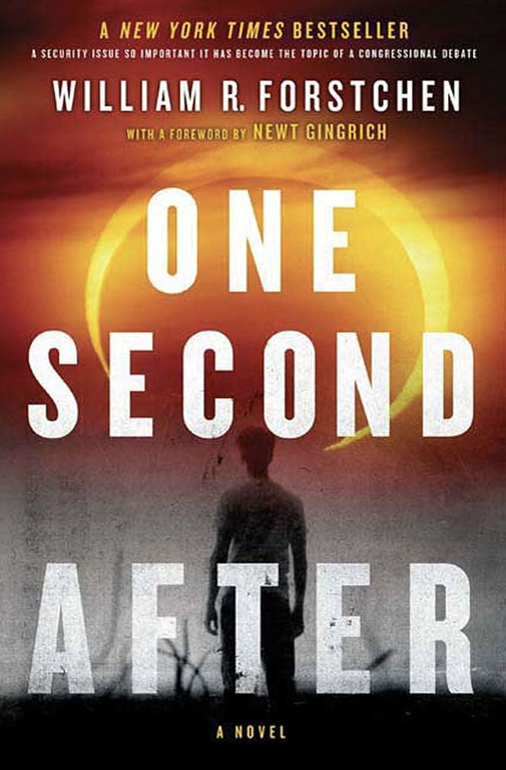
Basing his novels on congressional studies and interviews, one of Forstchen’s central messages is that modern society is far more fragile than we often acknowledge. In 1961, John F. Kennedy famously said that what scares him most is not a planned and calculated nuclear attack, but a nuclear catastrophe caused by accident, miscalculation, or madness. “I’m afraid of Jack [Kennedy’s] scenario,” Forstchen said.
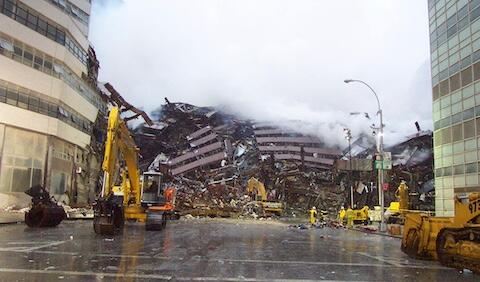
Forstchen’s novels are widely used in military, emergency management, and preparedness circles and center on catastrophic events such as electromagnetic pulse attacks, cyber failures, infrastructure collapse, and large-scale disruptions to power, communications, healthcare, and supply chains. A major motion-picture adaptation of One Second After is slated for release in Summer 2026.
In the event of a major disaster, Forstchen outlined the immediate cascade of effects that will incur the most strain as people scramble for survival:
- Water
- Medication and disease control
- Food supply
- Total loss of command and control
Turning to healthcare, many medical staff won’t show up to work their next shift because they will concentrate on their own families and personal needs first, predicted Forstchen. He estimated that just 10%–20% of the human population could survive one year after a major event that interrupts power, communication, and infrastructure for an extended time.
Forstchen reframes preparedness not as a doomsday exercise, but as a leadership obligation. “Somebody is going to have to step forward and help the community take control of the situation,” he said. “You have to have a hierarchy of leadership.”
“These are moral obligations.”
Presented by Fitch & Associates, the 21st Pinnacle EMS conference is taking place July 13-17 at the Sheraton Resort San Diego.