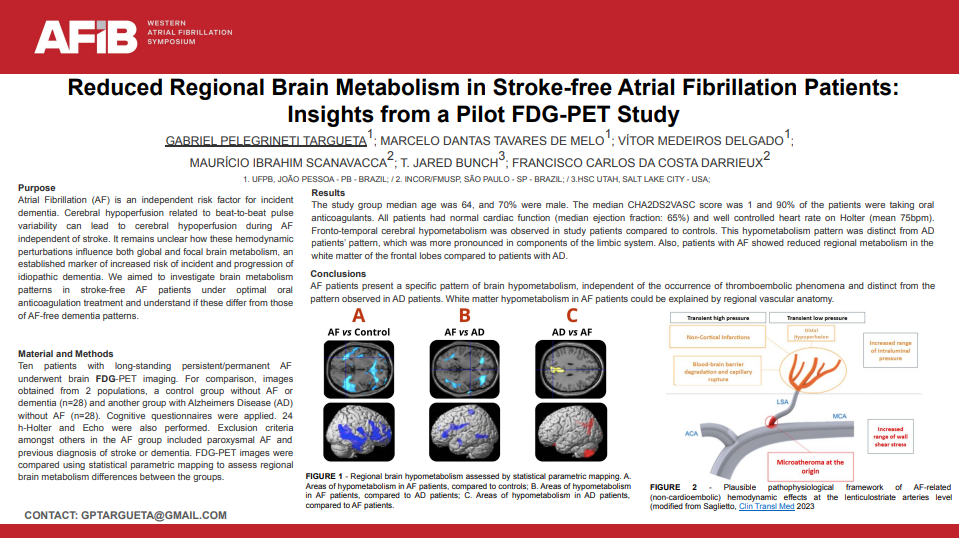
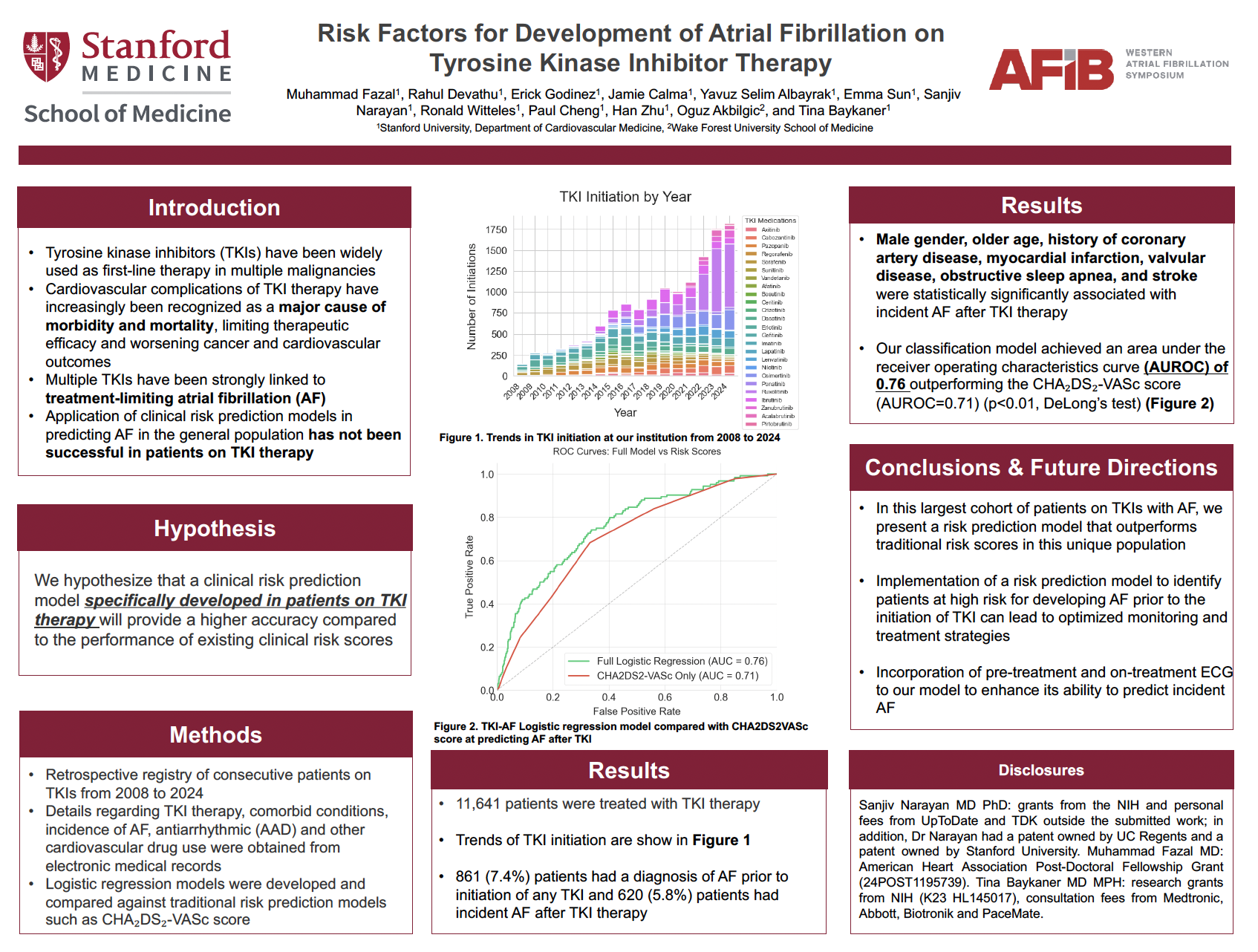
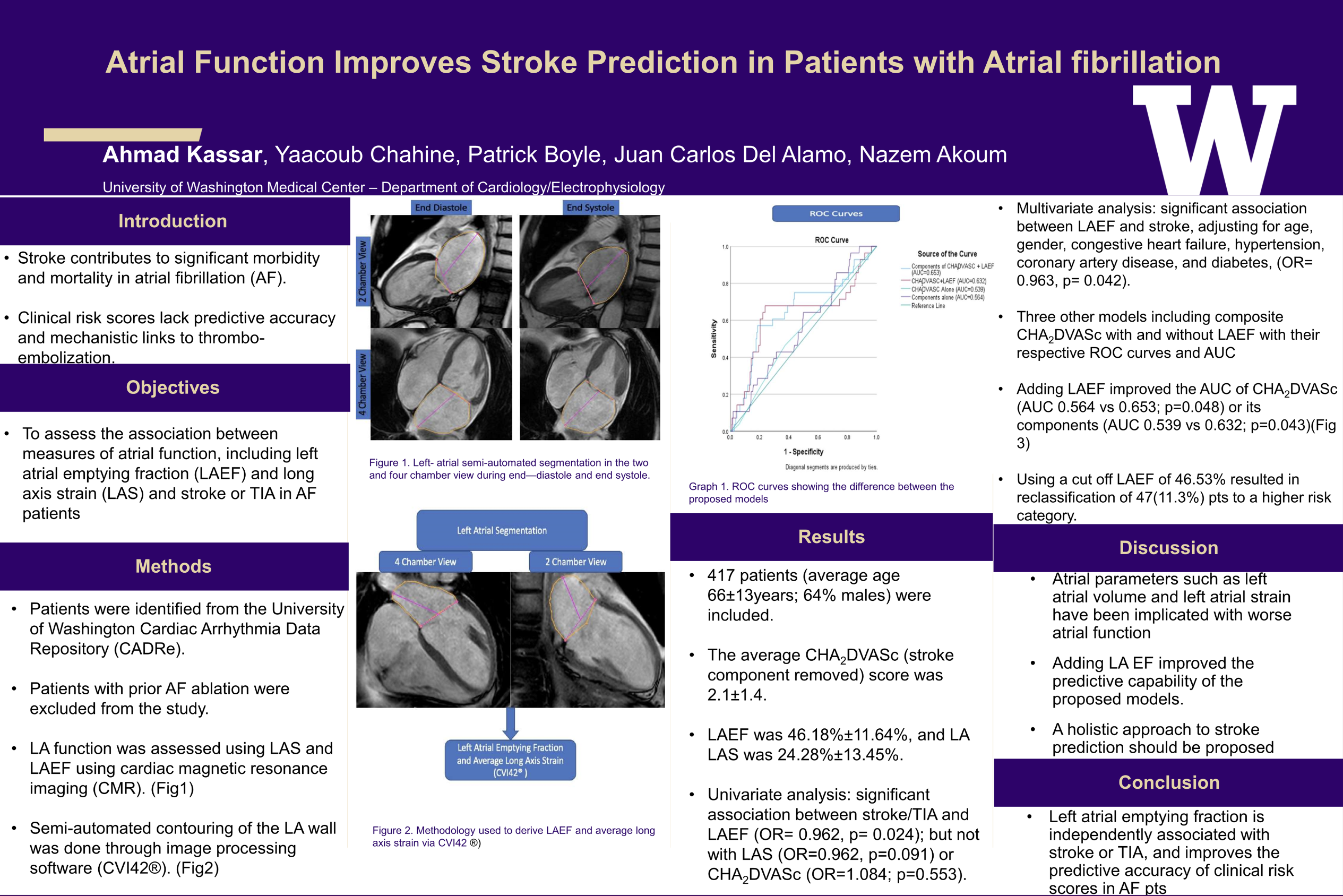
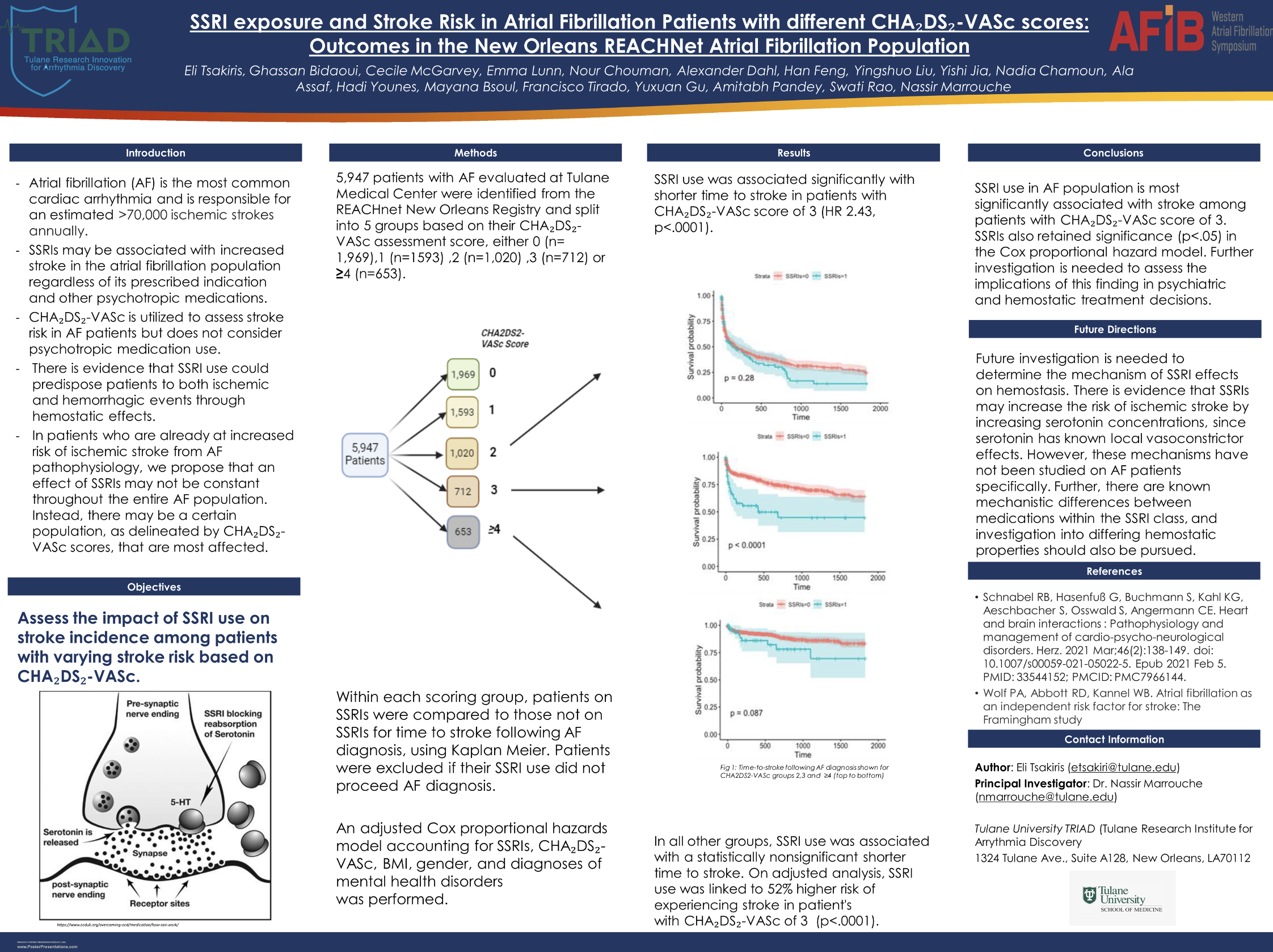
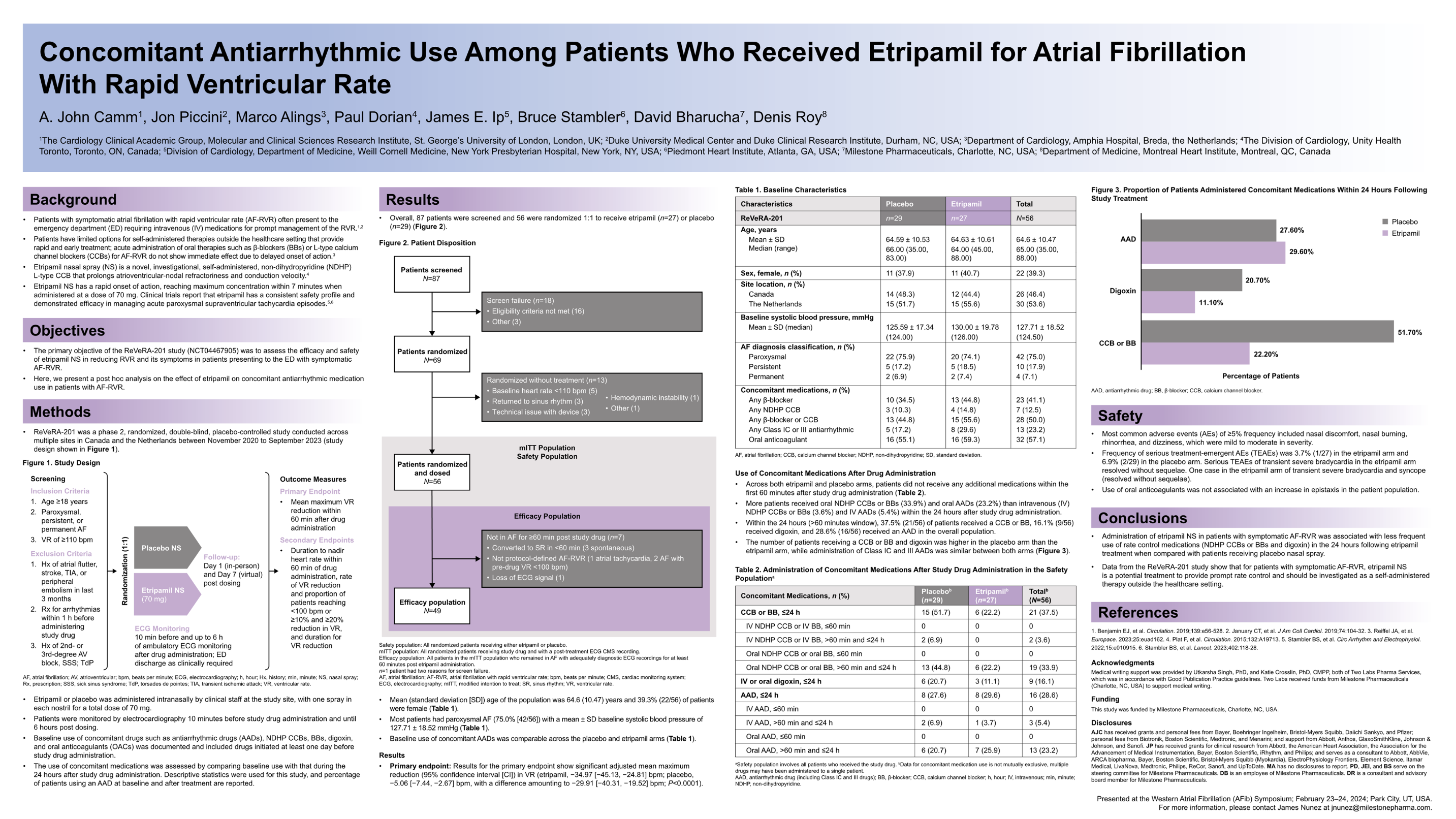
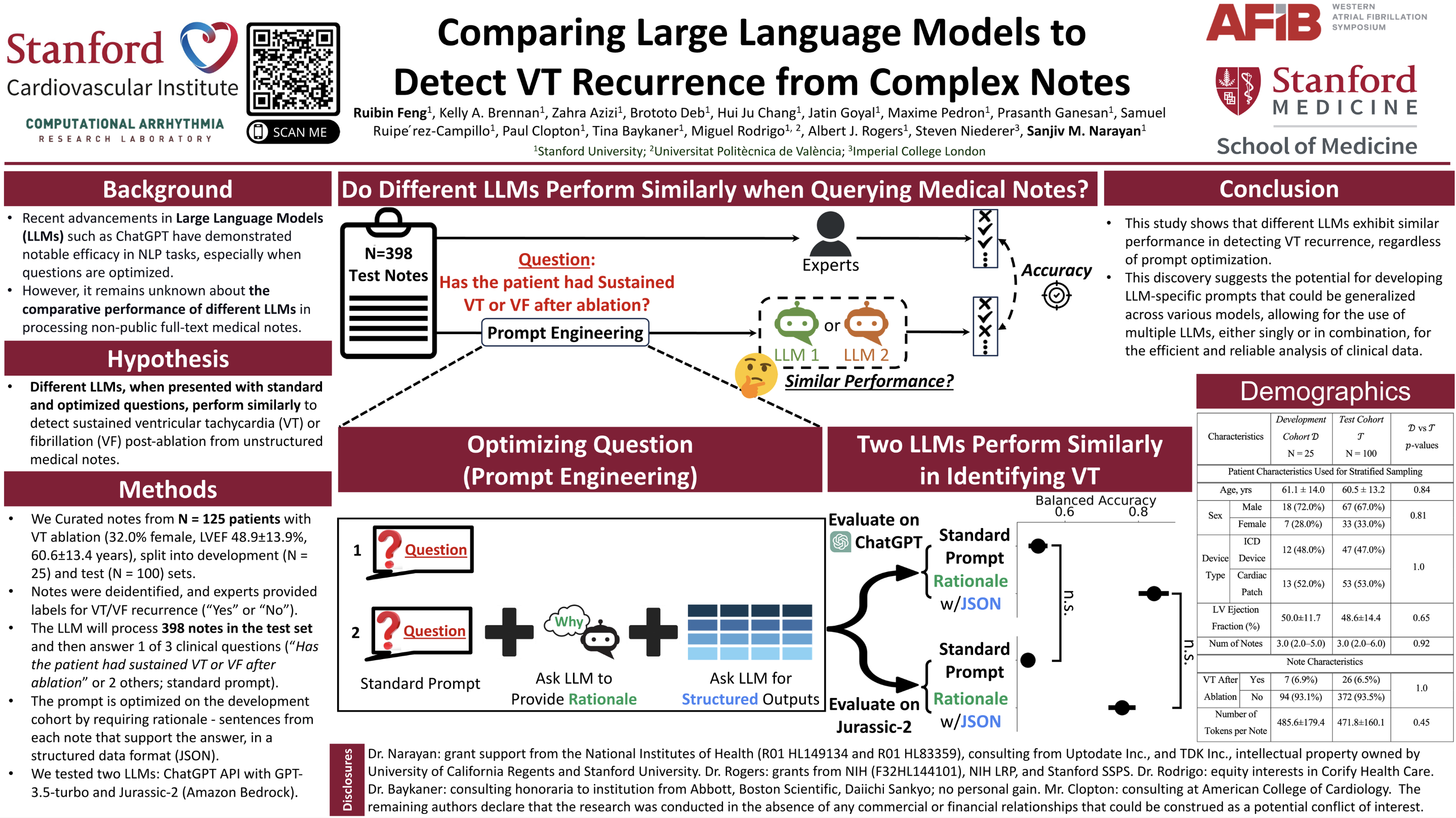
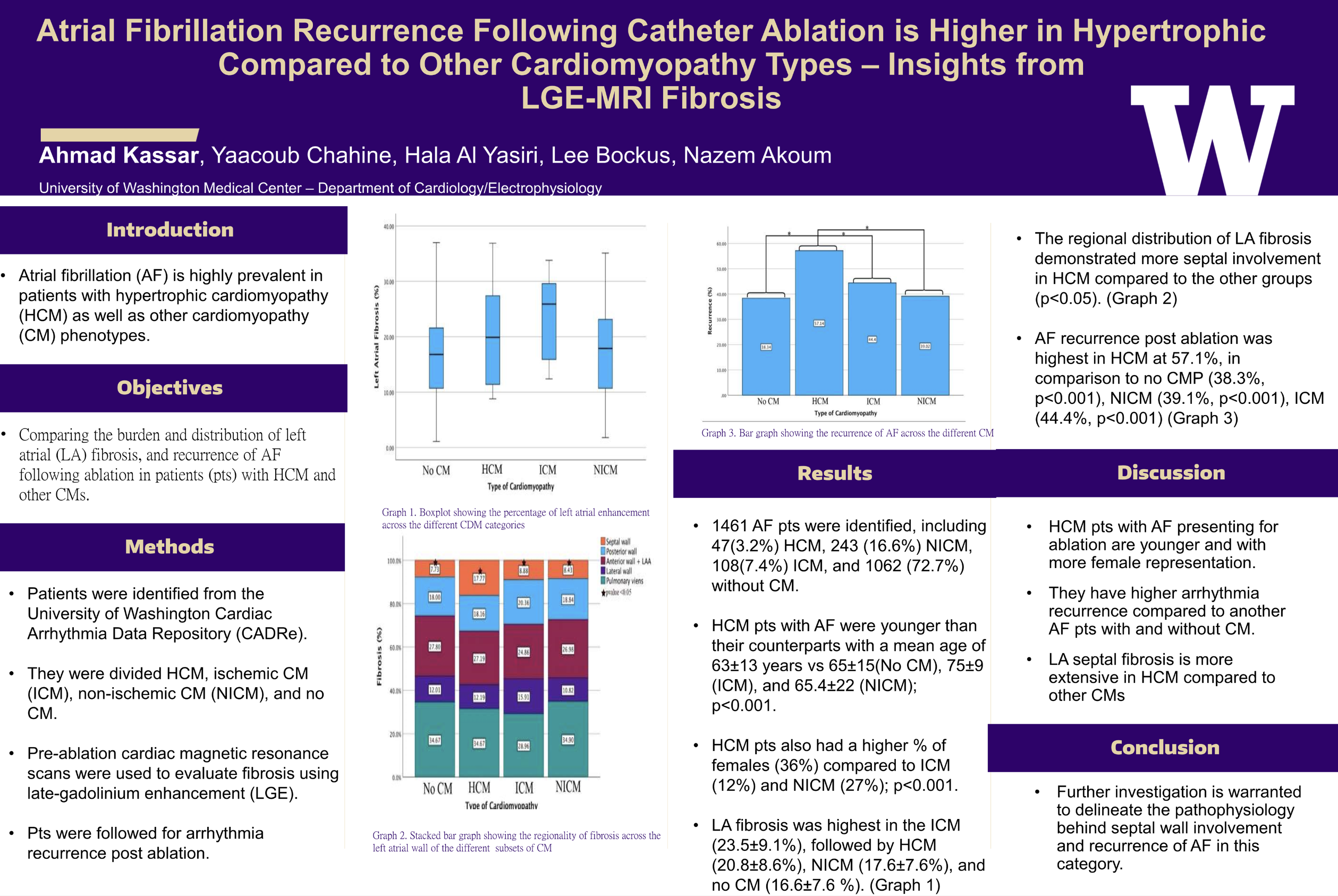
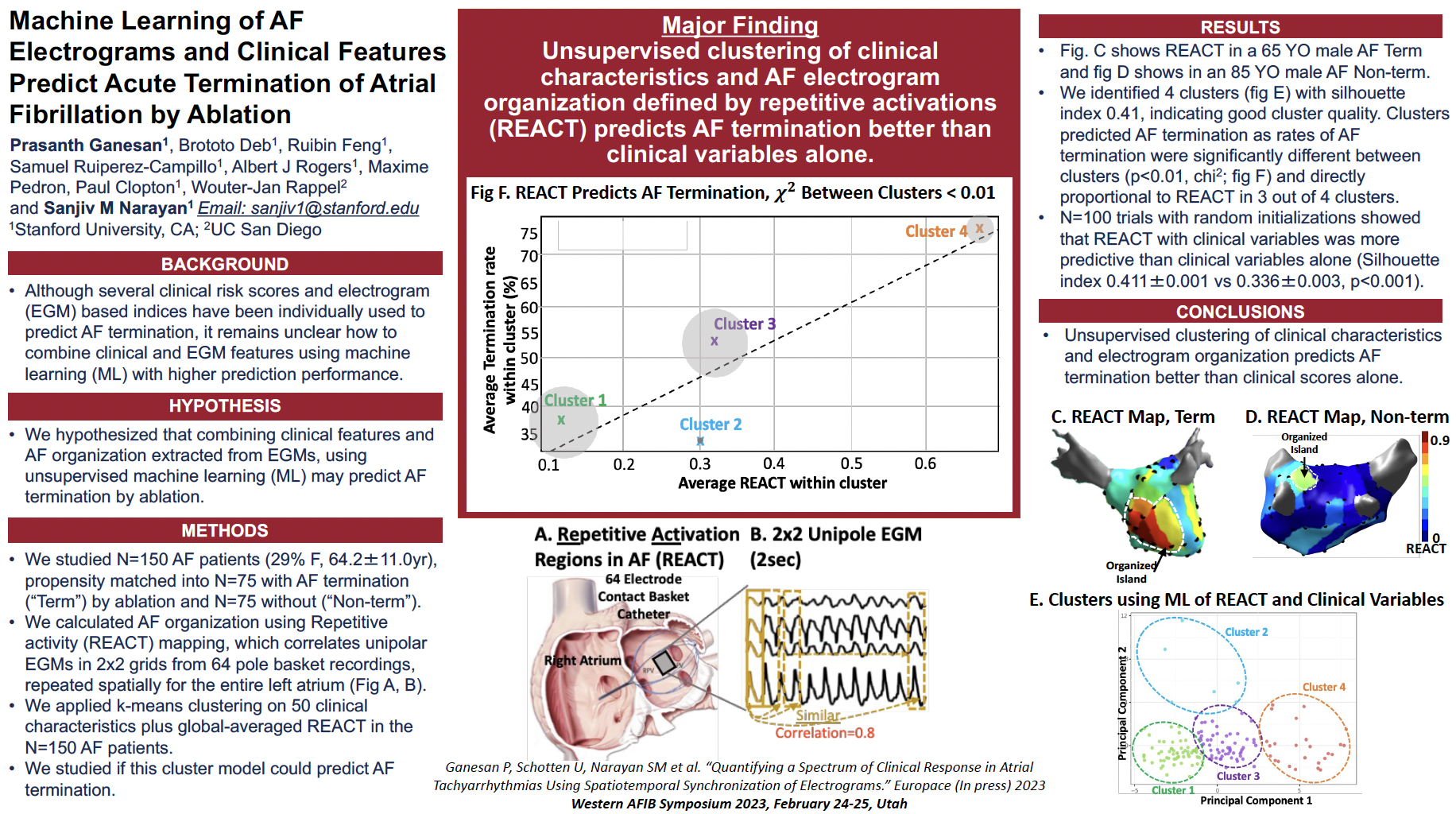
Stroke contributes to significant morbidity and mortality in atrial fibrillation (AF). Clinical risk scores lack predictive accuracy and mechanistic links to thromboembolization.
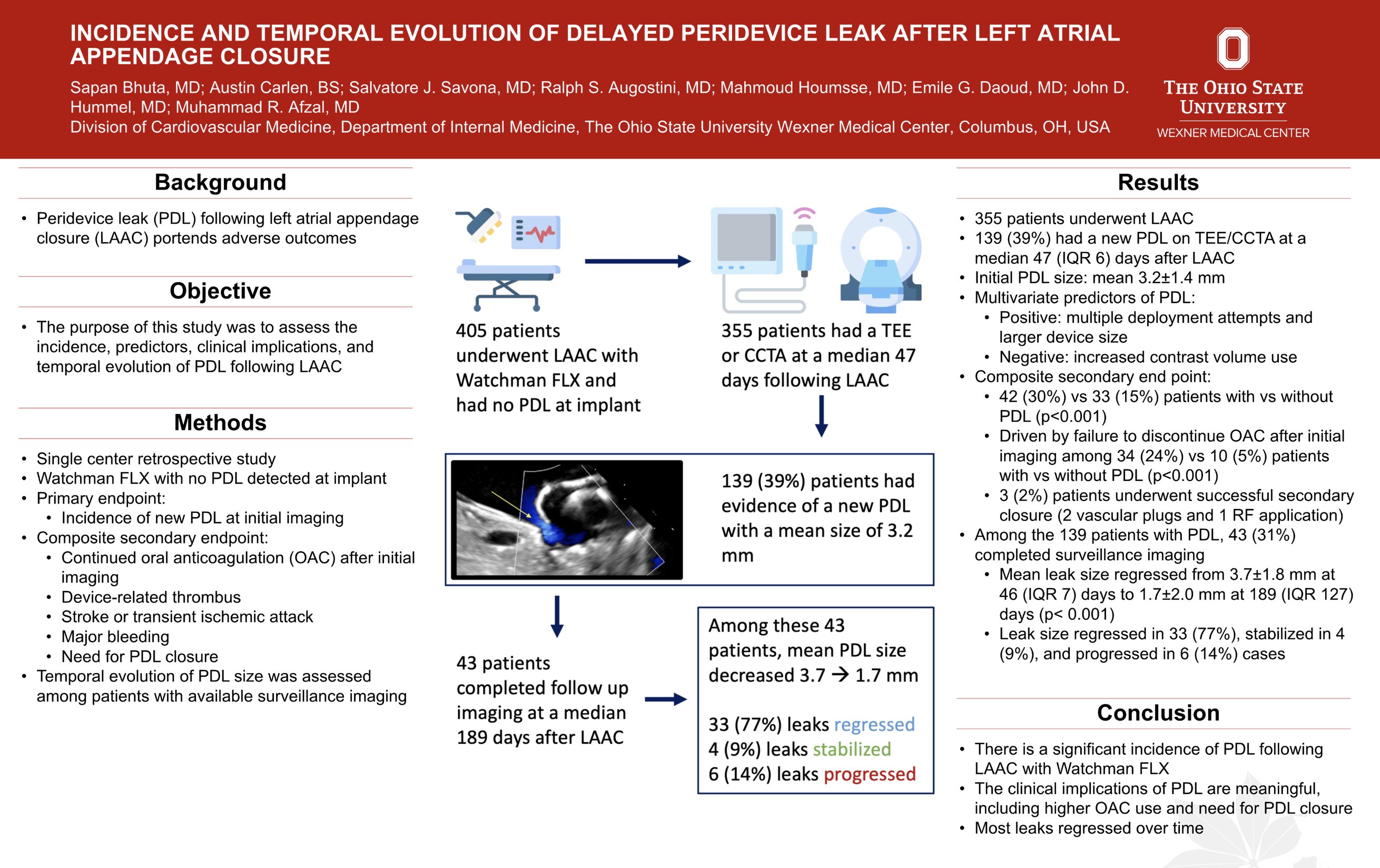
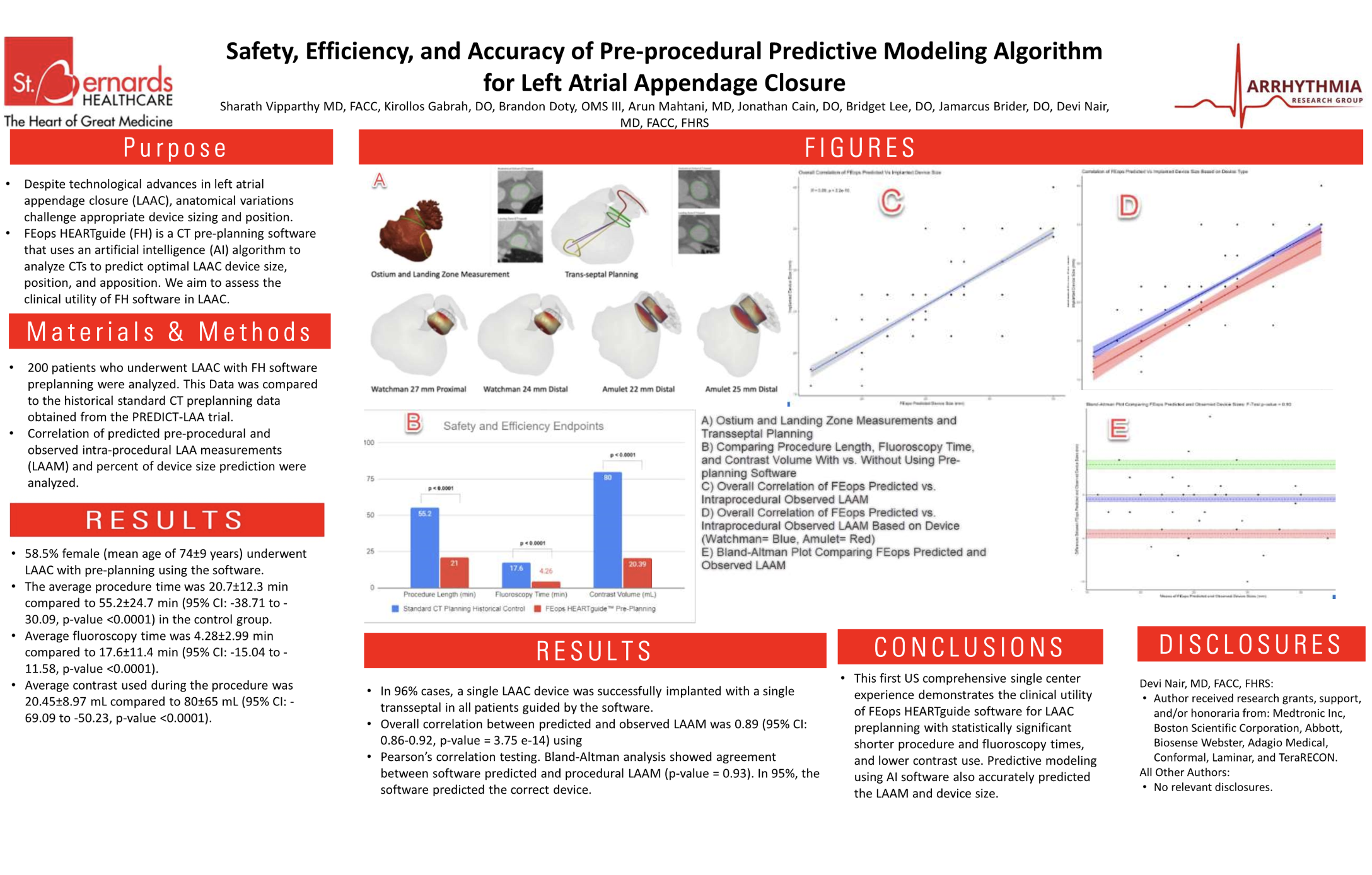
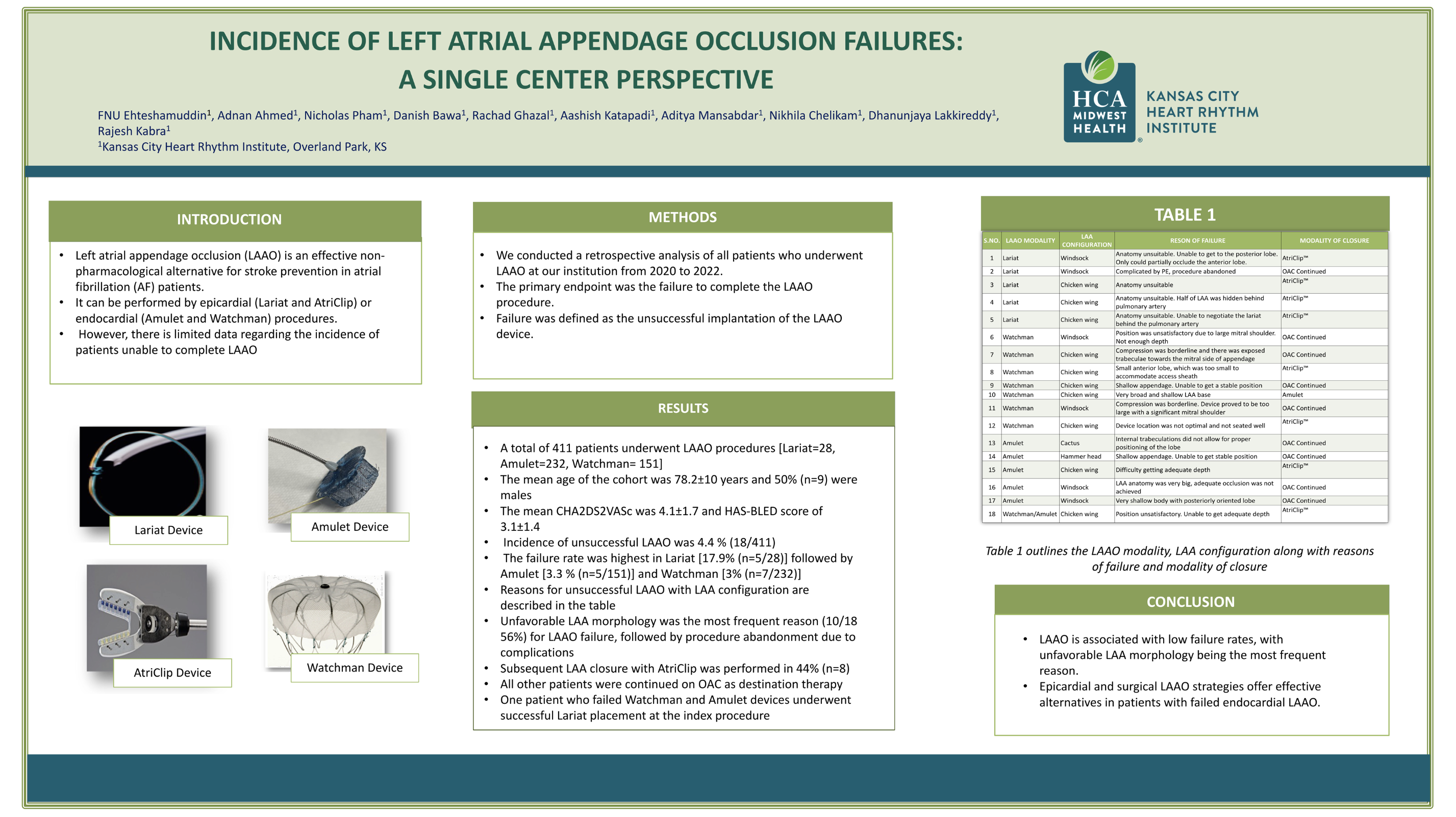
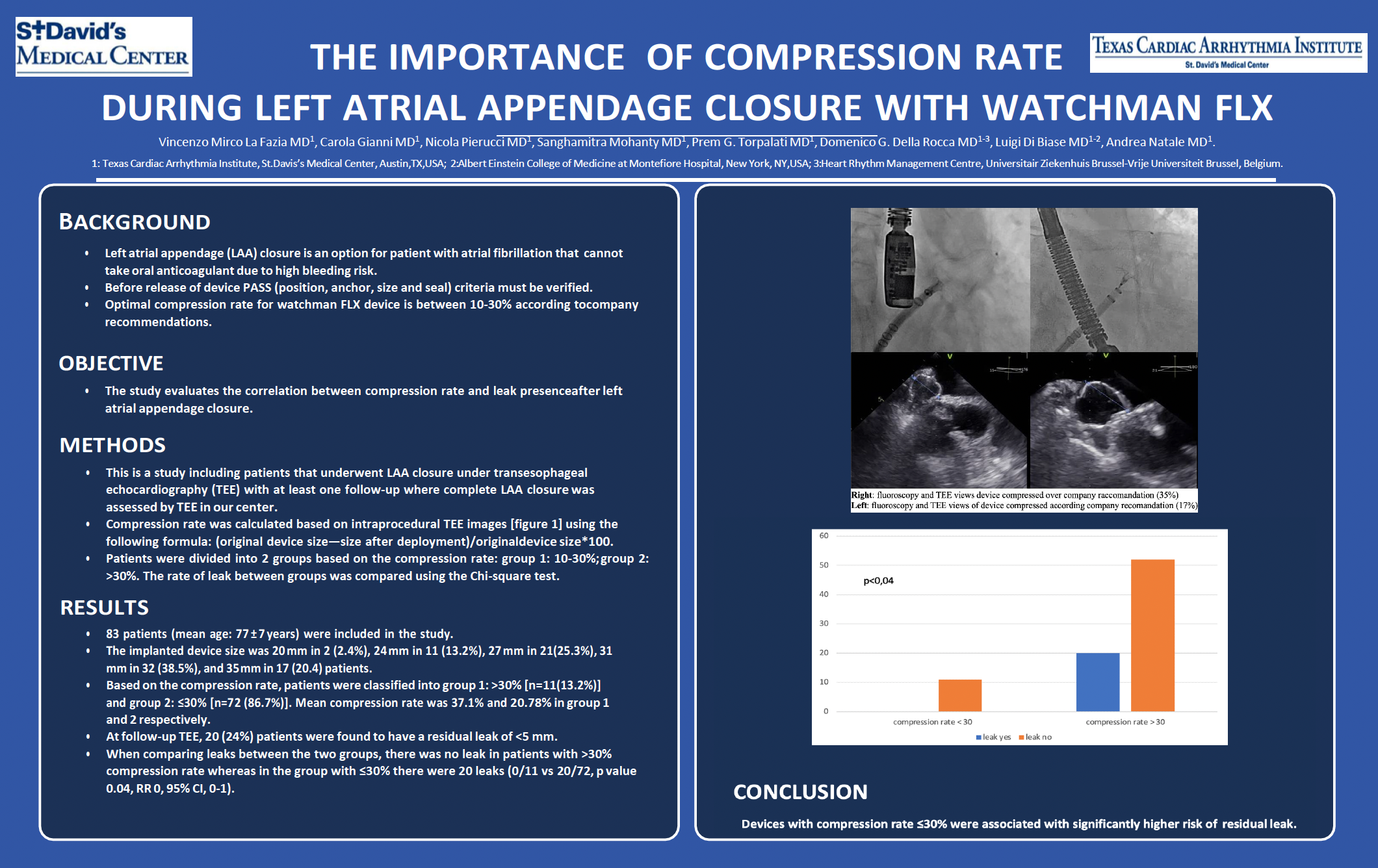
Peridevice leak (PDL) following left atrial appendage closure (LAAC) portends adverse outcomes. The purpose of this study was to assess the incidence, predictors, clinical implications, a...
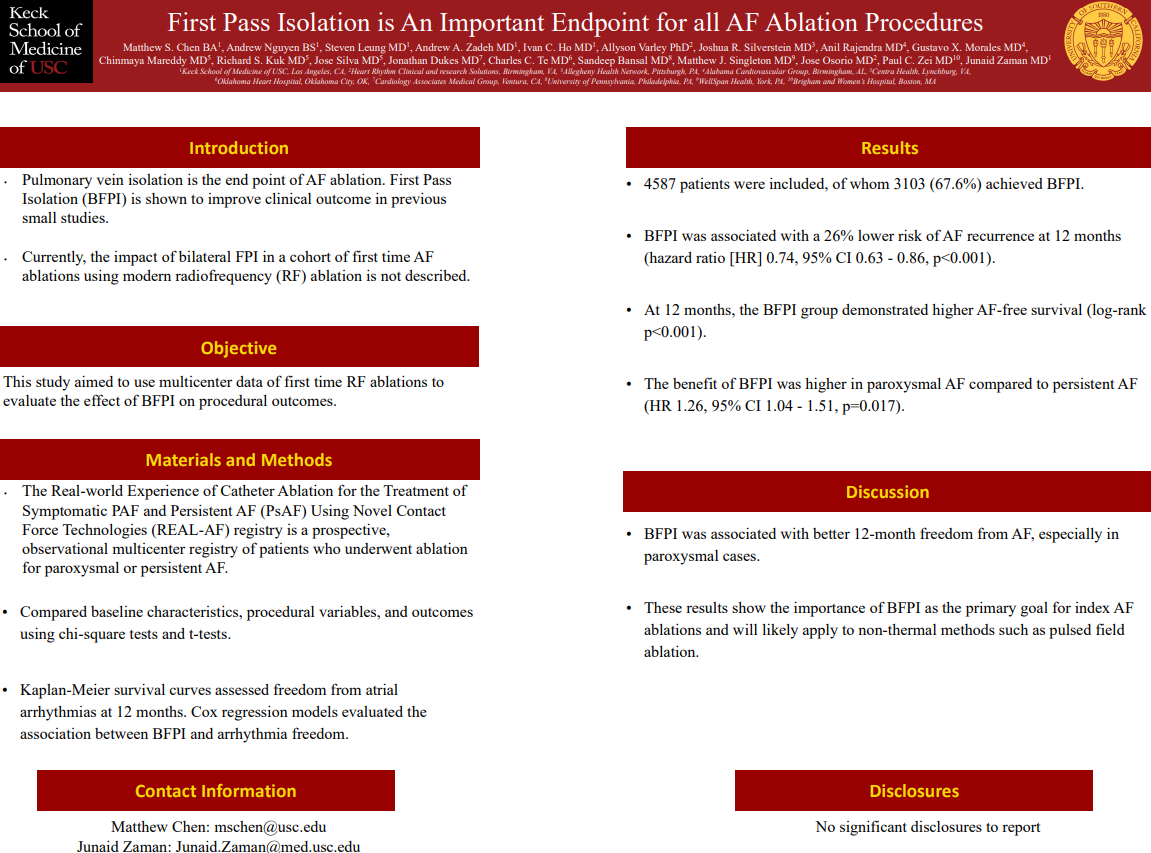
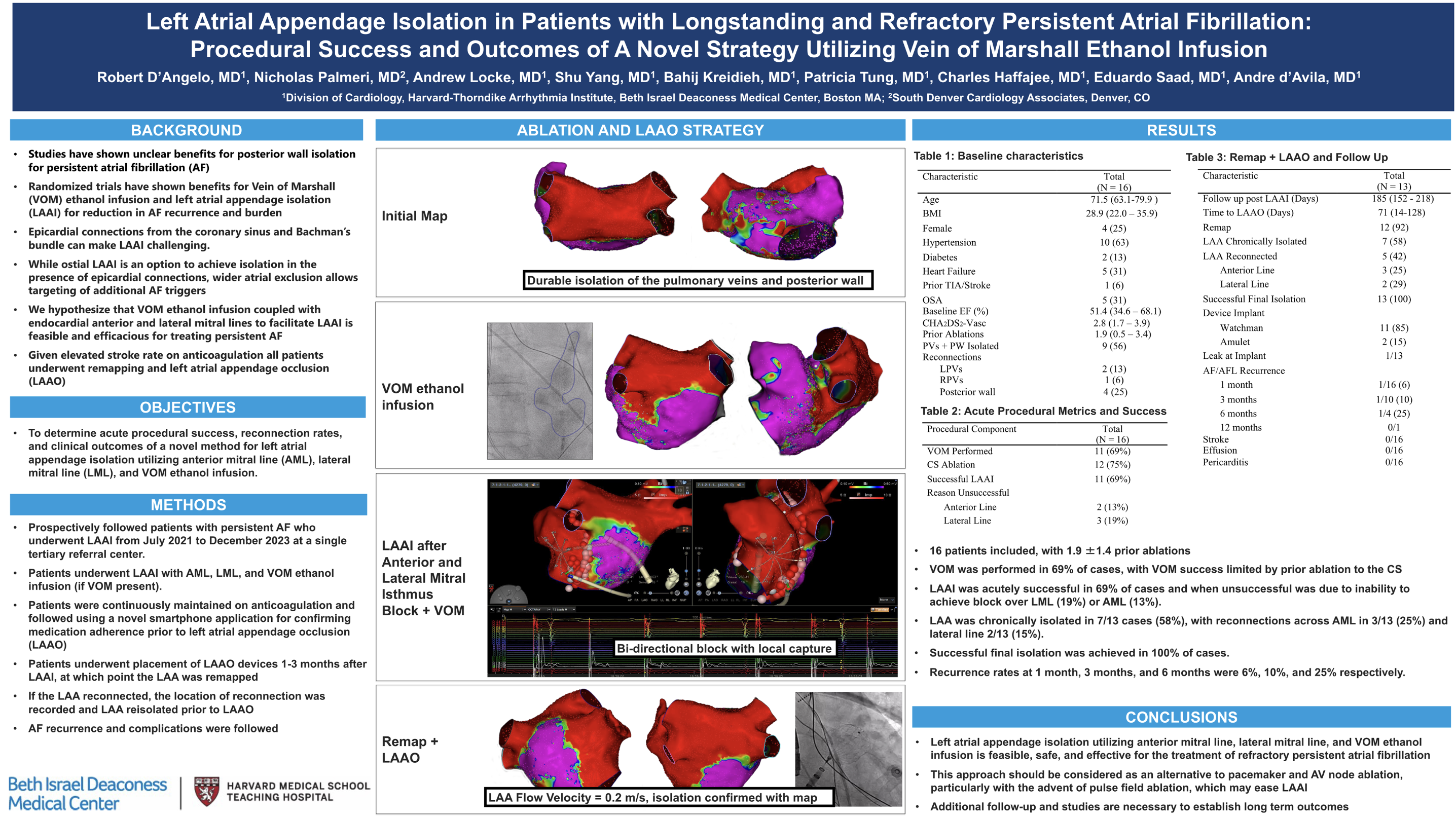
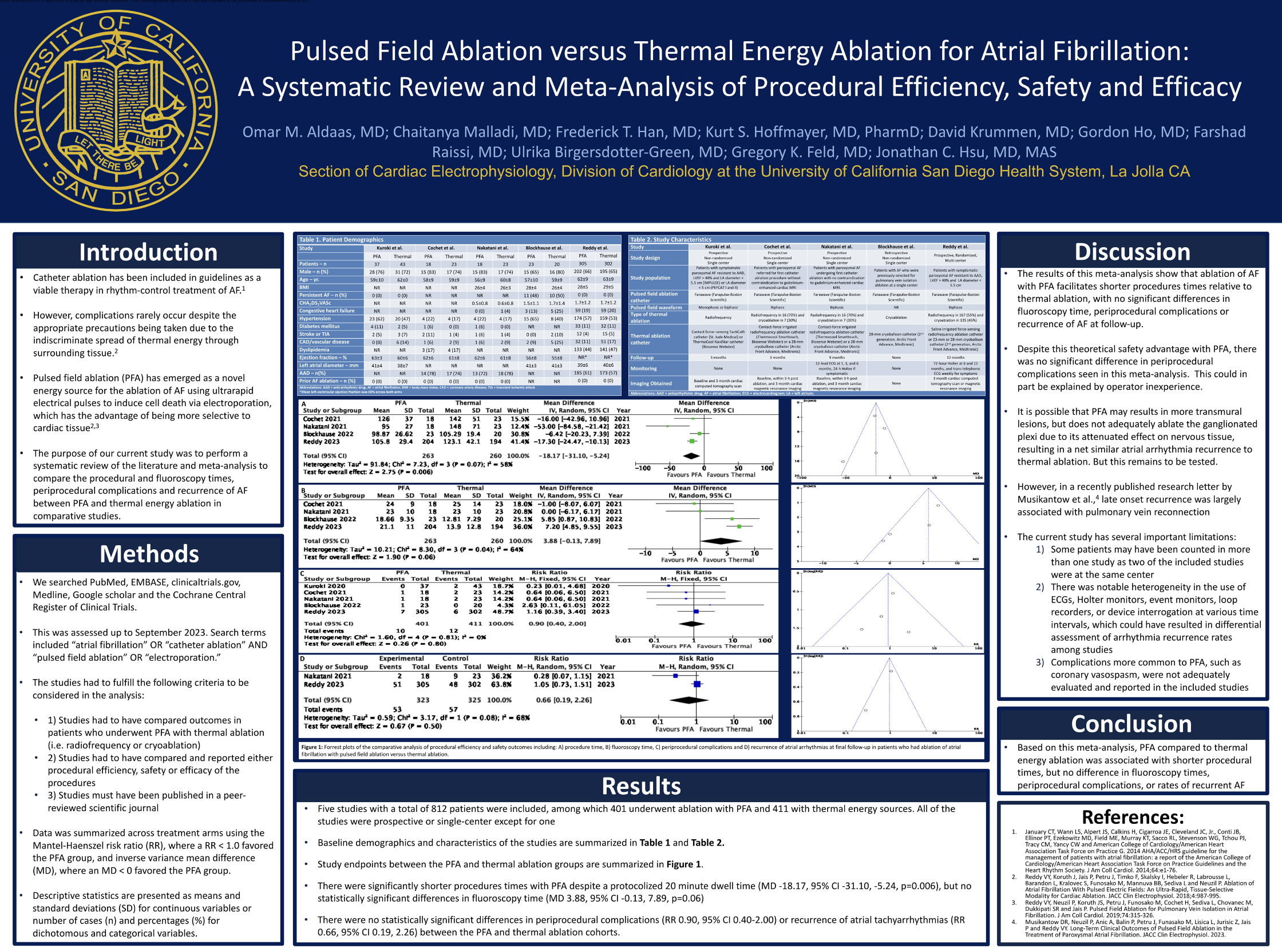
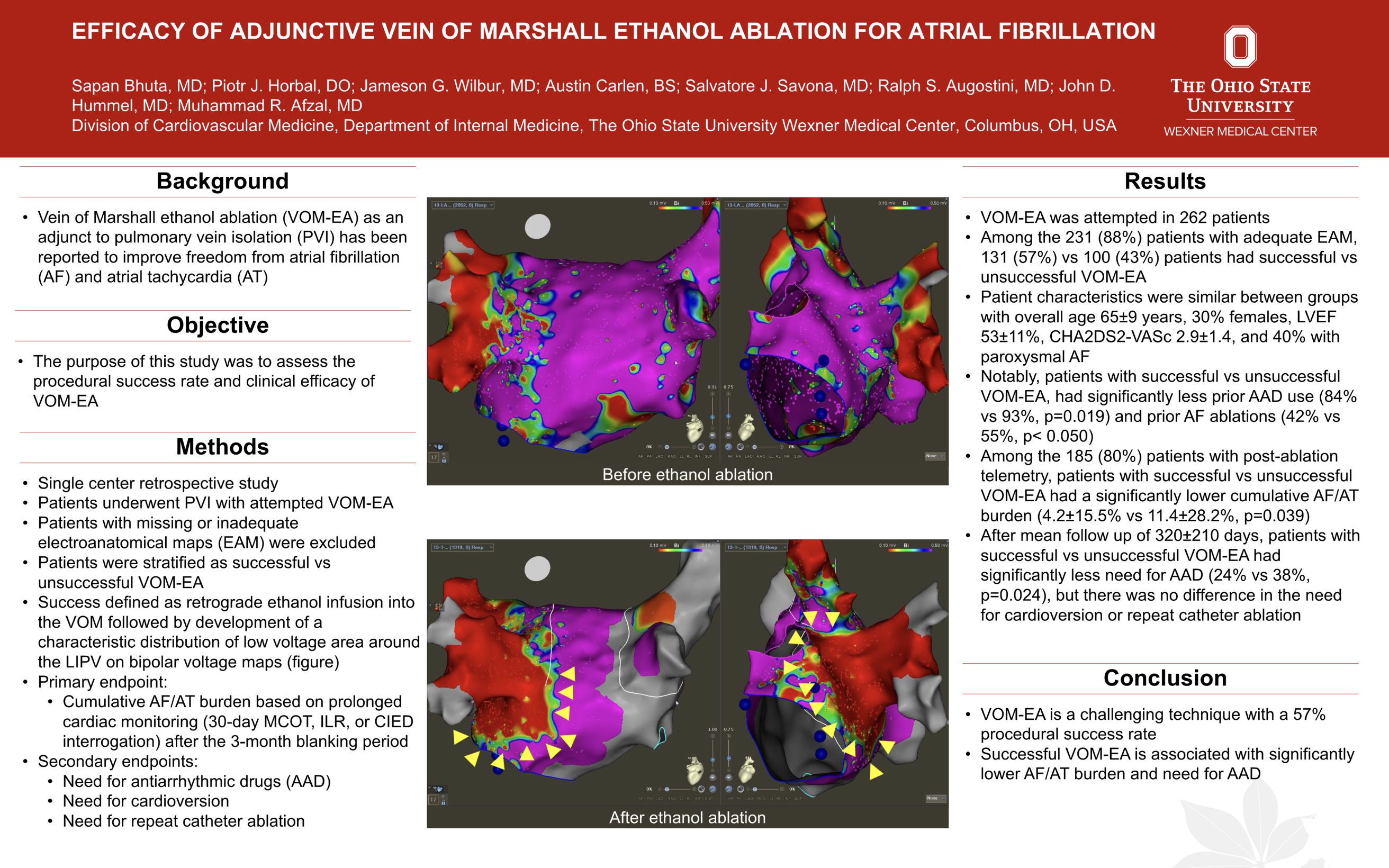
Studies have shows unclear benefits for posterior wall isolation for persistent atrial fibrillation (AF). Randomized trials have shown benefits for Vein of Marshall (VOM) ethanol infusion...
Purpose: Current guidelines recommend the use of anticoagulation for atrial fibrillation (AF) patients with ≥2 non-gender risk factors according to the CHA2DS2-VASc stroke risk scor...
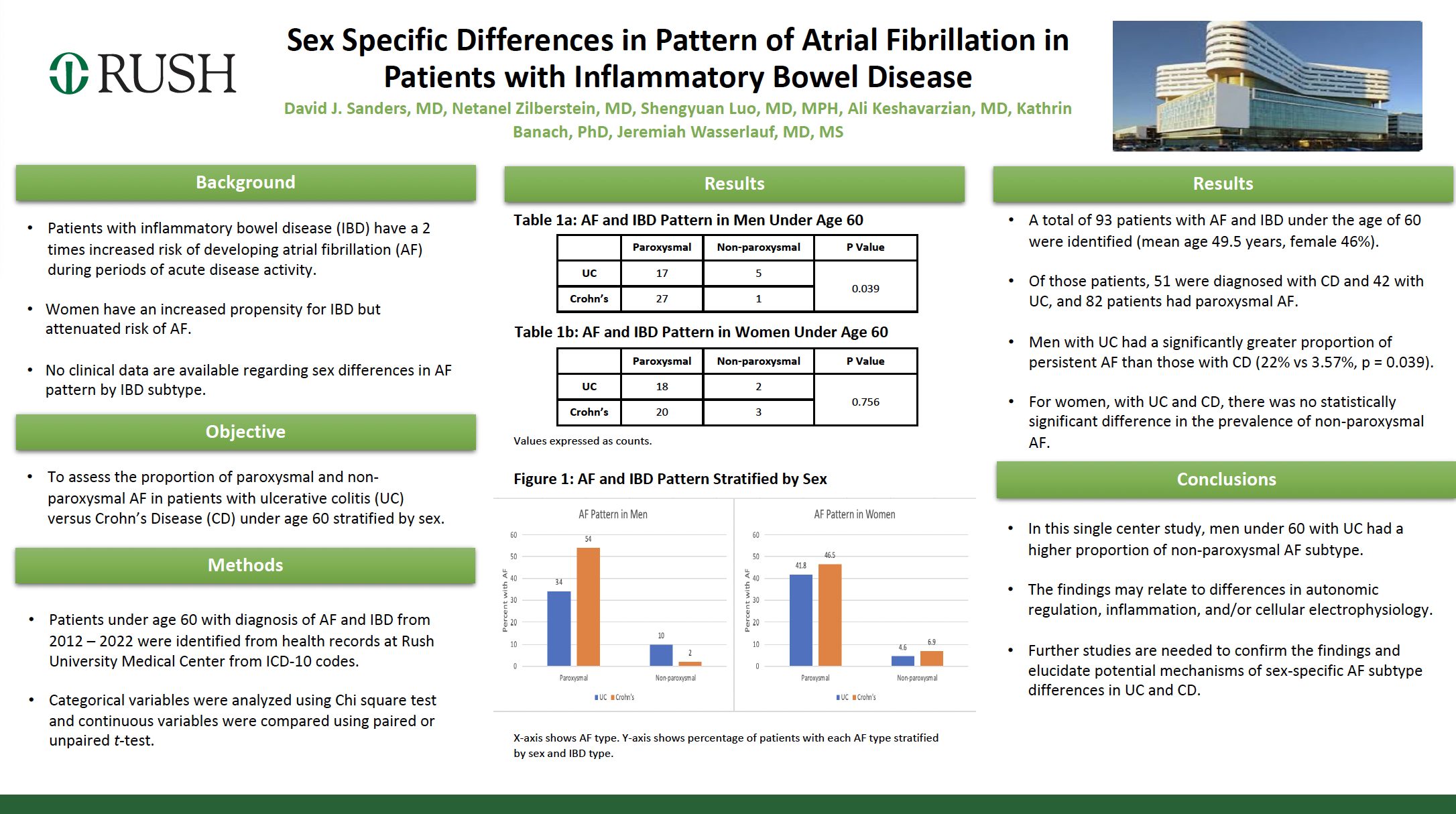
Purpose: To assess the proportion of paroxysmal and non-paroxysmal AF in patients with UC versus Crohn’s Disease (CD) under age 60 stratified by sex.
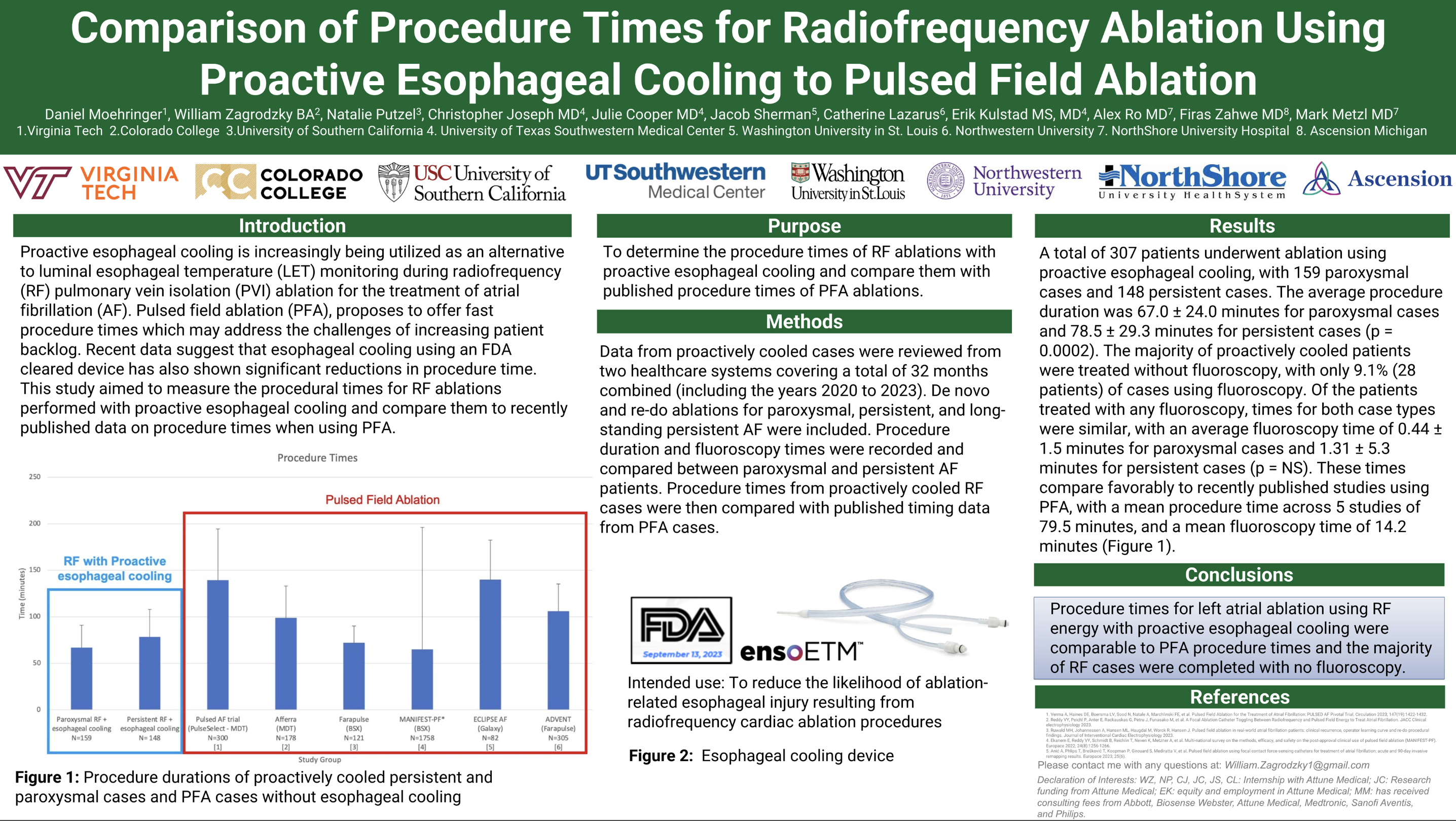
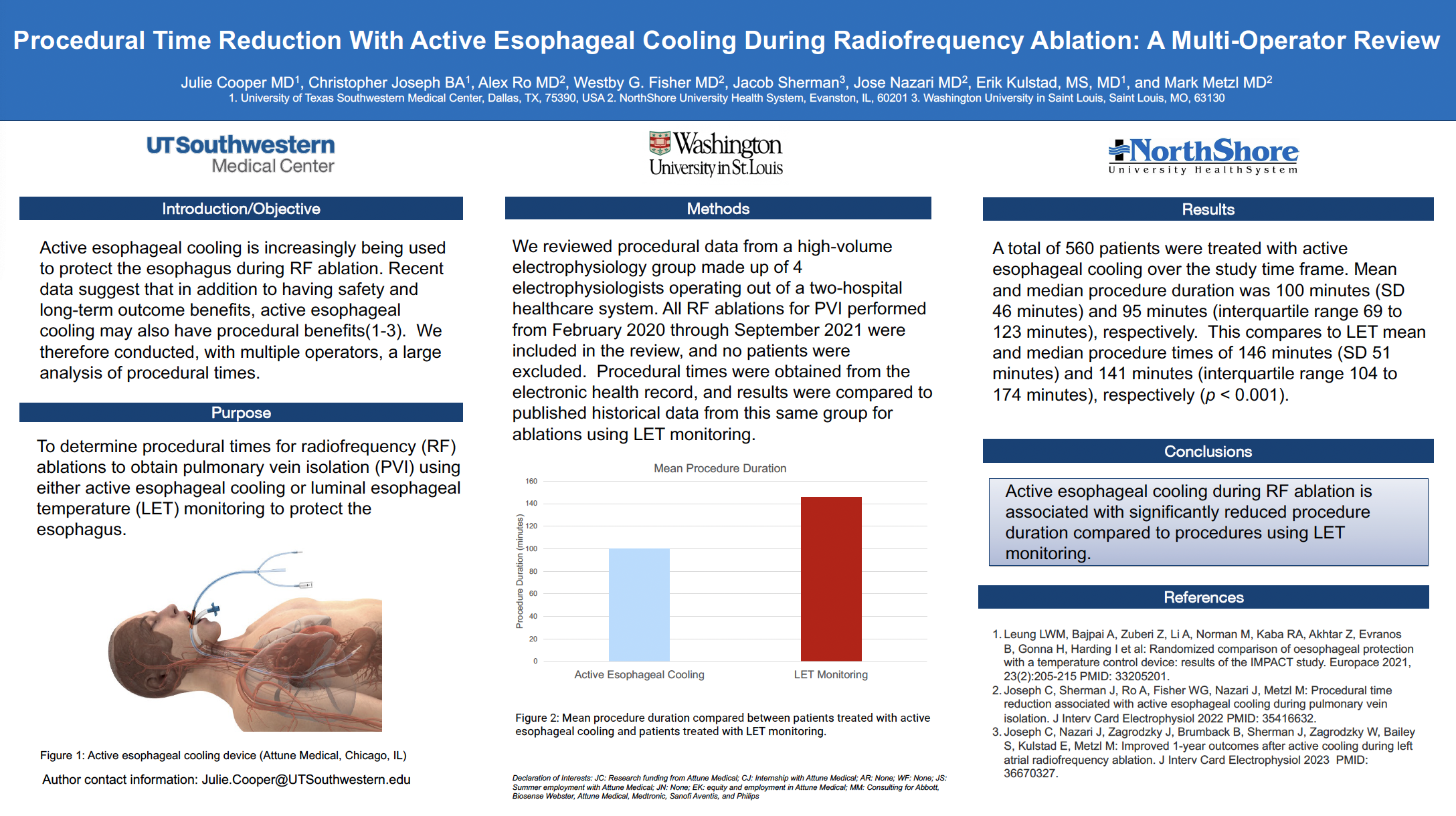
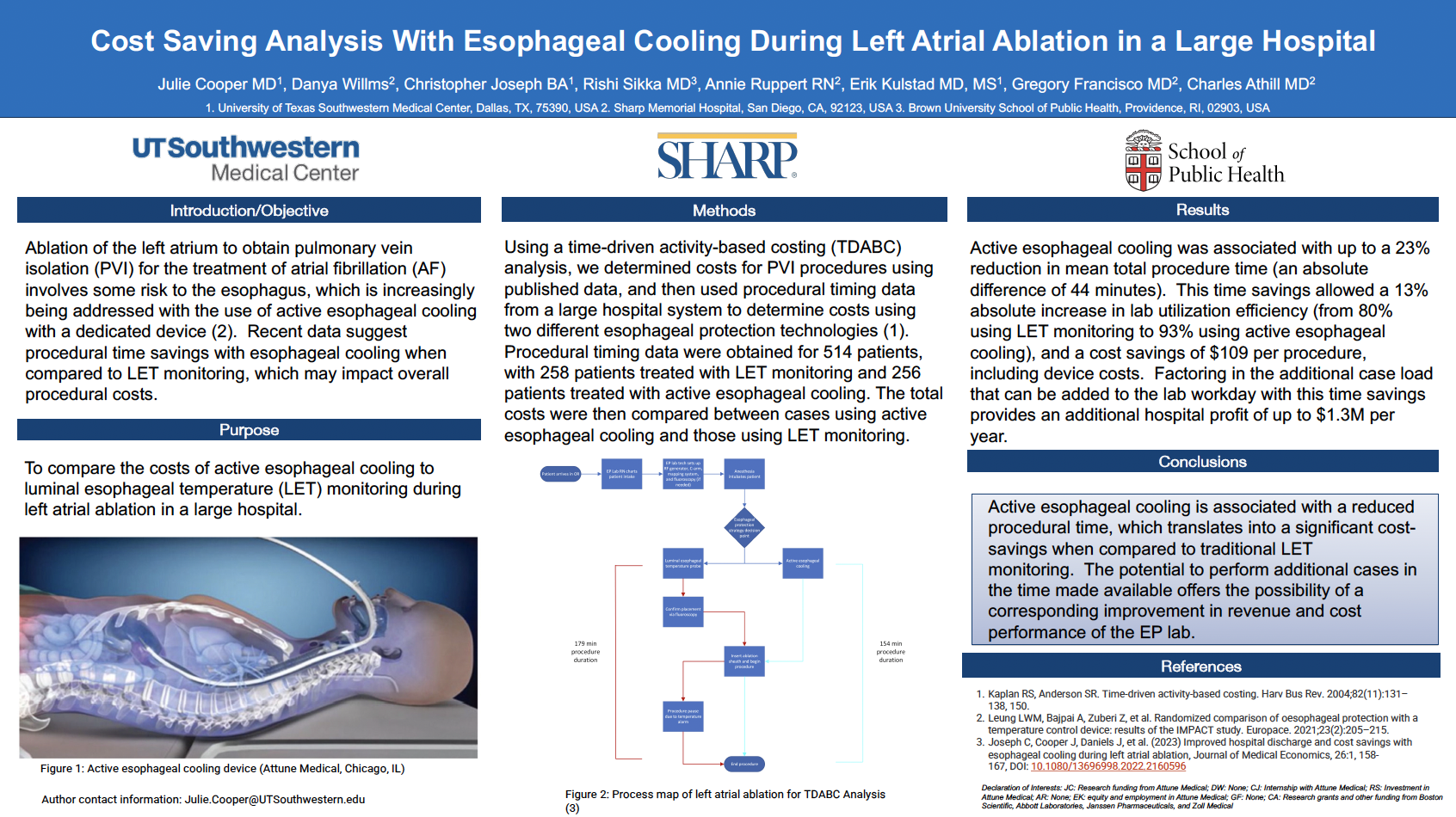
Purpose: To determine procedural times for radiofrequency (RF) ablations to obtain pulmonary vein isolation (PVI) using either active esophageal cooling or luminal esophageal temper...
Purpose: Background
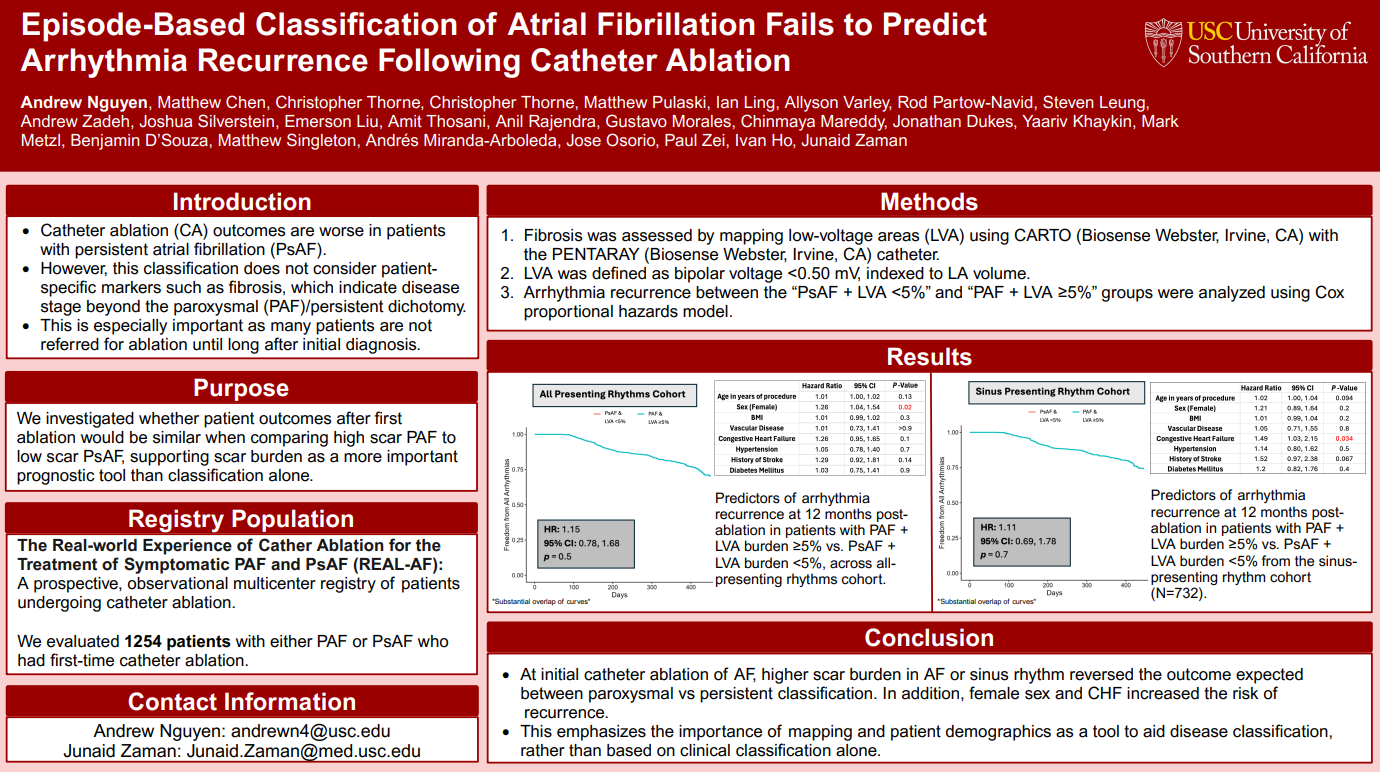
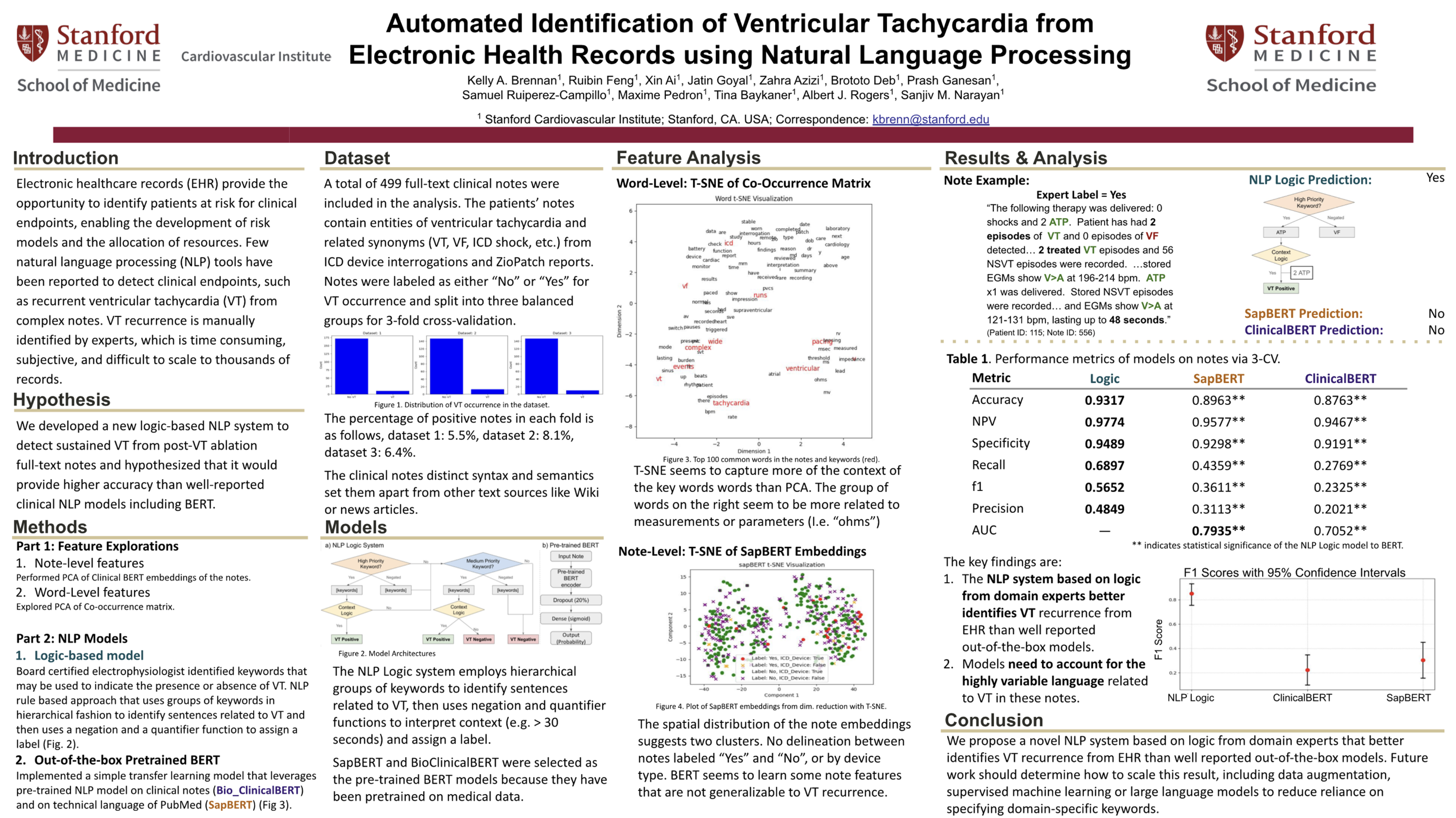
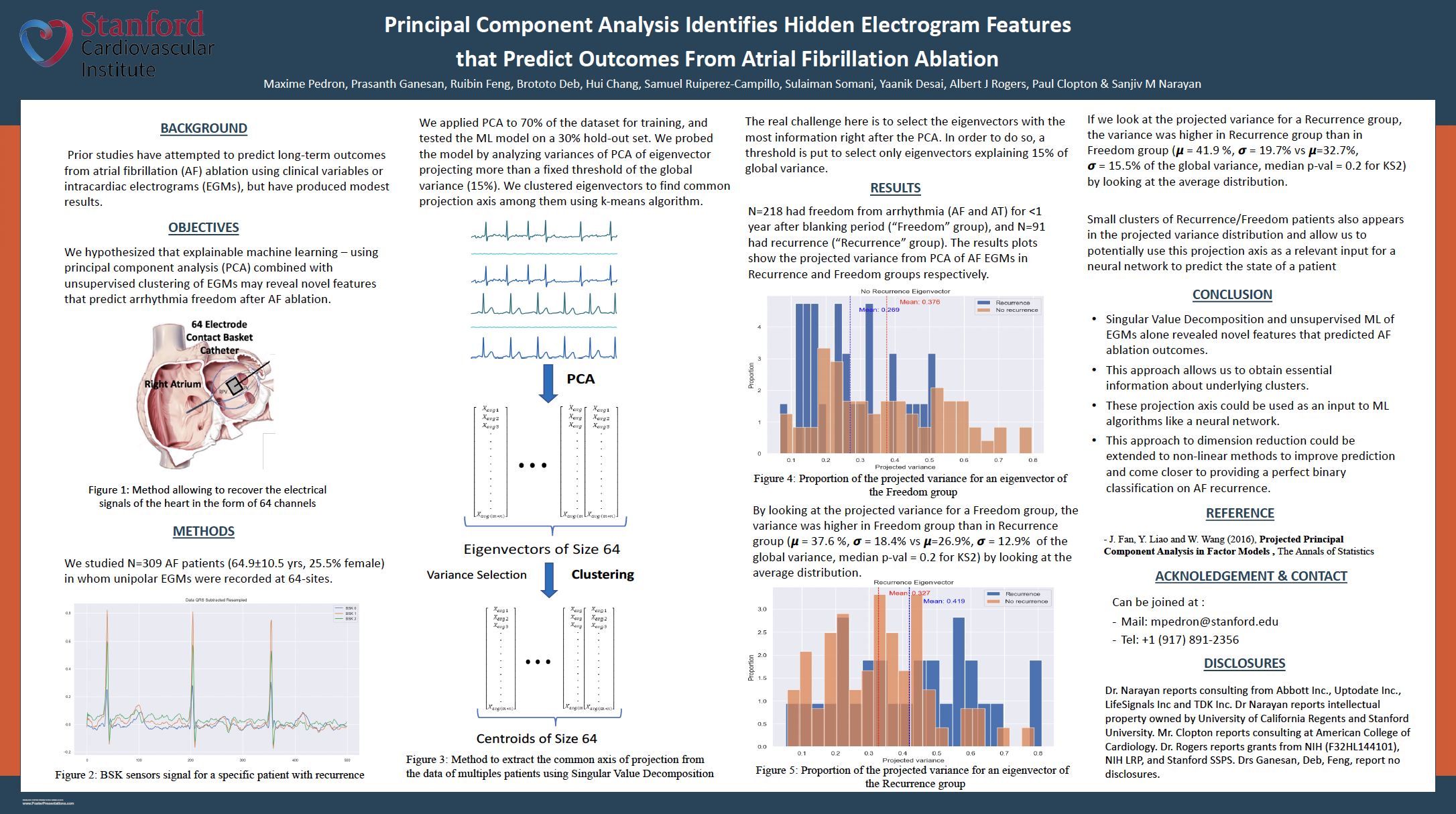
Prior studies have attempted to predict long-term outcomes from atrial fibrillation (AF) ablation using clinical variables or intracardiac electrograms (EGMs), ...
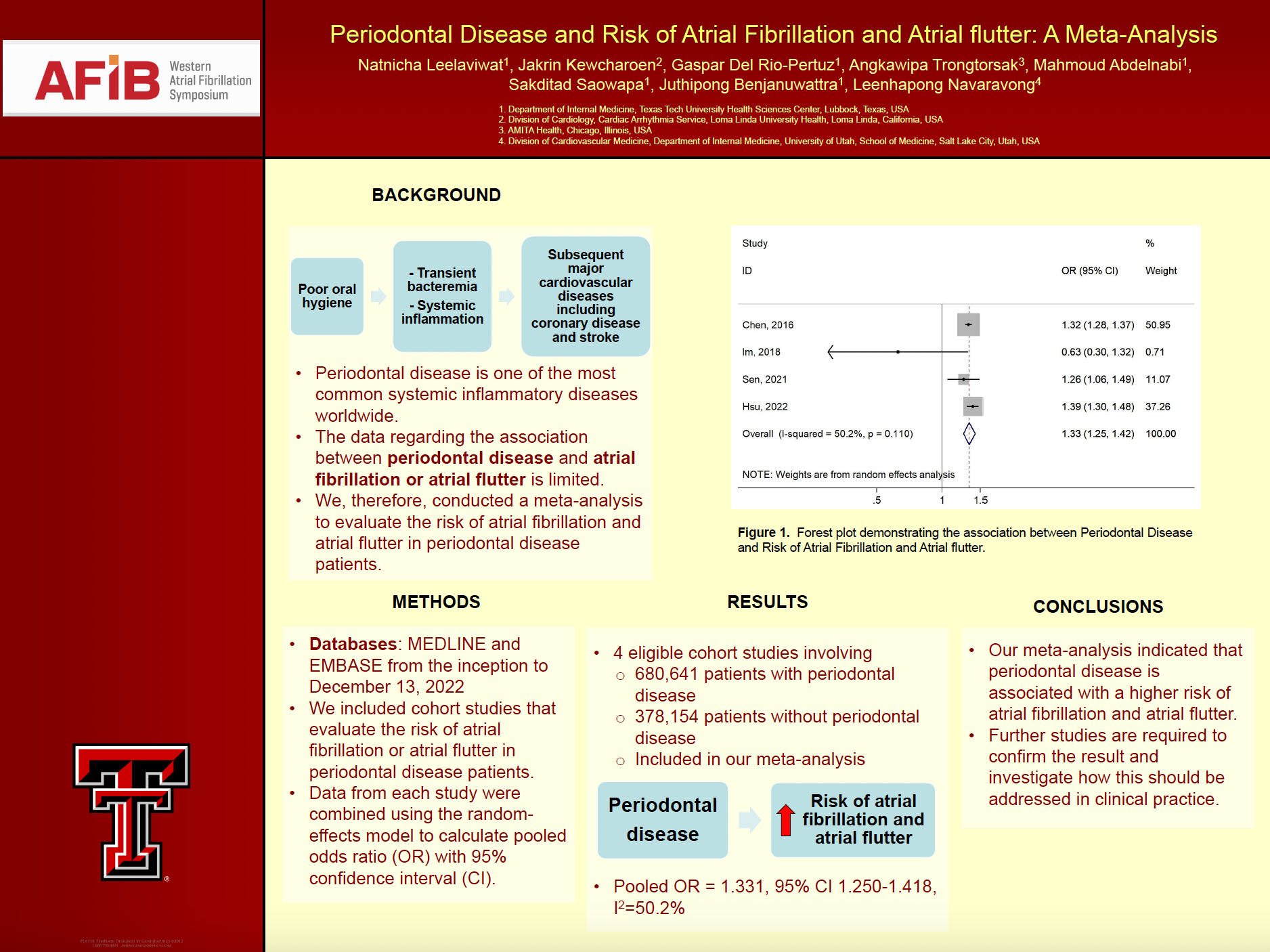
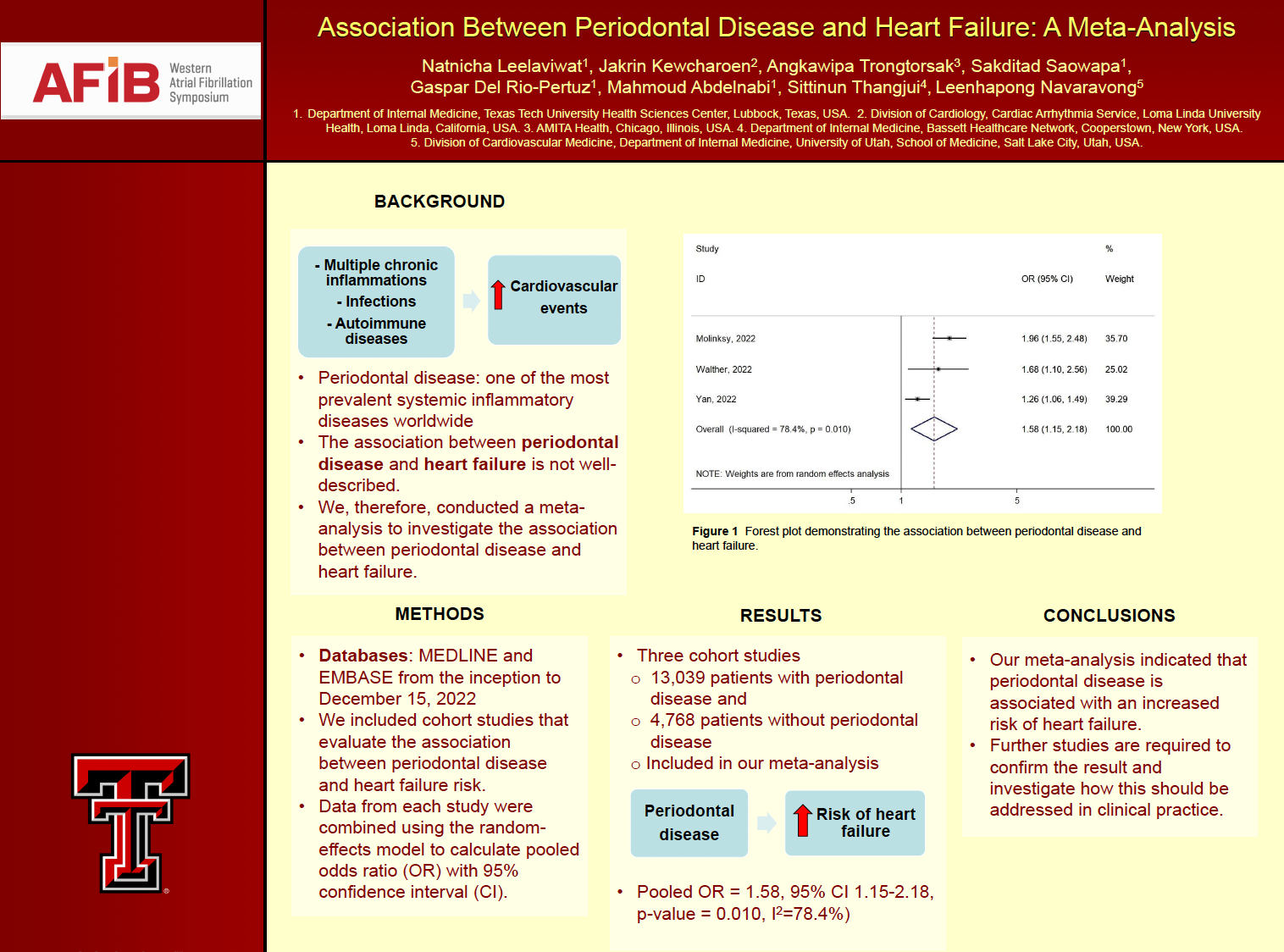
Purpose: Poor oral hygiene can provoke transient bacteremia, systemic inflammation, and subsequent major cardiovascular diseases including coronary disease and stroke. Periodontal d...
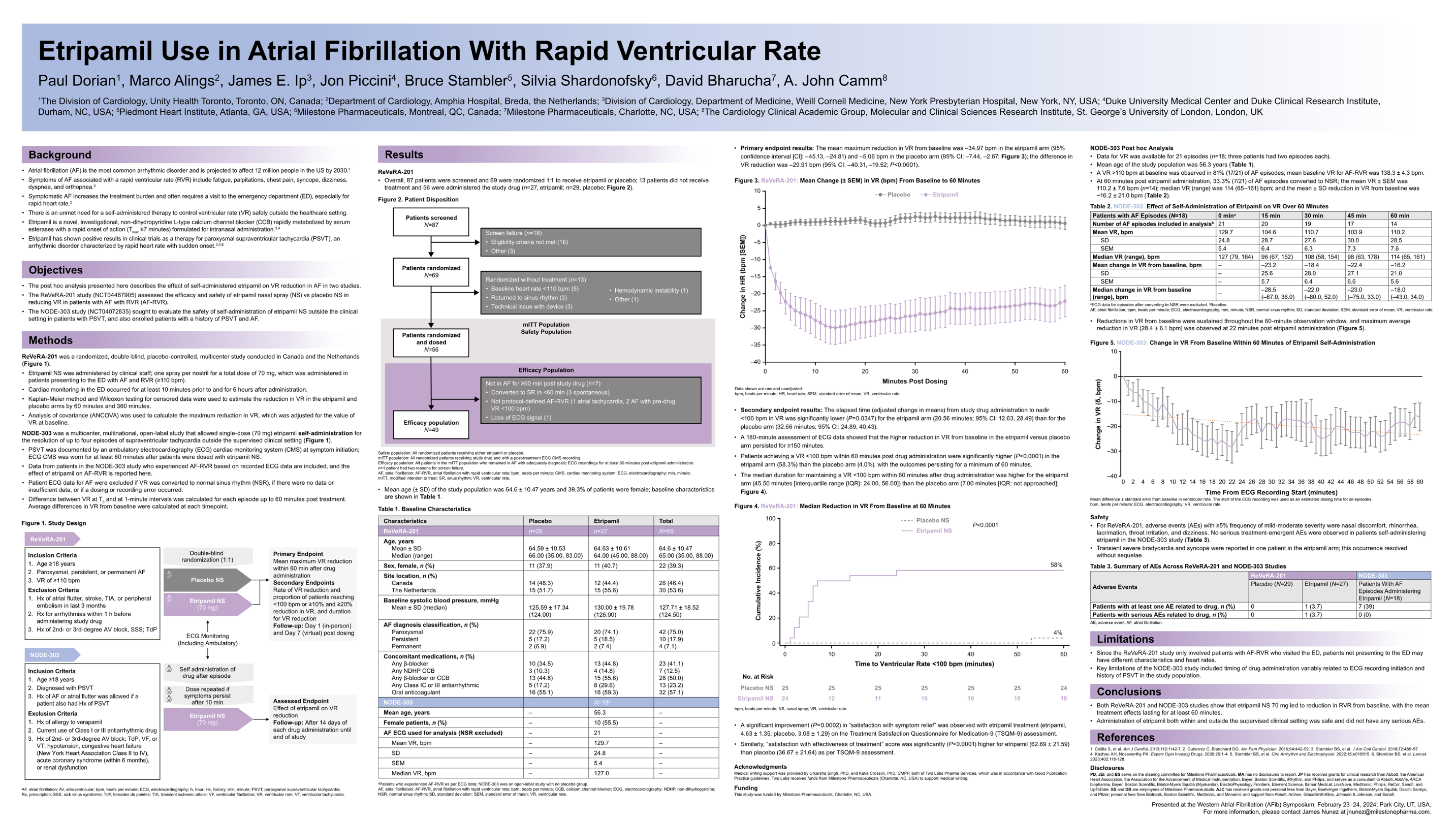
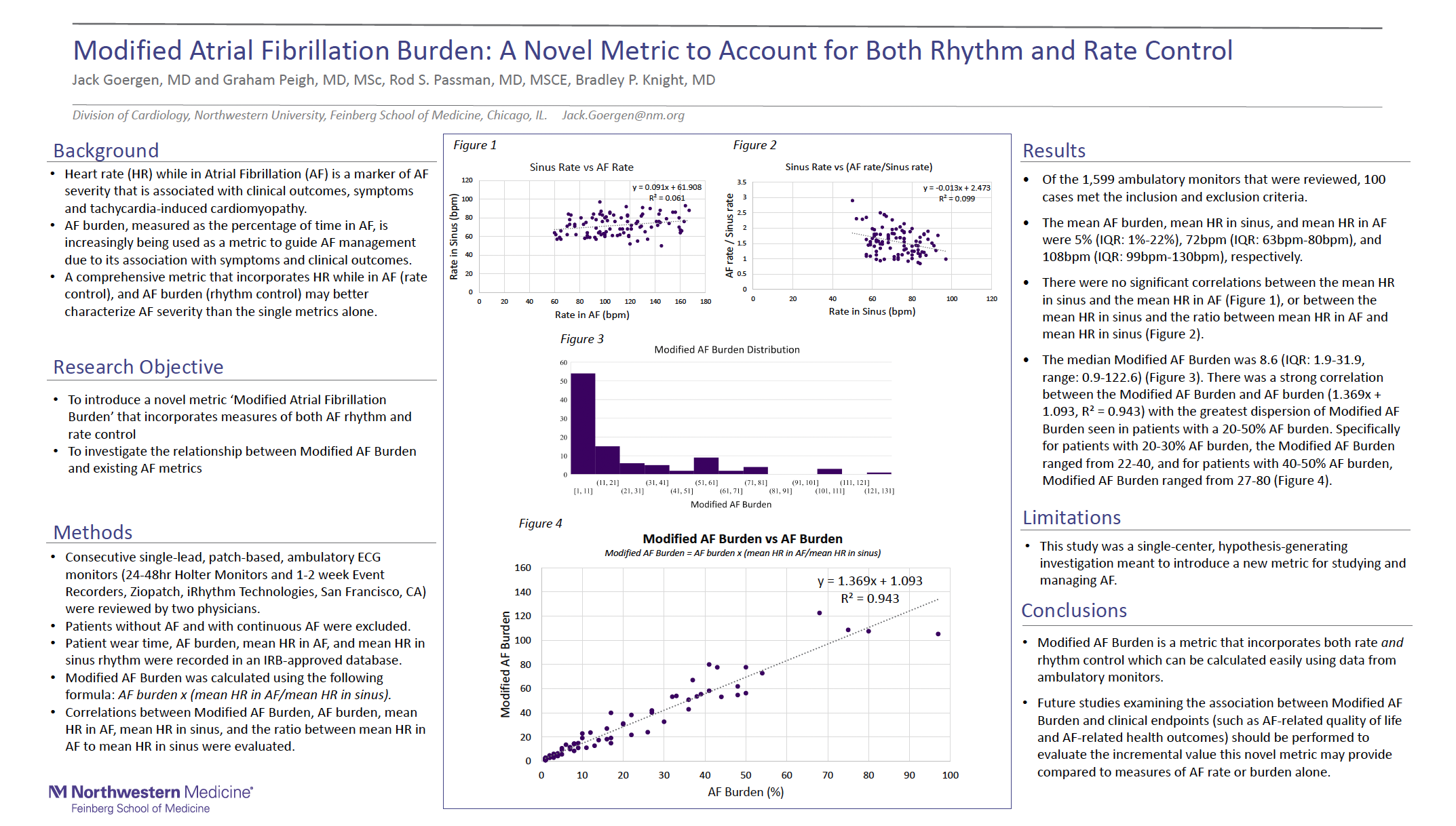
Purpose: Atrial fibrillation (AF) burden is increasingly being used as an endpoint in AF management. A comprehensive metric that accounts for the degree of both rate and rhythm cont...
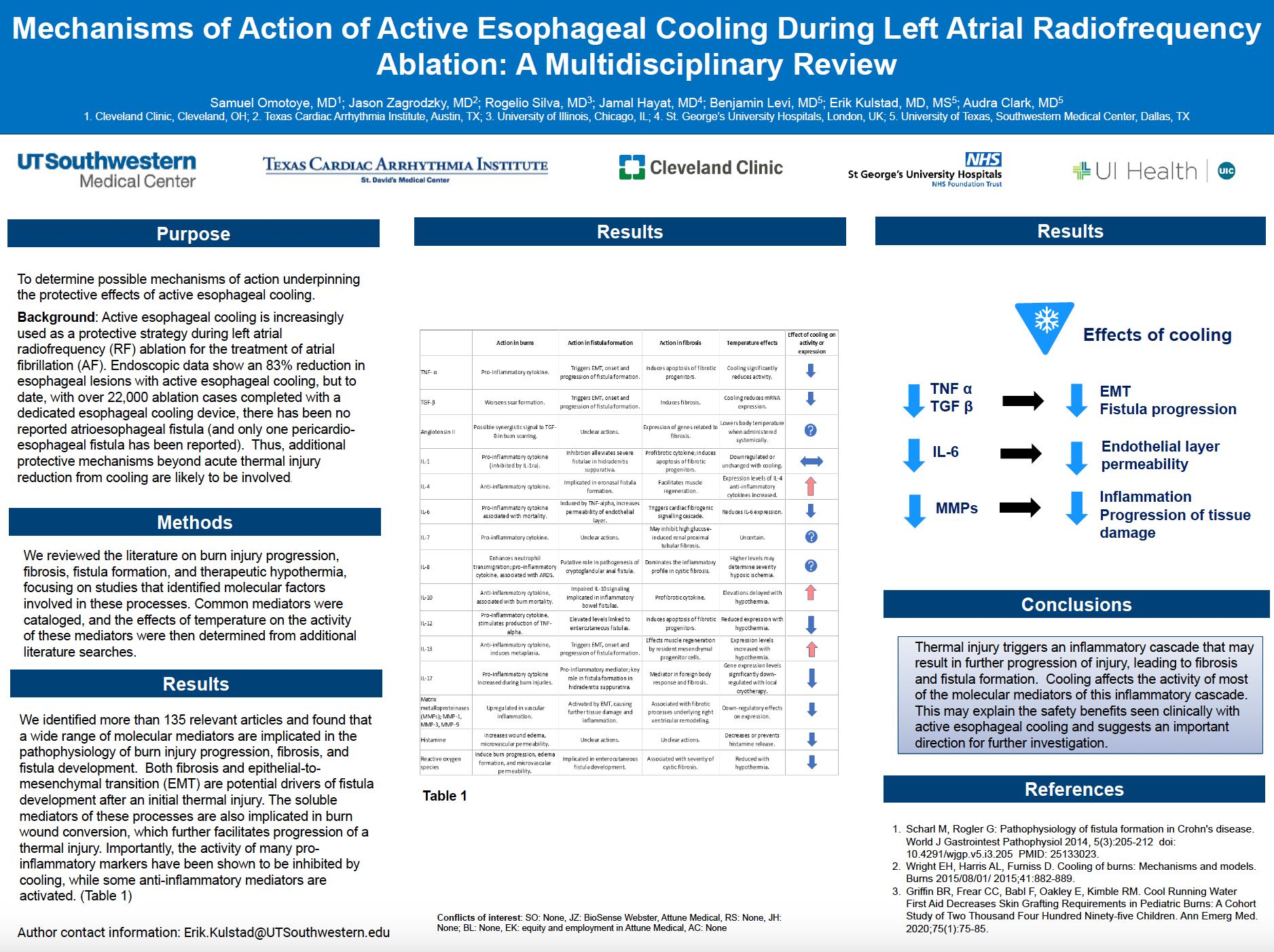
Purpose: To determine possible mechanisms of action underpinning the protective effects of active esophageal cooling. Active esophageal cooling is increasingly used as a protective ...
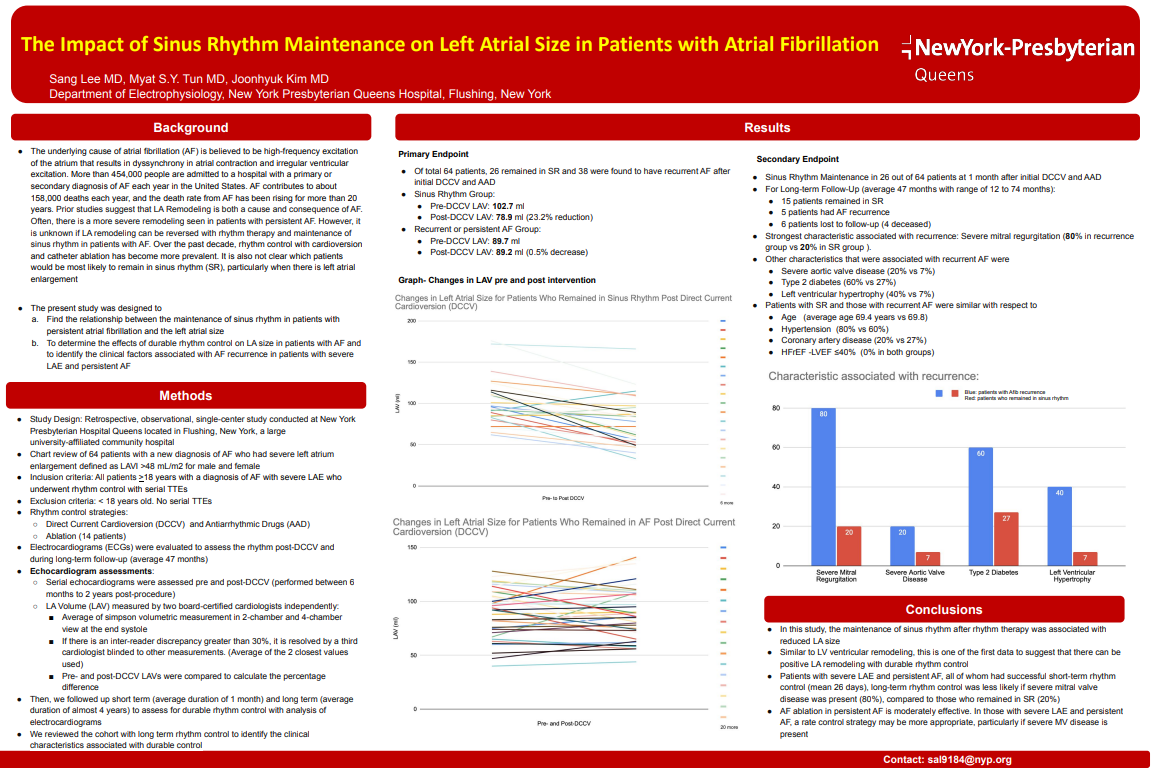
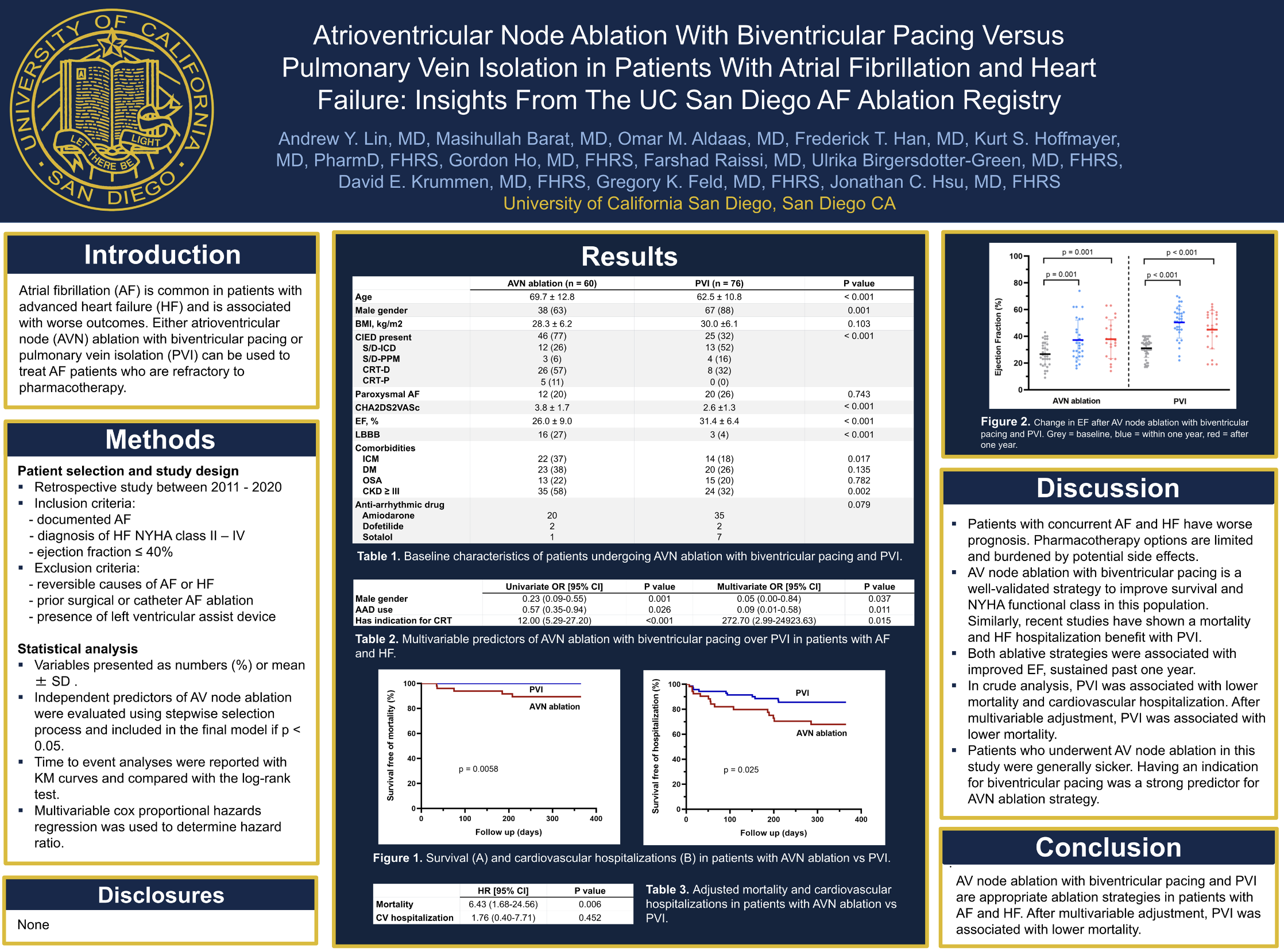
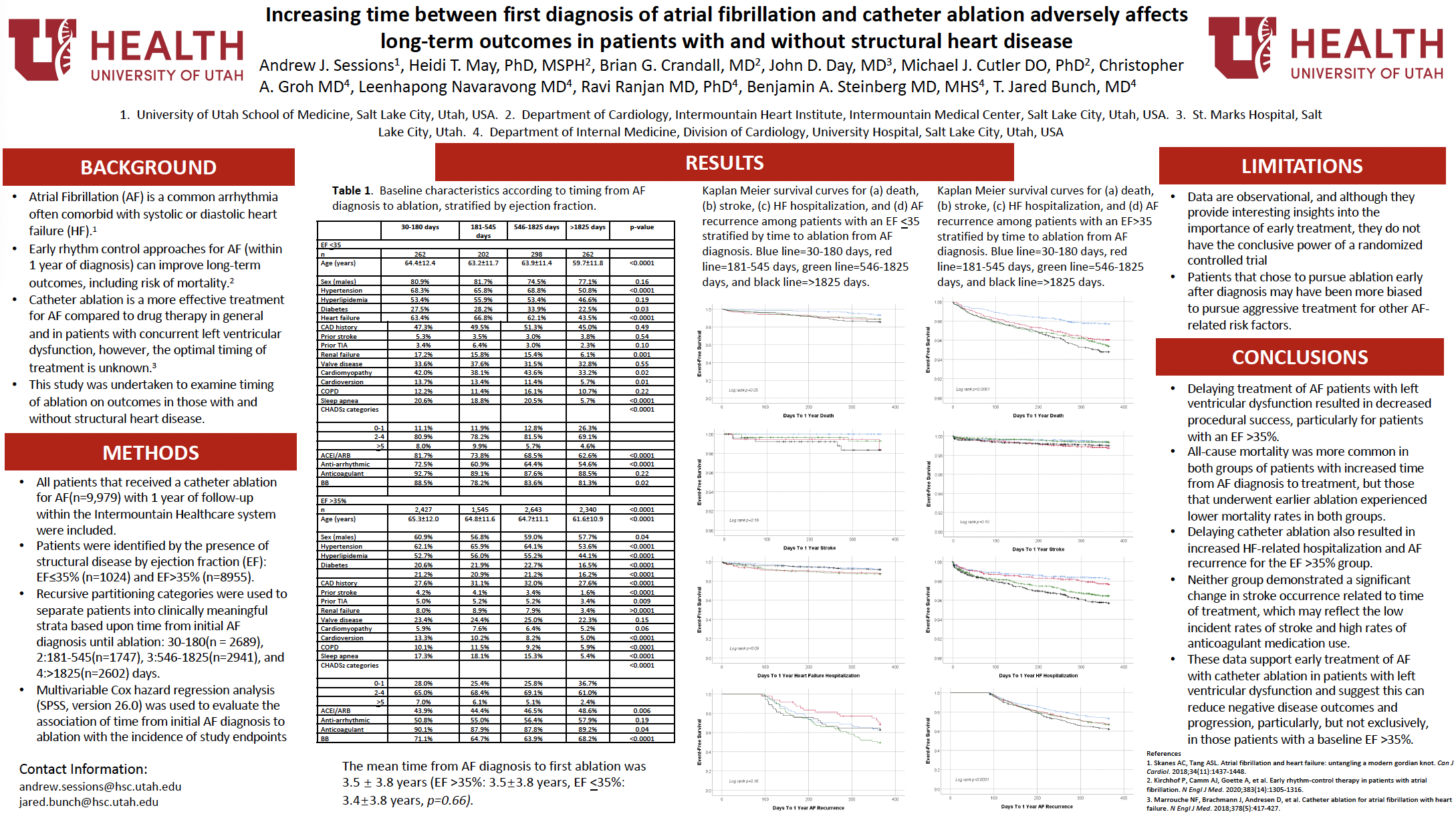
Purpose: Atrial Fibrillation (AF) is a common arrhythmia often comorbid with systolic or diastolic heart failure (HF). Catheter ablation is a more effective treatment for AF with co...
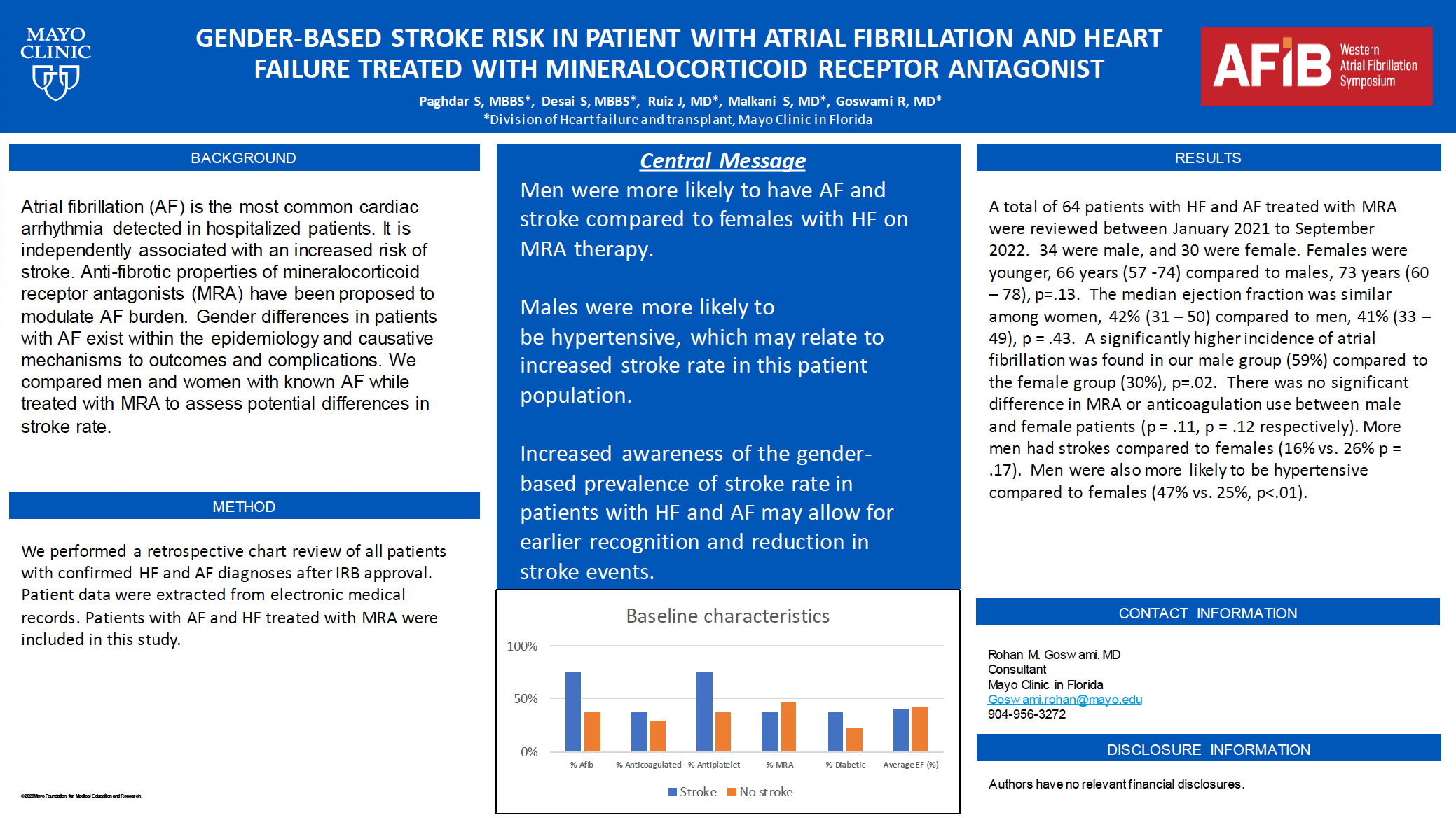
Purpose: Atrial fibrillation (AF) is the most common cardiac arrhythmia detected in hospitalized patients. It is independently associated with an increased risk of stroke. Anti-fibr...
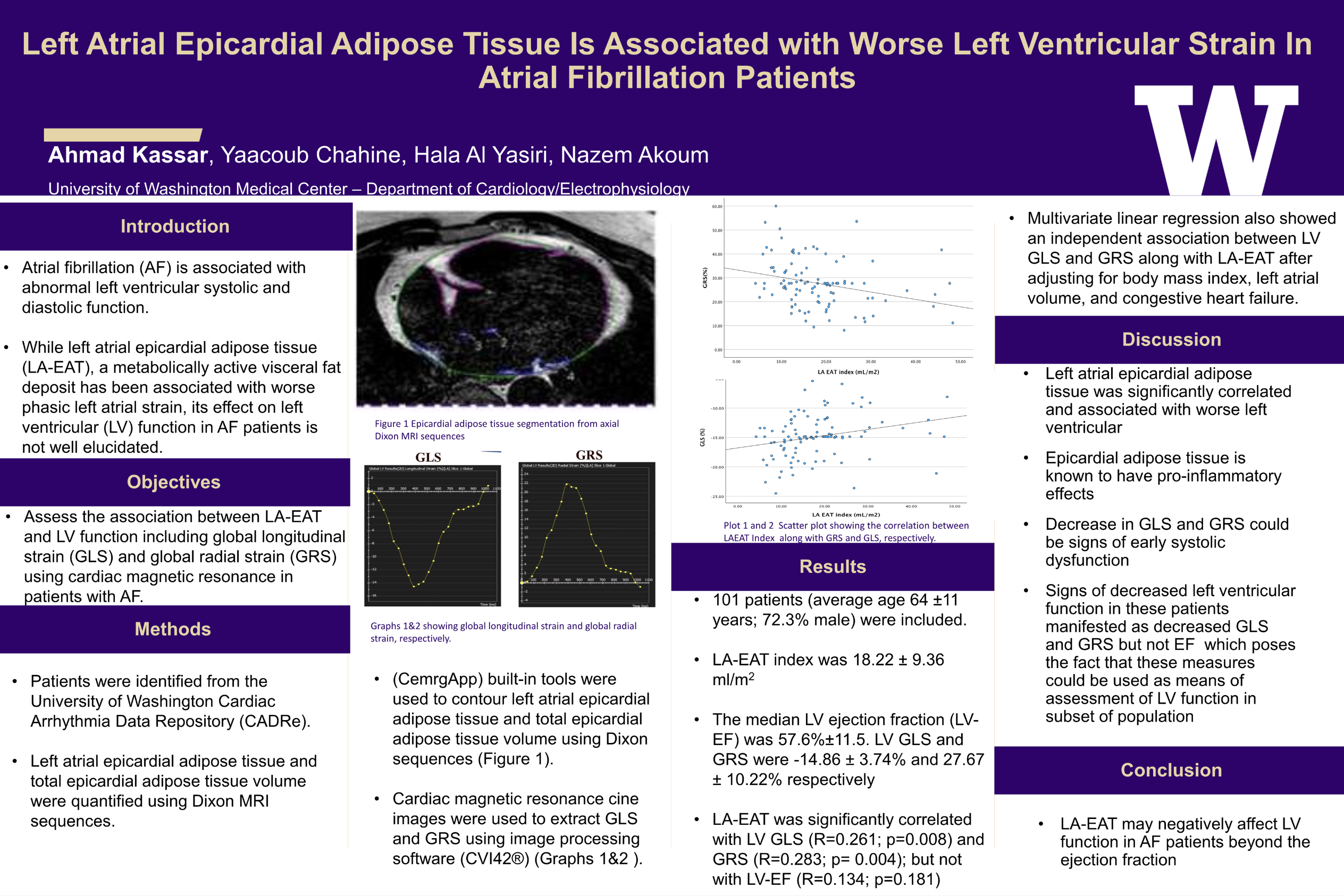
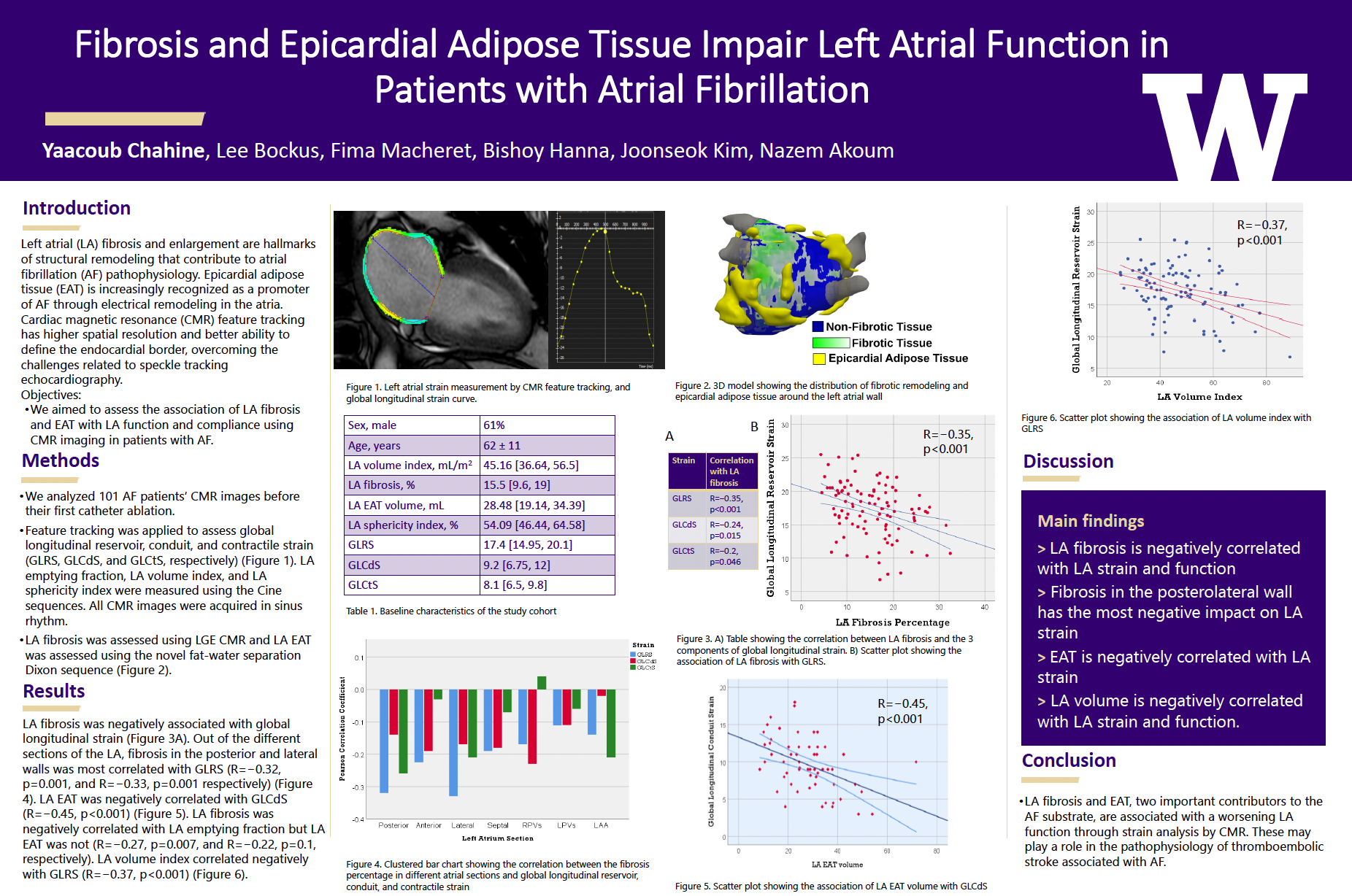
Purpose: Left atrial (LA) fibrosis and enlargement are hallmarks of structural remodeling that contribute to atrial fibrillation (AF) pathophysiology. Epicardial adipose tissue (EAT...
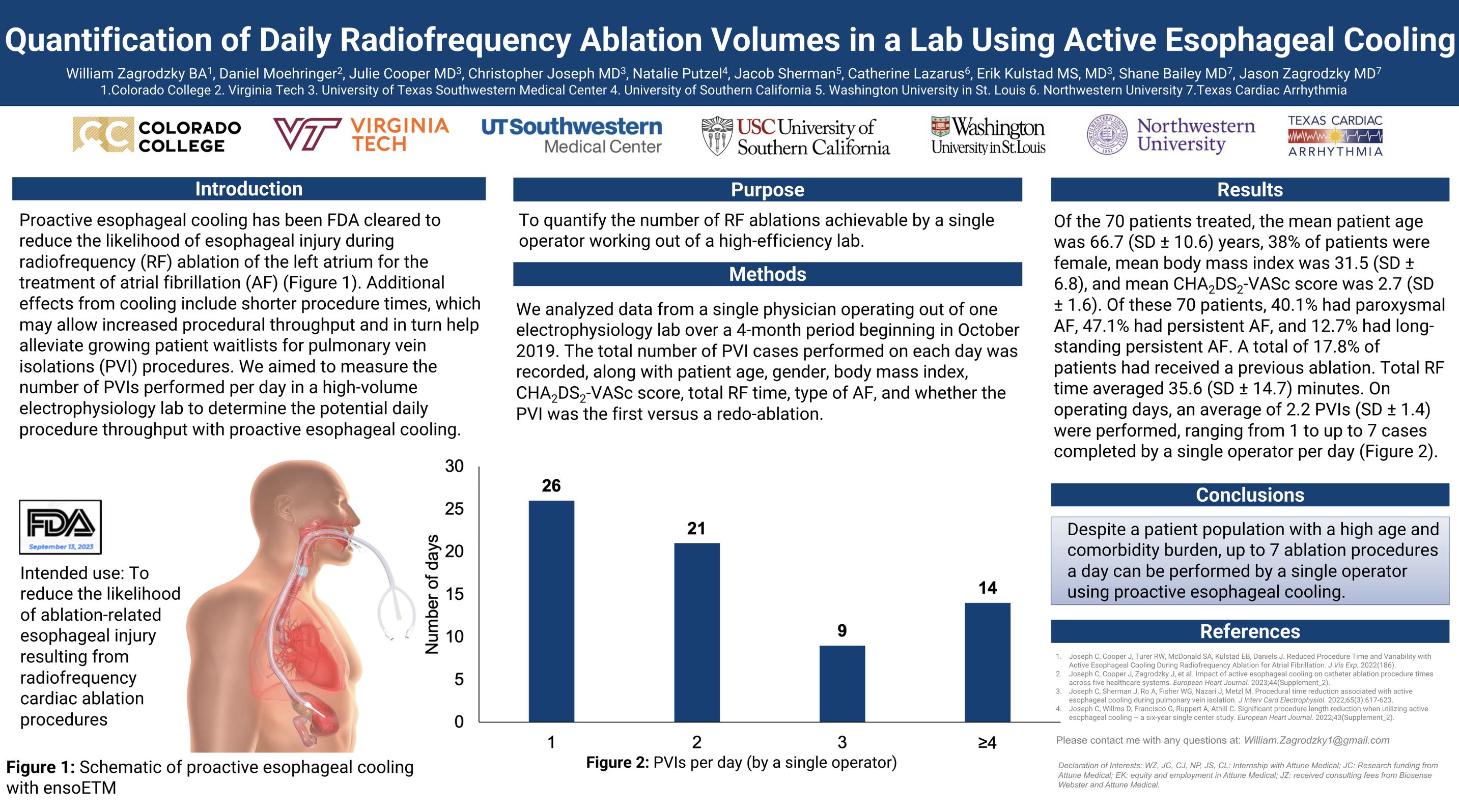
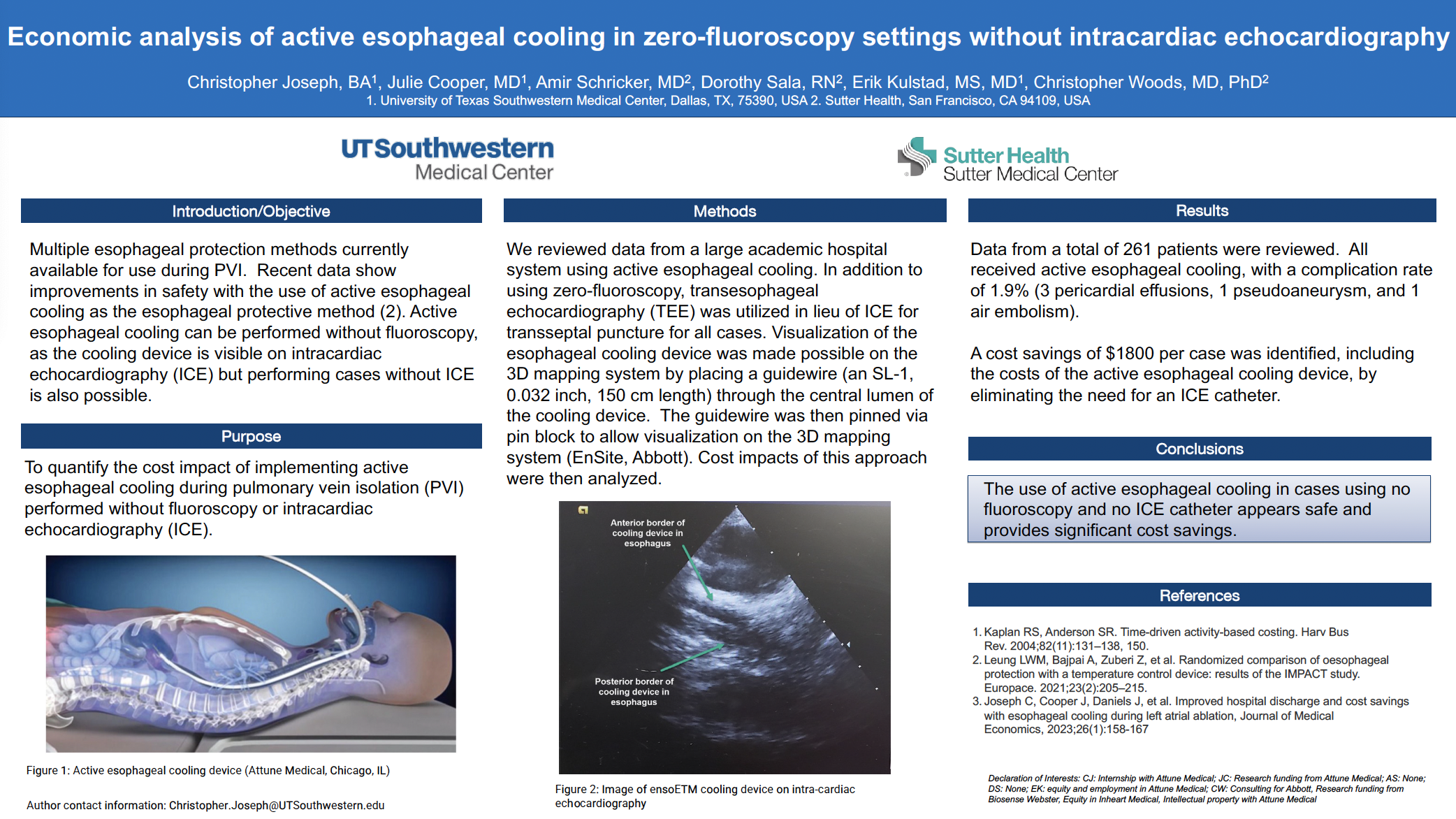
Purpose: To quantify the cost impact of implementing active esophageal cooling during pulmonary vein isolation (PVI) performed without fluoroscopy or intracardiac echocardiography (...
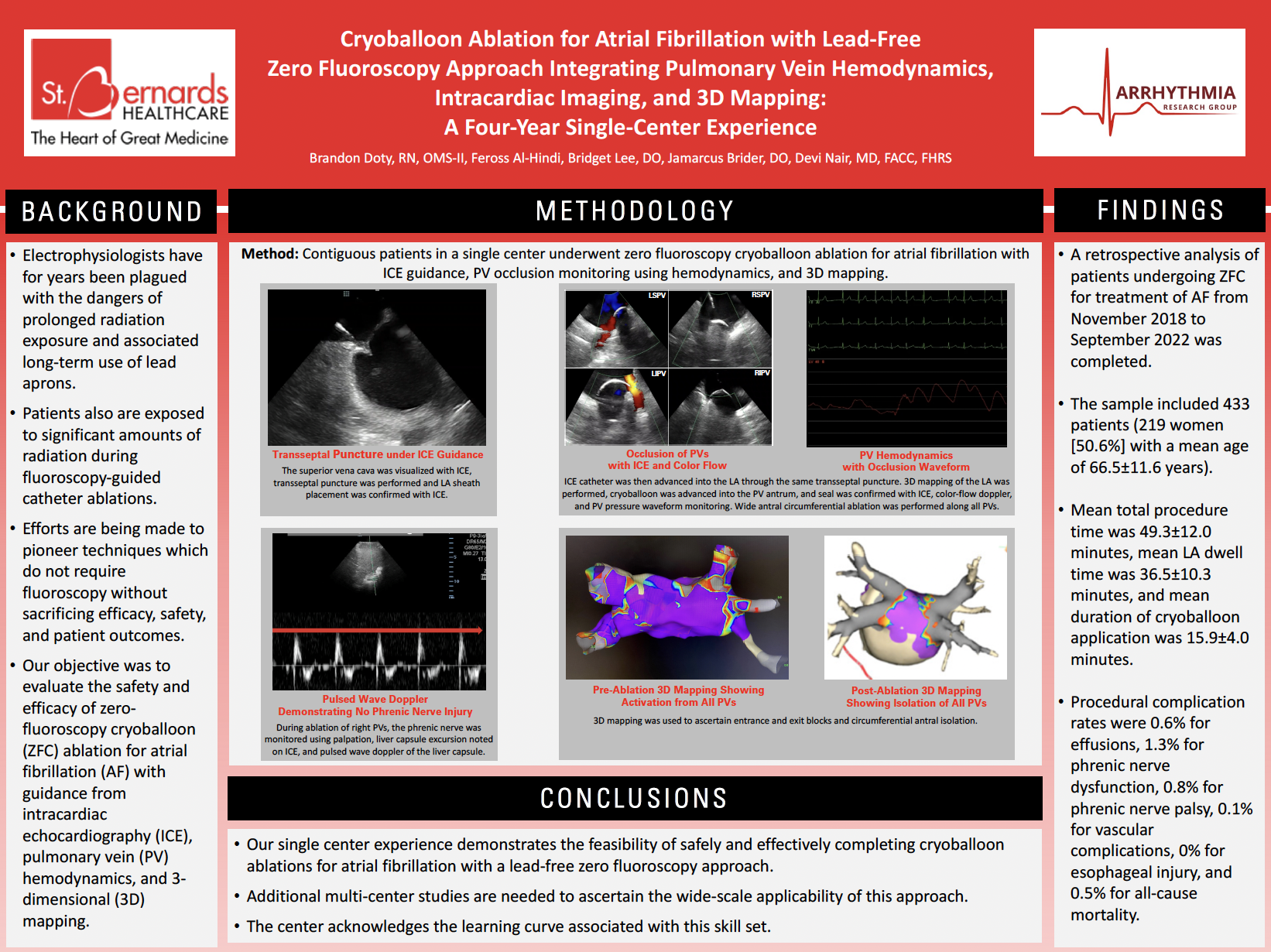
Purpose: Electrophysiologists have for years been plagued with the dangers of prolonged radiation exposure and associated long-term use of lead aprons. Patients also are exposed to ...
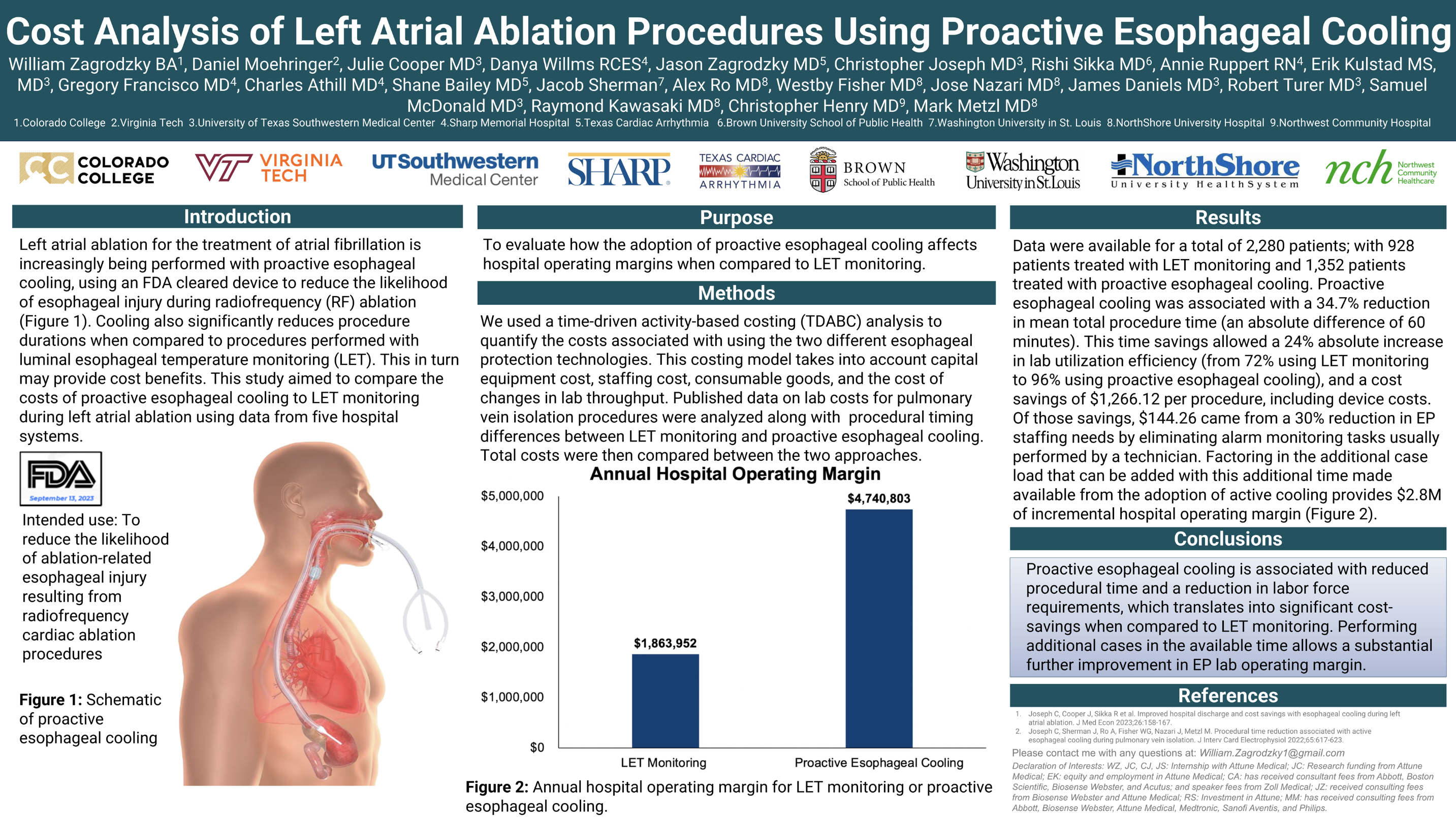
Purpose: To compare the costs of active esophageal cooling to luminal esophageal temperature (LET) monitoring during left atrial ablation in a large hospital.
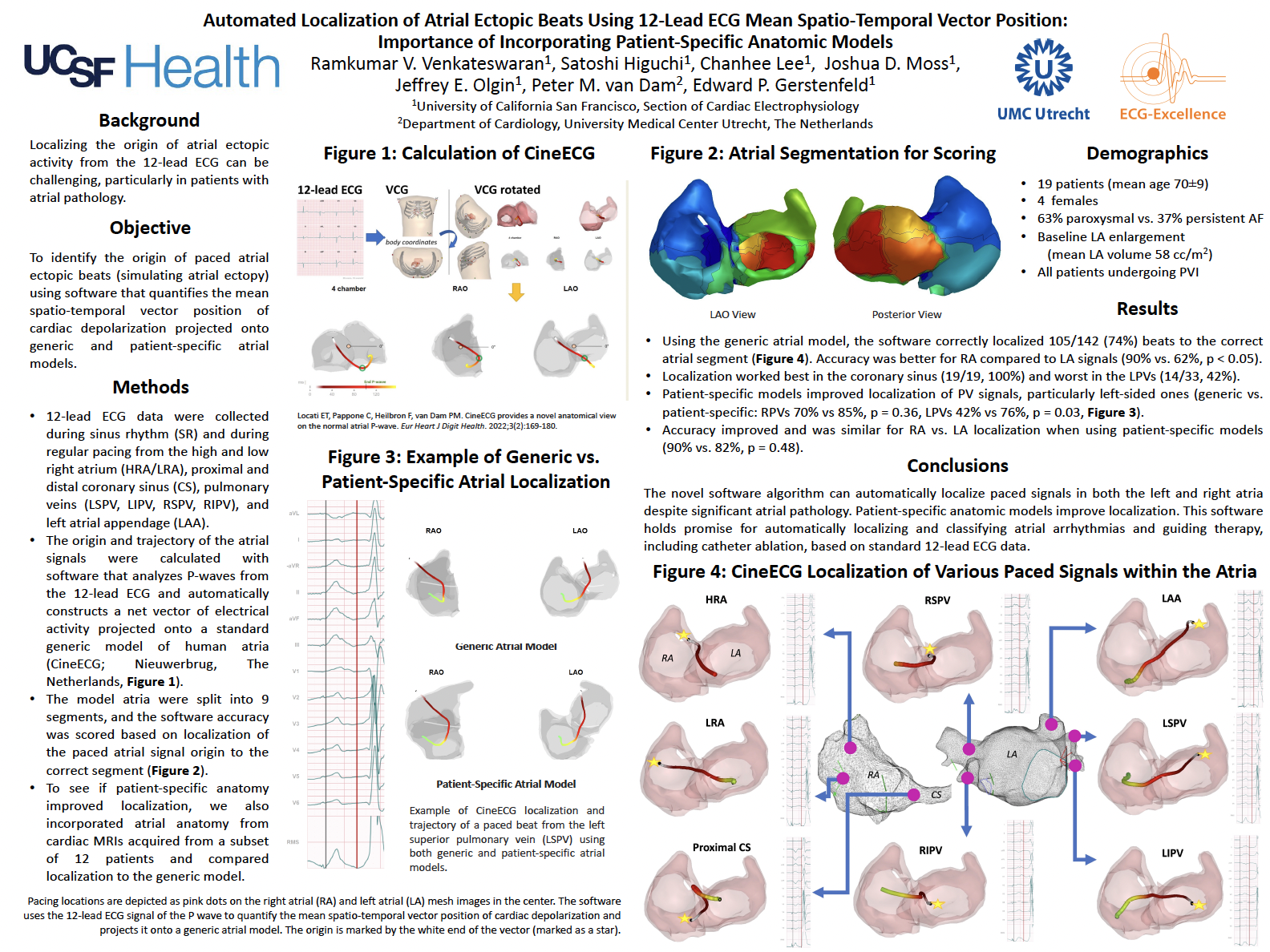
Purpose: Localizing the origin of atrial ectopic activity from the 12-lead ECG can be challenging, particularly in patients with atrial pathology.
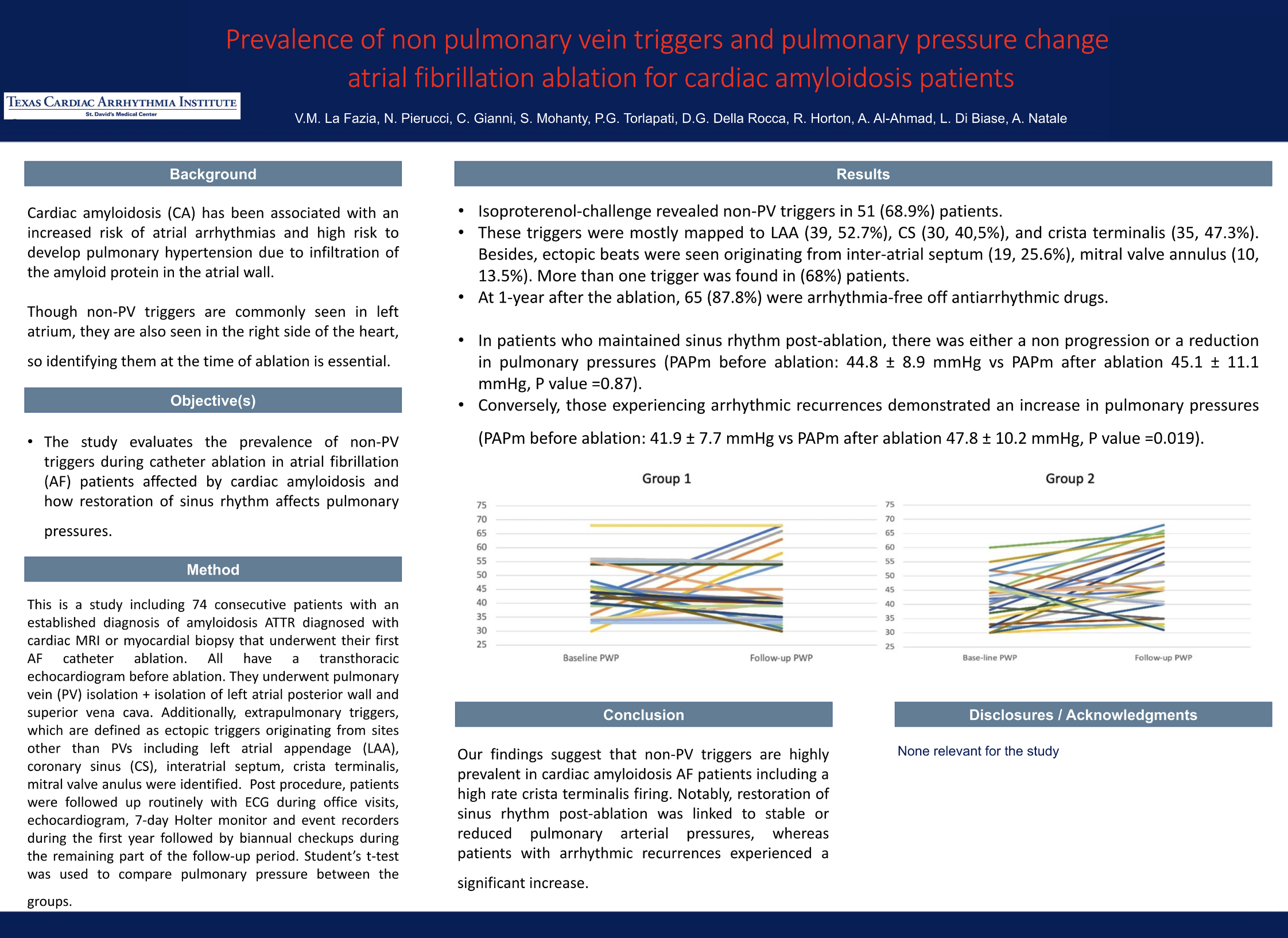
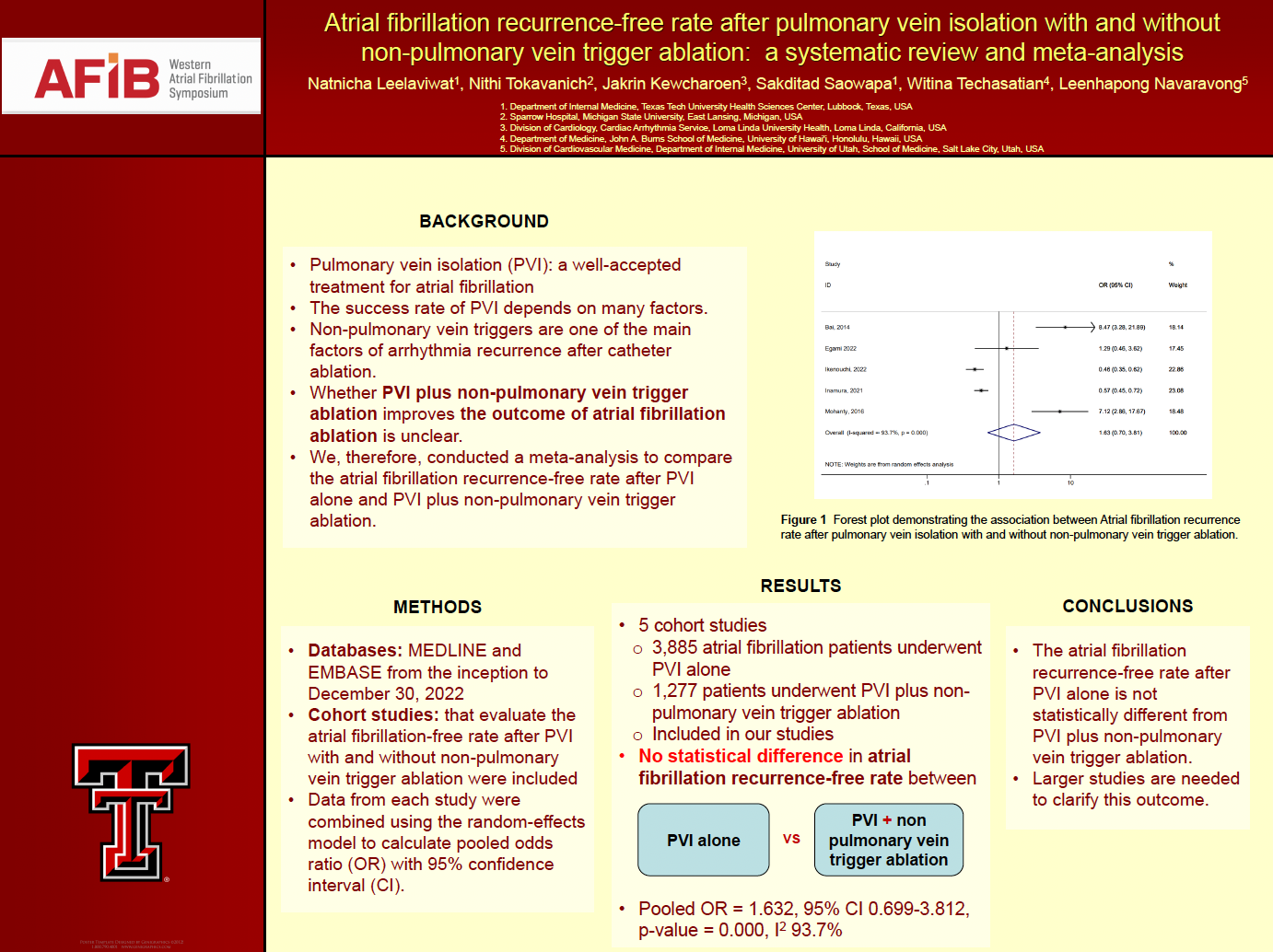
Purpose: The success rate of Pulmonary Vein Isolation (PVI) depends on many factors. Non-pulmonary vein triggers are one of the factors of arrhythmia recurrence after catheter ablat...
Purpose: Multiple chronic inflammations, infections, and autoimmune diseases are associated with higher risks of cardiovascular events. Periodontal disease is one of the most preval...
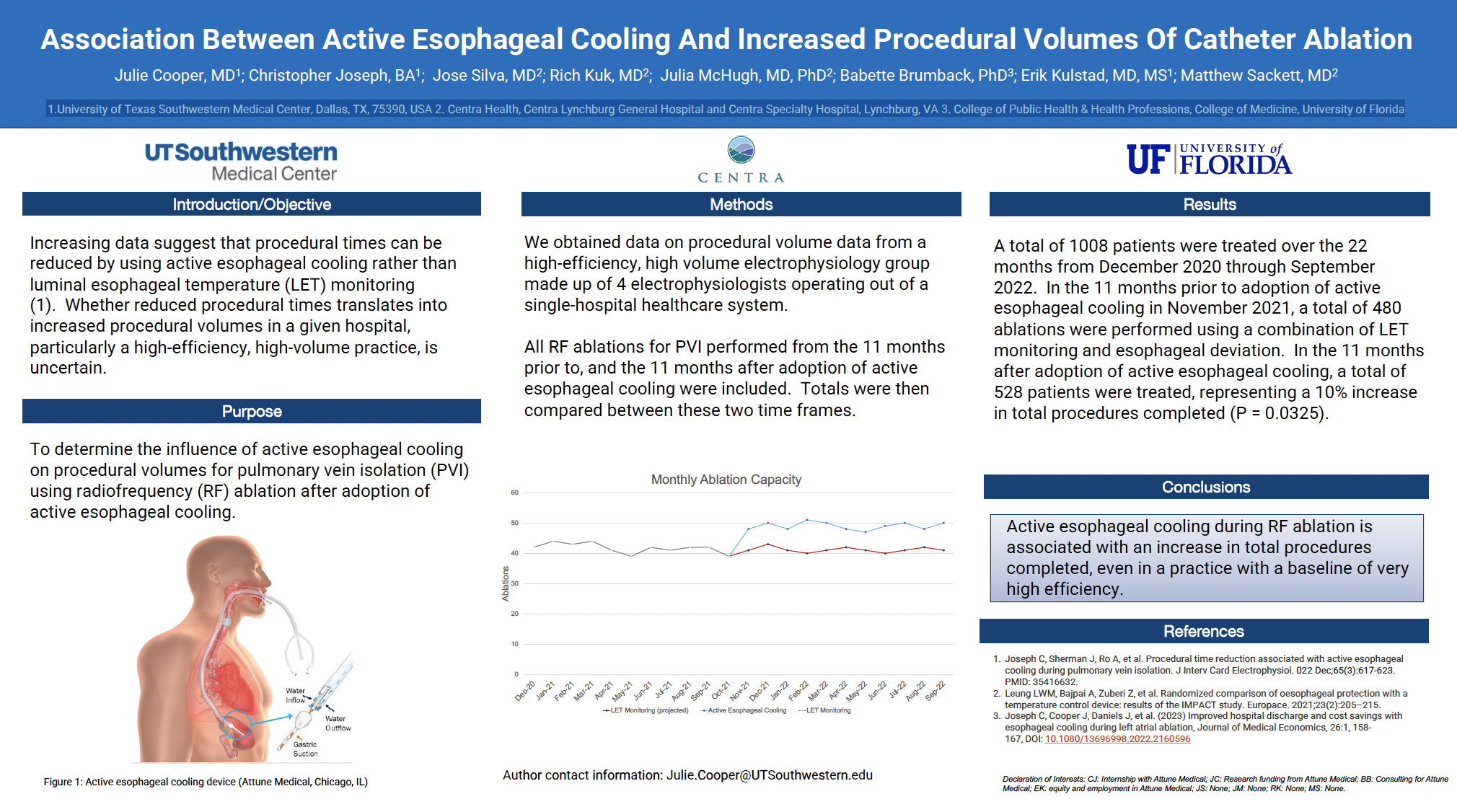
Purpose: To determine the influence of active esophageal cooling on procedural volumes for pulmonary vein isolation (PVI) using radiofrequency (RF) ablation after adoption of active...
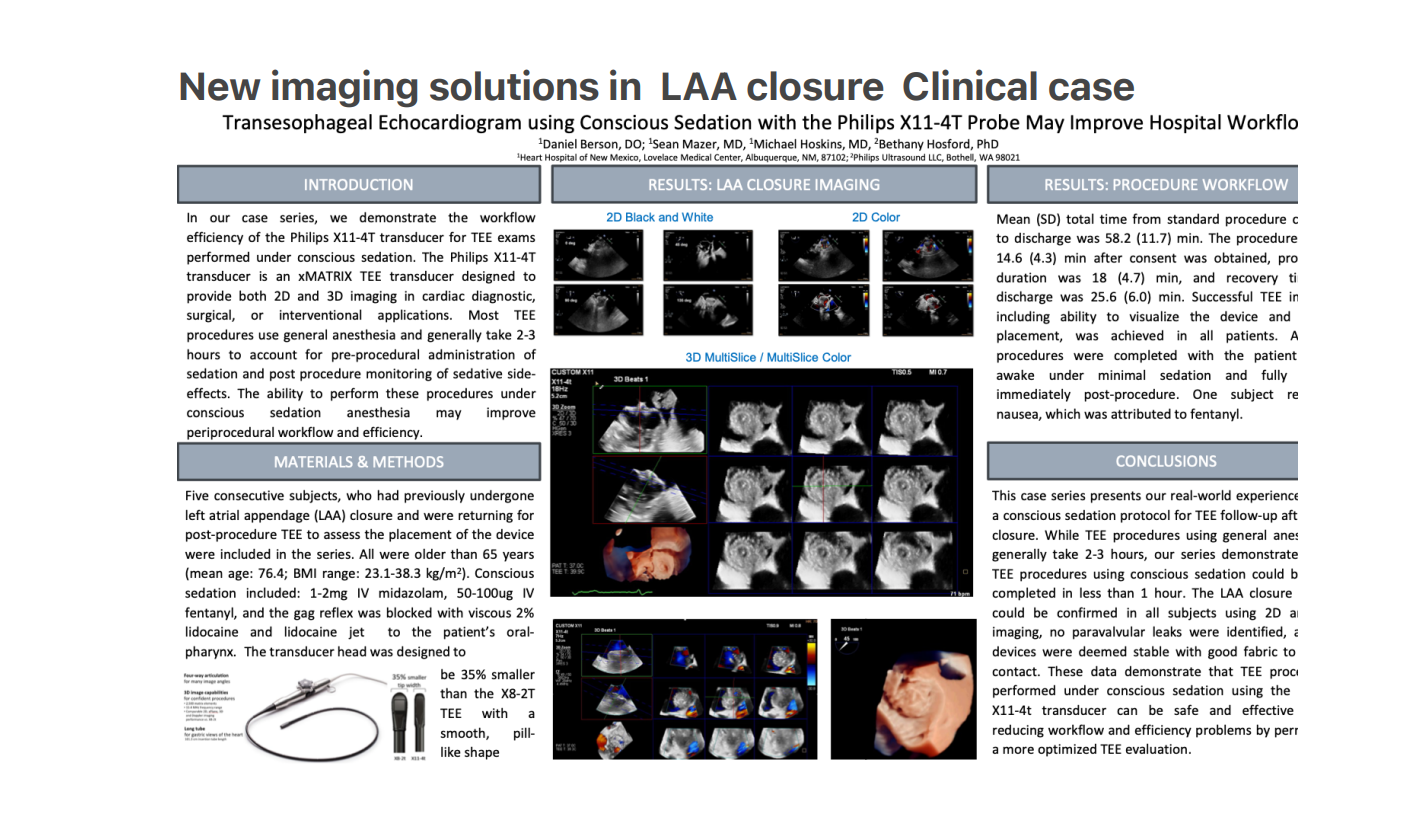
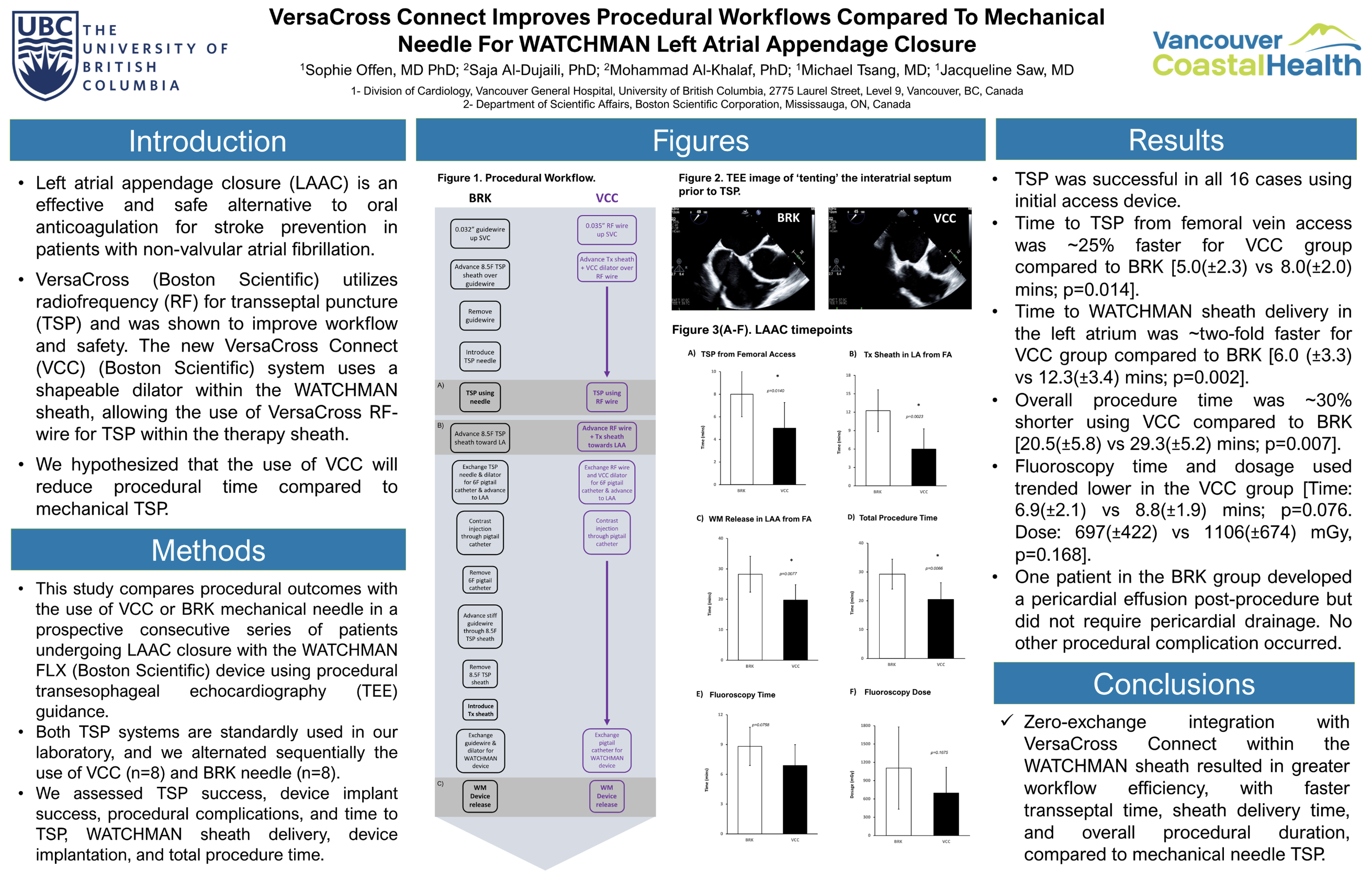
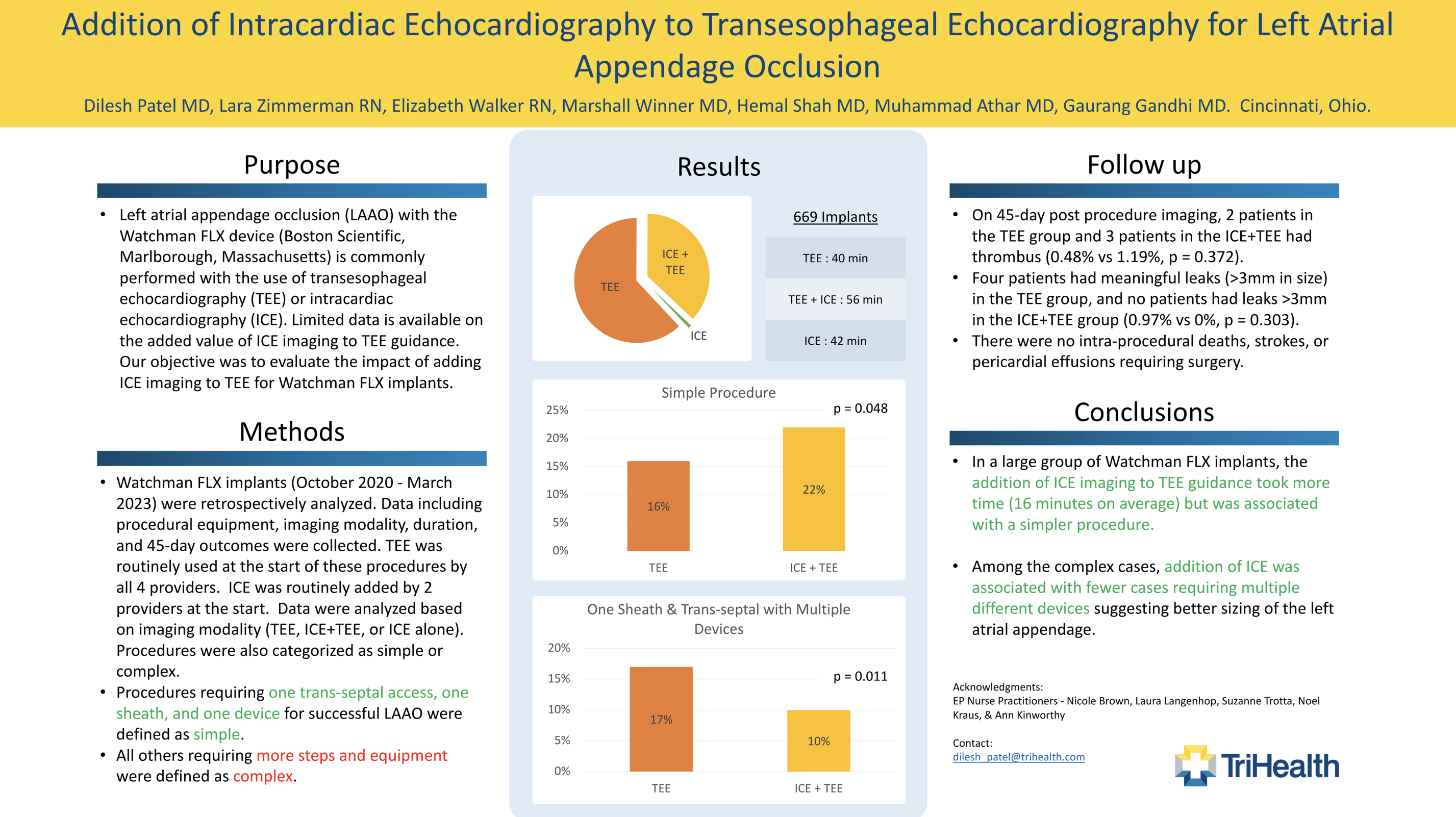
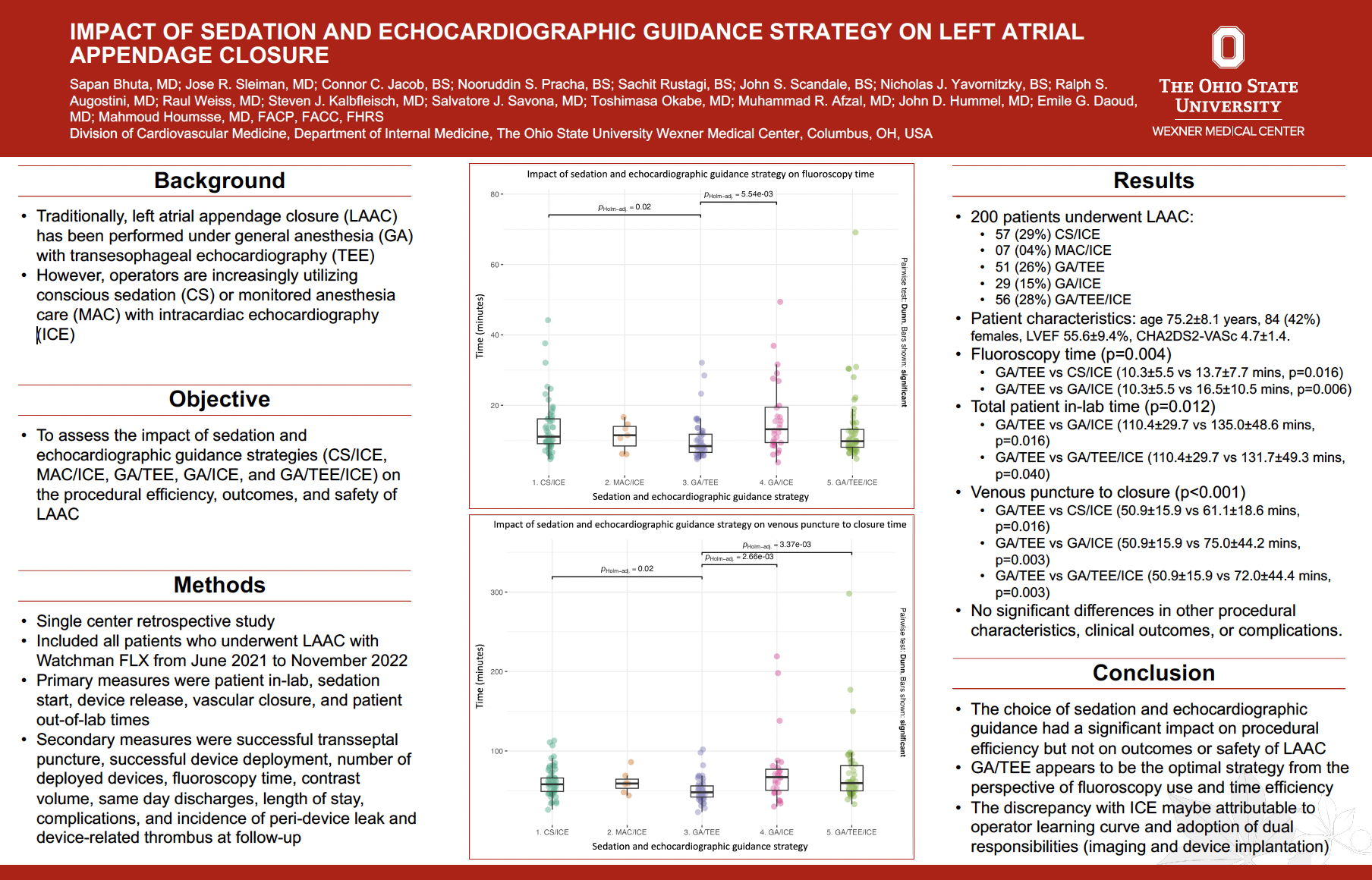
Purpose: Traditionally, left atrial appendage closure (LAAC) has been performed under general anesthesia (GA) with transesophageal echocardiography (TEE), but operators are increasi...
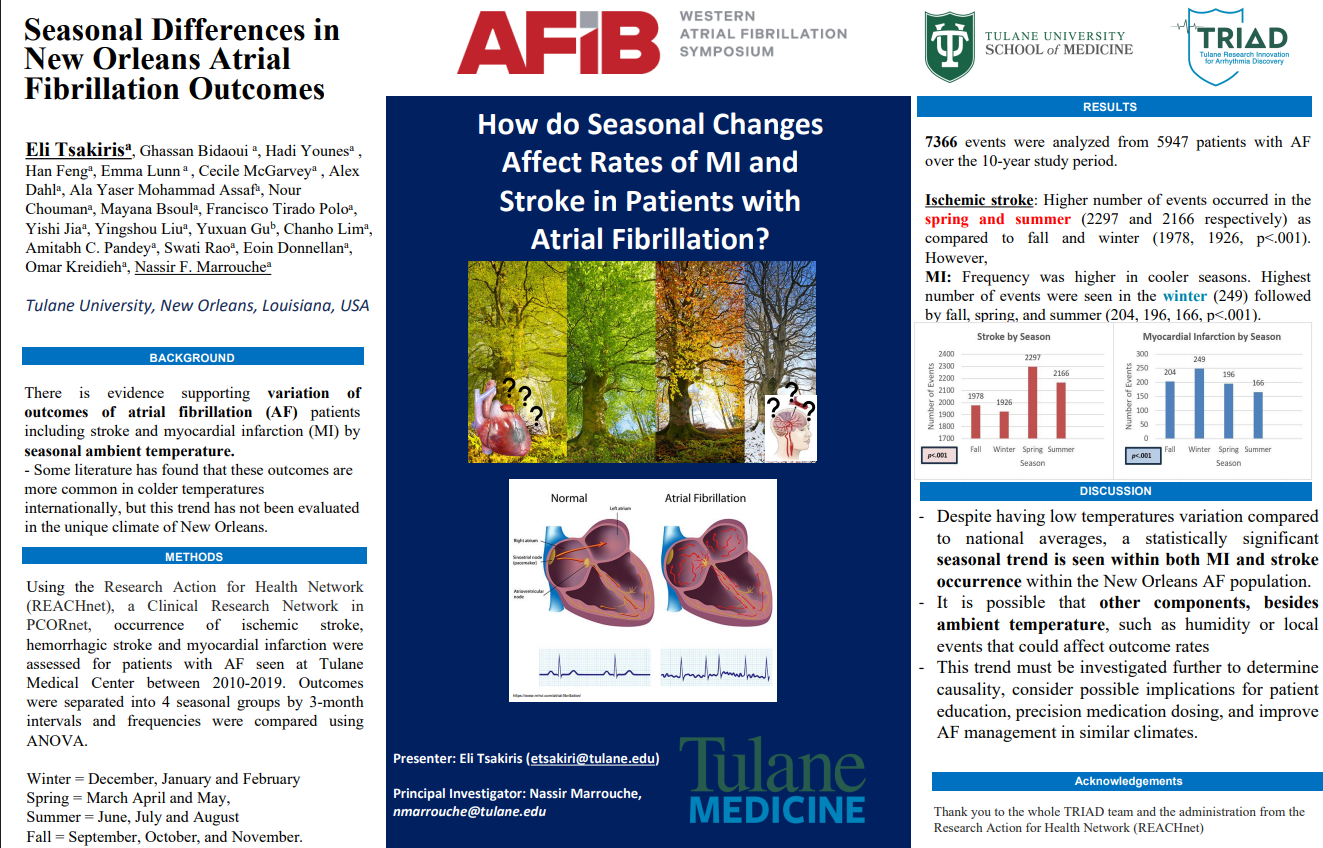
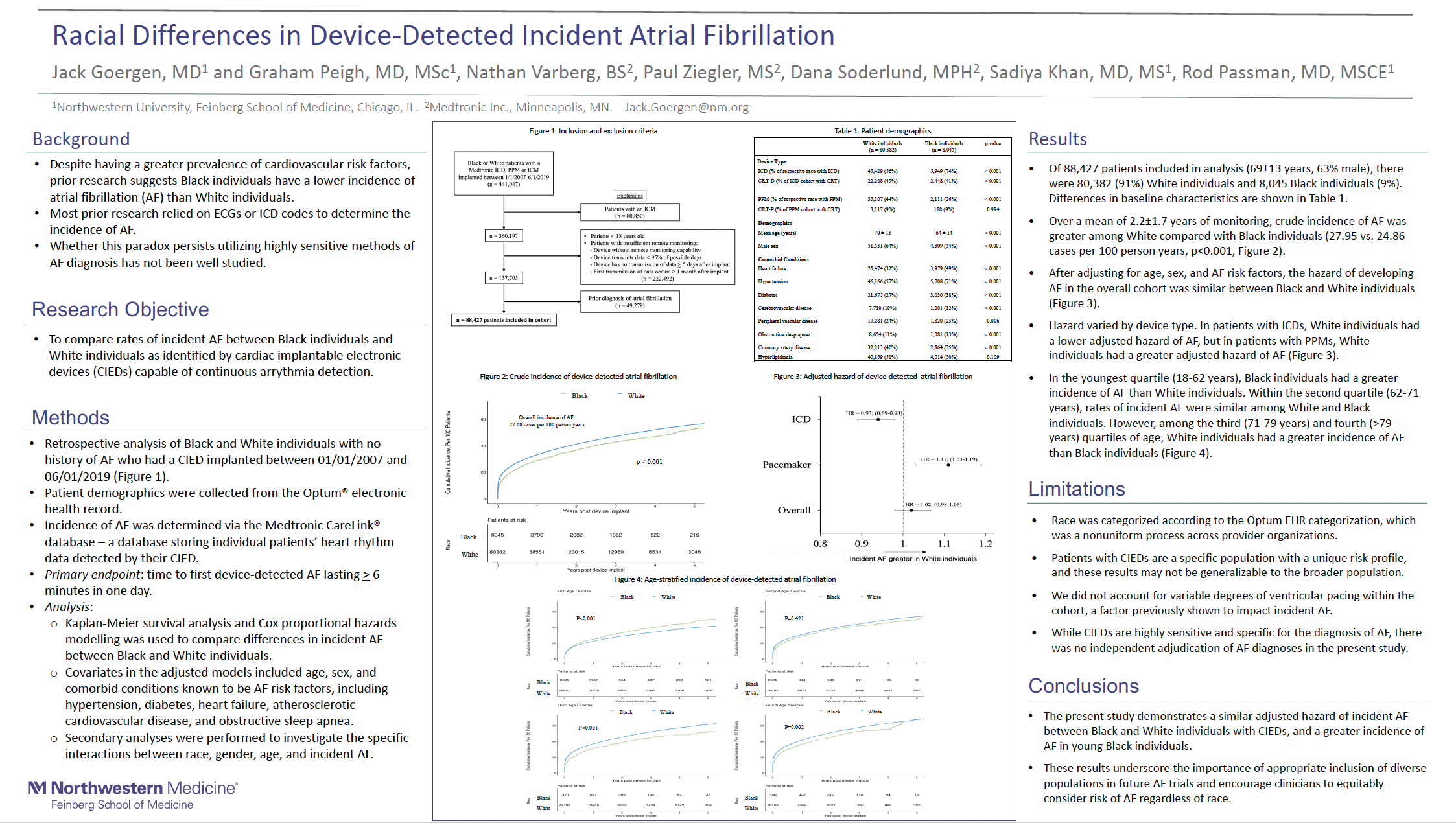
Purpose: Prior research suggests that Black individuals have a higher prevalence of cardiovascular risk factors, but lower risk of atrial fibrillation (AF) than White individuals. W...
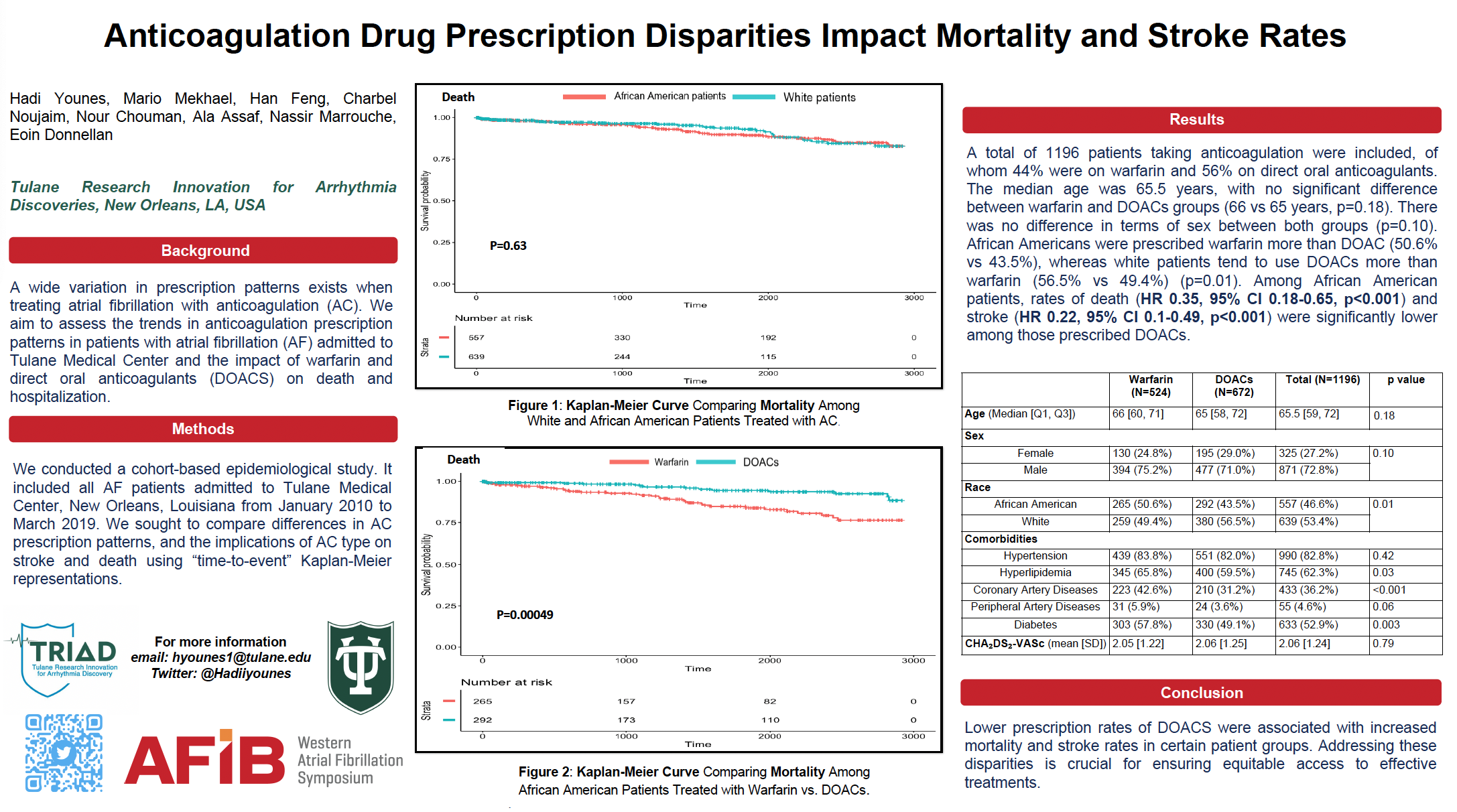
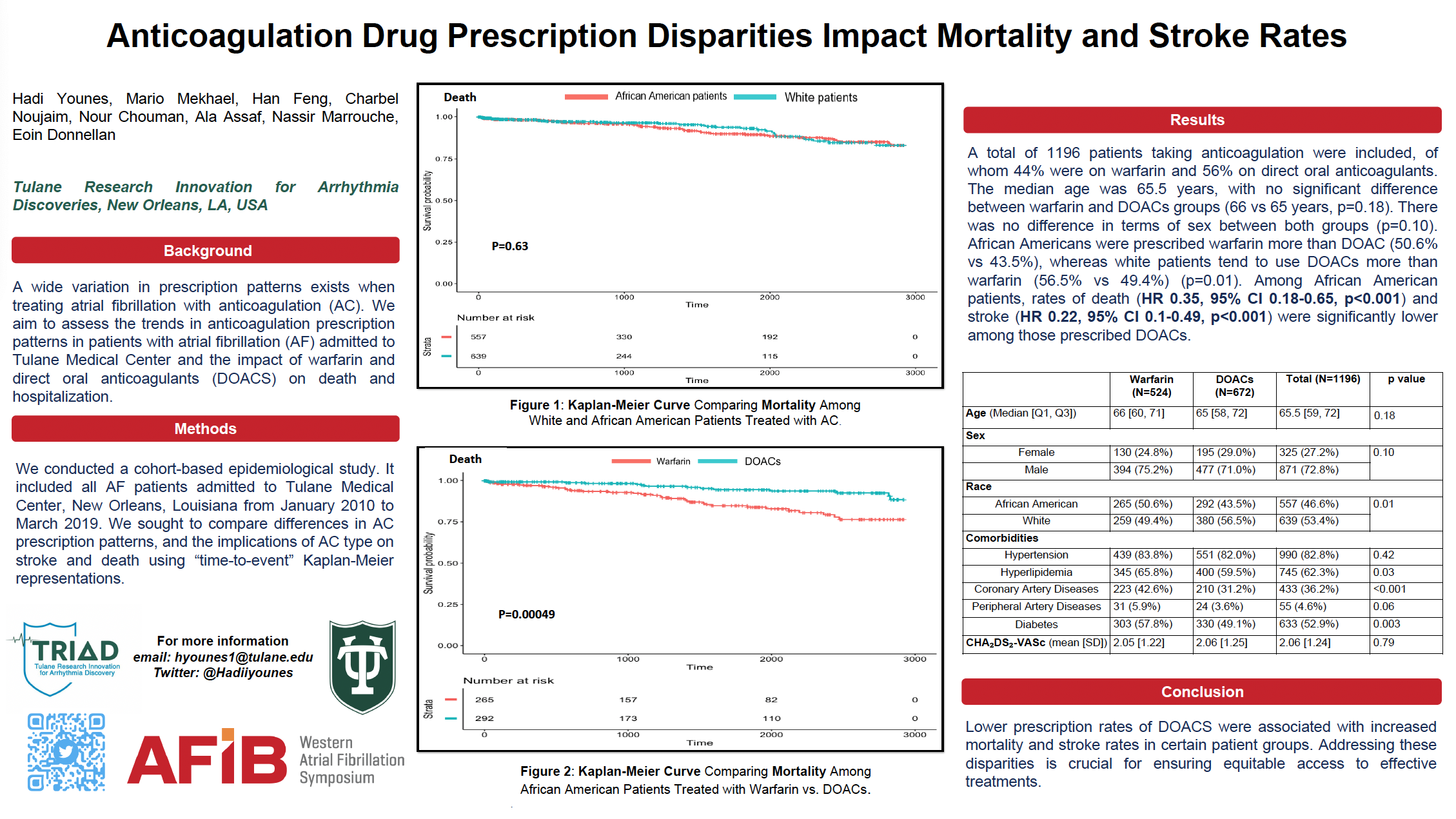
Purpose: Medication prescription patterns vary significantly according to geographic location and race. We aimed to assess the impact of race on anticoagulation (AC) prescription pa...
Save the date! February 25-27, 2027 | Salt Lake City, Utah
This internationally recognized meeting unites colleagues and cohorts in the atrial fibrillation community for state of the science education.
The program, with attendees spanning more than 25 different countries, brings together 80+ expert faculty who will discuss the latest advancements in diagnosis and treatment. The program includes challenging case studies, lightning rounds of panel discussions, and roundtables for interactive learning.
From the research lab to the post-discharge office, from the device development setting to the patient bedside, be part of an extensive meeting that supports an agenda of access and equality. Heighten your knowledge and explore new techniques that will improve the lives of patients worldwide.