Sudden Cardiac Arrest: Genetic Cause More Common in Younger People
Investigators Say Genetic Testing Can Help With Understanding Risk for Life-Threatening Condition
Investigators Say Genetic Testing Can Help With Understanding Risk for Life-Threatening Condition
Smidt Heart Institute at Cedars-Sinai Press Release
Younger people who experience sudden cardiac arrest are more likely to have a genetic cause than older people who experience it, according to new research from the Smidt Heart Institute at Cedars-Sinai. The study, published in JACC: Clinical Electrophysiology, highlights the need for widespread genetic testing to identify people at risk, the authors said.
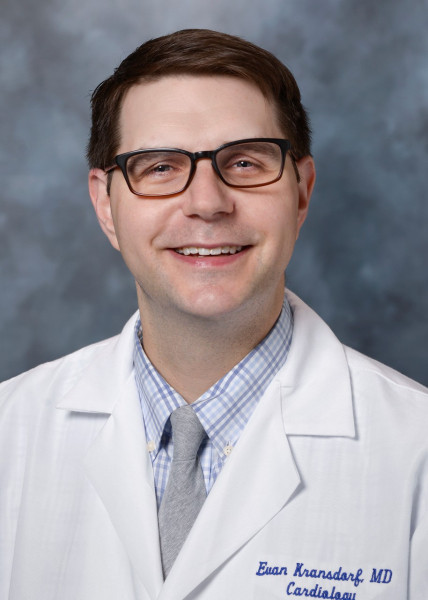
“If you have a family member who suffered sudden cardiac arrest, it is important to undergo genetic testing to determine if you harbor a genetic variant that increases your risk of sudden cardiac arrest or other heart conditions,” said Evan Kransdorf, MD, PhD, assistant professor of Cardiology in the Smidt Heart Institute and first author of the study. “For people who carry a variant linked to sudden cardiac arrest, a cardiologist can prescribe medications or lifestyle changes that can decrease the chances of experiencing this dangerous event.”
Sudden cardiac arrest, an electrical malfunction that causes the heart to beat very rapidly, is fatal in 90% of cases, according to the American Heart Association. The Cedars-Sinai Health Sciences University investigators found that 10% of people 29 and younger who have sudden cardiac arrest carry genetic variants linked with the condition.
The team analyzed blood samples from more than 3,000 people who experienced sudden cardiac arrest in Portland, Oregon, and
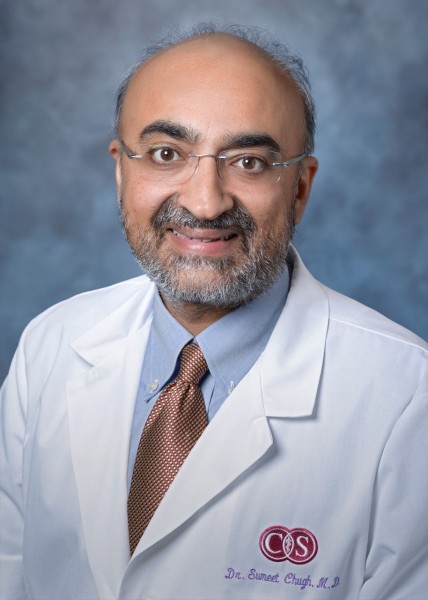
Ventura County, California. The samples came from the ongoing Oregon Sudden Unexpected Death Study and the Ventura Prediction of Sudden Death in Multi-Ethnic Communities study—both created by Sumeet Chugh, MD, director of the Center for Cardiac Arrest Prevention in the Smidt Heart Institute, to improve understanding of the condition.
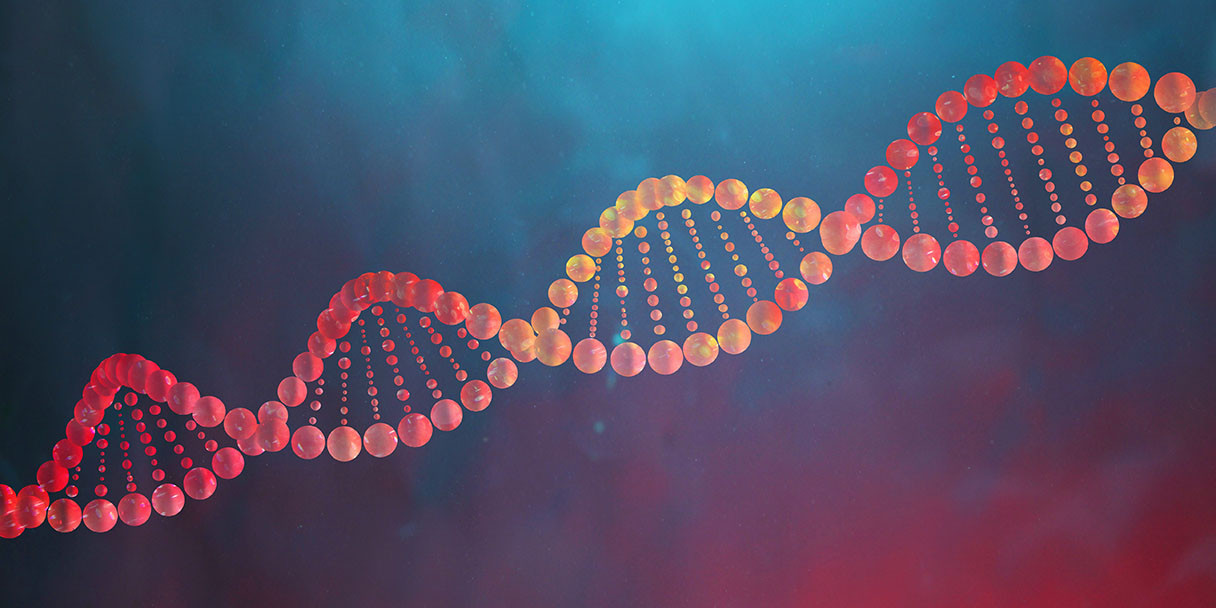
Investigators performed whole genome sequencing, which maps a person’s entire genetic code. They identified 15 genes in which damaging genetic variants can occur and disrupt the gene’s function and increase risk of sudden cardiac arrest. They found the prevalence of damaging genetic variants decreased with age:
- 10% of people age 29 and younger harbored a damaging genetic variant.
- 7% of people age 30-49 harbored a damaging genetic variant.
- 4% of people age 50-69 harbored a damaging genetic variant.
- 3% of people age 70 and older harbored a damaging genetic variant.
In older people, sudden cardiac arrest is more likely to be caused by a narrowed or blocked heart blood vessel rather than a heart condition caused by a damaging genetic variant, according to the investigators.
The investigators said more research will help uncover other genes linked to sudden cardiac arrest.
“This study is more representative of the U.S. population than other studies because it includes data from two communities rather than data from people already being seen at a medical center,” said Chugh, who is also vice dean and chief artificial intelligence health research officer at Cedars-Sinai and senior author of the study.
Additional Cedars-Sinai authors include Marco Mathias, BS; Kotoka Nakamura, PhD; Harpriya Chugh, BE, MSHS; David Nguyen, BS; Paul D. Pharoah, MD, PhD; and Kyndaron Reinier, MPH, PhD.
Other authors include Jonathan Tyrer, PhD; Zeynep Akdemir, PhD; Eric Boerwinkle, PhD; and Bing Yu, PhD.
Funding: The study was funded by The National Institute of Health, NHLBI Grants R01HL145675 and R01HL147358; NIH DHHS Contracts HHSN268201700001I, HHSN268201700002I, HHSN268201700003I, HHSN268201700004I, HHSN268201700005I.
Related Content