Altru Health System
© 2026 HMP Global. All Rights Reserved.
Any views and opinions expressed are those of the author(s) and/or participants and do not necessarily reflect the views, policy, or position of EP Lab Digest or HMP Global, their employees, and affiliates.
EP LAB DIGEST. 2026;26(10):1,14-18.
Theresia Rieger, RCIS Lead; Angela Flitter, BSN, RN; Shannon Rud, RN, Cath/EP Lab Supervisor; Angela Larson, RN, BSN, Practice Manager,
Grand Forks, North Dakota
When did the cardiac electrophysiology (EP) program start at your institution, and by whom?
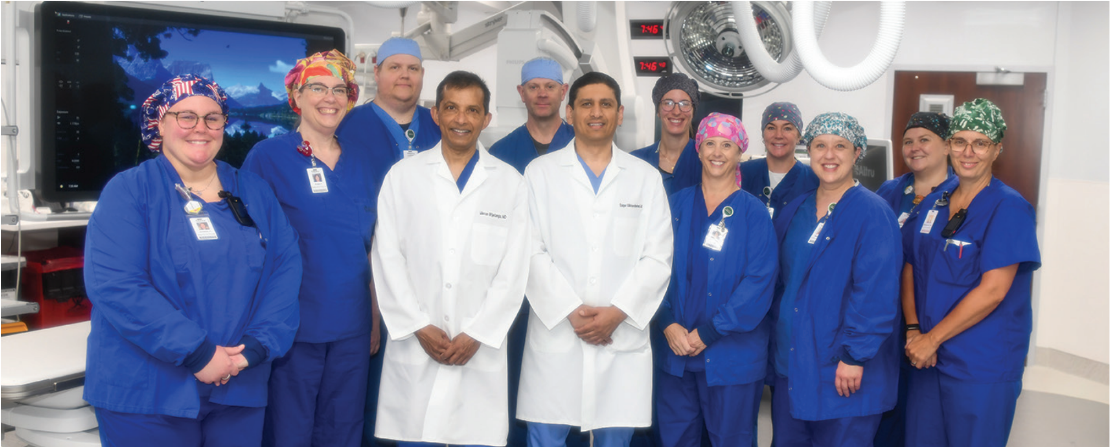
Mevan Wijetunga, MD, began his practice here 2015, driving from St Cloud, Minnesota, to Grand Forks, North Dakota, once a month for 2 days. In September 2016, he accepted a full-time position with Altru Health System, where he worked in a dedicated electrophysiology (EP) laboratory supported by 3 registered cardiovascular invasive specialists (RCISs). In 2018, we were designated specifically to support the EP program, doubling the department’s capacity and expanding access to specialized EP services. In January 2026, Saqer Alkharabsheh, MD, joined our staff to meet the needs of a growing population of patients requiring arrhythmia management.
What drove the need to implement an EP program?
In North Dakota, 39% of the population lives in non-metropolitan areas. With the growing incidence of atrial fibrillation (AF), an EP clinic and lab were needed to provide local arrhythmia care and reduce travel distances for patients.
What is the size of your EP lab facility? Has the EP lab recently expanded in size?
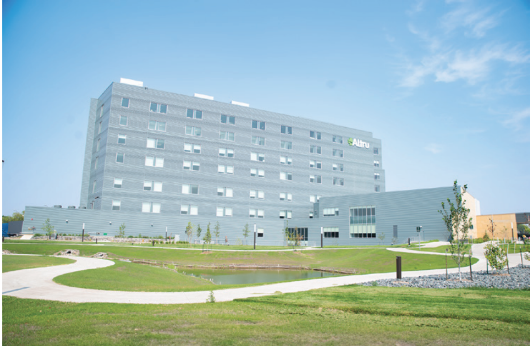
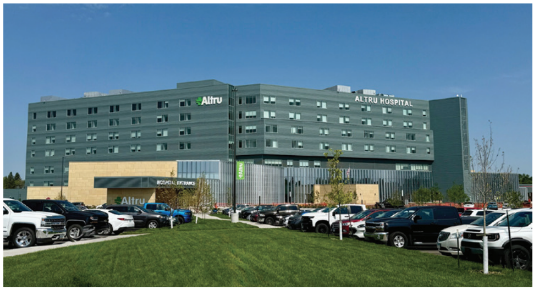
In 2025, Altru Hospital opened a brand-new facility, with 2 dedicated EP rooms for our growing program.
Who manages your EP lab, and what is the mix of credentials and experience?
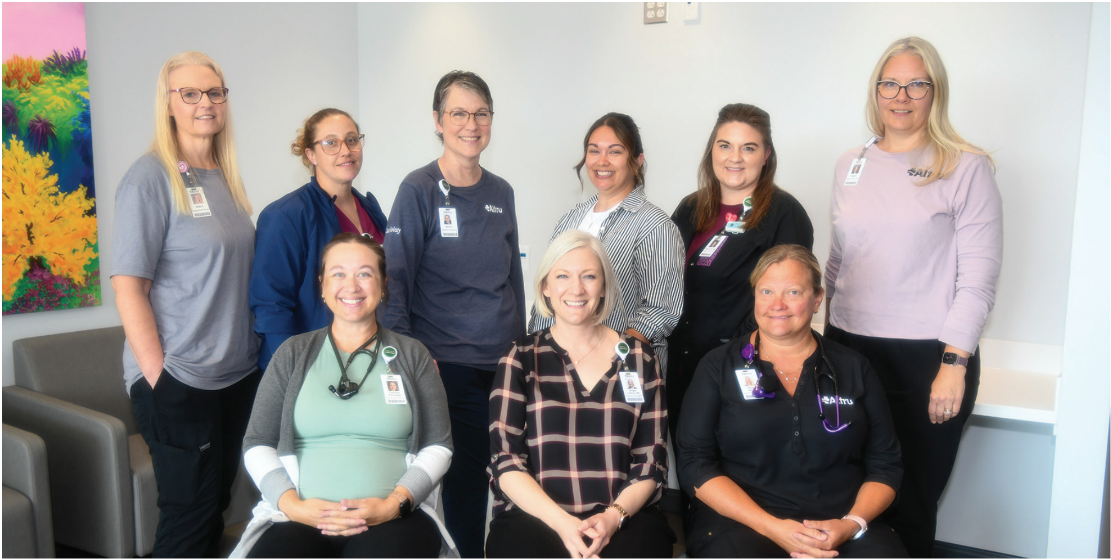
The EP laboratory is managed by our supervisor, Shannon Rud, RN, BSN, who has 23 years of nursing experi-ence. Shannon is supported by our manager, Angie Larson, RN, BSN, who brings 24 years of nursing expe-rience and guides the clinical and procedural growth of our program. With the support and leadership of our electrophysiologist, Dr Wijetunga, we have been able to build and advance our program at Altru Hospital. Dr Wijetunga has been instrumental in developing and launching the program and continues to be one of its strongest advocates. His enthusiasm for innovation, commitment to our patients, and continued push to bring new technology and advanced treatment options to Altru have been invaluable to the growth and success of our program. With Dr Alkharabsheh joining our EP team this year, we are incredibly fortunate to have someone with such a wealth of knowledge, experience, and expertise. His fellowship training at Cleveland Clinic has provided him with an exceptional foundation in EP, and we look forward to the experience and perspective he will bring to our program. We are excited to welcome him to the team, and we are grateful for the opportunity to learn from his expertise as we continue to grow and advance our EP services and, most importantly, provide the best possible care for our patients.
What is the number of staff members?
Our EP team consists of 2 physicians, 3 advanced practice providers (APPs), a lead RCIS, and 5 cardiovascular technologists (CVTs) who hold registered cardiac electrophysiology specialist (RCES), registered technol-ogist in radiography [RT(R)], RCIS, and registered respiratory therapist (RRT) credentials. Together, they bring a combined 99 years of experience. Our procedural nursing staff has expanded to include 3 regis-tered nurses (RNs) and 1 RN/BSN, who have a combined 54 years of experience, including 20 years dedi-cated to cardiology. The team also includes a dedicated care coordinator, clinical nurses, registered car-diovascular specialists, and cardiac rhythm management nurses in the device clinic.
What type of procedures are performed at your facility?
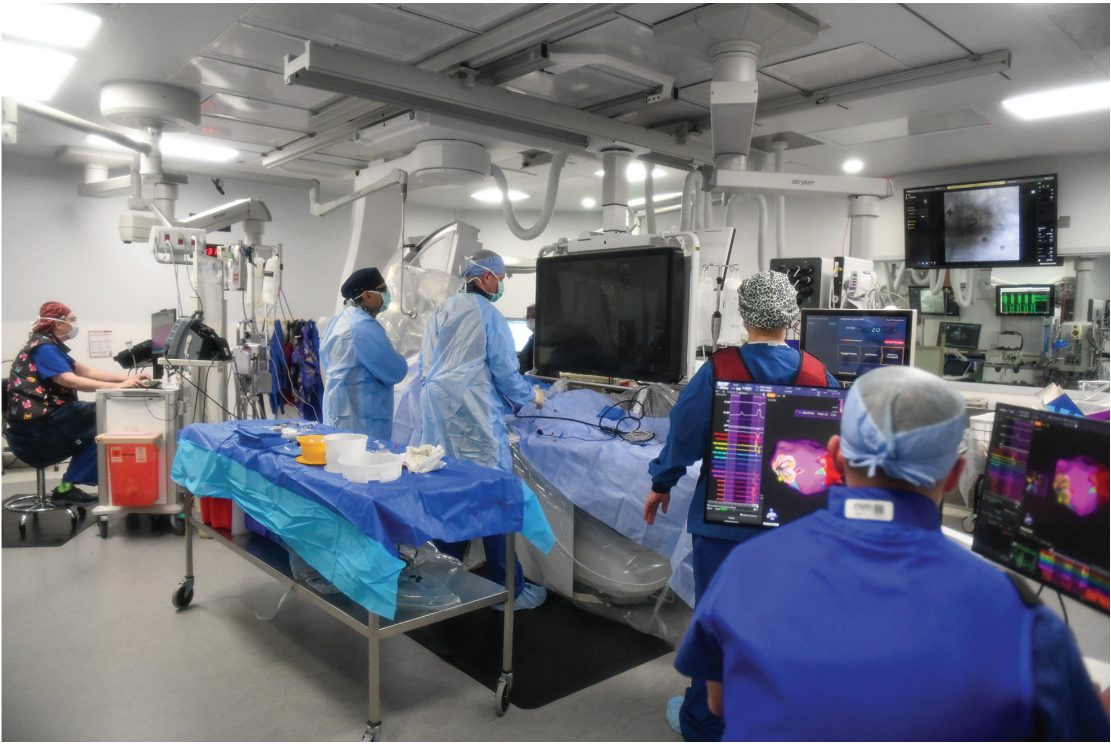
We perform tilt table studies; epinephrine and procainamide challenge tests; transesophageal echocardiography (TEE) and cardioversion; EP studies; catheter ablation of cardiac arrhythmias; implantation of cardiac monitors (loop recorders), implantable cardioverter-defibrillators (ICDs), and pacemakers, including leadless pacemakers; left atrial appendage closure (LAAC), and lead extraction.
Approximately how many ablations, device implants, and LAAC procedures are performed each week?
Our weekly average volume is 36 procedures, including 20 EP studies or ablations and 16 device procedures. We also perform 4 to 6 LAAC procedures every other week, some in combination with pulsed field ablation (PFA) and Watchman (Boston Scientific) implantation. These figures do not include TEEs or cardioversions.
What types of EP equipment are commonly used in the lab?
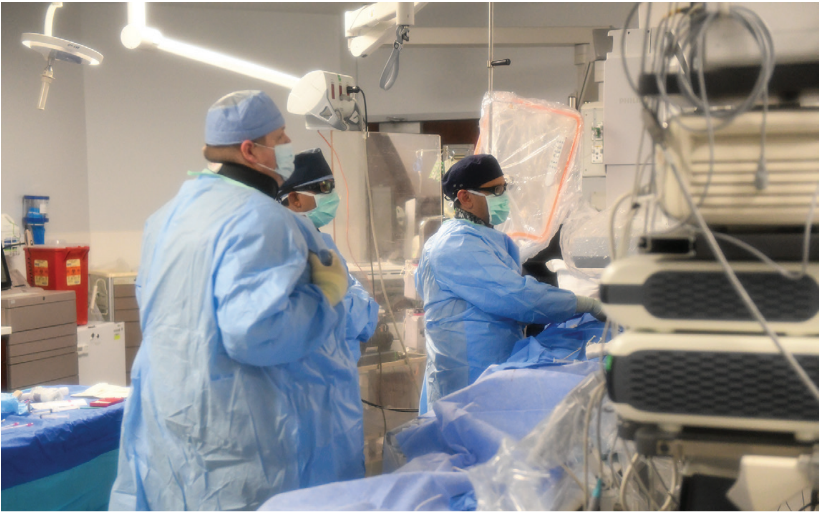
The mapping systems currently used are CARTO (Johnson & Johnson MedTech) using THERMOCOOL SMARTTOUCH, QDOT Micro, VARIPULSE, OPTRELL, OCTARAY (Johnson & Johnson MedTech) and the OPAL HDx System with the FARAWAVE NAV PFA Catheter (Boston Scientific). For transseptal access, we use devices from Baylis Medical, now part of Boston Scientific. Additional technologies include the Vivid S70N intracardiac echocardiography (ICE) system. We also use the Mac-Lab/CardioLab recording system (GE HealthCare), Micropace for pacing, and Sonosite ultrasound systems. The HemoSphere Advanced Monitoring Platform (Edwards Lifesciences) is used for tilt table patients and some patients who require hemodynamic monitoring, while the LIFEPAK 15 (Stryker) is used for cardiac monitoring. We use the Azurion X-ray system with ClarityIQ technology (Philips), and Medtronic is used primarily for implantable device procedures. We implant pacemakers, ICDs, and cardiac resynchronization therapy pacemaker and defibrillator devices, including the Micra leadless pacemakers (Medtronic). We use lead extraction tools such as the GlideLight Laser Sheath and TightRail Mechanical rotating dilator sheath (Philips).
What new technologies and techniques have recently been introduced, and how have they changed practice?
PFA was introduced this year and has increased the average number of pulmonary vein isolation (PVI) ablations completed each week from 4 to 10. PFA has broadened patient selection because of its improved safety profile. We now offer this procedure to additional patients, including those older than 75 years.
The use of a 4D ICE catheter has eliminated the need for TEE during LAAC device procedures. In addition, the Vascade Vascular Closure System (Haemonetics) has enabled earlier discharge of patients. Concomitant PVI ablation and Watchman implantation have also been added, allowing patients to undergo both interventions during a single procedure.
How is inventory managed in your EP lab?
Our Central Sterile Department recently assumed responsibility for stocking the Clean Core, checking incoming supplies, and monitoring expiration dates. An EP technologist also helps stock procedure rooms throughout the day. A lead technologist orders all new equipment and manages par levels.
Tell us about your device clinic and approach to remote monitoring.
Our device clinic consists of 3 RNs and 1 RCIS. All staff are trained in remote monitoring, and 2 have experience with in-person programming. Beginning in 2013, we transitioned from a representative-run device clinic that did not offer remote monitoring to a device nurse-run clinic. The transition was completed in 2019. Currently, our representatives provide support during implants and education on new procedures and technologies.
We monitor patients with loop recorders, pacemakers, and ICDs from all 4 manufacturers, as well as patients with the CardioMEMS system (Abbott).
What is a typical day like in your EP lab?
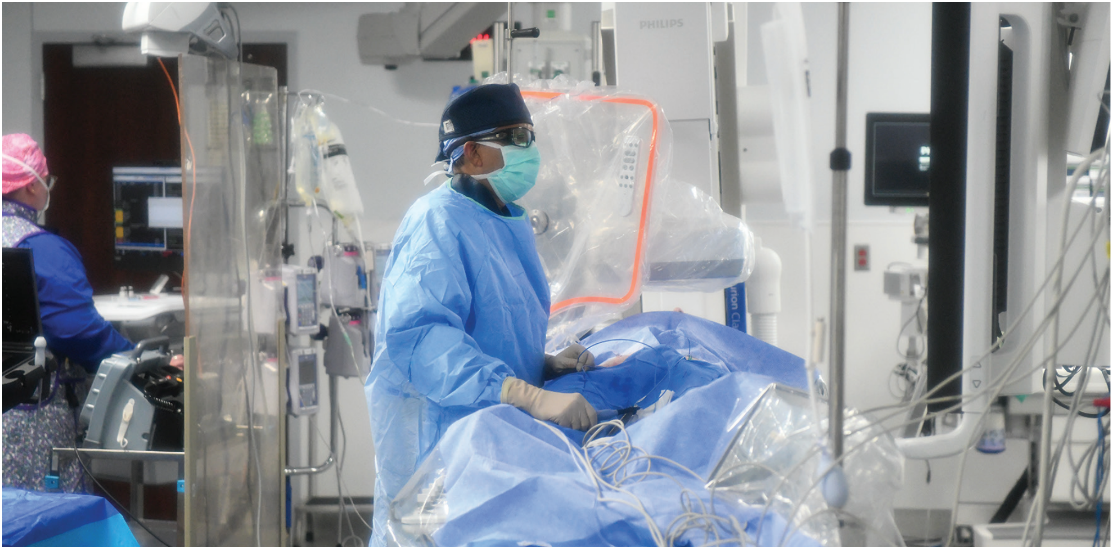
A typical day consists of a mix of procedures. Cases begin at 0800, and we are generally finished by 1700. Inpatient procedures are often added to the schedule, including device cases and cardioversions. When 1 physician is working, we optimize our day with bouncing between the 2 rooms to minimize downtime and more availability for add on cases.
Describe your use of vascular closure devices and approach to same-day discharge.
Generally, most of our patients are discharged on the same day. Depending on the device or ablation procedure, patients may go home in as little as 2 hours or remain up to 6 hours. Patients who live more than 30 minutes away are encouraged to stay in town overnight. The Sunshine House is available to patients and their families, along with discounted hotel rooms.
Has your lab recently undergone a national accreditation inspection?
Yes, we had a successful Joint Commission survey in November 2025.
How do you ensure timely cases start and patient turnover?
Our same-day outpatient area prepares all outpatients. Nurses and technologists work together to ensure timely room turnover. Between patients, technologists clean the room and prepare it for the next case.
How does your lab schedule call coverage?
EP staff is not required to take call. Our interventional team covers temporary pacemakers, and we have one interventionalist and one thoracic surgeon who can implant permanent pacemakers. EP staff is willing to come in and assist with weekend cases when available. Two technologists take turns staying late until all cases are completed.
Do you have multiple or flexible shifts? How do you handle slow periods?
All of our technologists arrive at 0730. We schedule one RN a day to stay until all cases are completed, with RN shifts from 0700-1500 and 0800-1600. Some staff are cross-trained to cover certain procedures for the interventional cardiac catheterization lab. During downtime, we complete required professional development education. On slow days, staff may also choose to leave early and use either their paid time off or System Request Absent, which allows them to accrue time toward benefits without being paid for those hours.
How are vendor visits managed?
Our vendors must be fully registered, comply with Green Security requirements, and have a prescheduled appointment before visiting Altru. Any new product or service must undergo the appropriate supply chain or value analysis process, with preference given to GPO and consortium affiliations (eg, Captis) when making sourcing decisions.
What are the best features of your EP laboratory layout or design?
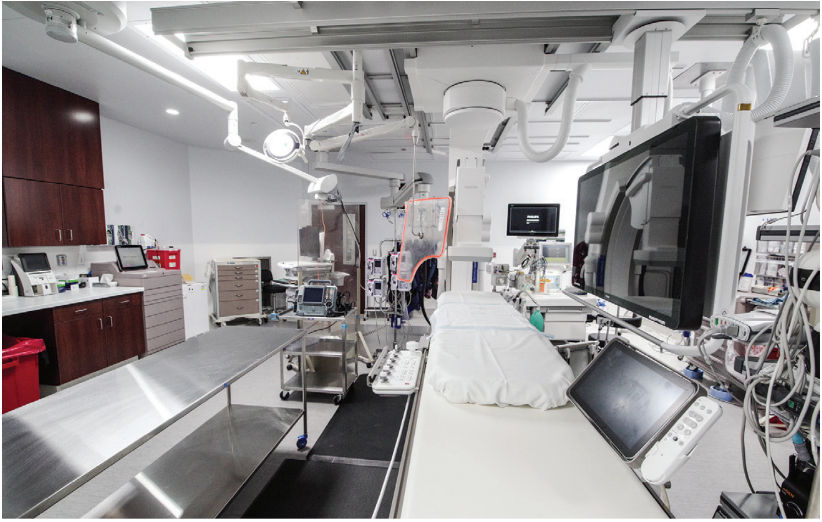
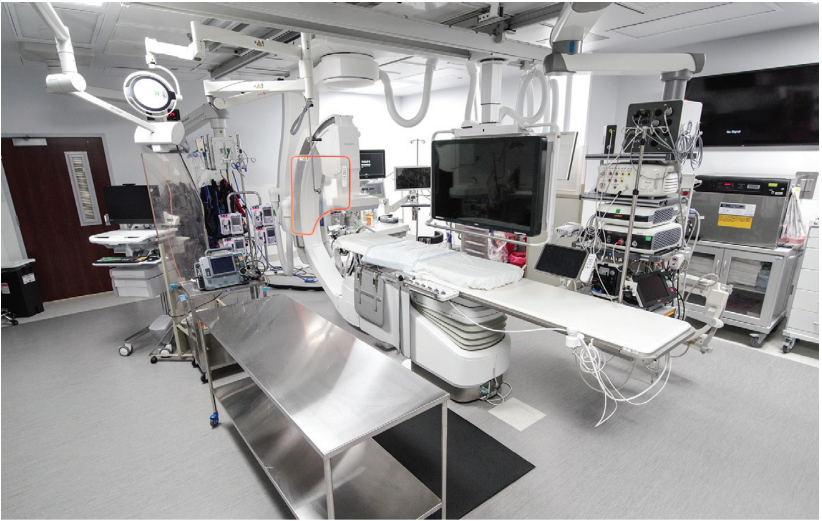
We have a control room between our 2 EP labs, as well as an internal desk with a lead wall and glass that facilitates good communication between staff, mapping representatives, patients, and physicians. All supplies are stored in a clean core just outside our door, allowing supplies to be easily moved from room to room. The catheterization lab is also located next to us, providing extra support when needed.
What measures has your lab implemented to cut or contain costs?
We recycle almost all EP equipment. Cut tips are recycled for their precious metals, some equipment is sent to EPreward, and the remainder is recycled through Innovative Health. We also purchase selected reprocessed equipment, such as reprocessed cables and diagnostic catheters, through Innovative Health. Reprocessed catheters have substantially reduced our hospital’s per-procedure costs for diagnostic EP equipment and medical waste. They have also provided us with a secondary source of equipment when supply issues arise with the primary vendor. We also buy bulk purchases to secure more favorable pricing on high-use items.
To manage expenses, we avoid overstocking and have processes in place to approve new equipment. We conduct a monthly inventory to identify equipment approaching its expiration date so that it can be used first.
What quality control measures are practiced in your laboratory?
We use the Outpatient and Ambulatory Surgery Consumer Assessment of Healthcare Providers and Systems (OAS CAHPS) survey to assess patient experience and identify opportunities for improvement. We also utilize registry data to compare our services and outcomes with those of other health systems nationwide, identify successes, and determine areas where provider and staff education should be refocused on current patient care guidelines.
What works well in your lab for onboarding new team members?
New staff are mentored into their new role. Orientation can take up to 3 months. For technologists, orientation is longer depending on their background.
What continuing education opportunities are provided for staff members? How do staff typically maintain and renew credentials?
We offer online symposia and receive some in-hospital education from Equipment representatives. We also complete educational modules through Medtronic and use other online resources. When staffing allows, our staff attend the Heart Rhythm Society’s annual scientific sessions and the Kansas City Heart Rhythm Symposium.
Discuss the role of mid-level practitioners in your lab.
Our APPs are responsible for seeing inpatient consultations and conducting follow-up rounds. They place preprocedural and postprocedural orders, and coordinate follow-up care with the outpatient team. They also complete procedural histories and physical examinations, as well as airway assessments, for scheduled outpatient procedures.
Share a memorable case from the EP lab and how it was addressed.
We have had several patients who were initially labeled as having high anxiety, but after undergoing ablation for premature ventricular contractions, their symptoms improved significantly or resolved altogether. This highlights the importance of considering an underlying cardiac cause before attributing symptoms solely to anxiety.
Discuss your approach to conduction system pacing.
For the majority of pacemaker implants, we plan to use conduction system pacing, especially when a high right ventricular pacing burden is anticipated.
Tell us about your primary approach for LAAC.
We use the Watchman device. Patients first have a clinic visit to discuss the procedure in detail. A prescreening TEE is then performed to obtain measurements and assist with procedural planning, after which the procedure is scheduled. Most patients are discharged home after meeting specific criteria. They return at approximately 45 days for a follow-up TEE and are then scheduled for routine clinic visits with our APPs.
Discuss your approach to lead extraction and management.
If a lead has been in place for less than a year, it is typically removed in our lab. For leads implanted more than a year ago, extraction is considered on a case-by-case basis. We perform approximately 6 to 10 lead extraction procedures per year using laser, with the cardiothoracic team on standby. Depending on the case, we may transfer the patient or refer them to a higher level of care.
Discuss your program’s approach to AF care and lifestyle risk factor modification for the reduction of AF.
Because we are a small team, all team members are expected to manage patients with AF, and AF care is integrated throughout the entire practice. We also work closely with the general cardiology team to ensure appropriate and timely referrals for patients with AF, including referrals for consideration of a rhythm control approach.
Lifestyle modification is addressed during every initial consultation and reviewed at all follow-up visits. Patients with obesity and a body mass index greater than 30 are referred back to their primary care provider to discuss weight management. Although treatment of obesity is managed by the primary care provider, it is discussed during our appointments, and weight loss is encouraged. We also typically discuss obstructive sleep apnea and refer patients for testing when appropriate. Alcohol use is addressed as well.
For patients with a history of AF and heart failure, we recommend PFA for better long-term outcomes.
How does your EP lab address radiation safety?
The EP lab uses several measures to minimize radiation exposure to patients and staff. It is equipped with lead-lined walls, lead glass surrounding the internal desk and work area, and multiple mobile radiation-shielding screens. During fluoroscopic procedures, we use the lowest dose of 7.5 frames per second while maintaining adequate image quality. We also emphasize clear communication before activating x-ray to ensure that staff have appropriate lead protection in place. We document radiation doses in the radiation report within the GE system. We require all staff to wear dosimeters, which are monitored monthly to track individual exposure.
What dominant trends do you see in EP?
We have seen an increase in AF diagnoses due to improved screening guidelines and techniques, which allow for earlier detection and better care for this patient population.
How do you use digital health?
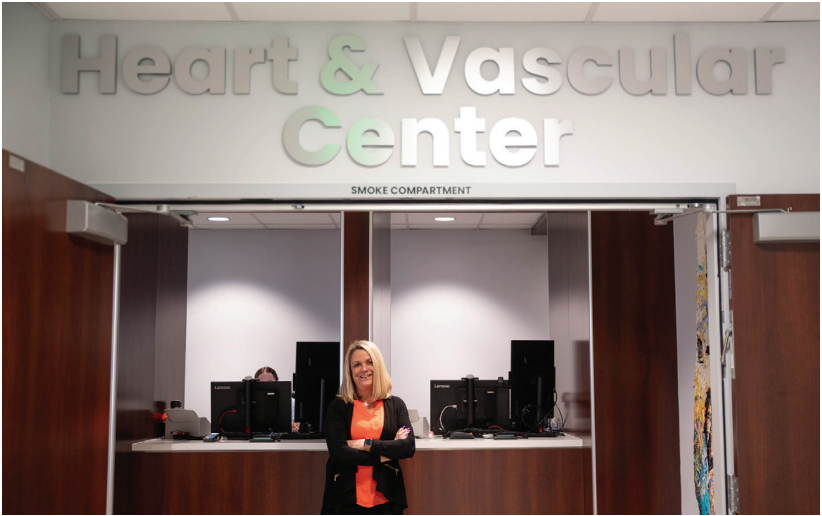
We use Epic for our electronic health record and MyChart for our patient portal, and we offer virtual telehealth visits at our Heart and Vascular Clinic, all of which have increased patients’ abilities to connect with their providers close to home.
Has your program or hospital recently experienced any “firsts”?
In January 2026, we performed our first PFA case using the Medtronic system. We subsequently trialed Boston Scientific’s PFA system, which we permanently added.
Describe your city or general regional area.
The cities of Grand Forks, North Dakota, and East Grand Forks, Minnesota, have a combined population of 69,271, which increases by approximately 15,000 during the school year because of the University of North Dakota. The university is known for its aerospace and medical school programs. Despite the area’s size, it has a small-town feel, with neighbors looking out for one another and a low crime rate. A unique benefit of our hospital’s close-knit community is the strong collaboration among physicians.
What specific challenges does your hospital face given its unique geographic service area?
We have a very large service area that extends 200 miles east and west of our health system, north to the Canadian border, and south to areas served by competing health systems located 75 miles from us. We rely heavily on telehealth services, particularly during the winter months, when icy roads can make travel unsafe, but patients still need access to care. We also provide outreach services to rural communities and plan to expand our outreach eastward in 2027.
What is special about your EP lab and staff?
This staff brings a wealth of experience and longevity to this area of expertise. Team members continue to learn and push the boundaries of what is possible regarding procedure volumes and attention to detail in inventory management. Their positivity and teamwork make coming to work each day something they want to do, rather than something they have to do. The staff works together as a well-oiled machine and creates an environment that feels more like family. Everyone contributes and supports teammates when needed, always making patients’ health needs a priority.