Waterloo Regional Health Network
© 2026 HMP Global. All Rights Reserved.
Any views and opinions expressed are those of the author(s) and/or participants and do not necessarily reflect the views, policy, or position of EP Lab Digest or HMP Global, their employees, and affiliates.
EP LAB DIGEST. 2026;26(9):14-22.
William K Chan, MD, FRCPC, DRCPSC; Umjeet Jolly, MD, FRCPC, DRCPSC; J Gabriel Acosta, MD; and Claus Rinne, MD, FRCP
Waterloo Regional Health Network, Queen’s Blvd Campus, Kitchener, Ontario, Canada
When was the cardiac electrophysiology (EP) program started at your institution, and by whom?
Catheter ablation began at our center on January 4, 2021, when Dr Umjeet Jolly performed the inaugural procedures in a purpose-built EP suite at what is now Waterloo Regional Health Network (WRHN) @ Queen’s Blvd. Pacemaker, implantable cardioverter-defibrillator (ICD), and cardiac resynchronization therapy (CRT) implantation had already been established on the cardiology service under Dr Claus Rinne. However, complex EP studies and ablation were the final components of the cardiovascular service line to be brought on site, completing a 20-year expansion of cardiac care across our region.
Dr Jolly led the establishment of comprehensive EP services through a 4-phase, $13 million redevelopment of the heart rhythm program. The Device and Arrhythmia Clinic opened in November 2020, followed by completion of the EP suite in January 2021, the opening of the Pre and Post Heart Investigation Unit (PHIU) opened in March 2021, and final commissioning marked by a ribbon-cutting ceremony in May 2021. The Ontario Ministry of Health contributed $7.4 million, with an additional $5.6 million provided by local donors.
What prompted the need for an EP program?
Our center was named the Regional Cardiac Care Center (RCCC) for Waterloo-Wellington in 1999 and subsequently added open-heart surgery and percutaneous coronary intervention (PCI) in 2003 and transcatheter aortic valve implantation (TAVI) in 2018. Before 2021, more than 80 patients per year were referred to London, Hamilton, or Toronto for EP studies and ablation, with typical wait times of 18 months or longer. Many were elderly, symptomatic, and unwell, and the travel burden was substantial. Our center was the last RCCC in Ontario to add ablation services, although demand had been building for years.
What is the size of your EP facility?
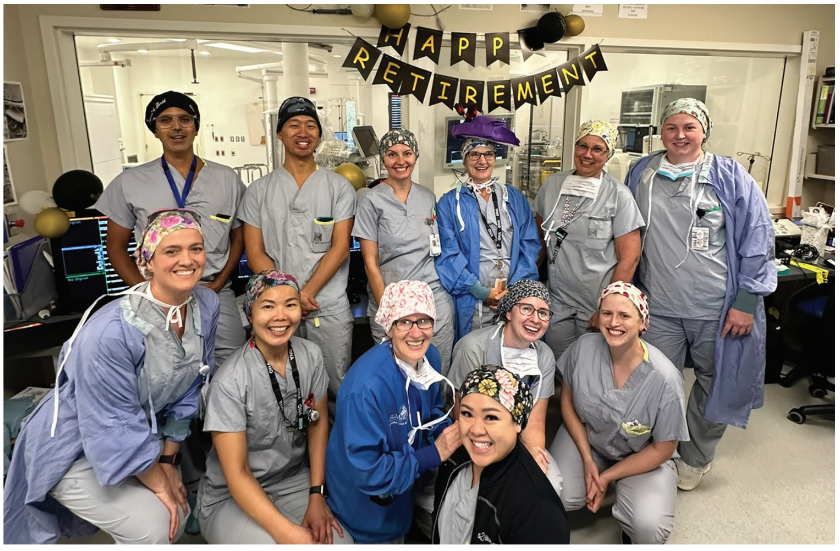
We operate a dedicated EP lab at WRHN @ Queen’s Blvd, supported by onsite cardiac surgery, along with a mobile EP capability that can convert a device lab into a pulsed field (PF) electroporation suite when capacity permits and also operates 1 scheduled day per week for atrial fibrillation (AF) ablation. The fixed EP lab (operating room [OR] 6) is 740 square feet, with an adjoining 181-square-foot control room. In January 2024, the province also announced support for a third cardiac catheterization lab, a 3500-square-foot renovation expected to increase catheterization capacity by 50% and allow for continued growth for ablation procedures. Looking ahead, a new WRHN hospital is planned within the next decade with additional EP labs planned, but the work described here is what we are delivering inside current infrastructure.
Does your institution offer EP-related procedures in an ambulatory surgical center?
Not at present. All EP procedures are performed within the hospital, but an ambulatory delivery model for selected low-risk procedures is under active consideration.
Who manages your EP lab, and what are their credentials and experience?
Operational leadership is shared between Stefanie Cooper, RN, EMT-P, Program Manager, Procedural Cardiology and PHIU, and Maureen Logel, Operational Supervisor, Cath Lab and PHIU. Day-to-day procedural coordination is shared between Sherry for device procedures and Tanja for ablation services.
Clinical leadership is provided by Dr Jolly, EP physician lead, with support from Dr William Chan and Dr Gabriel Acosta in both ablation and device therapy, and Dr Rinne in device therapy. Dr Jaffer Syed serves as Joint Chief and Medical Director of Cardiology at WRHN, Dr Heather Warren is Vice President of Medical Programs and Quality and Chief of Cardiovascular Medicine, and Dr Al Qahwash is Director of Cardiac and Critical Care.
What is the number of staff members?
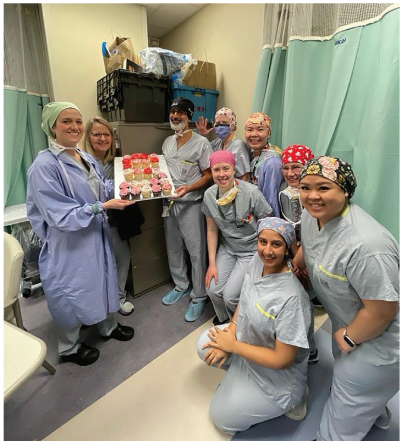
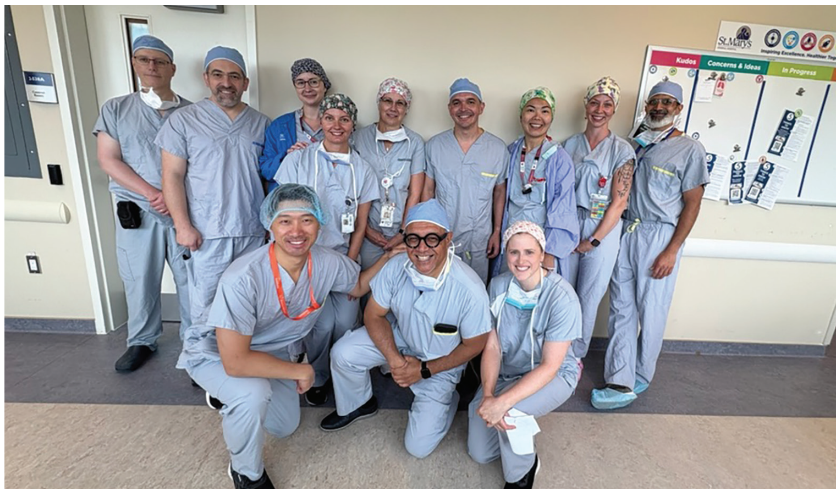
The EP ablation program is supported by a dedicated team of 9 to 10 EP registered nurses (RNs) and 3 EP cardiovascular technologists (CVTs). The nursing team works exclusively within EP and is not shared with cardiac catheterization, which allows for a highly specialized and consistent experience in lab workflow and excellent throughput. Team members are skilled across both ablation and device-based therapies. All EP nurses maintain current Advanced Cardiovascular Life Support certification and are trained in the administration and monitoring of conscious sedation, particularly for device implantation.
Cardiac anesthesia supports complex cases on Mondays, with general anesthesia coverage provided the remainder of the week. Most complex ablations, including the majority of AF procedures, are performed under general anesthesia, while selected VT cases are performed with conscious sedation. Arterial lines are used selectively for patients with significant left ventricular (LV) dysfunction or structural heart disease. Foley catheters are not routinely used.

What types of procedures are performed?
We perform EP studies and catheter ablation for paroxysmal and persistent AF, atrial flutter (AFL) (cavotricuspid isthmus dependent and atypical), focal and macroreentrant atrial tachycardia, atrioventricular nodal reentrant tachycardia, atrioventricular reentrant tachycardia (including manifest and concealed accessory pathways), premature ventricular complexes (PVC), and ventricular tachycardia (VT) including epicardial and bipolar VT ablation.
Advanced and adjunct ablation techniques routinely used include cardioneuroablation (CNA), vein of Marshall (VOM) ethanol ablation, and septal alcohol ablation for selected indications. An upfront stellate ganglion block protocol is part of our pathway for inpatient refractory VT. Cardiac stereotactic body radiation therapy (SBRT), launched in February 2026 as a regional first, is now an established component of the program rather than a pilot initiative.
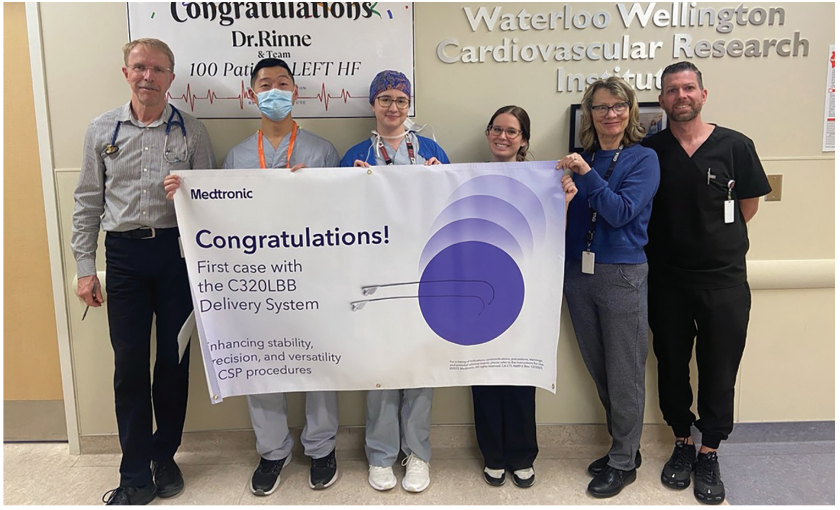
Our cardiac implantable electronic device (CIED) practice includes implantable loop recorders (ILRs), dual-chamber pacemakers, single- and dual-chamber transvenous ICDs, CRT-Ps and CRT-Ds, subcutaneous (S-ICDs) and extravascular ICDs (EV-ICDs), and leadless atrial and ventricular pacemakers. We also perform conduction system pacing (CSP), including left bundle branch area pacing (LBBAP) and Bachmann’s bundle pacing.
Left atrial appendage occlusion (LAAO) is offered as a joint EP and interventional cardiology service. The program launched in 2026 with a projected ministry-regulated volume of 20 cases annually.
Lead extraction is not currently offered at WRHN. Patients requiring extraction are referred to regional centers with established programs. We follow these patients throughout the process and resume follow-up in the device clinic after extraction. Developing an in-house lead management capability remains part of our long-term program strategy.
Approximately how many ablations and device implants are performed each week?
Our most recent fiscal year (2025-2026, annualized from 11 months of data through February 2026) reflects the following program volumes.
We implant approximately 720 pacemakers annually (including both transvenous and leadless platforms) and 200 ICDs (transvenous, S-ICD, and EV-ICD), with ILRs tracked separately. Over the past 5 fiscal years, pacemaker volume has increased by approximately 38% and ICD volume by 33%.
We perform approximately 780 complex ablations each year. The case mix includes approximately 680 pulmonary vein (PV) ablations for AF (87% of total volume), 43 VOM ethanol ablations, 10 atypical AFL ablations, 12 focal atrial tachycardia ablations, 16 VT ablations, and 23 other ventricular ablations. Repeat ablations account for approximately 88 cases per year, or 11% of total ablation volume, consistent with published recurrence rates.
The program has experienced substantial growth, with approximately 2890 device implants and 2102 complex ablations performed over the past 5 years. Ablation volume has increased by approximately 343% since 2021-2022. Since Dr Acosta joined the EP team in July 2025, we have been able to perform up to 7 AF ablations using the VARIPULSE Pulsed Field Ablation (PFA) Platform (Johnson & Johnson MedTech) in a single day in our dedicated lab. Dr Jolly was also among the first electrophysiologists in Canada to routinely perform 3, and later 4, ablations per day.
What EP equipment is commonly used?
Mapping: CARTO 3 (J&J MedTech) is used for all mapped cases.
EP recording system and stimulation: The primary recording system is Sensis (Siemens Healthineers), with Abbott stimulators. The WorkMate Claris recording system (Abbott) is used in the device OR and for FARAPULSE PFA System (Boston Scientific) cases performed outside the EP suite, paired with an Abbott stimulator.
Ablation catheters: THERMOCOOL SMARTTOUCH SF (Johnson & Johnson MedTech) for radiofrequency [RF] ablation, QDOT MICRO (Johnson & Johnson MedTech) for high power short duration RF ablation, and the VARIPULSE Platform for PFA.
Ablation generators: The nGEN Generator (Johnson & Johnson MedTech) supports CARTO RF procedures, the TRUPULSE Generator (Johnson & Johnson MedTech) supports VARIPULSE PFA, and the FARASTAR PFA Generator supports FARAPULSE PFA. The CryoConsole Cardiac Cryoablation System (Medtronic) is maintained as a backup, primarily for slow pathway ablation.
PFA platforms: VARIPULSE (Johnson & Johnson MedTech), integrated with CARTO 3, is used in the main EP lab. FARAPULSE mapping is used in our mobile EP program with minimal fluoroscopy and intracardiac echocardiography (ICE) guidance.
ICE: ACUSON AcuNav Volume 4D ICE Catheter (Siemens Healthineers) and SOUNDSTAR Ultrasound Catheter (Johnson & Johnson MedTech).
Vascular ultrasound: Vivid S70 (GE HealthCare) is used for ultrasound-guided vascular access and as an imaging platform for ICE.
Device platforms: Predominantly Medtronic, with Boston Scientific and Biotronik. Leadless pacing with AVEIR AR and VR (Abbott). Defibrillators include the Aurora EV-ICD (Medtronic) and EMBLEM S-ICD (Boston Scientific). CSP is performed with stylet-driven and lumenless leads.
Room setup: The defibrillator is mounted on a boom at the foot of the procedure table, while the anesthesia machine is positioned at the head of the bed within the anesthesia workspace.
What new technologies or techniques have been introduced in your lab, and how have they changed procedures?
The past year has brought an unusually rapid series of technology and technique introductions. Notably, these are now part of our standing program capability rather than pilot use, which is uncommon for a regional center rather than a tertiary teaching hospital.
We performed the first VARIPULSE case in Southwestern Ontario in January 2025 and have since completed more than 300 cases in the fixed lab, along with more than 200 cases through our FARAPULSE PFA-only mobile program. The VARIPULSE workflow has been published in Pacing and Clinical Electrophysiology (PACE), with several accompanying editorials. Single-day list capacity reached 7 PF cases under general anesthesia by September 2025, with the full workflow, including waiting periods and validation, unchanged from our standard case.
Our center performed Canada’s first high-density mapping case with the OCTARAY (Johnson & Johnson MedTech) in February 2023.
The first SBRT case in Southwestern Ontario took place in June 2025 through a partnership between our EP service, led by Dr Acosta, the radiation oncology team at WRHN Cancer Center, led by Dr Joda Kuk, and Princess Margaret Cancer Center in Toronto, with oversight from Dr Benjamin Lok.
Our first CNA case was performed in June 2025 and is now offered as part of routine EP care for selected patients with neurally-mediated bradyarrhythmia and reflex syncope.
An upfront stellate ganglion block protocol has been incorporated into our pathway for patients presenting with inpatient refractory VT, helping stabilize patients before definitive ablation.
WRHN’s first epicardial VT and bipolar ablation case was performed in September 2024. These techniques are now part of our standing capability for selected scar-based VT cases that cannot be adequately treated endocardially.
In October 2025, we performed our first 2 FARAPULSE PFA cases for papillary muscle ventricular arrhythmia. In June 2026, we used FARAPOINT (Boston Scientific) for a septal PVC case, extending PFA beyond the standard AF workflow into selected ventricular indications.
Leadless and extravascular device platforms have also expanded. The first MICRA leadless pacemaker (Medtronic) was implanted in July 2020, and in October 2025, we performed our first single-chamber and dual-chamber AVEIR implantations. S-ICDs and EV-ICDs are now in routine use.
We also perform VOM ethanol ablation for selected patients with persistent AF and septal alcohol ablation for selected indications.
Discuss your program’s use of PFA.
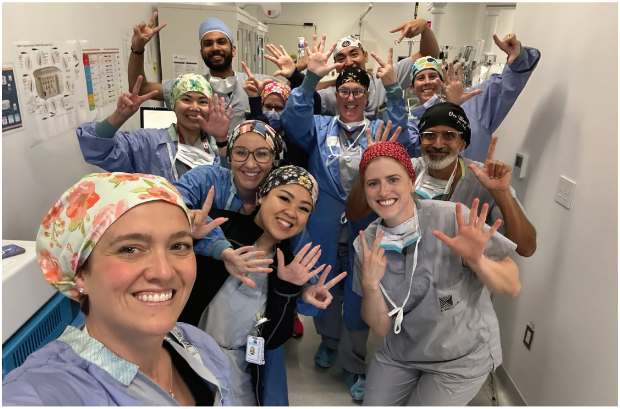
PFA is now our default energy modality for AF ablation. Patient selection covers paroxysmal and persistent AF, with case-by-case consideration of PV anatomy, prior ablation history, and atrial substrate. We deliver PFA across 2 parallel platforms. In the fixed lab, VARIPULSE integrated with CARTO 3 supports our highest-efficiency days. Our PFA-only mobile FARAPULSE unit converts a device lab into a PF electroporation room when capacity allows and also operates 1 scheduled day per week for AF anatomical ablation.
In our most recent fiscal year, PFA accounted for approximately 69% of all PV ablation procedures, up from approximately 12% the previous year. The PFA case mix is split between VARIPULSE in the fixed lab (approximately 320 cases annualized) and FARAPULSE on the mobile platform (approximately 145 cases annualized).
Early challenges included the learning curve associated with catheter manipulation and adjusting to a fundamentally different lesion biophysics, particularly for the posterior wall, cavotricuspid isthmus, and superior vena cava.
How is inventory managed in your EP lab?
Inventory is managed through a combination of direct purchase, warehouse stock, and consignment, and all items scanned into an electronic management system. Minimum and maximum par levels are set for each product; inventory scans automatically deduct from the on-hand stock, and replenishment orders are generated when minimum thresholds are reached. We leverage several procurement contracts to reduce per-case cost and secure capital support for new technologies. No Johnson & Johnson products are on consignment at this time. The majority of ICE and diagnostic EP catheters used in our procedures are reprocessed rather than purchased new from the original manufacturer, which is a meaningful contributor to both cost containment and reduction of the lab’s environmental footprint.
Tell us about your device clinic.
The Device and Arrhythmia Clinic at WRHN currently follows 11,694 CIEDs and conducts approximately 30 in-person interrogations per day alongside its remote monitoring workload.
The clinic is staffed by 8 CVTs and 1 RN: 5 full-time and 3 part-time CVTs working 2 to 4 shifts per week, and a casual RN. Six technologists divide their time between the clinic and OR, including 1 OR coverage block per week. Two technologists rotate across the clinic, EP lab, OR, and remote monitoring, while the RN provides clinic coverage 1 to 2 shifts per week.
The clinic is typically staffed by 4 technologists per day on staggered start times, with each technologist seeing approximately 8 to 10 patients. The technologist assigned to remote monitoring also manages the clinic phone line and coordinates add-on patients across the team.
Discuss your approach to remote monitoring.
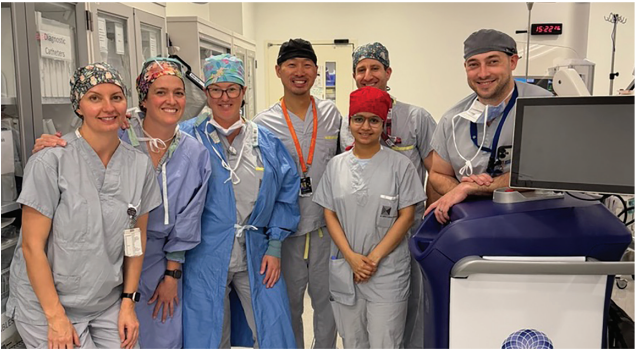
Approximately 2000 of our followed patients are enrolled in remote monitoring, and the clinic reviews about 70 remote transmissions per week. Enrollment by platform is approximately 1775 on CareLink (Medtronic), 232 on LATITUDE (Boston Scientific), and 21 on Merlin.net Patient Care Network (Abbott).
The remote workflow is built around urgency triage. The first technologist to arrive checks all remote sites and prioritizes shocks, delivered therapies, monitored VT, ILR pauses, and elective replacement indicators. Each technologist also opens the remote queue at the start of their shift as a redundant safety check, while the assigned remote technologist then works through transmissions by clinical urgency.
Escalation follows a defined pathway. The first EP technologist arrives at 7:30, depending on the first scheduled case, or at 8:00 in clinic, and screens the remote sites for urgent alerts, with shocks treated as the highest priority. The remote technologist escalates shocks, therapies, monitored VT, elective replacement indicators, lead alerts, and new sustained arrhythmias. Delivered therapies, sustained VT, and programming concerns such as T-wave oversensing, polarity switches, or pacing percentage are reviewed with the EP physician. AF or AFL, elevated heart rates or heart failure (HF) concerns, and patients approaching elective replacement are reviewed with the nurse practitioner (NP).
After-hours and weekend remote alerts are reviewed the next business morning, with severity determining the order of review. Patients presenting with delivered shocks or urgent clinical concerns, such as VT storm, are identified in real time by the in-house cardiologist on call, who contacts the on-call EP physician directly. Device manufacturers do not monitor or triage transmissions on our behalf, making this a clinician-led pathway.
A dedicated after-hours remote monitoring program has been discussed, but the funding model in our single-payer system does not currently support it. CVTs could theoretically provide weekend remote review, but there is no reimbursement or overtime mechanism unless transmission volumes justify it. This is a clear example of how public funding shapes which workflows can be implemented.
What is a typical day like in your EP lab?
Each day begins with a brief huddle to review the procedural schedule, anesthesia and access plans, and any high-risk patients. Most complex ablations, particularly AF procedures, are performed under general anesthesia, while selected VT cases are managed with conscious sedation. Arterial lines are reserved for patients with LV dysfunction or structural heart disease, and Foley catheters are not routinely used.
Ablation days routinely accommodate up to 7 cases across the fixed EP lab and mobile platform, supported by CARTO 3 zero-fluoroscopy workflows and parallel patient preparation, anesthesia handoff, vascular access, and recovery through the PHIU. Device implant days follow a separate flow with high turnover. The team places a strong emphasis on efficient turnover times and close communication among the EP physician, anesthesia team, and procedural nursing staff.
Describe your use of vascular closure devices and approach to same-day discharge (SDD).
Figure-of-8 subcutaneous suture is our standard closure technique for all venous access sites, with ambulation permitted as early as 2 hours post procedure. Perclose (Abbott) is reserved for arterial puncture only. SDD is the default for nearly all ablation and CIED procedures, supported by the PHIU recovery pathway and the early ambulation enabled by figure-of-8 closure.
Has your lab recently undergone a national accrediting inspection?
Our most recent Accreditation Canada survey was conducted in 2024, with the next cycle scheduled for 2027.
How do you ensure timely case starts and patient turnover?
Timely case starts and efficient turnover are supported by a morning huddle, standardized room turnover processes, early engagement of anesthesia and nursing teams, and parallel patient preparation in the PHIU while the preceding case is still in the room. Located adjacent to the procedural suites, the PHIU model allows patient preparation and recovery to occur concurrently rather than sequentially. We prioritize on-time first-case starts and focus on minimizing delays between procedures.
How does your lab schedule call coverage?
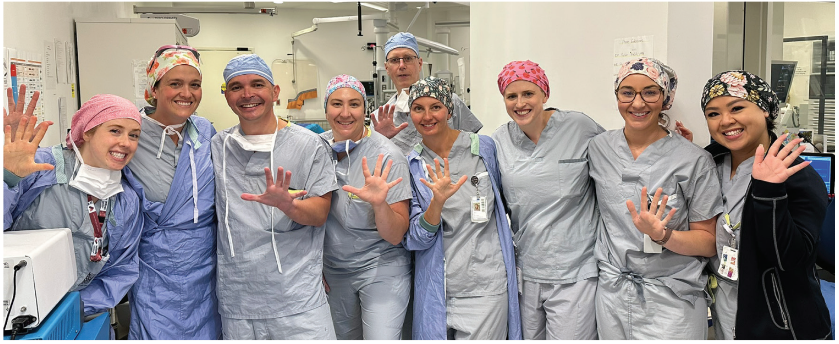
EP call rotates weekly across the EP physician group, which includes Dr Jolly, Dr Chan, Dr Acosta, and Dr Rinne for device coverage. During the assigned week, the on-call physician covers inpatient device implants on Monday, Wednesday, Thursday, and Friday, and responds to outside calls and consultation requests from peripheral hospitals across the region. All EP physicians also share general cardiology, ward, and Coronary Care Unit responsibilities.
Do you have flexible or multiple shifts? How do you handle slow periods?
We operate a single daytime shift, with no overtime, after-hours work, or weekend activity outside of urgent and emergent cases. When the EP lab completes its scheduled cases early, the team uses the remaining capacity for inpatient device implants and, occasionally, inpatient ablations. The introduction of VARIPULSE has provided greater flexibility in procedure scheduling and duration length. Our mobile EP program operates in a rolling OR based on availability, allowing us to expand capacity across sites without dedicated infrastructure. Research activities are conducted outside scheduled clinical operating hours rather than being built into the operational schedule.
How are vendor visits managed?
Vendor access is centrally managed through the WRHN Sourcing Department. Vendors must hold authorized credentials and have a pre-arranged appointment before entering the lab. Within the lab, vendor support from Boston Scientific or J&J MedTech is routinely present for PFA and other complex cases. Additional vendor support is also available during EV-ICD, S-ICD, and leadless pacemaker implants. Vendor-led educational in-services are held approximately monthly.
What are the best features of your EP lab’s layout or design?
Patients move from preparation to procedure to recovery without leaving the unit, which shortens turnover times and improves communication. Our mobile EP capability also allows us to run a second PFA case in parallel using FARAPULSE under ICE guidance.
What measures has your laboratory implemented to cut or contain costs?
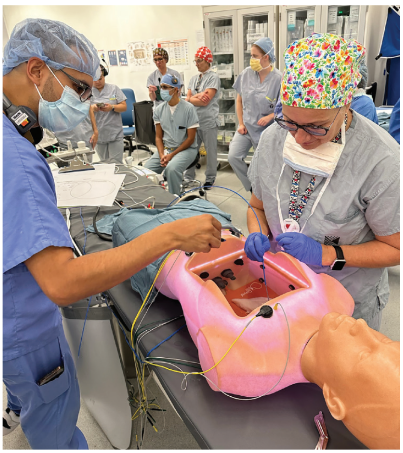
In addition to a robust reprocessing program for compatible single-use devices, we place a strong emphasis on throughput. Increasing the number of cases per lab day relative to the national norm spreads fixed costs across a greater number of procedures and lowers per-case operating cost. Our zero-fluoroscopy workflows further reduce costs by decreasing the need for protective equipment, lowering maintenance demands on fluoroscopy systems, and reducing expenses associated with occupational radiation exposure.
What quality control measures are practiced in your laboratory?
Cardiac quality outcomes at our center have been benchmarked nationally through the Canadian Institute for Health Information’s Cardiac Care Quality Indicators Report, which has consistently ranked our RCC program among the top in Canada since 2016. Within EP, our center was 1 of only 5 Canadian hospitals to receive the J&J MedTech Center of Excellence in Fluoroscopy Reduction designation in 2022. The designation required completion of at least 100 procedures performed with CARTO 3, with an average fluoroscopy time of 30 seconds or less. We also maintain ongoing internal review of complication rates, fluoroscopy time and dose, procedure duration, and recurrence after ablation.
What works well in your laboratory for onboarding new team members?
New EP nurses complete a structured orientation of approximately 12 to 14 days, during which they are paired with 1 or 2 preceptor nurses. Device implant training is managed as a separate pathway, typically requiring an additional 3 to 12 shifts depending on the individual’s prior experience. This staged approach builds competency across both EP and device workflows while allowing flexibility based on background and skill level. Pairing new staff with experienced preceptors and separating the EP and device learning curves has worked well for us, particularly given the specialized, high-throughput nature of the lab.
What continuing education opportunities are provided for staff members? How do staff typically maintain and renew credentials?
Continuing education is embedded in the program through vendor-led in-services held approximately monthly, helping the team stay current on evolving technologies. Several RNs and CVTs attend the Heart Rhythm Society’s Annual Scientific Sessions as well as regional cardiovascular care conferences. At the physician and trainee level, WRHN serves as a teaching hospital for the Michael G DeGroote Faculty of Medicine at McMaster University. Internal medicine residents from the Waterloo Regional Campus complete their core cardiology training with our team.
Discuss the role of mid-level practitioners in your laboratory.
Our NPs, Lucy and Jen, play an integral role across the EP service, providing care in both inpatient and outpatient settings with substantial independent scope of practice.
They manage the majority of inpatient consultations, including patients referred from other hospitals across the region. For patients referred from Kitchener-area hospitals for same-day device implantation, the NPs perform the intake consultation and review each case with the electrophysiologist before the procedure.
They also support the device clinic with wound assessments and management of pocket hematomas and superficial site infections. They lead independent consultations on pacemaker generator replacements, determining whether a standard replacement or an upgrade to a different device platform is most appropriate. In addition, they evaluate post-cardiac surgery patients for potential device therapy. Lucy also performs bedside ILR implantation, which has freed OR and procedural room capacity for more complex device cases.
The NPs manage patients with subclinical AF, including anticoagulation decisions. Following ablation, they see patients at least once between 3 to 6 months to review their 14-day Holter monitor results, manage anticoagulation cessation, and provide risk factor modification (RFM) counseling. They also manage recurrent AF, including early recurrence treated with antiarrhythmic medications, rate-control strategies, or early cardioversion, and assess patients with post-ablation complications such as pericarditis and vascular complications.
When schedules permit, Lucy and Jen participate in physician outpatient clinics for de novo device assessments and AF management. They also support the inherited arrhythmia clinic, held approximately every 3 months under the direction of Dr Jason Roberts of Hamilton Health Sciences and McMaster University.
Share a memorable case from your EP laboratory and how it was addressed.
Our most memorable recent case was the first patient in Southwestern Ontario to undergo SBRT. The patient had ventricular arrhythmia that had exhausted the conventional treatment pathway, including antiarrhythmic medication, catheter ablation, and surgical options, and the patient had been told that no further local options were available.
SBRT delivers a single, precisely targeted dose of radiation to the arrhythmogenic myocardium from outside the body, without an incision or catheter. Establishing the program required an intensive 4-month training and preparation period and a true multidisciplinary partnership. Dr Acosta defined the EP target, Dr Kuk planned and delivered the radiation, and Dr Lok provided oversight. The case required EP and radiation oncology, 2 specialties that rarely share a patient, to co-register their imaging, agree on the target volume, and accept a shared definition of success.
The significance extended beyond a single patient. Previously, patients in our region who needed this therapy had to travel as far as Ottawa, Toronto, or Newmarket. Bringing SBRT to WRHN meant complex, refractory patients could be treated closer to home. The program has since treated 6 patients and projects approximately 10 cases per year. For a regional center, rather than a quaternary academic hospital, to build this capability from scratch—and to do so through partnership rather than in isolation—captures what we believe is most distinctive about how this program works.
Does your lab use a third party for reprocessing or catheter recycling? How has it impacted your lab?
We use a structured reprocessing program for compatible single-use devices, including selected mapping and ablation catheters. The program has meaningfully reduced supply costs without any observed impact on procedural performance, while also lowering the environmental footprint of each case. The program also supports our broader sustainability goals as a community hospital.
Discuss your approach to CSP.
CSP is our default approach for most pacemaker implants. More than 75% of our pacemaker patients now receive CSP, primarily through LBBAP, with Bachmann’s bundle pacing used in selected patients. We use both stylet-driven and lumenless leads, chosen according to operator preference, patient anatomy, and clinical indication. The adoption of CSP has occurred alongside routine use of leadless atrial and ventricular pacing, S-ICDs, and EV-ICDs, providing a broader range of device options than is typically available in most regional centers.
Tell us about your primary approach for LAAO.
The LAAO program at WRHN was launched in 2026 as a combined EP and interventional cardiology service, with deliberate collaboration between the 2 groups on transseptal access, imaging, and procedural technique. We currently use Watchman FLX as the sole device platform, with transesophageal echocardiography (TEE) guidance for all cases. ICE-guided implantation is part of the development roadmap as the program matures.
Does your program have a dedicated AF clinic or is it considered an AF Center of Excellence?
We operate a multidisciplinary arrhythmia clinic staffed by electrophysiologists and NPs, with shared care pathways for rhythm and rate control, anticoagulation management, and lifestyle RFM. Our center is also recognized as a Johnson & Johnson MedTech Center of Excellence for Catheter Ablation, reflecting the program’s case volume, workflow standardization, and training activity.
Lifestyle RFM is currently delivered on a case-by-case basis rather than through a dedicated clinic pathway. We recognize that a comprehensive NP-led AF clinic remains a future need, and its development is an active component of our strategic plan.
Discuss your program’s approach to lifestyle RFM for reduction of AF.
We follow general weight management guidance and maintain a low threshold for referral to a structured weight loss program, dietitian, or bariatric surgery at Guelph General Hospital, or consideration of GLP-1 receptor agonist therapy through an endocrinologist or family physician.
We routinely screen for symptoms of obstructive sleep apnea (OSA), although we do not currently use a formal screening tool. Sleep studies in our region are performed primarily through private clinics and can involve longer wait times.
Alcohol use is addressed routinely, as we consider it the most important modifiable risk factor for AF. We also encourage smoking cessation, although we do not routinely initiate pharmacotherapy and do not currently track formal cessation outcome metrics.
Hypertension is co-managed with the patient’s family physician or cardiologist.
Patients meeting criteria for RFM are referred to our cardiac rehabilitation program, and others are directed to the PREVENT Clinic. The rehabilitation program supports comprehensive RFM rather than focusing solely on weight loss.
Discuss AF management in HF.
Our general approach to AF in HF, including both reduced and preserved ejection fraction (EF), is to pursue rhythm control aggressively wherever feasible. Strategies include antiarrhythmic drugs, TEE-guided electrical cardioversion, and early referral for catheter ablation, with the lowest threshold for ablation in patients with HF with reduced EF.
We support the direction of CASTLE-AF and early rhythm control evidence, and apply it as fully as possible within the practical constraints of long wait times and a geographically broad catchment area. We are guided by the principle that a reduction in AF burden of more than 50% can provide meaningful clinical benefit in this population.
We coordinate closely with the heart function clinic, particularly around device therapy such as CRT and CSP. We use device-based HF diagnostics, including TriageHF (Medtronic) and HeartLogic (Boston Scientific), to support diagnosis and strengthen collaboration between heart function physicians and the EP team. This shared approach helps determine whether a patient is best served by CRT optimization, antiarrhythmic therapy, cardioversion, or catheter ablation.
How does your EP laboratory address radiation safety?
Reducing radiation exposure has been a core priority for our EP program since its inception.
Standard radiation protection measures include lead aprons, lead glasses, mobile shielding, table-mounted lead shielding, hanging lead glass shielding (MAVIG), scatter shielding such as RADPADs or equivalent products, and additional mobile lead shields when appropriate.
Personal dosimetry is monitored using the Thermoluminescent Dosimetry system (LANDAUER), with quarterly reporting. Internal action thresholds are set 25% below the provincial standards, providing an added safety margin and early signal before regulatory limits are approached.
Radiation safety training is mandatory for all staff exposed to x-rays, including RNs, medical radiation technologists, echocardiography technologists, and electrocardiograph and OR procedural technologists. In addition to onboarding education, staff complete an annual internal e-learning module that incorporates provincial standards.
Radiation safety audits are conducted quarterly by the lead radiation technologist or designate and reported to the WRHN Radiation Safety Committee. Equipment quality assurance is provided by Siemens Canada and performed in accordance with Health Canada specifications.
What percentage of cases are done without fluoroscopy?
We use CARTO 3 mapping in virtually all cases and perform the majority of procedures using a zero-fluoroscopy workflow, including VT ablations and procedures in patients with existing CIEDs. Both remain technically demanding and are still uncommon zero-fluoroscopy indications at most centers. The principal exceptions are VOM alcohol ablation and selected CIED implants, where fluoroscopy remains necessary. Since 2022, more than 90% of our EP procedures have been performed without fluoroscopy. Fluoroscopy time and radiation doses are recorded through the imaging system and periodically audited as part of our quality assurance process.
How do you use digital health and wearable technologies in your treatment strategies?
We are increasingly incorporating wearable rhythm data into clinical decision-making, particularly for patients with paroxysmal AF and unexplained palpitations. We are also developing pathways for virtual arrhythmia care and remote CIED interrogation to improve access to specialty care across our 1.5-million-person catchment. Current challenges include signal noise from consumer wearables, the lack of standardized clinician review pathways for patient-submitted recordings, and the medico-legal considerations of asynchronous interpretation. Despite these limitations, wearable data has improved earlier detection of paroxysmal AF, increased patient engagement, and strengthened symptom-rhythm correlation.
Is your EP lab involved in clinical research?
Our RCCC historically participates in 18 to 21 active studies at any given time.
Current EP-led or co-led initiatives include a manuscript on zero-fluoroscopy PV ablation using a variable-loop circular catheter; the DERMA-STAPLE randomized trial comparing Dermabond with INSORB (CooperSurgical, Inc) for CIED wound closure; the retrospective ILREX-BED cost-minimization analysis of bedside versus OR-based ILR explant; and a structured engineering collaboration with the University of Waterloo focused on new catheter designs and transseptal techniques in a joint benchtop lab.
We also host international training visitors from the United States and Latin America who come to study our PFA and zero-fluoroscopy workflows.
What is historic about your program or hospital? Has your program or hospital recently experienced any “firsts”?
Over more than 2 decades, our RCCC has established a strong record of clinical firsts and procedural throughput milestones. The earliest milestones predate the opening of the EP suite, while the pace of the EP-specific achievements has accelerated rapidly since 2020.
Regional cardiac milestones:
- 1999: named Regional Cardiac Care Center for Waterloo-Wellington.
- July 7, 2003: first open-heart surgery and first PCI onsite.
- September 20, 2018: first TAVI.
- July 3, 2020: first MICRA leadless pacemaker insertion.
- January 4, 2021: first catheter ablation, completing the cardiovascular service line.
- May 12, 2021: ribbon cutting on the full $13 million Heart Rhythm Program.
- 2022: recognized as a Johnson & Johnson MedTech Center of Excellence in Fluoroscopy Reduction.
- 2022: first same-day TAVI discharge in Ontario, McMaster teaching hospital affiliation.
- 2022: more than 100 fluoroless EP ablations performed.
- January 30, 2024: provincial funding announced for a third cardiac catheterization lab.
EP technology and procedure firsts:
- February 6, 2023: first Octaray high-density mapping case in Canada.
- September 1, 2024: first epicardial VT ablation at WRHN.
- January 13, 2025: first VARIPULSE PFA case in Southwestern Ontario.
- June 11, 2025: first SBRT in Southwestern Ontario, in partnership with Princess Margaret Cancer Center.
- June 25, 2025: first CNA.
- October 1, 2025: first single-chamber and dual-chamber AVEIR leadless pacemaker implants.
- October 22, 2025: first FARAPULSE PFA cases for papillary muscle ventricular arrhythmia, extending PFA into selected ventricular indications.
Throughput milestones:
- January 2023 to September 2025: single-day AF ablation list capacity increased from 4 RF cases to 7 PF cases, with the increase driven by parallel patient preparation and recovery through the PHIU rather than by shortening individual procedures.
- August 2024 to February 2026: active ablation waitlist reduced from a peak of 363 patients to 130 patients, a 64% reduction.
What dominant trends do you see in EP?
PFA is rapidly becoming the default energy source for AF ablation, with steady accumulation of safety and durability data and catheter platforms continuing to evolve. CSP, particularly LBBAP, is replacing right ventricular pacing for many bradycardia indications and is increasingly being considered alongside biventricular pacing for selected resynchronization candidates. Leadless and extravascular device platforms continue to expand, with the AVEIR and Aurora EV-ICD now part of our routine practice. Cardiac radiation therapy is emerging as a viable option for refractory ventricular arrhythmias. Alongside these advances is a shift in how lab days are organized, with parallel preparation and recovery allowing coordinated teams to complete more cases per list than the historical norm. The gain comes from the workflow around the procedure rather than from abbreviating what happens during it. Looking ahead, artificial intelligence (AI)-assisted tools for mapping, image segmentation, and postprocedural quality review are likely to play an increasingly important role.
Describe your city or general regional area. How is it unique?
Our catchment encompasses Waterloo-Wellington and the broader Southwestern Ontario region, extending from Goderich to Guelph and from Tobermory to Simcoe, and serves approximately 1.5 million people. Kitchener-Waterloo is one of Canada’s leading innovation hubs, anchored by the University of Waterloo, Wilfrid Laurier University, and the Communitech ecosystem, with significant adjacency to advanced AI research at the Vector Institute and a strong local cluster of medtech and digital health startups. This combination of rapid population growth, a collaborative academic and engineering community, and a regional cardiac care mandate has shaped both how our program operates and where focus on innovation.
What specific challenges does your hospital face given its unique geographic service area?
Our patient population is geographically dispersed across rural Southwestern Ontario, and many patients travel significant distances to reach the center. This has shaped our investment in SDD protocols, remote CIED monitoring, and virtual care pathways, all of which help reduce the burden on patients and their families.
Sustained workforce recruitment to a community hospital outside of a major academic center remains an ongoing challenge. We address this through purposeful international recruitment, as with Dr Acosta, who joined from Hamilton Health Sciences after training in Barcelona and Colombia, as well as through partnerships with academic centers for cross appointments, fellowship pathways, and teaching activities.
What is special about your EP laboratory and staff?
Four aspects of our program distinguish it from the US programs that have historically been featured in this Spotlight.
First is the public healthcare context. We operate inside Ontario’s single-payer system, where every workflow change, capacity decision, and new technology must clear public funding, governance, and equity criteria before implementation. Innovation is evaluated differently than in private or integrated payer systems, and that context shapes everything we do.
Second, we have built capacity without shortening the procedure, and the distinction matters to us.
Our complex ablation program has grown by more than 300% since launch while completing more than 750 cases, and the majority of our EP procedures are performed without fluoroscopy. Our center performs approximately 1.5 to 2 times the Canadian national average number of ablations per center. The result we care about is access: our active ablation waitlist has fallen from a peak of 363 patients in August 2024 to 130 patients by February 2026, a 64% reduction. Repeat ablation accounts for approximately 11% of our annual volume, consistent with published recurrence rates, and complication rates, procedure duration, and recurrence are audited internally.
We are conscious of the current debate about procedural time as a marker of quality, and we agree with the direction of it. Skin-to-skin time is an operational descriptor. It is not a validated surrogate for lesion durability, electrophysiological completeness, or long-term freedom from arrhythmia. What we have compressed is the interval around the case: parallel preparation and recovery in the PHIU, a dedicated EP nursing team separate from the cath lab, standardized room turnover, and early ambulation after figure-of-8 closure. Where a patient requires a waiting period, remapping, provocation testing, or assessment for non-PV triggers, that time is taken and the list is planned around it. Efficiency in our program exists to protect those steps, not to displace them.
The context is also specific to a single-payer system. Capacity here is not a commercial metric, it is the mechanism by which a patient waits 3 months instead of 9.
Third is the breadth of new techniques introduced within a single year at a regional center rather than tertiary teaching hospital. These include SBRT, CNA, upfront stellate ganglion block for refractory VT, epicardial and bipolar VT ablation, VOM ethanol ablation, septal alcohol ablation, and a combined EP and interventional cardiology Watchman program. More than 75% of our pacemaker implants use CSP, including Bachmann’s bundle pacing, while leadless atrial and ventricular pacing, S-ICDs, and EV-ICDs have all become routine use. These are established clinical services, not pilot programs.
Finally, it is our team and the reach. The lab runs as a tight clinical unit with a dedicated EP nursing team that is separate from the cath lab, with clearly defined roles, low ego, and a shared commitment to continuous improvement. We have published our VARIPULSE workflow in PACE, host international training visitors, and run a structured engineering collaboration with the University of Waterloo in a joint benchtop lab. As Al Qahwash, Director of Cardiac and Critical Care, put it when Dr Acosta joined the program, “Cardiac centers across the country and internationally look to us as a leader in EP.” We believe that is true of the entire team.