ASAM 2026 to Showcase Transformative Care Models for Addiction, Psychiatric Comorbidities
Key Clinical Summary
- New models for benzodiazepine tapering emphasize patient-centered care and countering social media misinformation.
- Collaborative care trials highlight improved outcomes for opioid use disorder with co-occurring mental illness in primary care.
- Novel therapies, including repetitive transcranial magnetic stimulation (rTMS), show promise for dual-diagnosis addiction treatment.
At the American Society of Addiction Medicine (ASAM) 2026 Annual Conference, hosted in San Diego on April 23-26, 2026, clinicians will explore numerous emerging strategies addressing substance use disorders (SUDs). The meeting highlights innovations spanning pharmacologic, behavioral, and systems-level interventions, reflecting the evolving complexity of addiction medicine practice.
Conference Proceedings Highlights
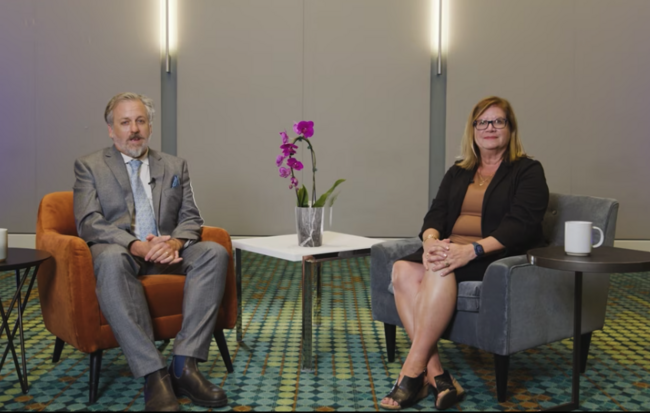
Several sessions emphasize integrated, multidisciplinary approaches to addiction care. Kristina Reinstatler, PharmD, MBA, BCPP, and Daniel Bebo, MD, will present on benzodiazepine tapering, focusing on structured, patient-centered programs that incorporate clinical guidelines while addressing misinformation encountered on social media. Their session underscores the importance of individualized taper strategies and clinician-patient communication.
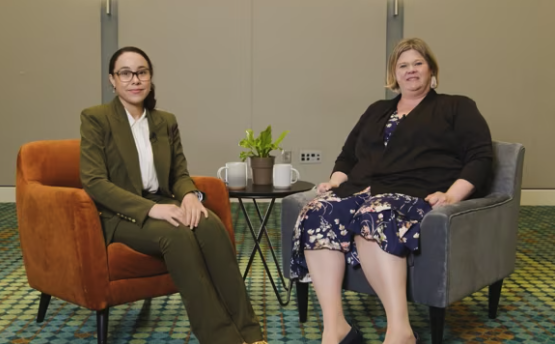
Collaborative care models for opioid use disorder (OUD) with co-occurring depression or post-traumatic stress disorder (PTSD) will also be featured. Colleen M. McCullough, MPA, and colleagues, including Brian Hurley, MD, MBA, will discuss outcomes from a completed clinical trial in safety-net primary care settings. Findings are expected to highlight improved care coordination and patient engagement through integrated behavioral health frameworks.
Advances in neuromodulation will be addressed in a session led by Hamed Ekhtiari, MD, PhD, and Kathleen T. Brady, MD, PhD, focusing on repetitive transcranial magnetic stimulation (rTMS). Presenters will review evolving protocols such as intermittent theta burst stimulation and emerging evidence supporting its use in substance use disorders with comorbid depression.
Additional sessions examine medication for opioid use disorder (MOUD) in correctional settings and integrated management of alcohol use disorder with psychiatric comorbidities.
Implications for Practice
These sessions collectively highlight a shift toward integrated, evidence-based, and patient-centered addiction care. As these insights shape day-to-day practice, clinicians may increasingly adopt collaborative care models, neuromodulation therapies, and tailored pharmacologic strategies. The featured innovations in correctional health and benzodiazepine tapering protocols could also inform practice guidelines and improve outcomes across diverse patient populations.