










Multidisciplinary Perspectives in the Management of High-Risk CSCC
In this four-part, case-based series, experts in dermatology/Mohs surgery, medical oncology, radiation oncology, and head and neck surgery explore multidisciplinary decision-making in the management of high-risk cutaneous squamous cell carcinoma (CSCC). Through real-world patient cases and practical discussion, faculty examine risk assessment, treatment planning, adjuvant immunotherapy considerations, and strategies to improve coordination across the care team.
 When Is Surgery Alone No Longer Enough?
In this case-based discussion, a multidisciplinary panel examines recurrent high-risk CSCC, including the distinction between local recurrence and in-transit disease, considerations for additional surgery and radiation, and the role of adjuvant immunotherapy following surgery and radiation.
 How Do You Determine the Best Treatment Strategy?
The panel discusses a patient with high-risk CSCC, exploring how disease characteristics, immune status, and multidisciplinary input inform postoperative treatment decisions and consideration of adjuvant immunotherapy.
 How Can the Multidisciplinary Team Optimize Patient Care?
Through a case involving recurrent scalp CSCC and cognitive impairment, faculty explore how recurrence risk, treatment feasibility, patient preferences, and caregiver involvement influence decisions about surgery, radiation, and adjuvant immunotherapy.
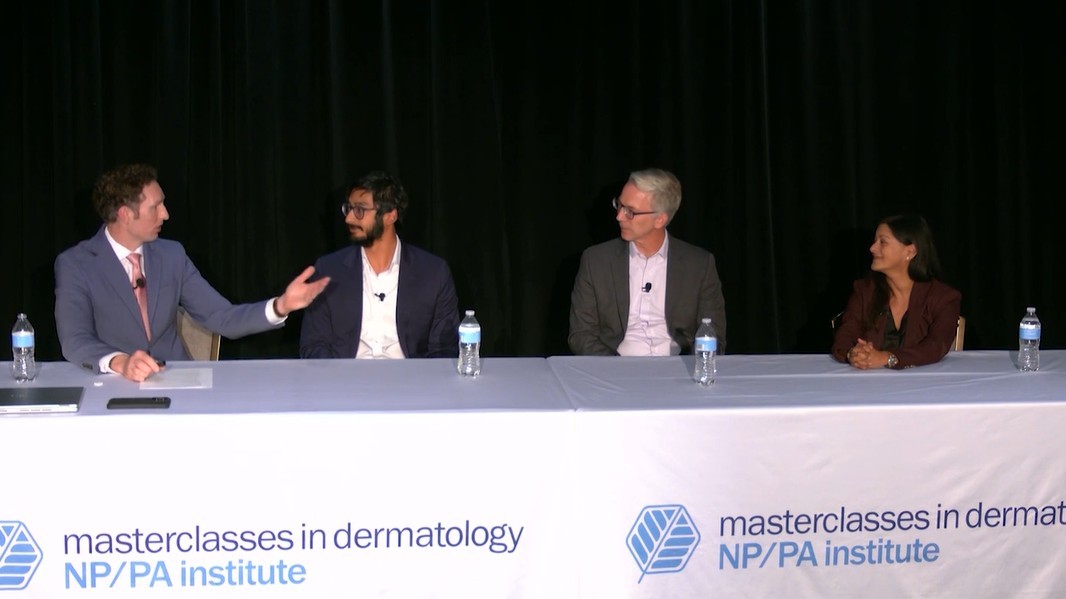 Practical Strategies for Multidisciplinary CSCC Care
In this closing discussion, faculty share practical recommendations for strengthening multidisciplinary care in high-risk CSCC, emphasizing timely communication, collaboration across specialties, and continuity of care in both academic and community settings.




