Single-Cell and Spatial Transcriptomics Reveal New Insights Into Psoriasis Pathogenesis
Advances in single-cell RNA sequencing and spatial transcriptomics are reshaping understanding of psoriasis pathogenesis, highlighting the role of cellular interactions and tissue microenvironments in disease heterogeneity, according to a review of emerging spatiotemporal multi-omics evidence.
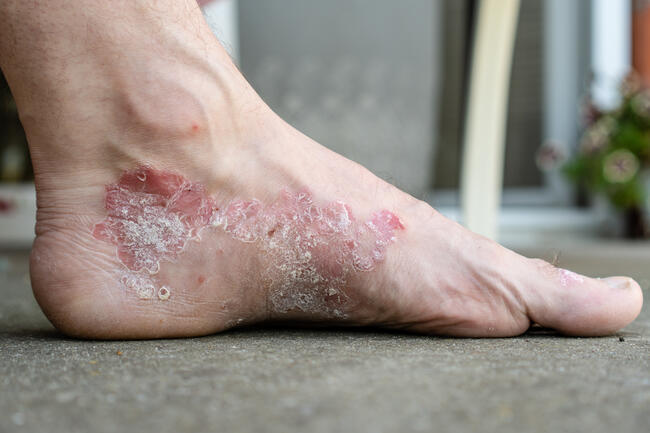
Psoriasis is a chronic systemic inflammatory disease characterized by diverse clinical presentations and immunopathologic mechanisms. Although bulk RNA sequencing established the IL-23/IL-17 axis as a central driver of psoriasis, tissue-averaged analyses may overlook cellular differences and localized inflammatory activity.
The review examined molecular findings across plaque, guttate, generalized pustular, palmoplantar pustulosis, and erythrodermic psoriasis, as well as psoriatic arthritis.
Researchers described a shift from a model focused on individual cytokines toward a “multidimensional, dynamic tissue ecosystem,” in which distinct disease subtypes may develop through specific cellular transitions and localized inflammatory environments.
These processes involve epidermal inflammation, dermal immune activity, stromal remodeling, and neurovascular interactions. Keratinocytes and fibroblasts, previously considered primarily passive targets of inflammation, are increasingly recognized as active participants in inflammatory signaling.
Through ligand-receptor interactions, these cells may contribute to the development, maintenance, and amplification of localized inflammatory responses.
Longitudinal studies of targeted biologic therapies also suggest that remodeling of the tissue microenvironment may occur before subsequent reductions in adaptive immune activity.
Importantly, clinical resolution of psoriasis lesions may not indicate complete elimination of underlying inflammation. Tissue-resident memory cells and memory-like fibroblasts may maintain residual inflammatory activity, potentially contributing to disease recurrence.
The authors proposed that future precision medicine approaches should extend beyond conventional clinical assessments, including the Psoriasis Area and Severity Index, toward strategies emphasizing “histological deep remission and comprehensive pathological niche remodeling.”
Reference
Cheng W, Luo T, Zhou X, Jing H. Psoriasis as a spatial immune ecosystem: insights from single-cell and spatial transcriptomics. Front Immunol. 2026;17:1915876. doi:10.3389/fimmu.2026.1915876