First Patient Enrolled in Penumbra’s FORWARD Study Evaluating Mechanical Thrombectomy and Computer Assisted Vacuum Thrombectomy for Distal Acute Ischemic Stroke
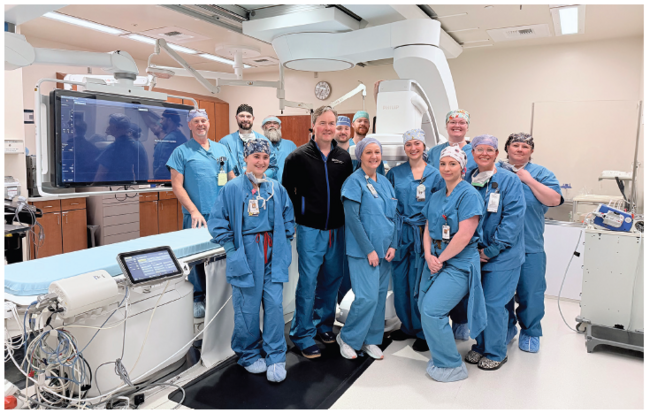
ALAMEDA, Calif. - Penumbra, Inc. announced the initiation of its FORWARD study, an international, real world prospective, multi-center study. The study will collect safety and efficacy data on mechanical thrombectomy, including computer assisted vacuum thrombectomy (CAVT™) and modulated aspiration, in the management of acute ischemic stroke with distal occlusions. The first patient was treated by Keith Woodward, M.D., neurointerventional radiologist at Vista Radiology in Knoxville, Tenn.
"Distal occlusions are among the more difficult strokes to treat as medical interventions for patients in this population have historically provided limited benefit," said Nitin Goyal, M.D., co-principal investigator of FORWARD and endovascular neurologist at Semmes-Murphey Neurologic and Spine Institute in Memphis, Tenn. "FORWARD is a prospective study designed to evaluate whether that paradigm can change. Mechanical thrombectomy has an established safety profile and a strong track record in treating large vessel occlusions. With the latest advancements designed for navigating deeper into the brain, the FORWARD study aims to determine whether these same benefits can extend to distal occlusions and help pave the way for an important treatment option for a patient population that has limited choices."
FORWARD (Functional Outcomes in Real‑World Treatment and Revascularization of Non-dominant and Distal M2 Occlusions) will enroll up to 250 participants at approximately 40 sites. The objective of the study is to evaluate Penumbra's market-leading RED reperfusion catheter portfolio, which includes THUNDERBOLT, the first CAVT platform to deliver modulated aspiration for acute ischemic stroke, to address M2 occlusions. The study will include patients treated with medical management alone and those treated with mechanical thrombectomy and medical management.
"Enrolling the first patient in FORWARD is an important milestone in understanding the true impact of mechanical thrombectomy on distal occlusions," said Alex Spiotta, M.D., co-principal investigator of FORWARD and chief of the neurosurgery department and director of neuroendovascular surgery at the Medical University of South Carolina. "We have already seen how mechanical thrombectomy can positively benefit patients with acute ischemic stroke by rapidly restoring blood flow to the brain and improve patient outcomes. The results of this study will help inform physicians on treatment selection for stroke patients with M2 occlusions, potentially supporting wider adoption of mechanical thrombectomy for this challenging condition."
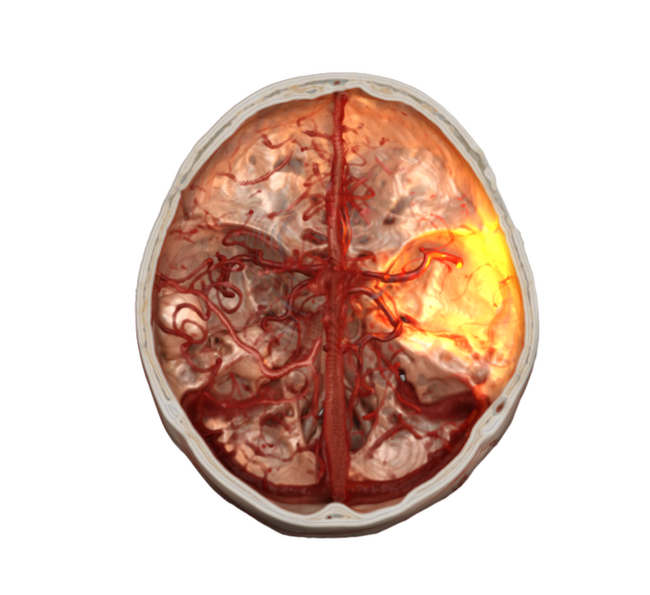
Stroke remains the third leading cause of death and disability globally, with approximately 11.9 million new cases in 2021 and about 94 million people living with its long-term effects.1 Distal vessel occlusions account for roughly 25-40 percent of acute ischemic strokes2,3 and studies estimate M2 occlusions occur in about 3-7% of acute ischemic stroke,4,5 or approximately 21,000-66,000 M2 strokes annually.6
"FORWARD will deepen the medical community's understanding of how mechanical thrombectomy, specifically our latest catheter and CAVT technology, can more effectively address the complexity of M2 stroke," said James F. Benenati, M.D., FSIR, chief medical officer at Penumbra. "Penumbra's commitment to clinical research offers more insight into how our innovations translate to real-world patient outcomes, reinforcing our mission to develop the most meaningful treatment options for challenging medical conditions."
THUNDERBOLT recently received CE Mark and FDA clearance. It introduces modulated aspiration to Penumbra's neuro thrombectomy portfolio, offering advanced CAVT technology designed to detect, fatigue, and completely ingest clot at the site of the occlusion.
Find More:
Renal Denervation Topic Center
Cardiovascular Ambulatory Surgery Centers (ASCs) Topic Center
Grand Rounds With Morton Kern, MD
Peripheral Artery Disease Topic Center