Florida Agencies Reflect on FSU Shooting Response
The morning of April 17 seemed like a regular day at the station for crew members of the Tallahassee Fire Department in Florida’s capital city.
“Some crews were doing their regular company training while ironically, a few members attended a unified command/active shooter training that morning, training they would use just a few hours later,” said Lieutenant Angel Guzman.
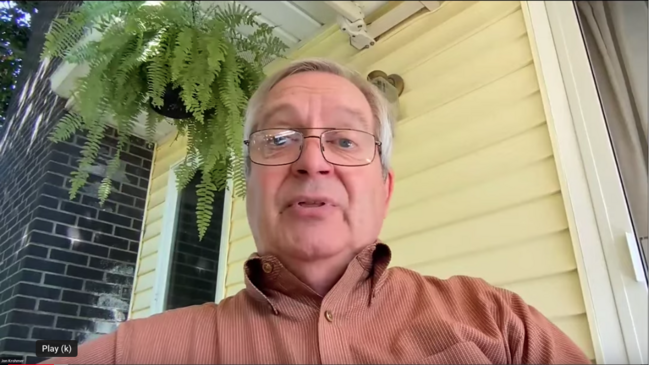
For Leon County EMS crews, “It was a typical Thursday morning shift until just before noon when the first reports started coming in, followed by dozens of emergency calls,” said Mathieu Cavell, community relations and resilience director for Leon County EMS
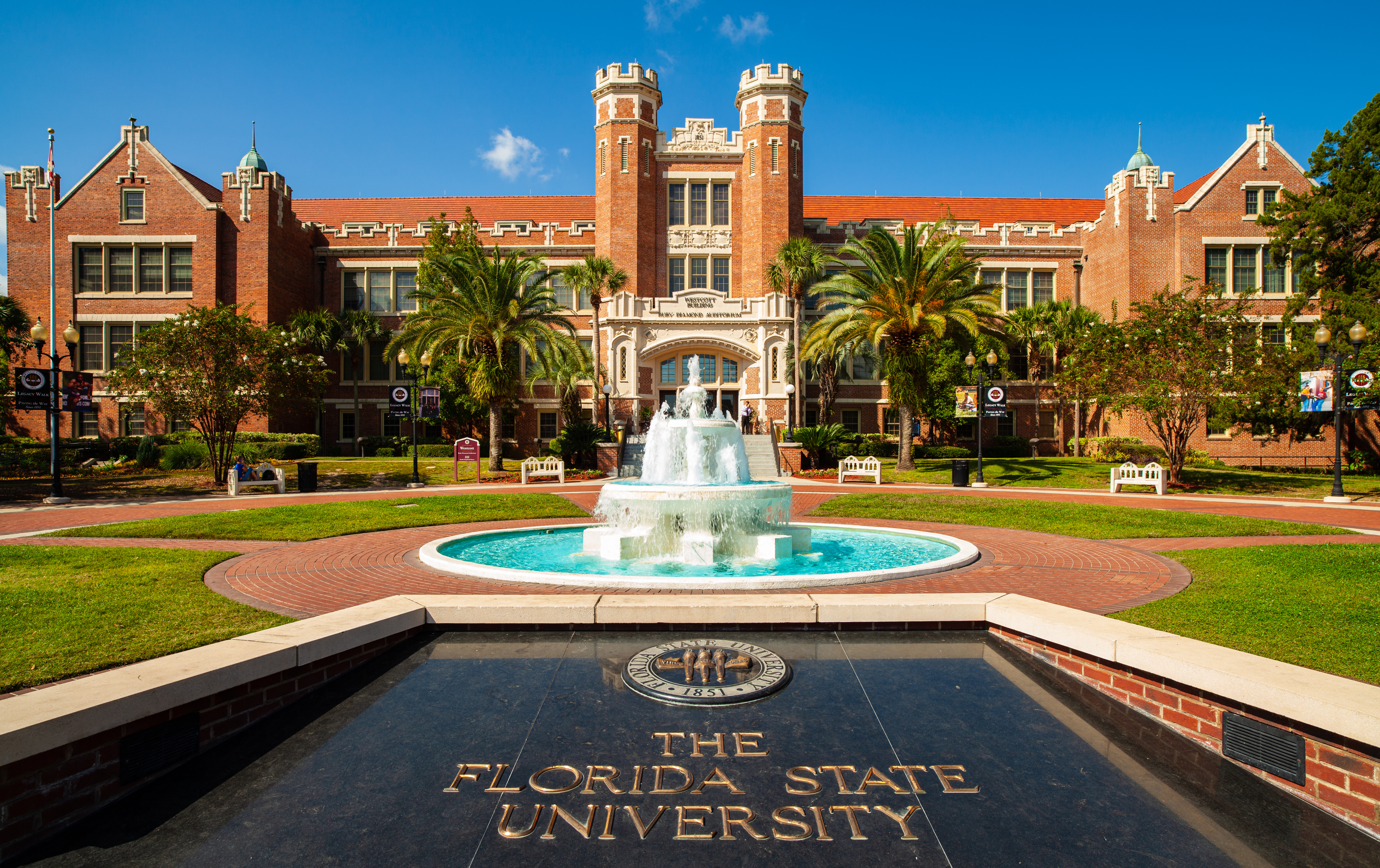
The nature of those calls: an active shooter on the Florida State University (FSU) campus.
The suspect, 20-year-old Phoenix Ikner, used a handgun belonging to his stepmother, a Leon County Sheriff’s Office deputy.
The shooting left two dead: an FSU dining coordinator and an Aramark foodservice employee. Five others were injured. One victim was injured fleeing the carnage, but didn’t require hospitalization.
Ikner was shot by police in the jaw and transported to the hospital.
Deployment and Operations on Scene
As the 9-1-1 calls came in, FSU issued an alert warning of a shooting in the student union area, and crews went into action.
“Upon arrival, our units set up a staging area and started gathering crews to form Rescue Task Forces (RTFs),” Guzman said. An RTF is a coordinated team of firefighters/paramedics and law enforcement officers who operate in warm zones—areas cleared and secured by law enforcement—during an active shooter or mass casualty incident.
Leon County EMS established a unified command involving its EMS crews, the FSU Police Department, Tallahassee Police Department, Tallahassee Fire Department, and Leon County Sheriff’s Office. Within six minutes, a casualty collection point was announced. Within 12 minutes, an ambulance staging area was set with the first RTF teams deployed.
“Once paired with law enforcement, the RTF teams made entry into the warm zone and began treating patients. Our crews rely on their training to focus on their mission,” Guzman said.
Leon County committed 14 ALS ambulances, three supervisor SUVs, two chief officers, and one mass casualty trailer. The agency’s response involved 26 on-duty personnel, nine support personnel, and 33 off-duty personnel for surge. Mutual aid came via two ALS ambulances from Tallahassee Memorial Healthcare. Wakulla County and Taylor County EMS units were on standby. EMS led medical coordination under unified command.
Guzman said that every one of Leon County’s 26 law enforcement agencies were on the scene as well as 15 units from the Tallahassee Fire Department, including support staff and chief officers. Leon County EMS had several ambulances at the ambulance exchange point ready to transport victims.
“Some of our local hospitals sent their transport units to stand by and we did hear of some people—possibly law enforcement—that responded from other counties,” Guzman said. “On the fire department side, the initial response started with dispatch and command staff who were aware of a situation unfolding. Once on scene, the incident commander coordinated with the staging officer to manage units and personnel.”
Tallahassee Fire Department crews worked closely with Leon County EMS, whose supervisors carry whole blood, Guzman said, adding paramedics also have received training to carry out such interventions.
Training
Guzman noted in recent years, the agency has supplied all its units with ballistic vests and helmets and updated its standard operating guidelines to include a response for an active shooter.
“With that came a multiagency Rescue Task Force training for our members to learn how to move with law enforcement during these types of incidents,” he said. “This year, we have been hosting a training which focuses on unified command for the active shooter. This is for supervisors and agency representatives to practice managing that type of incident.”
That training is a critical component of the response. For Leon County EMS, that entails year-round active shooter/hostile event response drills. In summer 2022, the agency conducted Operation Timberwolf, a full-scale exercise simulating an active shooter event in a high school.
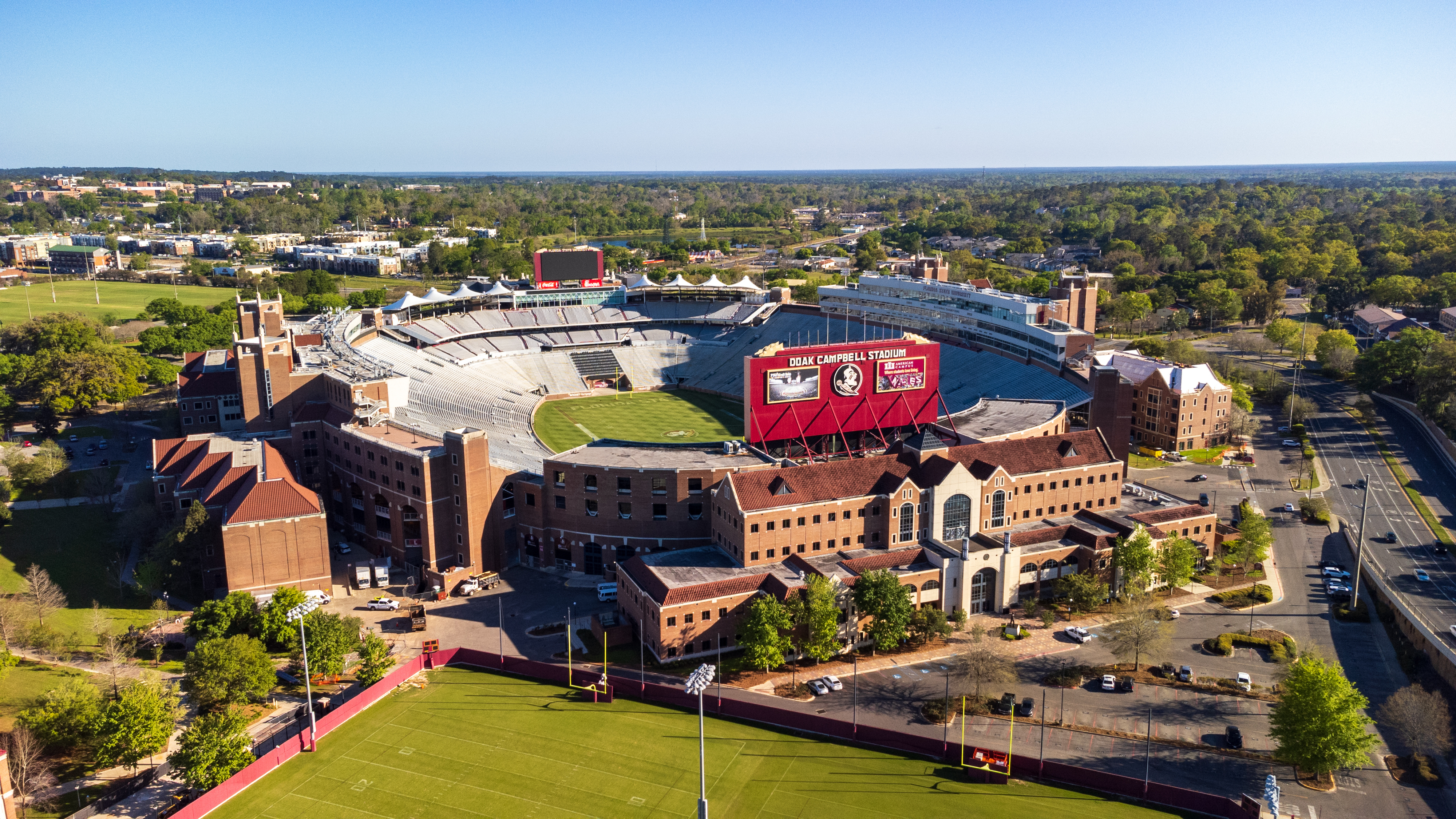
From winter 2023 to spring 2024, Leon County EMS participated in multi-agency drills as part of a rescue task force cycle. In summer 2024, the agency conducted an FSU stadium evacuation scenario. Doak Campbell stadium has 60,000-seat capacity. A unified command tabletop series was done in spring 2025 and is ongoing. Other efforts include shared radio talk groups plus a single CAD system across all disciplines. Hospitals participate in major exercises.
Equipment on every ambulance includes an MCI/ASHER kit, ballistic vest, and helmet. Clinical enhancements include a Prehospital Whole Blood Transfusion Program and a countywide “Stop the Bleed” training for residents.
Challenges and After-Action
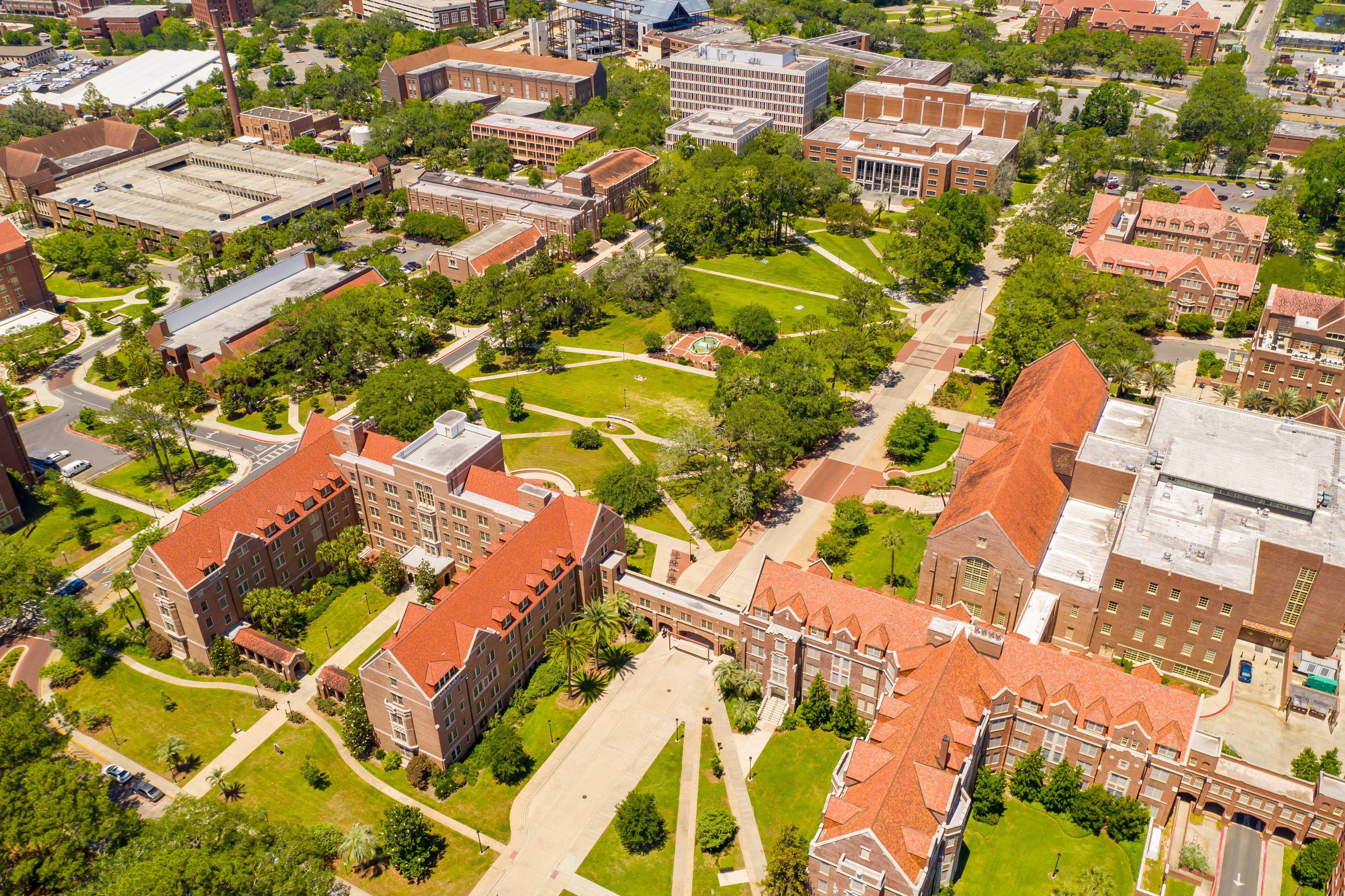
Operational challenges for Leon County EMS included the campus’ large footprint and the dense population. There were initial reports of multiple shooters and an unknown victim count as well as rapidly shifting access points, Cavell said.
“Communications are always tough on large, complex incidents,” Guzman said. “Having to deal with multiple agencies and an overwhelming amount of radio traffic made things difficult, but we were able to overcome it pretty quickly.”
 Curtis Sommerhoff, FSU’s director of emergency management, declined comment for this story, stating “the shooting incident at FSU is still an active and open investigation and we are very much engaged in recovery. As such, we have not yet held an after-action review and are not in a position to comment at this time.”
After the incident, the Tallahassee Fire Department crew engaged in an after-action review, which happens following significant incidents to discuss the operations aspect. “We also offer members assistance through our in-house Peer Support Program," Guzman said. “Our Peer Support Team is comprised of our own members with training supported through the 2nd Alarm Project. Additionally, we have a lieutenant who provides station visits with his therapy dog.”
For Leon County EMS, post-incident support entailed immediate activation of the Peer Support Team and same-day defusing. There was a formal CISM debrief the following Tuesday. EAP and therapy K9 resources were offered.
Guzman said the incident reinforced the importance of training. “Train, train, train,” he said. “Most of our people felt they were adequately prepared for this type of call because of the training they have received.”
Cavell added that early trauma center notification saves lives. It’s important to build interagency relationships before an incident, he said. “Stock MCI gear on every vehicle—there’s no time to fetch caches,” he said. “Plan for the unexpected. Maintain flexibility. Activate the joint information center and family reunification center early.”
Community Recognition
First responders were thanked with signs at a sporting event at FSU following the incident. “The public recognition makes us proud of what we do,” Guzman said. “It’s a reminder of who it is we work for—the people. The gratitude they display lets us know that we are successfully carrying out our mission of being fully committed to protecting our community.”
“Public thanks at the next FSU game boosted morale,” Cavell said.
 “I could not be more proud of the team, their training, and their selfless commitment to saving lives in the face of danger,” said Leon County EMS Chief Chad Abrams. “Because of their quick action, every patient we transported survived.”
“Our personnel—on duty and off—made the difference through their training, courage, and rapid surge response,” Cavell said.
Leon County has a consolidated dispatch agency that facilitates multi-agency coordination at every level. “We saw that system work flawlessly on April 17,” said Leon County Administrator Vincent S. Long. “Our EMS crews arrived on scene in under a minute and ran directly into a warm zone to save lives. I am humbled by their bravery—in the face of tragedy, they once again proved why they’re one of the finest services in the nation.”