Raise Your EMT Game: Elevating Your Clinical and Communication Skills from First Glance to Patient Handoff
In some two-tiered systems, BLS sometimes gets a bad reputation from ALS providers when they present (or are seen) as nothing more than "lifters and movers" instead of effective assessors and clinical practitioners. Good emergency medical assessment requires more than technical knowledge by the EMT; it demands systematic thinking, sharp observation skills, and clear communication. This article will help guide EMTs to being a more effective part of the patient care experience in a two-tier system.
Mission #1: Figure Out What’s Going on and Communicate it!
Dispatch Information: Prepare Appropriately
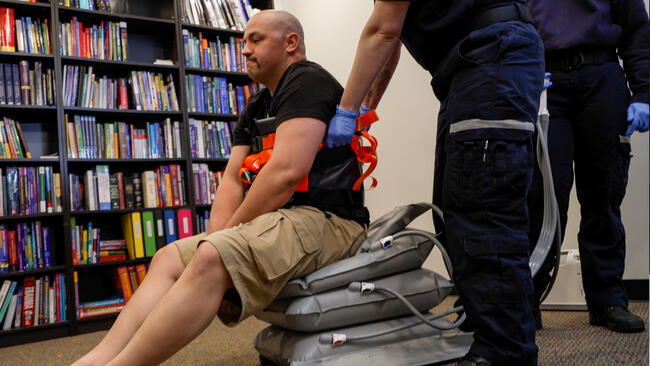
Thoughtful preparation based on dispatch information improves your readiness on scene. Consider what equipment is essential versus what might be needed based on the limited details provided. Bring essential equipment for immediate patient needs and consider additional tools that might be needed based on the nature and location of the call. Always bring appropriate lifting and moving devices such as a stretcher, stair chair, or Reeves stretcher—patient movement is most often inevitable, and proper equipment prevents provider injury and ensures patient safety. It also prevents having to leave your partner to go back to the ambulance to get a lifting or moving device and as a result, delaying transport.
Taking in the Scene: Environmental Assessment
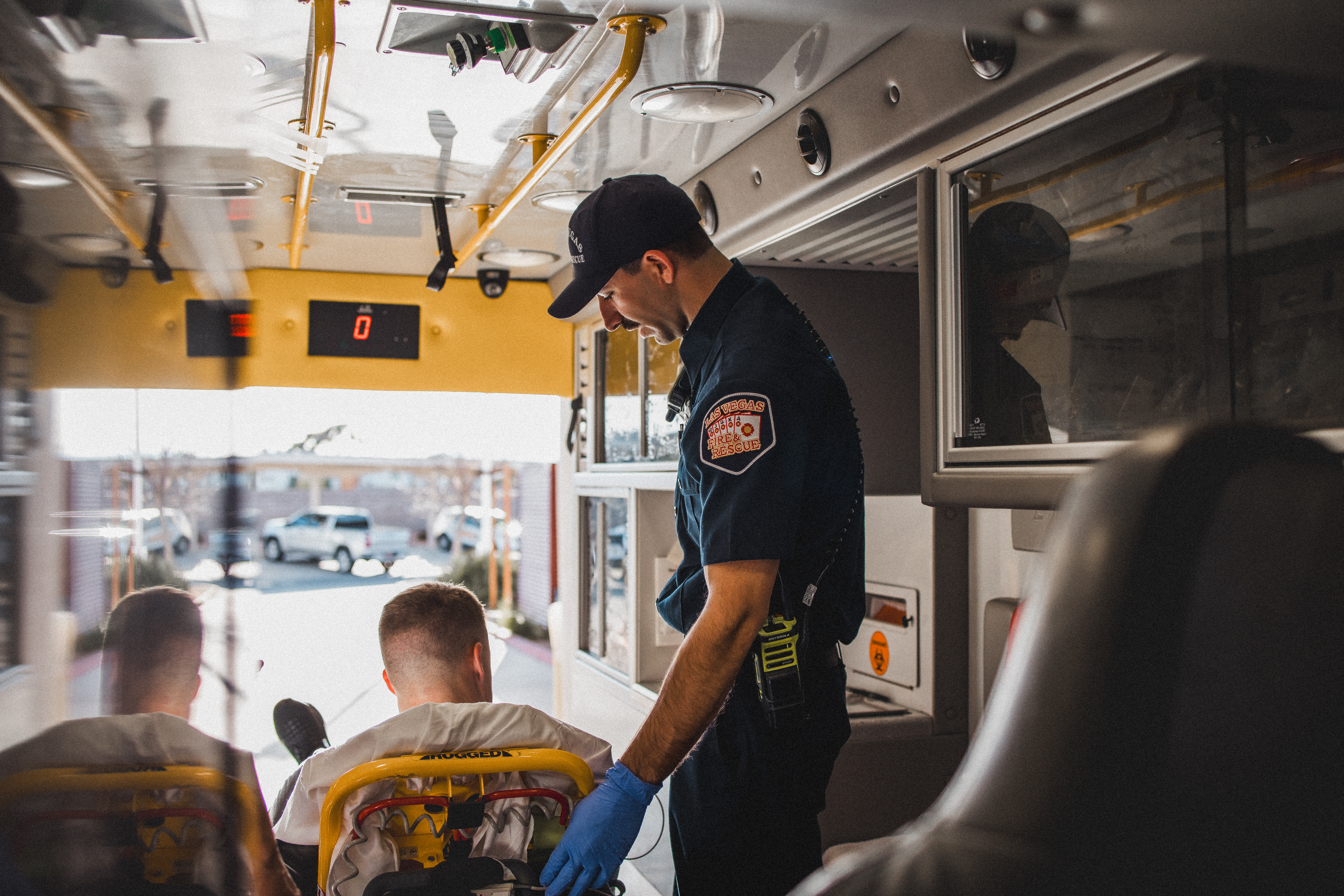
The environment speaks volumes before you exchange a single word with your patient. As you enter, observe the living situation—does the patient live alone, with a partner, or with family? Note mobility considerations: Are there steps or a lift? Do you see assistive devices like canes, walkers, or wheelchairs? Environmental factors matter too—is the home clean? Are there signs of smoking? What types of food are present? Medical indicators provide clues about chronic conditions: home oxygen equipment, medication bottles, glucometers, or insulin in the refrigerator can reveal ongoing health issues. Also remain alert for substance use indicators and safety concerns, including potential weapons. Always keep your proverbial "head on a swivel" for danger or crew safety issues. Call for additional resources early if you need them and ensure that every crew member has a radio. These observations provide critical context for patient presentation and may reveal important medical history before your interview begins.
Primary Assessment and Vitals: The First 90 Seconds
The initial patient contact sets the tone for the entire encounter while yielding critical clinical information. Maximize these moments by introducing yourself while simultaneously taking a radial pulse and observing the scene. Begin with your ABC assessment—airway, breathing, circulation—then count respiratory rate and assess quality. Ask open-ended questions such as "What's bothering you today?" or "Why was 9-1-1 called?" to identify the chief complaint. Auscultate lung sounds early, as respiratory compromise represents a common life threat. Have your partner take blood pressure and pulse oximetry while you continue the interview, addressing immediate concerns as you assess—treat as you go.
Airway Assessment
Systematic airway evaluation ensures this most critical physiological function remains intact. Check for nasal flaring, which suggests respiratory distress. Identify any fluid in the airway and suction as needed to maintain patency. Assess responsiveness to verbal stimuli, inserting a nasopharyngeal airway if the patient is unresponsive to ensure the airway remains open. Evaluate the gag reflex and consider an oropharyngeal airway if there's no response to nasal airway placement. This sequential approach ensures appropriate airway management based on the patient's level of consciousness and protective reflexes. In short, assess, suction, and secure! If you don't have an airway, you don't have anything!
Breathing Assessment
After securing the airway, evaluate breathing patterns thoroughly. Look for paradoxical chest movement, which may indicate flail chest or diaphragmatic injury. Note the respiratory rate—both tachypnea and bradypnea provide important diagnostic clues. Observe for accessory muscle use, particularly in the neck and shoulders, which suggests increased work of breathing. Tripod positioning, where the patient leans forward supporting the upper body with arms, indicates severe respiratory distress. Also check for intercostal or supraclavicular retractions, which signal significant negative inspiratory pressure and potential respiratory failure.
Lung Sound Assessment
Within your first 90 seconds, auscultate systematically from bases to apices, noting abnormal sounds that suggest specific pathologies. Wheezes indicate bronchospasm or airway obstruction, while ronchi suggest mucus in larger airways. Rales (crackles) point to fluid in alveoli or small airways, commonly heard in pulmonary edema or pneumonia. Stridor signals upper airway obstruction, a potentially life-threatening condition requiring immediate intervention. Gurgling sounds suggest fluid in larger airways, while diminished sounds may indicate pneumothorax, hemothorax, or poor air movement. Complement your auscultation by asking if the patient has a cough (productive or nonproductive), sputum color, and sleeping habits—particularly how many pillows the patient needs, as multiple pillows may indicate orthopnea.
Treat as you go—if your assessment indicates that you can treat an abnormal finding with a medication or procedure that is within your scope of practice, do it! Based on your local protocols, treat aggressively to improve the patient's condition with airways, oxygen, CPAP, and albuterol as indicated.
Circulation Assessment
A thorough circulatory evaluation provides insights into perfusion and cardiac function. Check bilateral radial pulses for strength and equality—differences may suggest vascular compromise or injury. When radial pulses are absent, assess carotid pulses, which persist with greater hypotension. Evaluate for pedal edema, particularly in patients with cardiac, renal, or hepatic complaints. If edema is present, assess for pitting, which provides information about chronicity and severity. These assessments reveal both acute and chronic circulatory issues that inform your differential diagnosis and treatment priorities.
Rule In/Rule Out: Clinical Decision Making
Effective field care focuses on identifying and treating urgent conditions within your scope of practice. Remember the acronym CUPS—Critical, Unstable, Potentially Unstable, Stable—to prioritize your assessment for hypoxia, hypoglycemia, hypovolemia, anaphylaxis, toxins, opiate overdose, uncontrollable bleeding, and trauma. These conditions represent rapidly reversible causes of deterioration that BLS emergency medical providers can address in the field prior to ALS intervention. Obviously, follow your local protocols, but nationwide, most BLS units carry nebulizers, glucose, naloxone, epinephrine, tourniquets, aspirin, CPAP, and oxygen. Use the tools you have, if indicated!
When presented with a chief complaint, develop a focused differential diagnosis. For example, with chest pain, consider myocardial infarction, pneumonia, indigestion, pulmonary embolism, pericarditis, cardiogenic shock, or chest wall injury. Select the two or three most likely diagnoses based on presentation and history, then focus your assessment accordingly. This targeted approach improves efficiency without sacrificing clinical thoroughness. "Rule in" possible causes. "Rule out" obvious nonissues.
Expanded Assessment Techniques
In addition to standard assessment components, consider supplementary techniques when indicated by the clinical presentation. Palpation of the abdomen, pelvis, chest, or trachea can reveal tenderness, masses, crepitus, or deviation that provides diagnostic clues. Breath odor assessment may detect acetone/fruity smells suggesting diabetic ketoacidosis, fecal odor indicating bowel obstruction, almond scent associated with cyanide exposure, or alcohol. Orthostatic vital signs help evaluate volume status, while oral temperature provides a more accurate core reading than peripheral measurements. Skin turgor and tenting assessment offers information about hydration status. Listening for carotid bruits may reveal vascular disease, while eye tracking and pupillary response evaluation, and a RACE stroke assessment provides neurological insights. These expanded techniques, applied selectively, enhance your assessment without unnecessarily prolonging patient contact. Again, treat as you go and multi-task where possible.
Effective Patient Interviewing
Masterful questioning yields more valuable information in less time. Always use open-ended questions rather than those requiring only yes or no answers. Instead of asking, "Do you take any medications?" ask "What prescription medications do you take? What over-the-counter or herbal supplements? Are there medications you're supposed to take but haven't?" This approach provides comprehensive medication information while revealing compliance issues.
Similarly, avoid the vague "Do you have any past medical history?" Instead, ask specific questions: "Have you been to the emergency room before? Have you ever been hospitalized? Do you have any history of heart problems, lung issues, seizures, stroke, TIA, or cancer?" These targeted inquiries yield more complete and relevant information. Throughout your assessment, know normal parameters and systematically evaluate for abnormalities. Conclude your interview with the powerful question: "Is there anything I haven't asked that you think I should know to help with your care today?" This open-ended inquiry often reveals critical information the patient didn't mention because they didn't realize its importance.
Clinical Reasoning by Presentation
Developing strong differential diagnoses based on presenting complaints improves treatment decisions. When assessing abdominal pain, consider cardiac causes like MI, gastrointestinal issues including ulcers, gastroenteritis, or pancreatitis, gynecological problems such as ovarian cysts, and other conditions like appendicitis, kidney stones, sickle cell crisis, or gallstones. The location, quality, and associated symptoms help narrow these possibilities.
For altered mental status, your "rule in/rule out" should include diabetic emergencies, cerebrovascular events like CVA or TIA, seizures, substance use, alcohol intoxication, hypovolemia, head injury, temperature-related emergencies, poisoning, sepsis, shock, or vasovagal episodes. Your assessment findings, particularly vital signs and neurological evaluation, help identify the most likely causes.
Chest pain suggests cardiac issues like acute myocardial infarction or congestive heart failure, pulmonary problems including pneumonia, bronchitis, or pulmonary embolism, or gastrointestinal causes such as indigestion. The character of pain, associated symptoms, and risk factors guide your clinical reasoning.
Respiratory distress may stem from asthma, COPD, congestive heart failure, myocardial infarction, inhalation injury, allergic reaction, pneumonia, or upper respiratory infection. Lung sounds, work of breathing, and response to interventions help differentiate these conditions. This presentation-based approach streamlines assessment while ensuring you consider common and critical diagnoses.
Crafting an Effective Hand-off Report
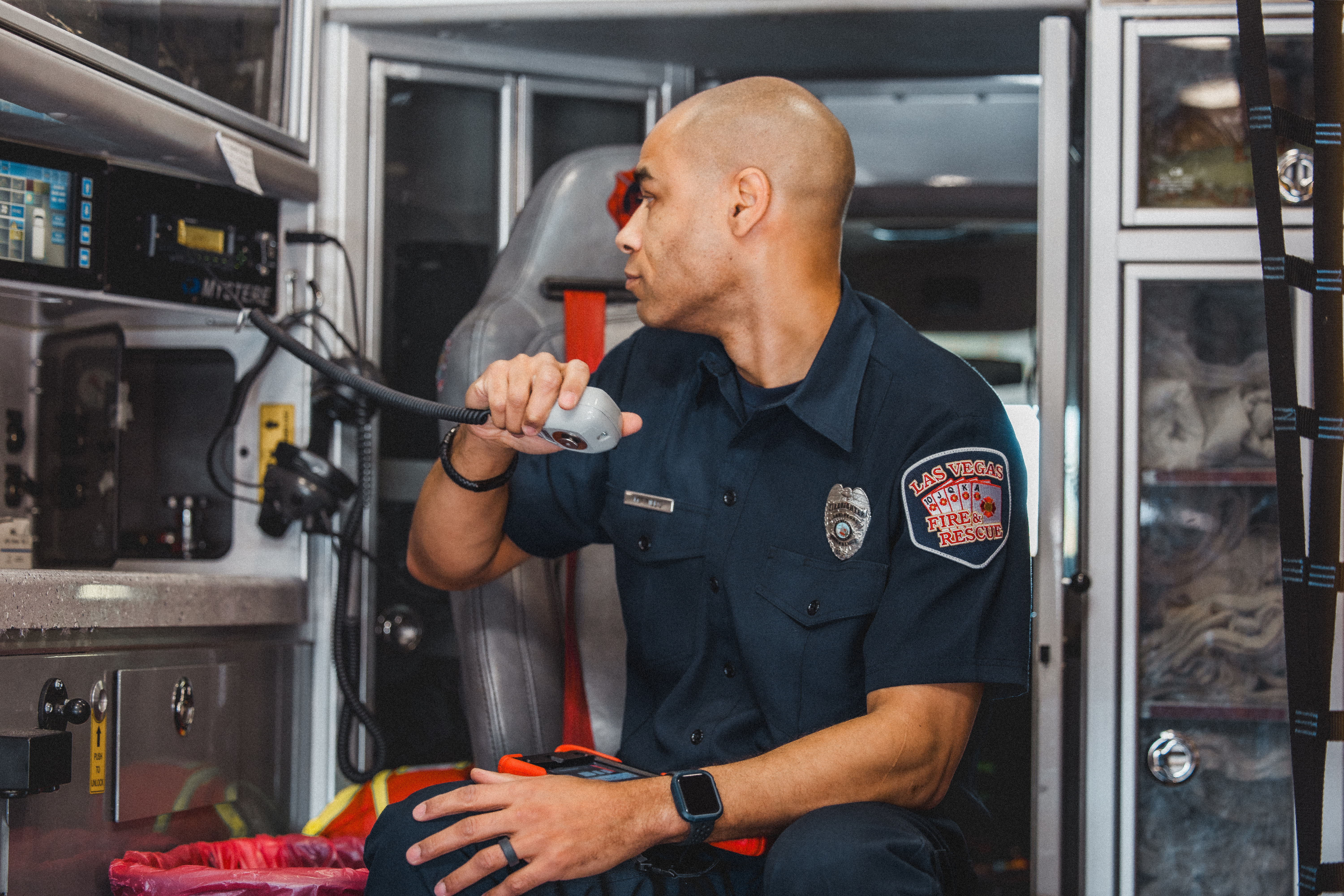
The culmination of your assessment and care comes in the form of a concise, professional hand-off report. Whether your BLS report is to the subsequently arriving ALS unit, to medical control via the radio or phone, or an emergency room handoff to a nurse or physician, maintain patient ownership throughout this process—don't step aside or relinquish care responsibility. Make eye contact with the receiving provider and ask, "Who would like report? Let me know when you're ready." This simple courtesy ensures they're prepared to receive critical information.
Prioritize information delivery in your report, providing the most important details first and keeping the entire verbal report under 30 seconds. Maintain professional communication throughout, avoiding informal language and rambling narratives that dilute important clinical details. Do not just repeat your dispatch information! Ensure your patient is appropriately packaged for transport before or during your report, demonstrating your commitment to complete care. Be confident in your findings!
Your hand-off should include the patient's name with formal address (Mr./Ms./Mrs.), age, and gender. State the chief complaint in the patient's own words, followed by pertinent positive and negative findings. When applicable, include the OPQRST assessment (Onset, Provocation/Palliation, Quality, Region/Radiation, Severity, Timing). Report abnormal vital signs, including skin condition and lung sounds, but never describe vitals as merely "stable" or "normal"; provide specific values for abnormal findings or explain why today is off the patient's baseline, if known.
Include relevant medical history, allergies, and medications, particularly those pertinent to the current complaint. Detail interventions you've provided and the patient's response to treatment. Do not just hand the ALS provider or nurse the nursing home paperwork and say "it's all here." Add any additional information that clarifies the clinical picture, and conclude with your working field diagnosis, treatments thus far, and supporting rationale. This comprehensive yet concise report ensures continuity of care and demonstrates your clinical skill. Be sure to share and document any interventions and medications you've administered prior, along with dosages and time.
Report Examples
A medical verbal hand-off might sound like: "This is Mr. Roy DeSoto, 57-year-old male complaining of chest pain, shortness of breath, and nausea. Pain began gradually about two hours ago while watching TV, nonprovoked, dull in nature, nonradiating, 7/10. He has a history of angina and a-fib and is prescribed nitroglycerin. We've assisted with his administration of his nitro and four baby aspirin per protocol. He's allergic to penicillin and takes medication for angina, a beta-blocker, and Claritin for allergies. Blood pressure is 146/82 with a strong radial pulse of 90, nonlabored respirations of 16, saturating at 98% on 2 liters nasal cannula. Skin is pink, warm, and dry with clear lung sounds from apices to bases. Any questions? Would you like to work up here or have us move to the ambulance?"
A trauma hand-off could be: "This is Kelly Severide, a 25-year-old male passenger from a two-car MVA at approximately 35 mph. He was belted, airbags deployed, T-bone impact on driver's side with vehicle rollover requiring a five-minute extrication by the fire department. Patient is conscious and alert with pain in bilateral femurs, obvious right femur fracture, and possible right humerus fracture. Chest is clear without flail segments. Lung sounds slightly diminished on right side without tracheal deviation. Weak radial pulse at 120, respirations 22 and mildly labored, BP 100/60 and an SpO2 of 95%. He's on oxygen 15 lpm with a nonrebreather, bleeding is controlled. We intend to transport to University Hospital with trauma alert activation. What else do you need to know?"
Conclusion
Exceptional emergency medical care combines systematic assessment, critical thinking, and clear communication. By mastering these skills—observing thoroughly, assessing systematically, questioning effectively, and reporting confidently and concisely—you'll elevate your clinical practice and improve patient outcomes.
Raising the level of your EMT game isn't about attitude; it's about excellence in every aspect of patient care from the moment you receive the call until you complete your hand-off report and later transfer the patient at the hospital. This methodical approach ensures comprehensive care while maintaining efficiency in even the most challenging situations. Through deliberate practice of these techniques, emergency medical providers develop the clinical confidence that characterizes truly exceptional prehospital care and improves the BLS/ALS partnership.