28 States Now Part of EMS Compact, Expanding Cross-Border Mobility for Emergency Responders
Connecticut, Arizona, and Alaska have joined the U.S. EMS Compact, bringing the total number of participating states to 28. Their addition expands legal practice mobility for EMS clinicians, allowing eligible EMTs, advanced EMTs, and paramedics licensed in one Compact state to have their credentials recognized when working across state lines under authorized EMS operations. While all three states have enacted Compact legislation, the laws in Alaska and Arizona take effect in late September 2026, and Connecticut's statute includes a delayed implementation clause with no defined implementation date.
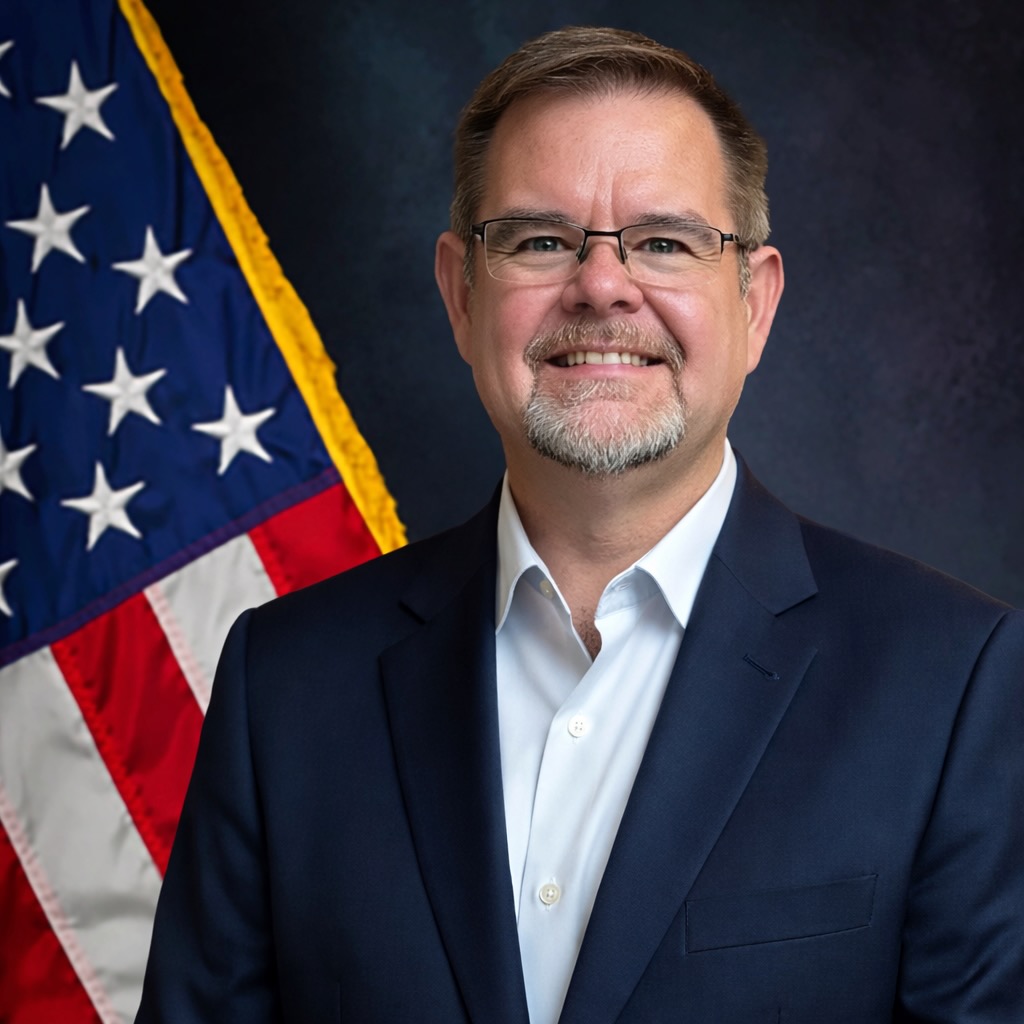
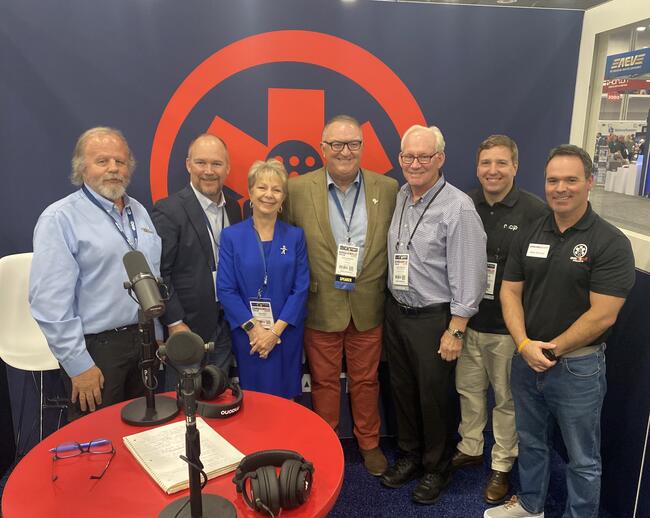
"The EMS Compact is a legal agreement created under law that is passed in each state that allows for one state EMS license to be immediately recognized in any of the other participating states," explains Donnie Woodyard Jr., executive director of the Interstate Commission for EMS Personnel Practice, which oversees the EMS Compact. “Currently there's just under 500,000 EMS clinicians in the United States with this privilege.”
Officially known as the Recognition of Emergency Medical Services Personnel Licensure Interstate Compact (REPLICA), the EMS Compact functions much like a U.S. driver’s license. If an EMT, advanced EMT, or paramedic is licensed in one member state, their credentials are automatically recognized in other member states. There are no temporary state-license applications to file and no additional licensing fees to pay.
The 28 member states of the EMS Compact are Alabama, Alaska, Arizona, Arkansas, Colorado, Connecticut, Delaware, Georgia, Idaho, Indiana, Iowa, Kansas, Louisiana, Mississippi, Missouri, Nebraska, Nevada, North Dakota, Oklahoma, Pennsylvania, South Carolina, South Dakota, Tennessee, Texas, Utah, Virginia, West Virginia, and Wyoming.
The EMS Compact provides a legal basis for common EMS cross-border practices. “Since the 1960s, if someone needed an EMT or a paramedic or an ambulance, jurisdictions who had things like mutual aid have been able to call for assistance from the closest EMS provider, even if that was out of state,” Woodyard told EMS World. “The problem is the legal foundation for this practice wasn't always in place. States have the exclusive authority to license EMS personnel and because of that, even though an EMS provider might be doing the right thing, it wasn't necessarily the legal thing to do.”
Being able to practice across state borders is a big win for the American public, especially during natural disasters when extra help from out of state is urgently needed. It also helps during major events. “One example is Burning Man out in Nevada,” said Woodyard. “Before Nevada became a Compact state, they would have to license hundreds of out-of-state EMS personnel for that one event. Joining the Compact has literally saved the State EMS Office hundreds of hours because they don't have to process those license applications anymore.”
Today, there are three requirements that an EMS professional must meet to qualify under the EMS Compact. First, the person must hold an active, unrestricted license in an EMS Compact member state that requires FBI-compliant background checks and National Registry (NREMT) certification. Second, their licensing data must be clear and active within the National EMS Coordinated Database. Third, the person must be formally affiliated with an EMS agency that is legally authorized to operate in the destination state.
While the EMS Compact does remove the bureaucratic hurdle of obtaining multiple state licenses, it doesn’t rewrite local medical laws. When an EMT or paramedic crosses a state line under the EMS Compact, they must follow the clinical practice protocols of the state they are currently standing in. In other words, if a paramedic’s home state allows a specific advanced procedure that the destination state prohibits, the paramedic can’t perform that procedure across the border under the EMS Compact.
With 28 states now participating, the EMS Compact has moved well beyond a regional experiment. Woodyard expects that growth to continue, pointing to renewed interest in Florida and stakeholder discussions on the West Coast in Oregon, Washington, and California.
“So slowly but surely, we are making progress,” he said.