Digging Into the Headlines: What’s Happening with EMS in Kentucky
Editor's Note: This interview took place early in 2025. EMS World reach out to the Kentucky State Board of EMS to learn of updates, but did not receive a response.
“Kentucky's shortage of EMS providers is considered among the worst in the U.S..” That was the Oct. 22, 2024 headline on WDRB.com. That’s the website run by WDRB-TW, the Fox network affiliate in Louisville.
“Kentucky's board of Emergency Medical Services shared the alarming statistic with lawmakers Tuesday in Frankfort,” the short WDRB news story explained. “Some of the reasons cited for the shortage include pay, lack of trainers in western and eastern Kentucky, and ambulance rides are not being reimbursed at a rate that covers services—which leads to low retention of EMS in the field.”
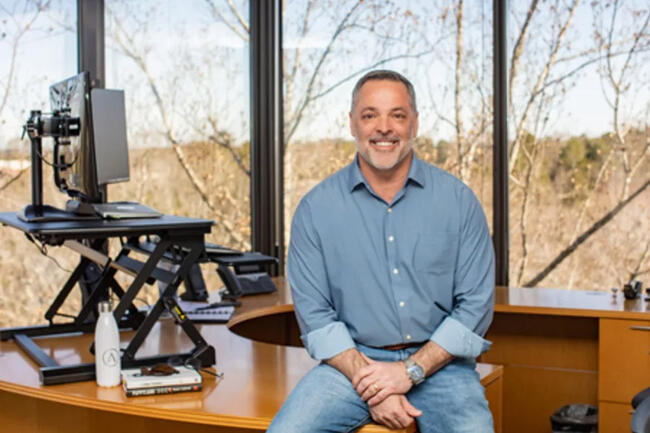
To dig into this headline, EMS World spoke with John Holder. Briefly quoted in that story, Holder chairs Kentucky’ State Board of EMS.

EMS World: The WDRB news story made Kentucky’s EMS staffing situation sound like a real crisis. What are you actually up against, and what are you doing about it?
Holder: Kentucky's not immune to the EMS workforce shortages that are being felt across the nation. When we started to see some troubling trends, we reached out to some of our neighboring states, trying to identify some of the successful mitigation strategies they were using, and to reveal some of the shortcomings that we had that maybe we didn't recognize.
EMS World: So what did you do?
Holder: We ran several surveys. We reached out to some of our stakeholders across the state. Based on that, what we're seeing in Kentucky is that we have a 21% attrition rate with our EMS providers. So basically 21% of our workforce this year won't return next time they recertify, which is troubling. So obviously that lends to a retention problem.
What we also identified was that only 47% of our certified providers were actually affiliated with an EMS agency. In other words, less than half of the folks that were out there certified were actually working on ambulances.
EMS World: What impact has this had on EMS in Kentucky?
Holder: Well, we did some digging and discovered that we weren't replacing paramedics as they left. Our EMT numbers weren't bad, but our advanced providers, specifically paramedics, were pretty rough.
We’re just not keeping up on paramedic training. Over the last decade, we've created 110 paramedics on average per year. But some of those years, especially post-COVID, were bad. I know we only did 70 last year.
I spoke with the National Registry of Emergency Medical Technicians, and they told me that this was actually the worst rate in the country. As you can imagine, that was concerning for us.
EMS World: But this isn’t all you’re up against, is it?
Holder: It isn’t. We also looked at calls for service. What we found was that, over the past five years, our calls for service have increased by 30,000 runs. So not only are the numbers of providers dropping, but the need for those providers are increasing, which obviously compounds the problem.
EMS World: So what did you do next?
Holder: We started sending out surveys, again, reaching back out to stakeholders. Okay, we've identified the problem. How do we fix it? What's causing it? And what we discerned was, and I'm sure it's not that much different than any of our surrounding states, and probably across the nation, is that we identified really three factors that were causing the trouble.
EMS World: The WDRB story described those three factors as inadequate reimbursements for ambulance rides, low pay, and insufficient educational opportunities. Is that correct?
Holder: Yes. Prehospital reimbursement is challenging as you can imagine. And going along with that was compensation: A lot of our care providers are doing very difficult jobs and the compensation wasn't keeping up.
That's hand in glove, right? You can't address compensation until you address reimbursements. It’s hard to give raises when you're losing money on the majority of your runs.
And then lastly, access to EMS education in Kentucky was really a problem. The Kentucky Department of Rural Health put out a survey and found out that eight times as many EMTs were interested in going to paramedic school as were actually going. So why is that? Well, there were several different issues such as the cost of the class, finding time off, and childcare, but by and large it was access to education. In Kentucky [population 4.5 million], we have fewer paramedic training sites than they do in the entire state of Idaho [population 1,96 million], for instance.
EMS World: Now that you know what your problems are, how are you addressing them?
Holder: We worked on compensation, and we worked on treatment in place initiatives. We worked with the state legislature to see what we could do about reimbursements, and we also really hit education hard. We established a workforce committee, and they have developed and are getting ready to implement a more flexible training regimen that will allow us to take paramedic education into the more rural parts of Kentucky.
According to the National Registry, we trained 66 paramedics in 2023. We will more than likely double the amount of paramedics that we create this year, which was our goal. That number is based on the number of students who have signed up and the education plan we have in place.
If you have enough paramedics to staff the ambulances and make the runs, it decreases the workload on those who are there now. So we're hoping it'll create a better culture for those folks and convince them to stick around. And it'll also buy us time to work on some of our longer term initiatives such as reimbursements and compensation.
EMS World: Reimbursements are perhaps your biggest issue?
Holder: Yes. Here in Kentucky, 63% of our runs are Medicare and Medicaid runs, and we lose money every time we make one of those types of runs. What we're looking to do is increase those reimbursements to the point where we're just not losing money. If we could just get to breaking even, that would be huge.
How we do that, what that looks like, we're still working on. We've got good partners in the state legislature. They are working with us and they're supportive. So we're confident that we're going to make inroads, but it's going to be a long-term goal for sure.