St. Charles Co. Paramedics Launch Life-Saving Prehospital Blood Program
Source: St. Charles County Ambulance District
ST. PETERS, MO—St. Charles County Ambulance District [SCCAD] joins a growing number of emergency medical service [EMS] providers throughout the nation to offer lifesaving care traditionally delivered within hospitals. In partnership with ImpactLife, the district will launch a field blood product program to deliver packed red blood cells and plasma to patients experiencing significant blood loss.
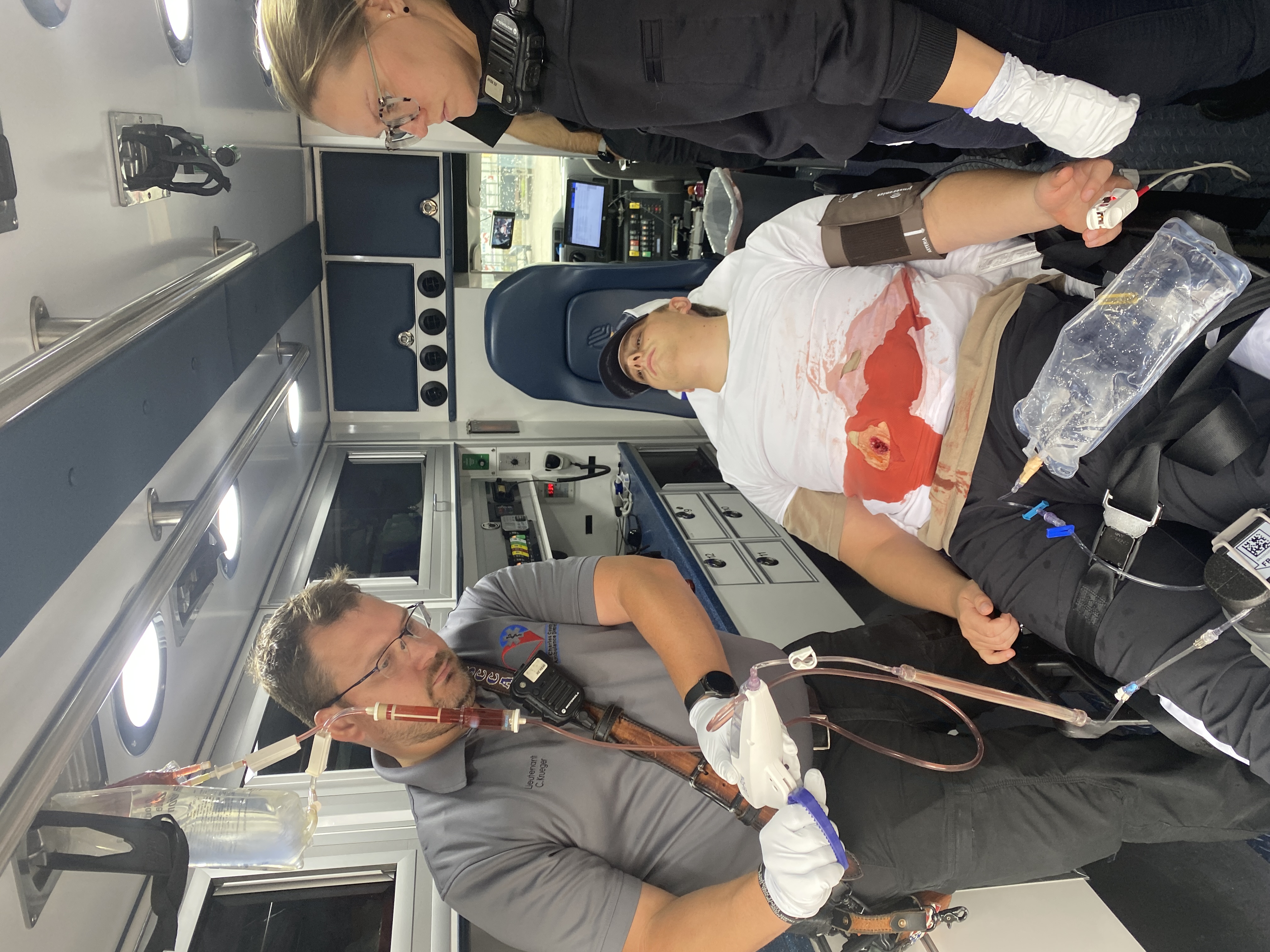
“Prehospital delivery of blood products is cutting-edge treatment that gives patients experiencing hemorrhagic shock due to critical blood loss the best chance of survival,” said David K. Tan, MD, Chief Medical Officer for SCCAD. “Prompt delivery of these vital blood components for patients in these dire situations will contribute to improved outcomes.”
While traumatic injuries are commonly thought to be the situation that would indicate transfusion of packed red blood cells and plasma, regional data shows that administration of the blood products would be indicated in medical emergencies such as postpartum hemorrhage and gastrointestinal bleeds with even greater frequency.
The prehospital blood program is made possible thanks to a collaborative working agreement with ImpactLife, a nonprofit community blood provider that supplies more than 120 hospitals and EMS agencies with lifesaving blood products.
“This innovative program is possible because of the hundreds of volunteer blood donors in our region,” said Tan. “St. Charles County residents of all blood types can directly support the lifesaving efforts of their paramedics by rolling up their sleeve to help.”
The new lifesaving interventions required an investment in advanced equipment to store, transport, temperature regulate and transfuse the blood product safely and effectively. The new equipment will be carried on the District’s four Battalion Chief vehicles, which are in service 24 hours a day, 365 days per year.
The data to support pre-hospital blood transfusion is overwhelming—a November 2024 study in the Journal of Trauma and Acute Care Surgery found the rate of death increased by 11% with each minute that passed between an injury and blood administration. The same study found that pre-hospital programs resulted in patients receiving blood as much as 19 minutes sooner than if they had to wait to arrive at the hospital emergency department.