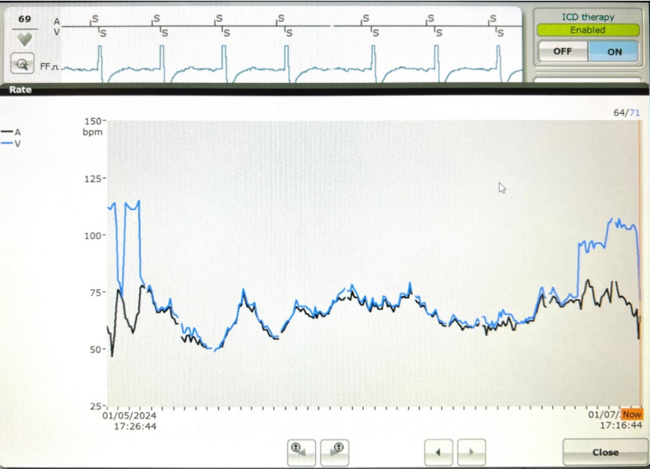
The first generation of cardiac implantable electronic devices (CIEDs) with a single-pass lead entered the market in the 1980s, but unreliable sensing ultimately resulted in the gradual abandonment of these devices.
Theresa Briggs, MSN, RN, RCIS; Jeanne Hlebichuk, PhD, RN, NE-BC; Benjamin Olszewski, BSN, RN; Mohammad Mortada, MD
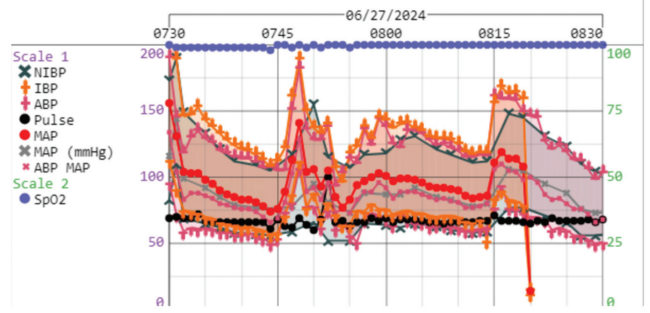
A quality improvement project designed to evaluate the utilization of noninvasive blood pressure monitoring during ablations and left atrial appendage occlusion procedures was initiated by a team at Aurora St Luke’s Medical Center.
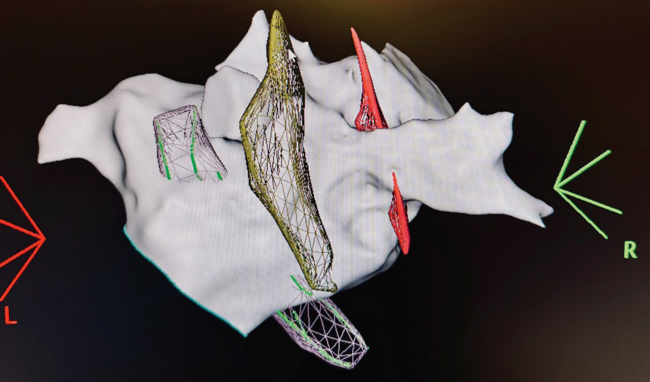
The FDA recently approved the EVOQUE Tricuspid Valve Replacement System (Edwards Lifesciences) for patients with severe tricuspid regurgitation. This procedure requires close collaboration between interventionalists and electrophysiologists.
Brett Gidney, MD, a cardiac electrophysiologist at Marian Regional Medical Center, discusses his recent incorporation of the esolution® esophageal retractor device (S4 Medical) into his paroxysmal and persistent RF workflows.
EP Lab Digest speaks with Melanie S Sulistio, MD, about her research1 developing a decision-aid to better align patients’ implantable cardioverter-defibrillator shock status with goals of care.
EP Lab Digest talks with T Jared Bunch, MD, FACC, FHRS, about the new criteria for establishing an Atrial Fibrillation Center of Excellence, including key operational standards to provide multidisciplinary care.
In this episode of The EP Edit podcast, we are joined by Andrea Russo, MD, to discuss the 2025 Appropriate Use Criteria for ICDs, CRT, and Pacing. Dr Russo shares key updates, clinical implications, and more.
Bradley P. Knight, MD, FACC, FHRS; Rod S. Passman, MD, MSCE, FACC, FHRS
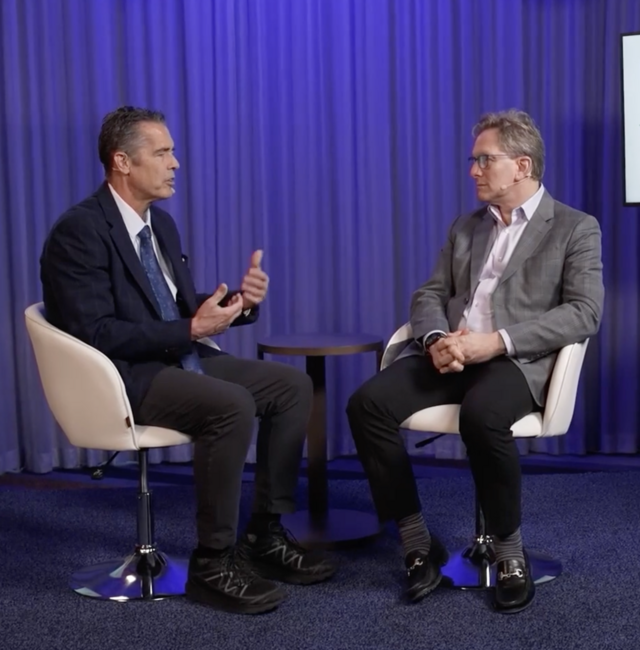
Bradley Knight, MD, talks with Rod Passman, MD, about his presentation entitled “Wearables and Smartphones—Compliance in Atrial Fibrillation Monitoring” at the 2025 Western Atrial Fibrillation Symposium.