Diet May Influence Skin Barrier Function in Atopic Dermatitis
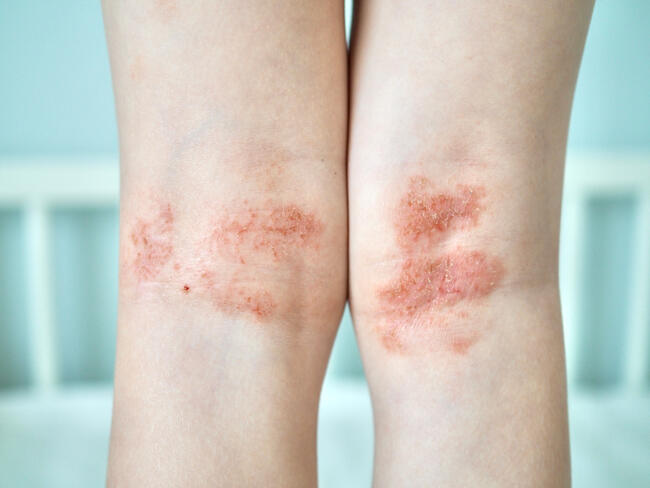
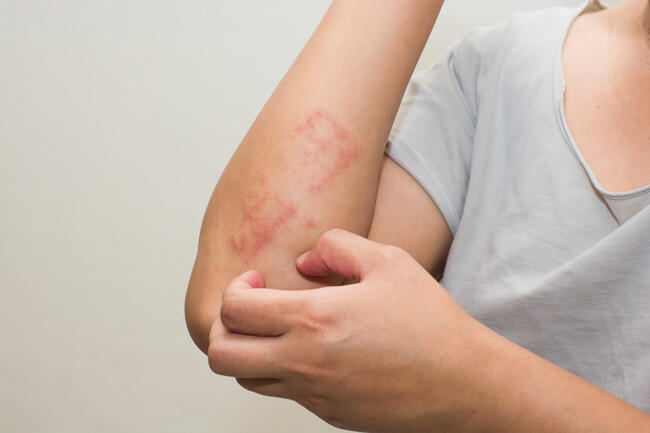
Diet may represent a modifiable factor in skin barrier integrity and atopic dermatitis (AD), but inconsistent findings prevent definitive dietary recommendations, according to a review published in Clinical and Translational Allergy.
The authors examined evidence on micronutrients, macronutrients, probiotics, food-derived compounds, and dietary patterns in relation to skin barrier function, AD prevention, and disease management. Nutrition may affect keratinocyte differentiation, lipid synthesis, pH regulation, collagen production, microbiome balance, tissue repair, and immune activity.
Several nutrients showed potential clinical relevance. Vitamin D, vitamin E, vitamin B12, zinc, and iron supplementation has been associated with improved AD severity, barrier function, or inflammatory responses. Fiber- and polyphenol-rich foods may reduce pruritus and inflammation, while plant-based and Mediterranean dietary patterns may support microbial diversity and immune regulation. However, results varied among studies. Evidence for probiotics was also mixed because strains, doses, and treatment protocols differed.
The review contrasted these benefits with findings involving diets high in saturated fats, trans fats, added sugars, and ultra-processed foods, which were associated with inflammation, impaired barrier function, or greater AD risk and severity. Early-life nutrition may be relevant: Maternal and infant dietary quality and diversity were associated with AD outcomes, although findings for nutrients and dietary patterns were not uniform.
The authors noted that “overall dietary quality and diversity appear to be important preventive factors.” They also emphasized that “inconsistent evidence precludes definitive dietary recommendations.”
For dermatologists, the findings support discussing nutrition as a component of AD. Clinicians may consider dietary quality, diversity, and nutrient deficiencies when evaluating patients, while recognizing that the review does not establish specific regimens, doses, or causal effects. The authors called for rigorous interventional studies using standardized dietary assessments and objective measures of barrier function.
Reference
Ryczaj K, Beken B, Akdis C. Feeding the Skin Barrier: The impact of macro‐ and micronutrients on skin barrier function. Clin Transl Allergy. 2025;15(11):e70105. doi:10.1002/clt2.70105