








Mark F. Conrad, MD, Discusses 5-Year Valiant Thoracic Stent Graft Results
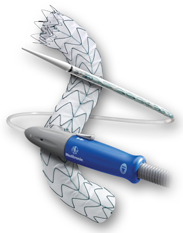 Earlier this month, Medtronic announced favorable 5-year data from the VALOR II Study, demonstrating the durability of the Valiant Thoracic Stent Graft System, an innovative and minimally invasive treatment for patients with thoracic aortic aneurysms (TAA). The data were presented by Mark F. Conrad, MD, Director of Clinical Research, Division of Vascular and Endovascular Surgery and Assistant Program Director, Division of Vascular and Endovascular Surgery for Massachusetts General Hospital (MGH), at the 42nd Annual Meeting of the New England Society for Vascular Surgery in Newport, Rhode Island. Vascular Disease Management asked Dr. Conrad to answer a few questions about the results.
VDM: Tell us about your work and your involvement in the study.
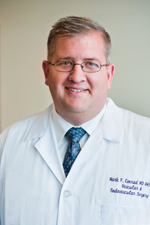
Conrad: I am a vascular surgeon at MGH and the director of clinical research for our group. There were 24 sites that enrolled patients in the United States and MGH was one of them. I was not the principal investigator for our institution but we did enroll patients. Because of my background with clinical trials, Medtronic asked me to write up their long-term results.
VDM: How long have you been using stents like the kind used in the study?
Conrad: Thoracic stent grafts became comercailly available in 2005 and our institution participated in the early trials so we have been using them for over 10 years.
VDM: What was unique about this study – anything of note about the patient population, selection criteria, inclusion/exclusion?
 Conrad: All patients were considered low risk for elective surgical repair. The anatomic range for the seal zones was 20 mm to 42 mm. The study excluded patients with planned coverage of zone 0 or 1, rupture, mycotic aneurysms and connective tissue disease.
VDM: What about the results should be of most interest to endovascular specialists?
Conrad: The most interesting results are that the 5-year freedom from aneurysm related death was 95 and the most common cause of death over time was cardiac.
VDM: What results surprised you the most?
Conrad: The biggest surprise was how closely the results mirror those of other thoracic stent graft trials with freedom from aneurysm related death in the 94% to 97% range, reintervention rates of 4% to 7% and all cause survival rates of 63% to 68%.
VDM: How will the results of the your research affect clinical decision-making for endovascular specialists?
Conrad: This trial reaffirms that TEVAR is an excellent way to treat degenerative thoracic aneurysms and can prevent most aneurysm related deaths at 5 years. It also showed that late Type I endoleaks do occur and need to be treated to prevent late rupture, thus long-term surveillance is necessary after TEVAR.
VDM: What questions still remain about TAA stenting in general?
Conrad: How to apply this technology to more complex thoracoabdominal aortic aneurysms and how to minimize paraplegia rates in patients who require coverage of long segments of aorta.
Editor's note: Dr. Conrad reports consultancy to Bard, Medtronic, and Volcano Corporation.




