Four-Year BEST-CLI Data Reinforce a Team-Based Future for Limb Salvage

Boston Medical Center Health System, Boston, Massachusetts
Friday morning at the Amputation Prevention Symposium, one of vascular medicine's most influential studies returned to the spotlight as Alik Farber, MD, MBA, presented the latest 4-year findings from the landmark BEST-CLI trial. He challenged attendees to move beyond the long-standing debate of surgery vs endovascular intervention and instead embrace an evidence-based, patient-centered approach to revascularization.
Dr Farber opened the session by reflecting on how dramatically the treatment landscape for chronic limb-threatening ischemia (CLTI) has evolved over the past two decades. As endovascular technology rapidly advanced, many believed open bypass surgery was destined to become a relic of the past. But the BEST-CLI trial has fundamentally reshaped that narrative. Rather than declaring one strategy the universal winner, the study has demonstrated that both open and endovascular therapies have essential and complementary roles in achieving durable limb preservation.
The presentation revisited the rigorous design of BEST-CLI, which enrolled patients with CLTI who were appropriate candidates for either surgical bypass or endovascular intervention. Careful patient selection, including assessment of surgical risk, conduit availability, and vascular anatomy, ensured that treatment strategies could be compared fairly in a real-world population representative of contemporary vascular practice.
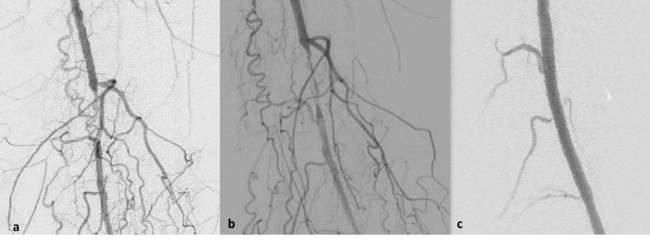
Four years later, the study's message has only become clearer. For patients with an adequate single-segment great saphenous vein, surgical bypass continues to demonstrate superior durability. Compared with endovascular therapy, bypass resulted in fewer major adverse limb events, significantly fewer repeat interventions, and a lower incidence of major amputations, while overall survival remained similar between the two treatment strategies. Dr Farber emphasized that these benefits emerged early and persisted throughout long-term follow-up, reinforcing the value of durable revascularization in carefully selected patients.
Beyond the primary trial results, Dr Farber highlighted how BEST-CLI has evolved into one of the richest research resources in peripheral artery disease. With dozens of peer-reviewed publications already completed and many additional analyses underway, investigators continue to mine the dataset for insights into patient characteristics, procedural techniques, anatomy, and long-term outcomes. Because the trial enrolled a population that closely mirrors patients seen in everyday practice, including high rates of diabetes, tissue loss, tibial disease, and complex anatomy, the findings continue to resonate across the vascular community.
The newest analyses reinforce the importance of long-term durability. Patients undergoing bypass experienced fewer major reinterventions, lower rates of clinical and hemodynamic failure, faster resolution of ischemia, and fewer recurrent CLTI events than those treated endovascularly. Even among patients requiring a minor amputation, those initially treated with bypass were less likely to progress to a major amputation. Notably, these limb-related advantages were achieved without increasing mortality or major adverse cardiovascular events.
Dr Farber concluded by emphasizing that the lasting impact of BEST-CLI extends well beyond comparing procedures. The trial has helped redefine how vascular specialists think about limb salvage, replacing the traditional "open versus endovascular" mindset with one built on collaboration, individualized treatment planning, and shared decision-making. Patients who are candidates for limb salvage should be evaluated for both surgical risk and conduit availability, with bypass considered a first-line option for those with an adequate saphenous vein. At the same time, the study reinforces that successful CLTI care depends on maintaining expertise across both surgical and endovascular disciplines.